
Embracing the Call: Our Journey into Volunteer Firefighting and First Response
Life has a funny way of pushing you towards your true calling, even when you’ve been expertly sidestepping it for years. For my husband and me, that call finally resonated loud and clear: we’ve officially joined the ranks of the volunteer fire department and the first response team in our beloved municipality. This decision marks a significant milestone, one we’ve contemplated since we first moved to our tranquil lake house three years ago. Yet, like many aspirations, it consistently found its way to the back burner, simmering amidst a potpourri of seemingly valid excuses. “It’s too cold,” we’d say, or “We’re not in the best shape.” Then there was “We’re too busy,” quickly followed by the more honest, “We’re quite content *not* being busy.” These were the familiar refrains that kept us from taking the leap.
The Path to Service: From Procrastination to Purposeful Action
Despite the comfortable inertia, a growing sense of civic duty and a desire to contribute meaningfully to our small community began to outweigh our initial reluctance. Living in a tight-knit area, especially one prone to the unique challenges of rural life and natural beauty, means recognizing the critical role of local emergency services. There’s an undeniable satisfaction in knowing you can be a part of that safety net. So, after countless discussions and a final, decisive push, we did it. We completed the applications, attended the introductory meetings, and officially committed ourselves to this challenging yet deeply rewarding path. Our new roles mean we’ll be responding to a wide spectrum of emergencies, from motor vehicle accidents on winding country roads to house fires that devastate homes and lives. The scope is broad, and the responsibility immense, but the motivation to serve has never been stronger.
Beyond the Flames: The Extensive Training of a First Responder
While the romanticized image of driving a colossal fire truck is undoubtedly alluring, the reality of becoming a full-fledged firefighter is far more rigorous and long-term. Extensive training is not just a suggestion; it’s a foundational requirement that spans years. For the immediate future, that means a lot of what’s affectionately known as “grunt work” for us newbies. The commitment is substantial, involving not only weekly training sessions but also additional specialized sessions. These can range from the seemingly mundane task of meticulously cleaning the fire hall, ensuring every piece of equipment is spotless and ready, to intense, high-stakes drills like extracting simulated victims from mangled vehicles – a truly sobering and vital skill. Each task, no matter how small or daunting, contributes to building the robust skillset and unwavering discipline essential for effective emergency response.
Our unique work schedules present both an advantage and a challenge. Because we operate on non-traditional shifts, we’re invaluable assets for responding to calls that come in during typical 9-to-5 working hours, like a 2 PM emergency on a Wednesday. This flexibility allows us to fill critical gaps when many other volunteers are at their primary jobs. However, this same irregularity can also mean missing some scheduled training sessions, potentially extending the time it takes for us to achieve full certification. My long-held dream of commanding that big, powerful fire truck still feels a distant goal, but the immediate gratification comes from knowing we’re actively contributing. There’s an immense sense of pride and satisfaction in being able to give back to our small community in such a tangible and impactful way, supporting our neighbors when they need it most.
Navigating the Emotional Landscape: Confronting Fears and Building Resilience
Confronting the Unknown: Overcoming Personal Apprehensions
Admittedly, a healthy dose of fear accompanies this new venture. It’s not just the inherent danger of running *toward* fires instead of away from them – a fundamental shift in instinct – but also the apprehension of responding to calls where the situation might be gruesome or emotionally distressing. I’ve always held the belief that I’m not particularly good with the sight of blood or serious injuries. However, a recent incident provided an unexpected, albeit intense, test of this self-perception. When our tiler suffered a severe cut to his arm from a chop saw, requiring an immediate drive to the emergency room, I discovered a surprising reservoir of calm and capability. In that moment of genuine crisis, my natural inclination to “toss my cookies” at the sight of severed flesh completely dissolved. I was able to remain cool, calm, and focused, even bombing down country roads like a bat out of hell to get him medical attention. That experience was a profound realization: I can, in fact, rise to the occasion when it truly matters. This newfound understanding has bolstered my confidence, offering a crucial mental preparedness for the realities of first response. So, yes, I got this. I think.
Building Strength: The Physical Demands of the Job
Our first official acts of duty quickly laid bare another truth: this job is physically demanding. One of our initial assignments involved the rather strenuous task of washing, rolling, and generally manhandling massive fire hoses. Believe me, it’s far heavier and more unwieldy than it looks! This experience was an immediate and undeniable testament to the need for physical conditioning. I quickly realized that my previous excuse of “being out of shape” was, in fact, a pretty darn good reason for not joining sooner. But now, that excuse has transformed into powerful motivation. The motivation isn’t just about personal fitness anymore; it’s about being effective, strong, and capable when lives might depend on it. Any time I find myself struggling with lifting something heavy, or when I’m tempted to call on my husband for assistance, I find myself mentally chanting, “FIRE HOSE, FIRE HOSE!” It’s become my personal mantra, a powerful pump-up phrase that reminds me of the strength and endurance I need to cultivate to fulfill my duties as a volunteer first responder.
First-Hand Experiences: The Raw Reality of Emergency Response
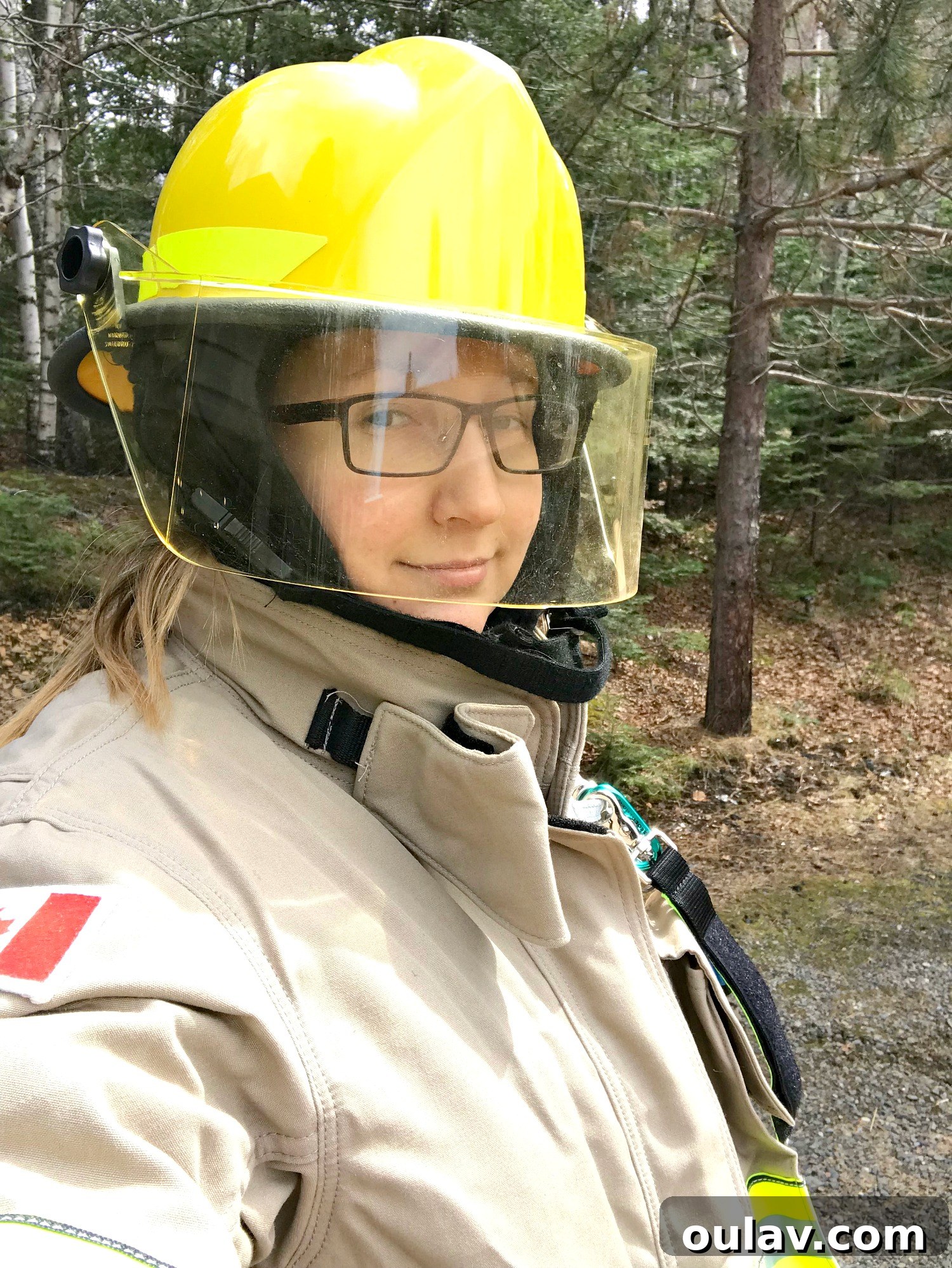
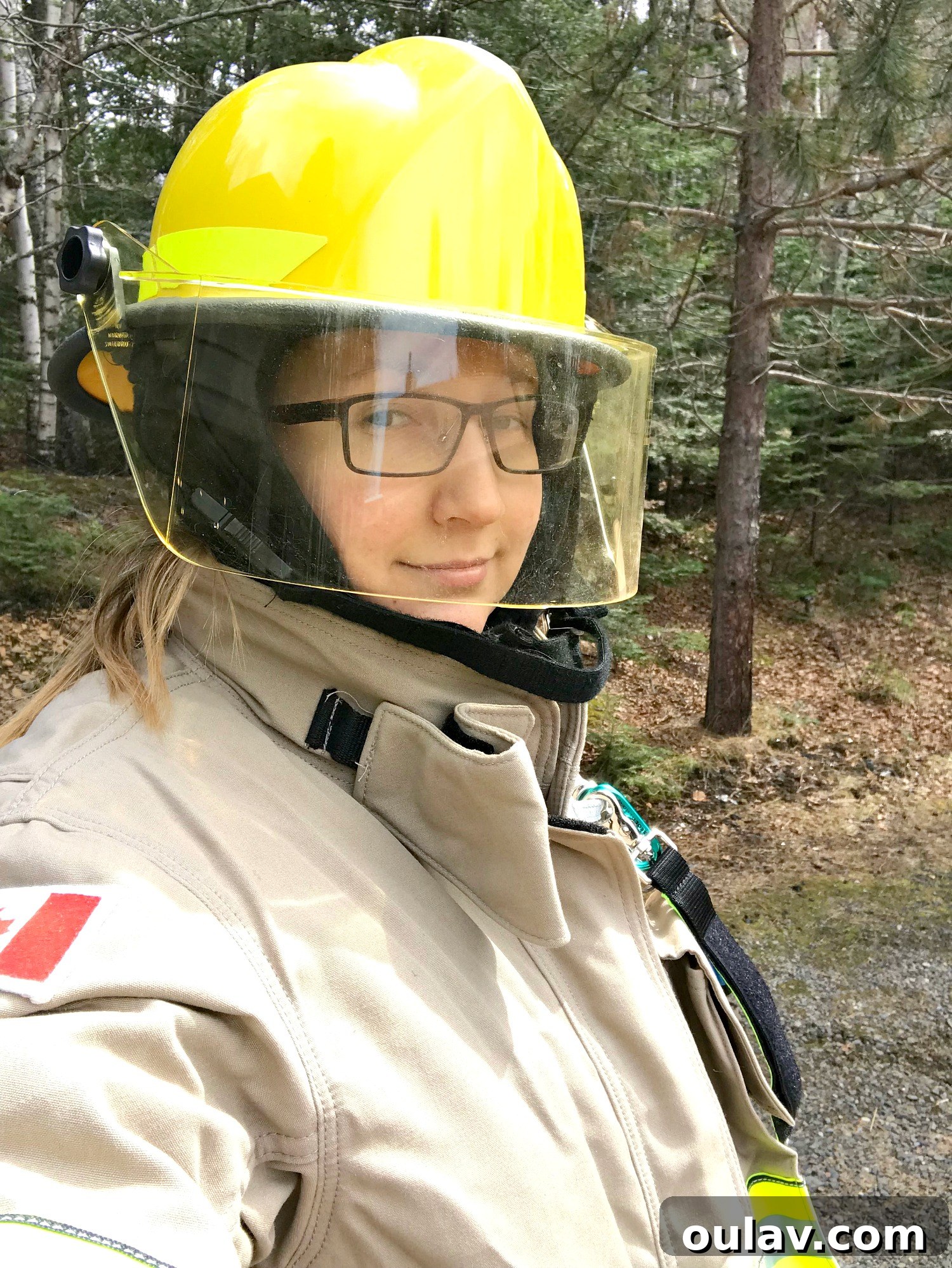
Due to the sensitive nature of emergency services and our unwavering commitment to ensuring the privacy and dignity of those impacted, I won’t be able to share detailed photos or narratives of the incidents we respond to. This is a non-negotiable aspect of our role, and while it means I can’t always share the full scope of this part of my life, it’s a vital ethical consideration. However, I can at least promise a photo of myself fully suited up once I receive all my gear. Update: here I am, proudly wearing the uniform!
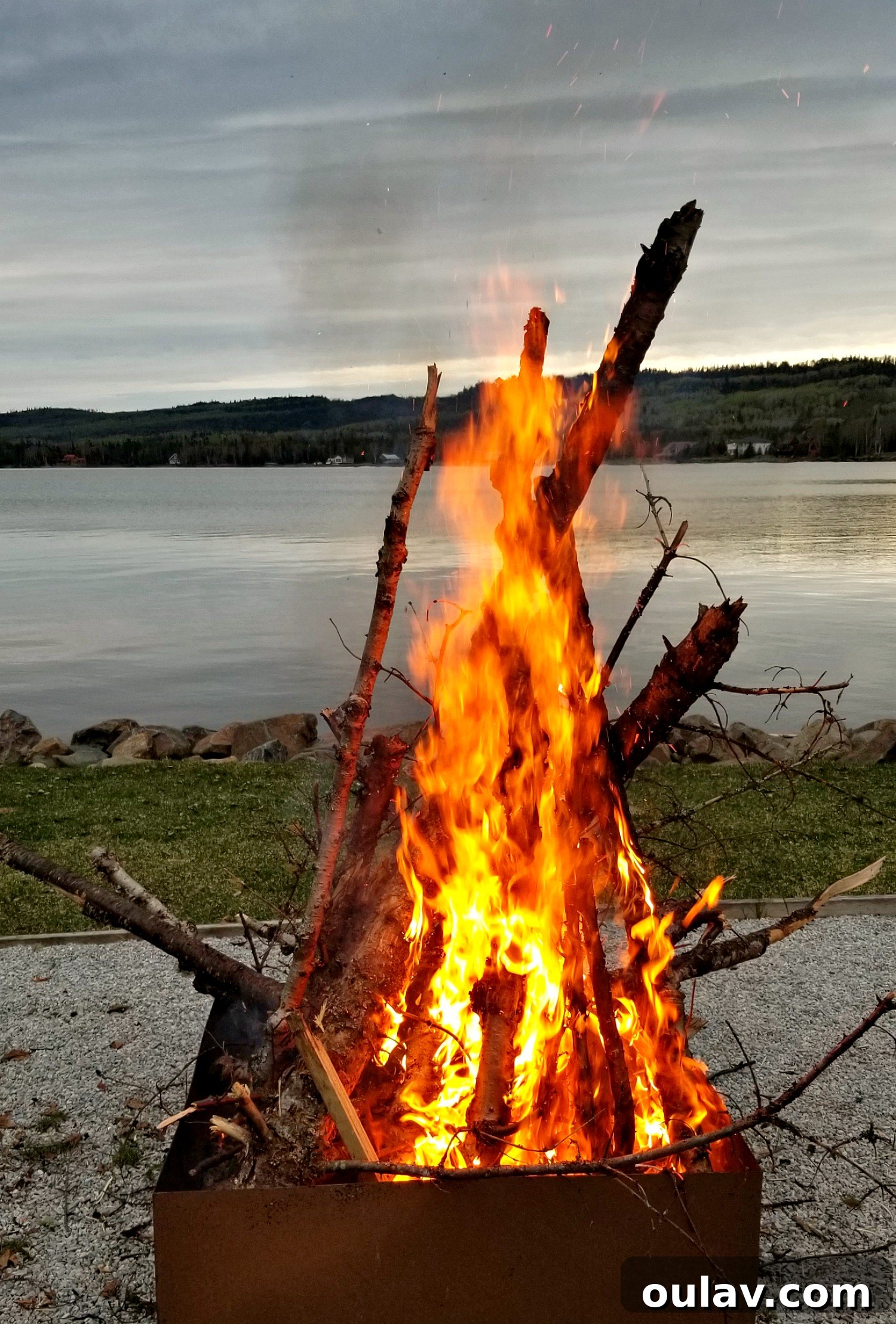
We recently attended our first “aftermath” of a house fire, tasked with helping to document the extensive damage. Walking through the burned-out shell of what was once a home was a profoundly heartbreaking experience. The sheer devastation – charred timbers, melted possessions, the lingering smell of smoke – painted a stark picture of loss. Yet, amidst the somber scene, there was an immense wave of relief: the homeowner managed to escape unharmed. This dichotomy of destruction and survival underscored the critical importance of our work and the profound impact emergency services have on people’s lives. Even in the aftermath, being there to assist, even in small ways, felt incredibly meaningful.
The Heart of Community Service: Why We Dedicate Ourselves
Joining the volunteer fire department and first response team is more than just learning new skills; it’s about embedding ourselves deeper into the fabric of our community. It’s about being a reliable presence, a helping hand, and a source of strength when tragedy strikes. In smaller communities, volunteers are the lifeblood of emergency services, often providing the primary response until professional help can arrive from further afield. This collective effort fosters a unique bond among volunteers, a shared sense of purpose and camaraderie that transcends individual backgrounds. The sacrifices of time, energy, and personal comfort are considerable, but they are consistently outweighed by the profound satisfaction of knowing you are making a tangible difference, protecting lives, and preserving homes.
Looking Ahead: A Journey of Growth and Unwavering Dedication
Our journey as volunteer first responders has only just begun. It’s a path filled with continuous learning, demanding physical and mental challenges, and moments of immense satisfaction. While the road to becoming fully certified firefighters is long and arduous, we are committed to every step. The aspiration to one day drive that impressive fire truck remains, but it’s now tempered by a deeper understanding of the dedication and expertise required. More importantly, it’s fueled by the unwavering desire to serve, to stand ready for our neighbors, and to contribute to the safety and well-being of our cherished community. This is not just a new chapter for us; it’s a profound commitment to a vital cause, and we embrace it with open hearts and resolute spirits.