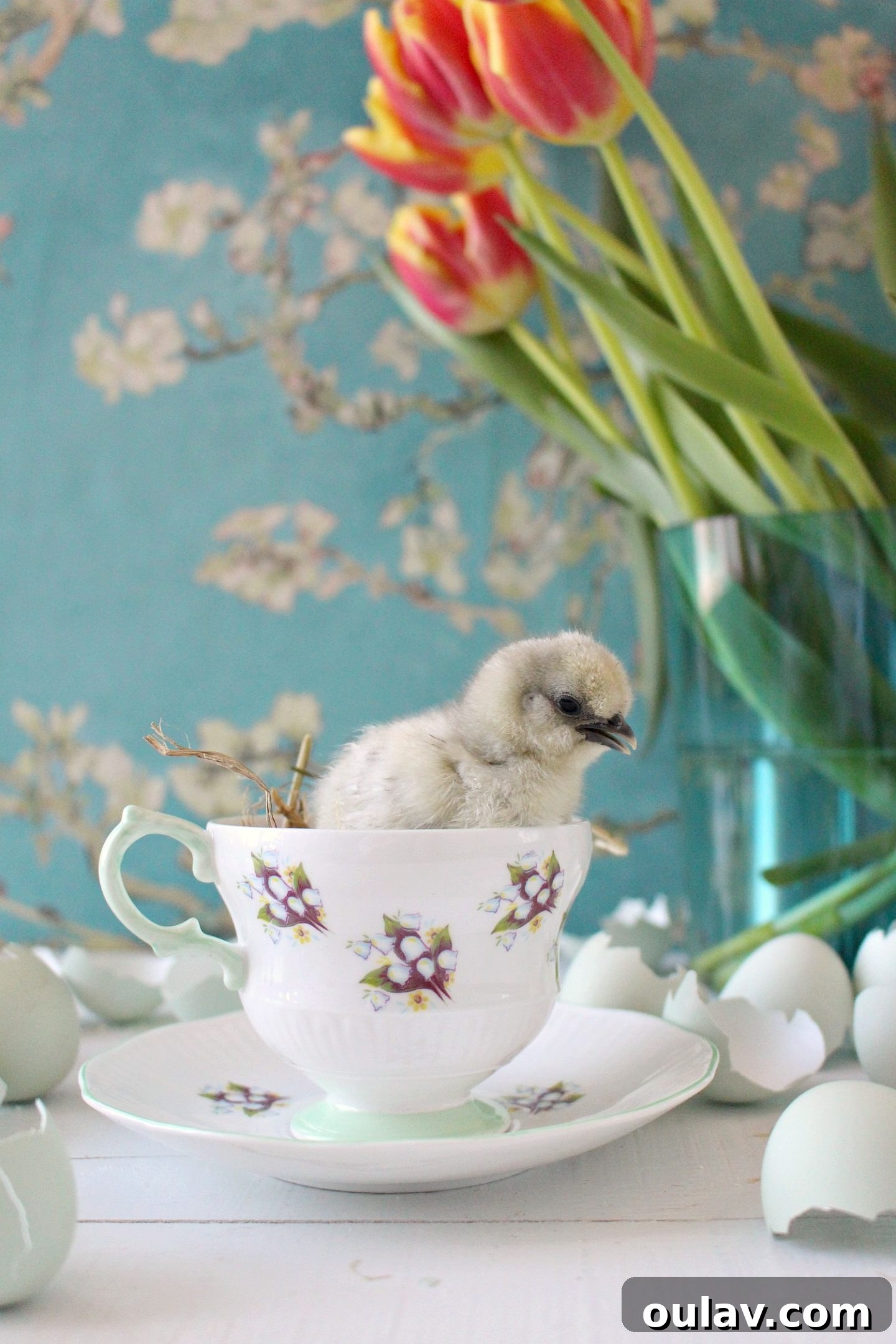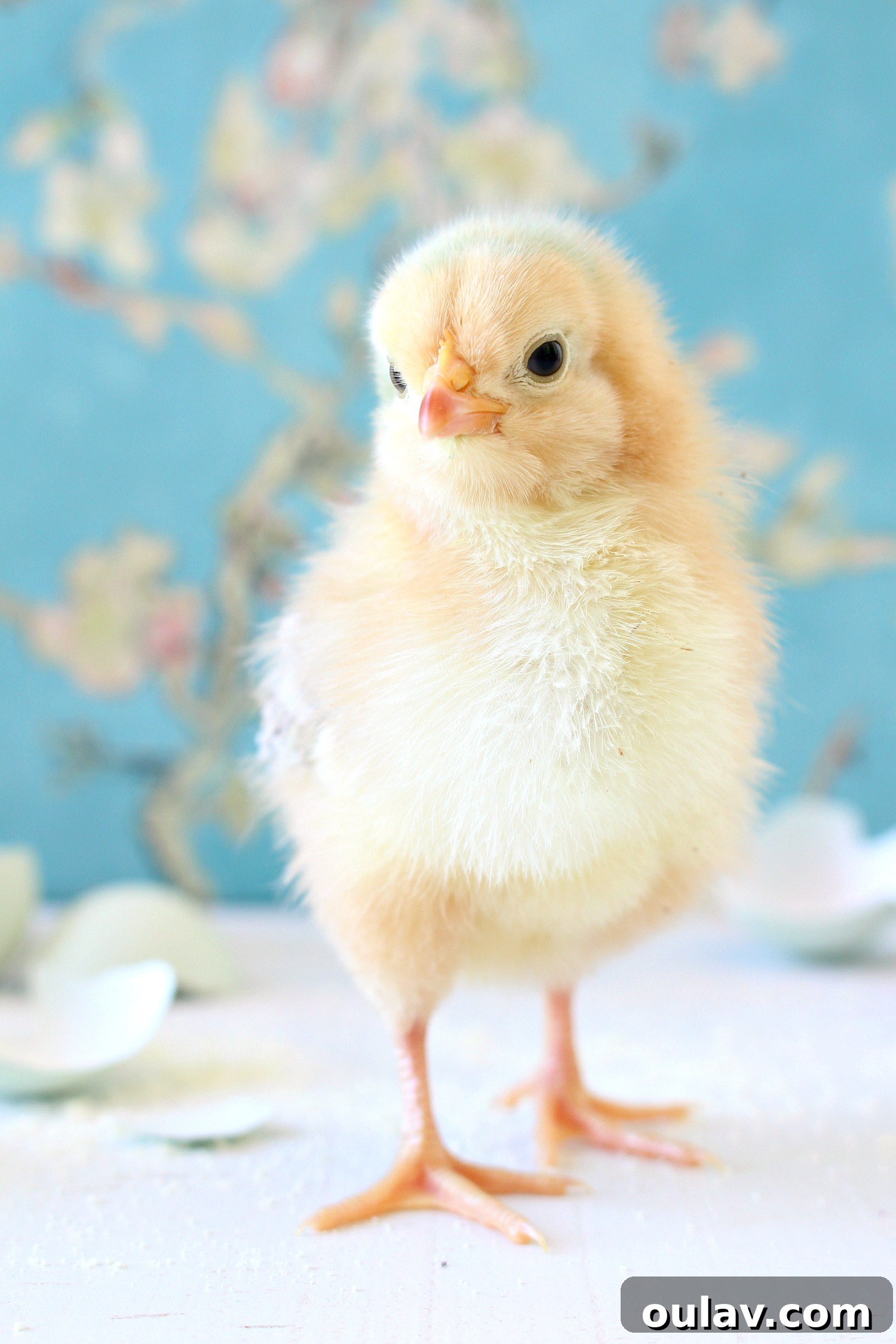
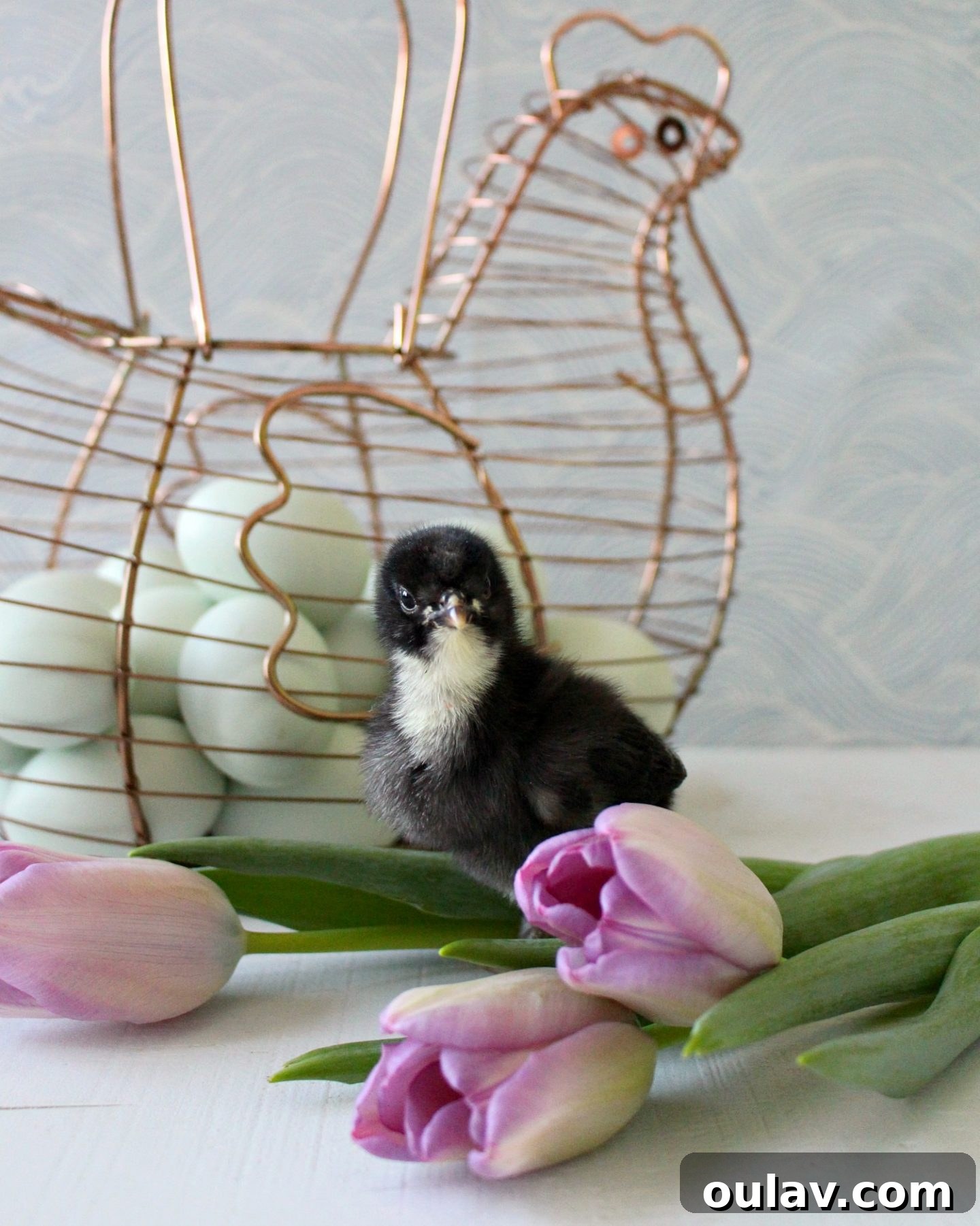
The air is buzzing with the promise of spring, and here on our homestead, that means one thing: the arrival of a brand new batch of fuzzy, peeping baby chicks! This year, our eagerly anticipated order arrived, and I simply couldn’t resist documenting every adorable moment. Prepare yourself for an overwhelming collection of baby chick photos, each one guaranteed to melt your heart and bring a smile to your face. From their first curious pecks to their sleepy snuggles, these tiny creatures bring an unparalleled joy that truly brightens the day.
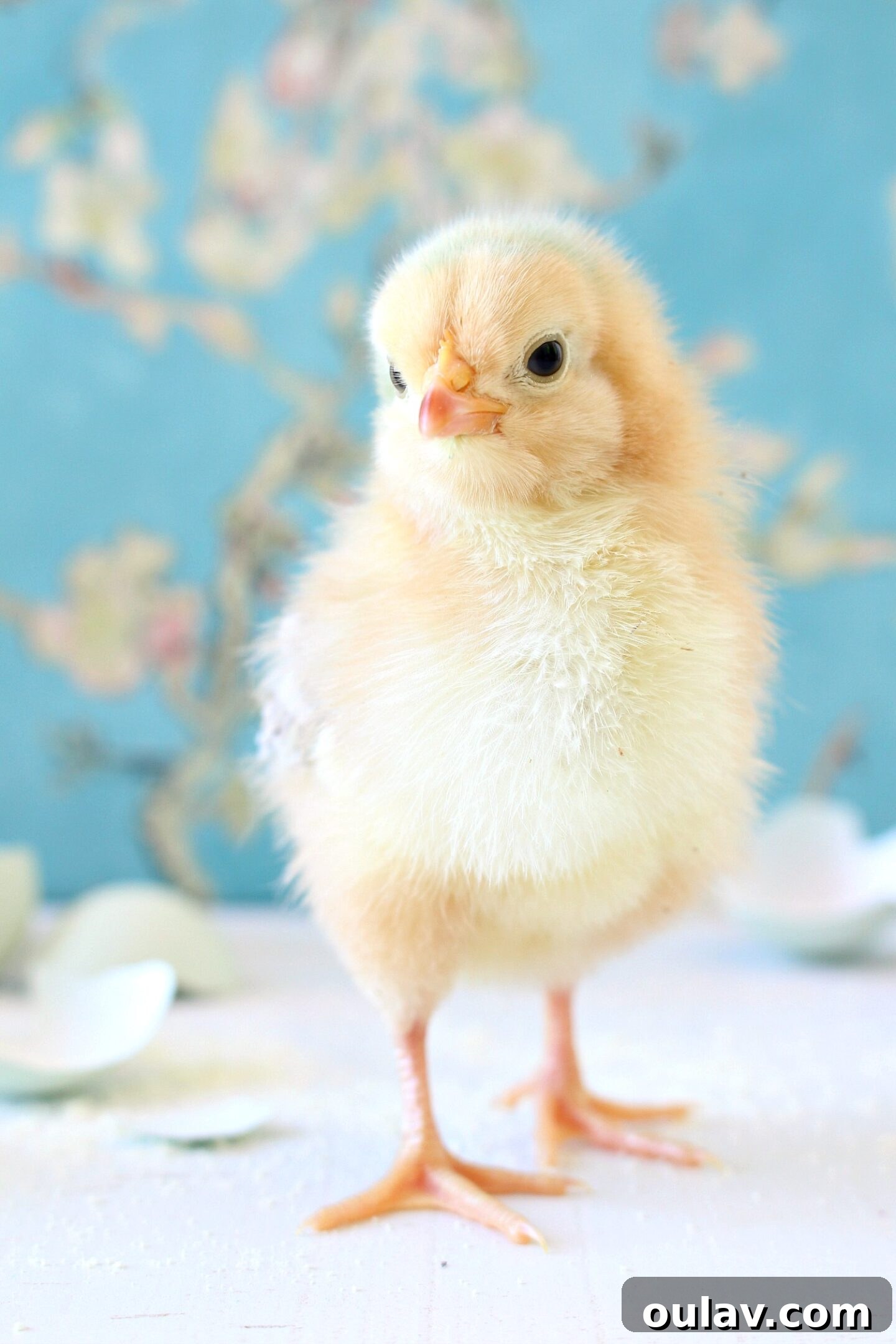
There’s something uniquely enchanting about a new flock of chicks. Their delicate chirps fill the house with life, and their frantic wiggles are a constant source of amusement. They are a vivid reminder of nature’s endless cycle and the simple pleasures of rural living. We’ve spent countless hours observing their antics, capturing their tender moments, and cherishing these fleeting days of their absolute tininess.
The Unvarnished Reality of Raising Baby Chicks
While the arrival of new chicks is undeniably joyful, it’s also important to acknowledge the inherent challenges and occasional heartbreak that comes with raising them. As much as I adore our feathered friends, I always strive to keep things realistic and share the full spectrum of experiences. This year, the journey began with a somber note: two of our precious chicks sadly perished during transport. Opening the box to find their lifeless bodies was a truly heartbreaking moment, one that I wasn’t fully prepared for, even knowing it was a possibility. Our previous experience hadn’t involved such a loss, making this initial setback particularly difficult to process.
The surviving chicks, though visibly shaken by their arduous journey, were visibly relieved to be moved from the cramped shipping box into their warm and spacious new brooder setup. They immediately began eating and drinking, a positive sign of their resilience. However, their initial days were marked by excessive huddling under the heat lamp, far more than our previous chicks. This indicated they were quite chilled and stressed from the travel. We diligently monitored them, adjusting the heat and ensuring constant access to fresh water and chick starter feed.
Despite our best efforts, another tragedy unfolded over the weekend. One little chick, a tiny yellow peeper, became noticeably drowsy and lethargic. He pecked at his food and sipped water intermittently but spent most of his time face-planted in the bedding, seemingly too weak to hold himself up. Fearing he would be trampled by his more vigorous siblings, I gently removed him from the brooder, hoping to revive him. He was incredibly weak and limp, yet still breathing. I remembered reading that sugar water could provide a much-needed energy boost. I quickly mixed a solution and carefully offered it to him. He managed to pull his head back, an instinctive drinking motion, and his eyes even flickered open. For a moment, I dared to hope. But then, tragically, his head rolled back, his tiny body convulsed briefly, and he straightened out completely, dying peacefully in my hands. The suddenness and intimacy of his passing left me shaken and filled with a profound sense of sadness and guilt, even screaming for my husband. I worried intensely that my actions, despite being well-intentioned, might have contributed to his demise.
However, through experience and a bit of research, I understand that sometimes chicks simply succumb to various factors: inherent weakness from hatching, stress from the journey, illness, or even temperature fluctuations. It’s a harsh reality of raising animals, especially such delicate ones. While the guilt is immense, I know I did everything I could, and it’s likely not my fault. These tiny creatures are incredibly vulnerable. So, while I wholeheartedly love keeping chickens and often encourage others to start their own flock, it’s crucial to acknowledge the emotional toll that can accompany this rewarding endeavor. With that candid reflection out of the way, please continue to enjoy the fruits of my extensive chick photo shoots!
Tiny Beaks, Big Personalities: A Photo Gallery
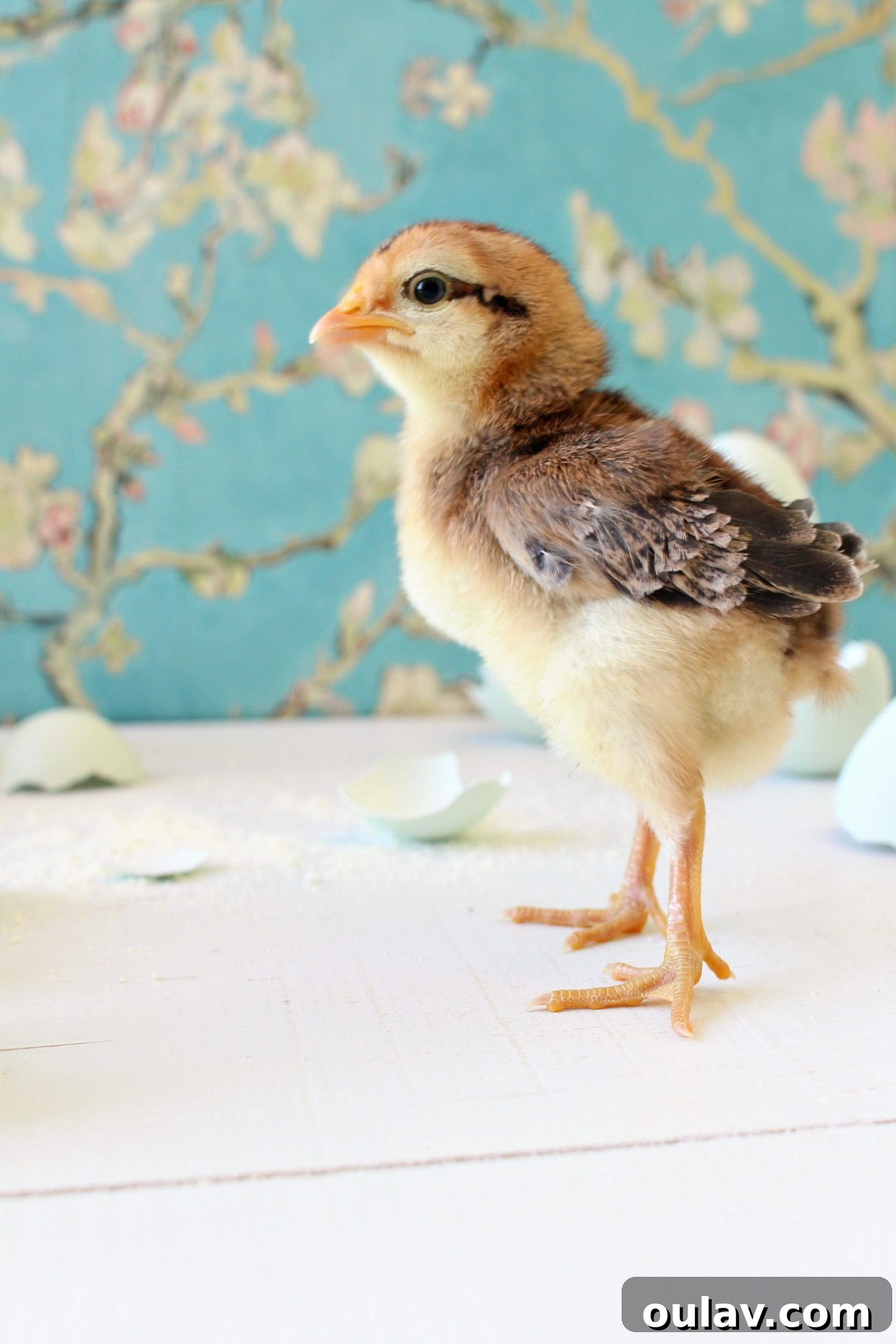
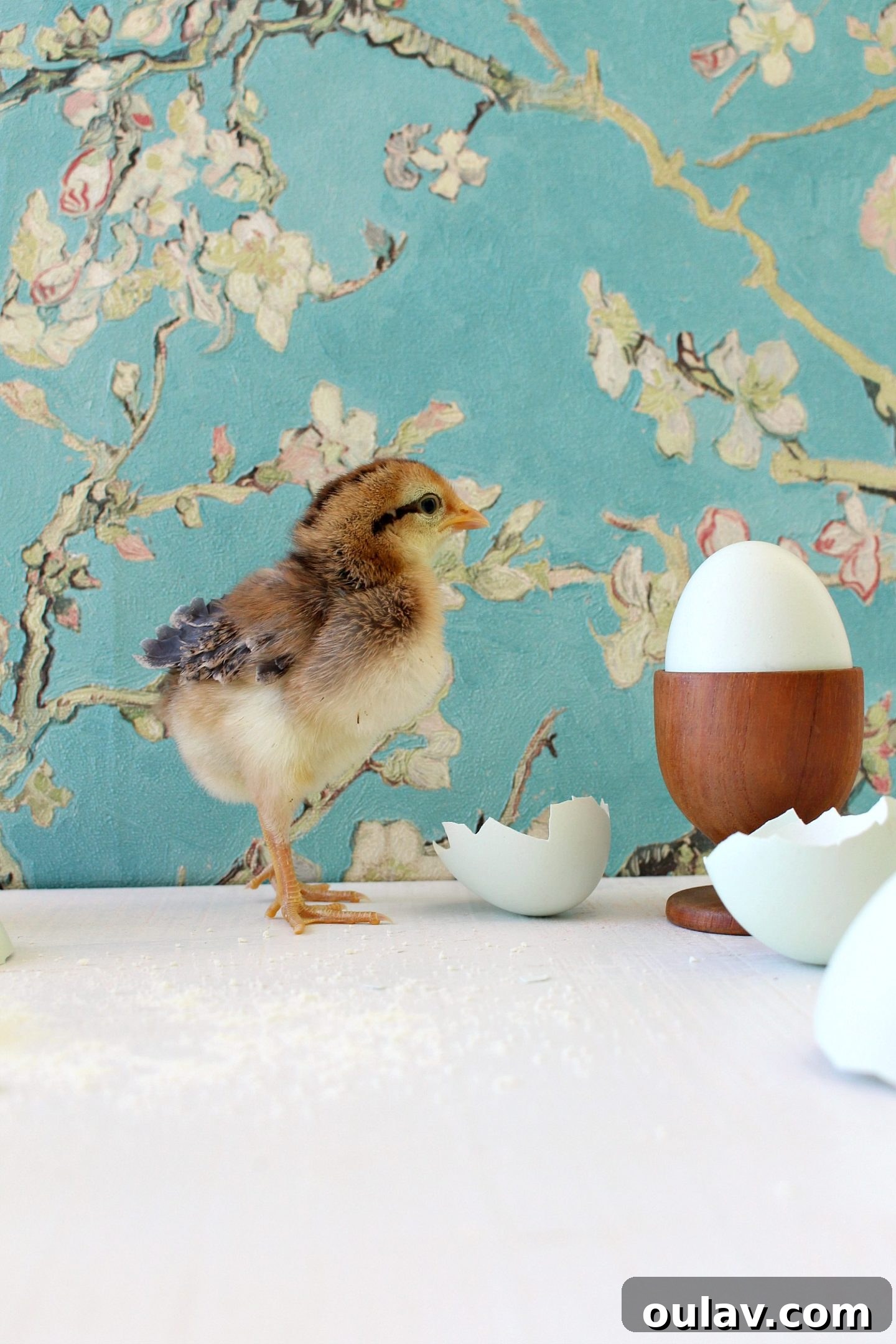
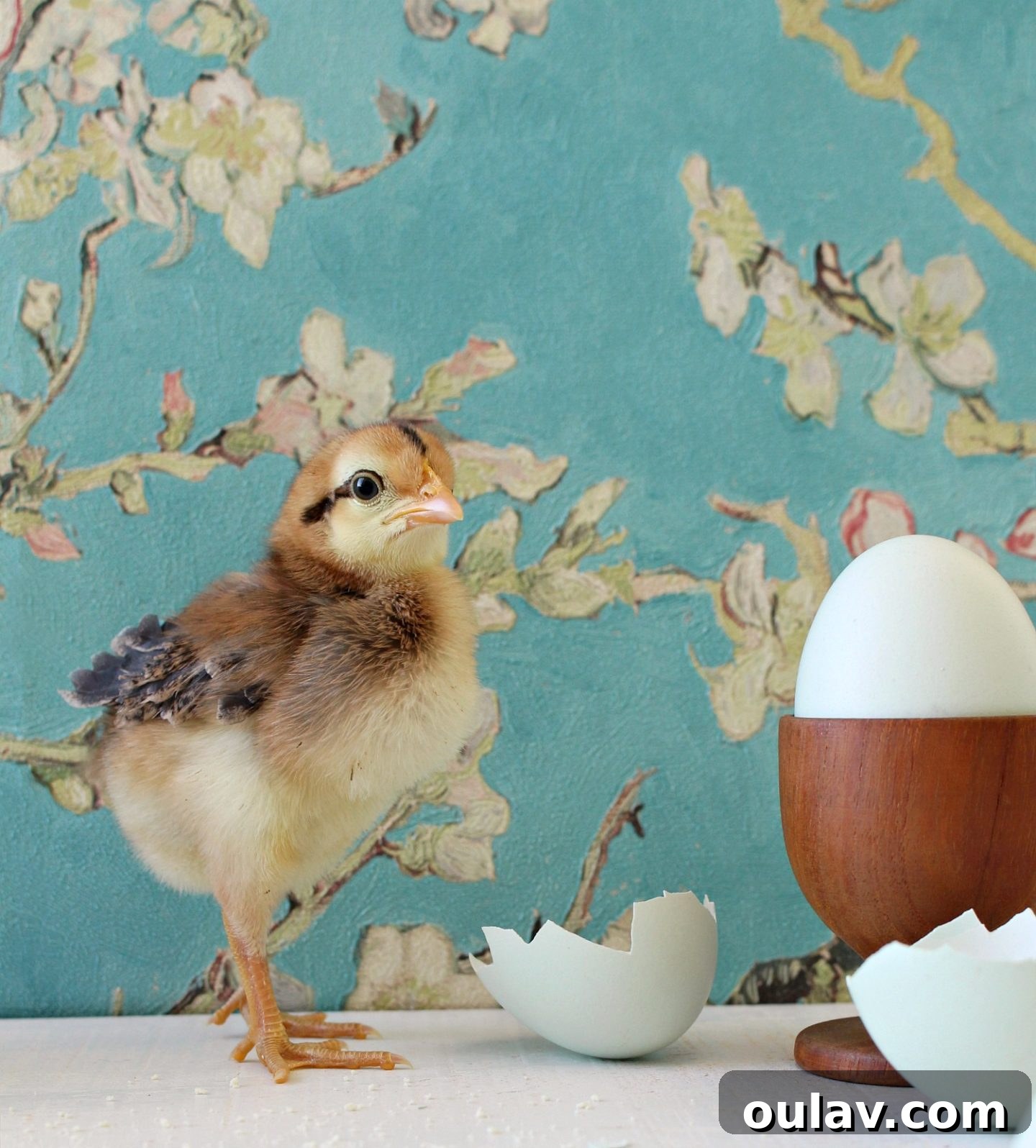
One of the most delightful aspects of having baby chicks is observing their individual personalities emerge almost immediately. Each tiny peep, every tentative scratch, and every frantic dash reveals a unique character in the making. Of course, their undeniable cuteness makes them prime subjects for endless photography sessions!
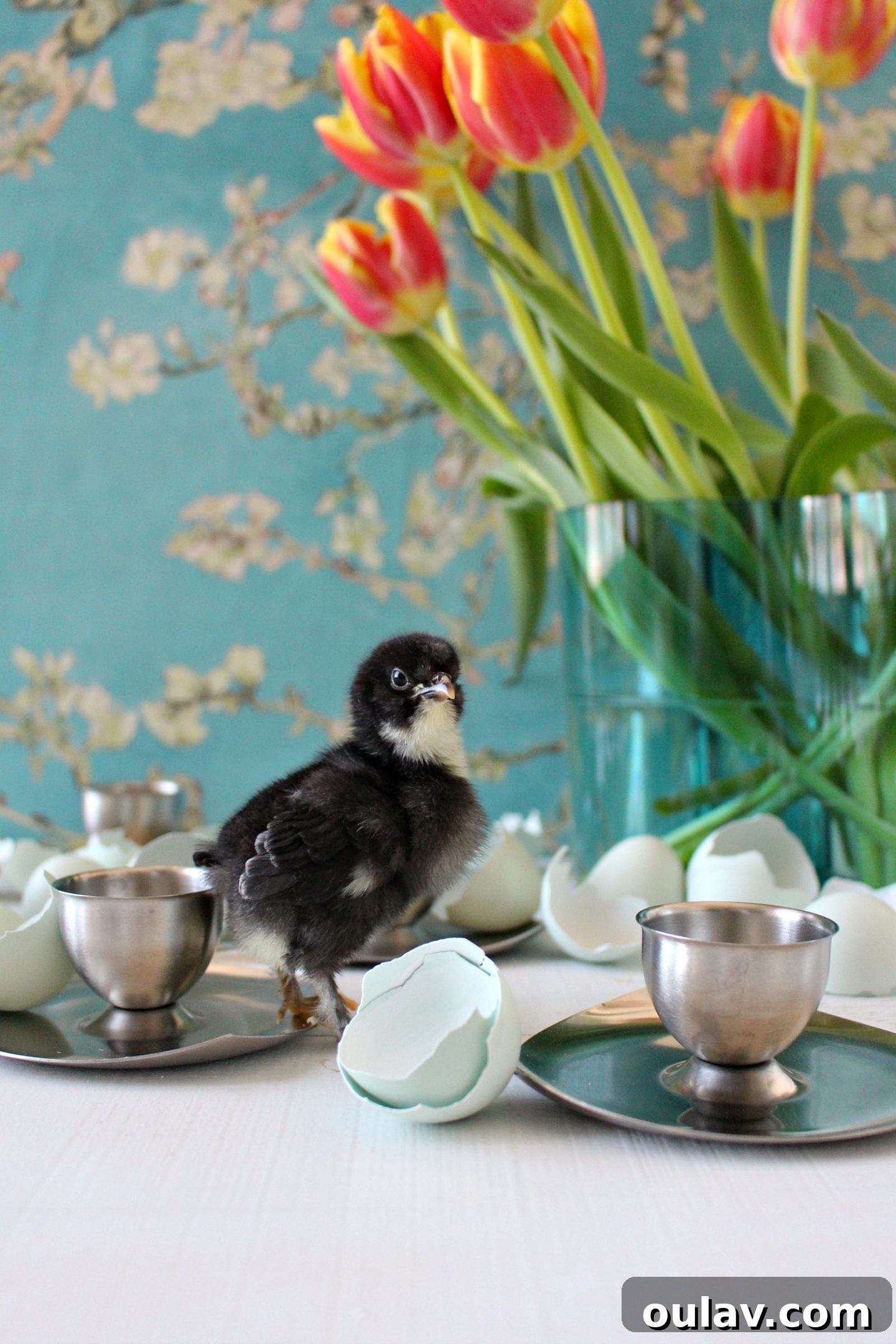
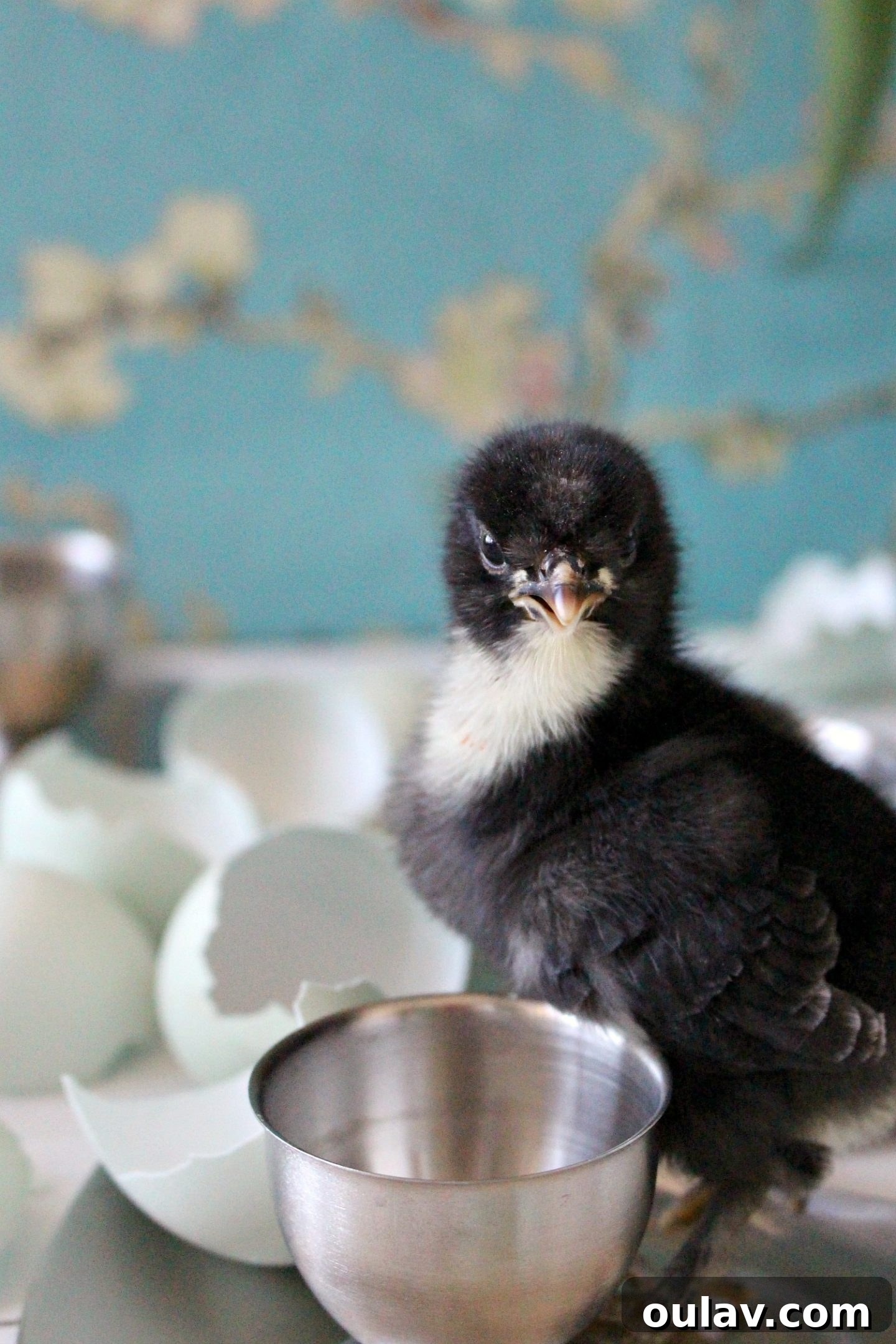
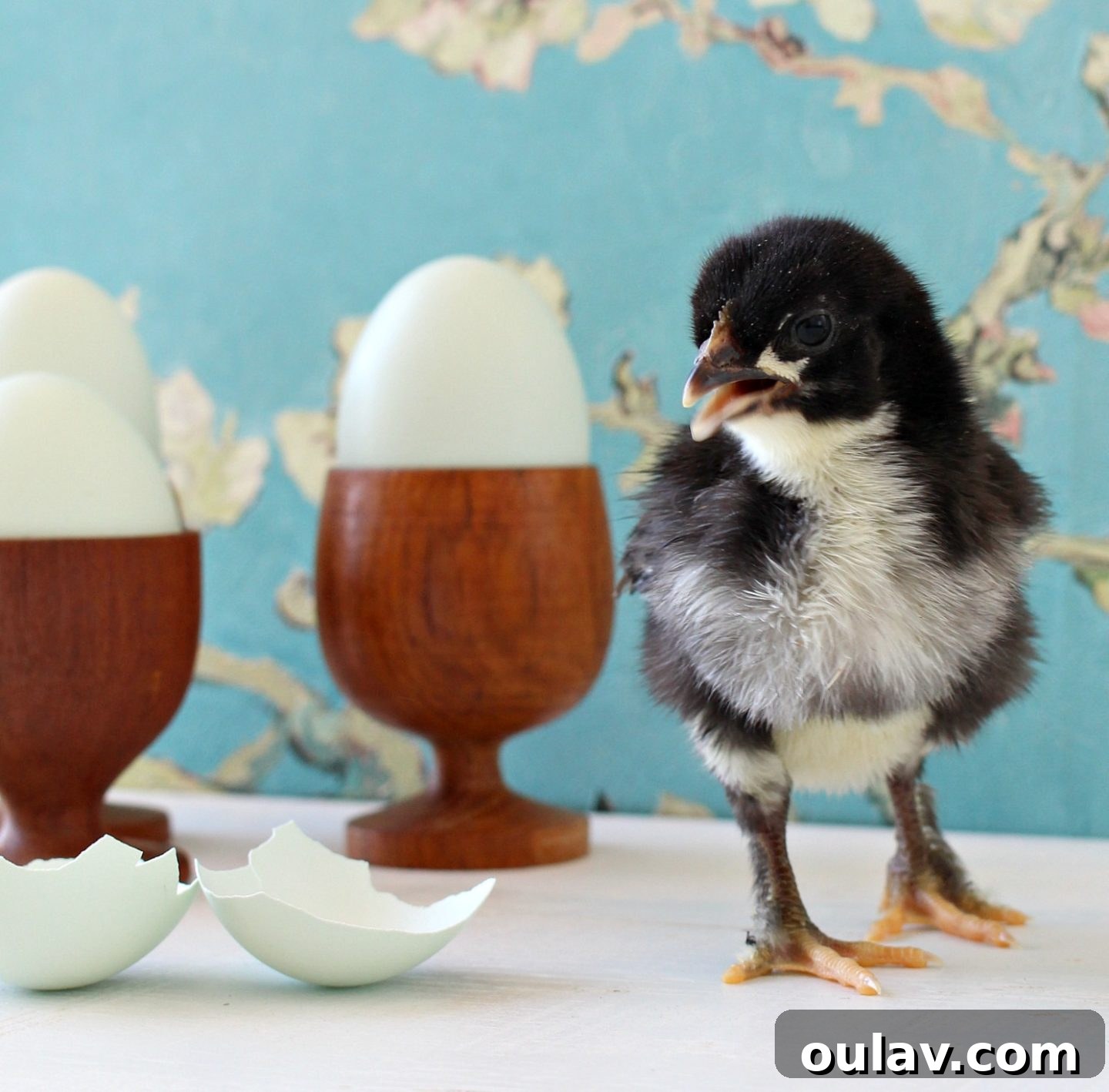
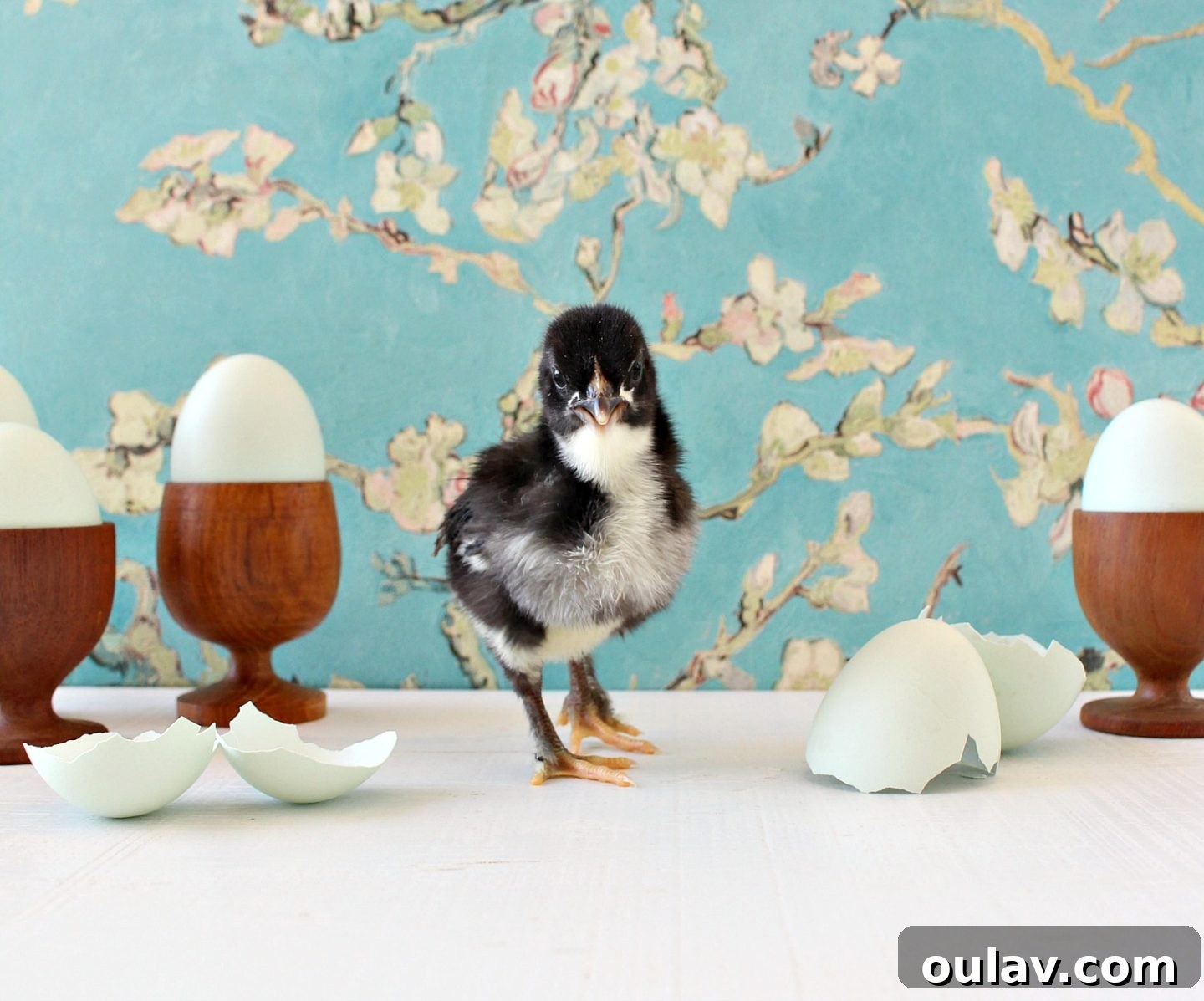
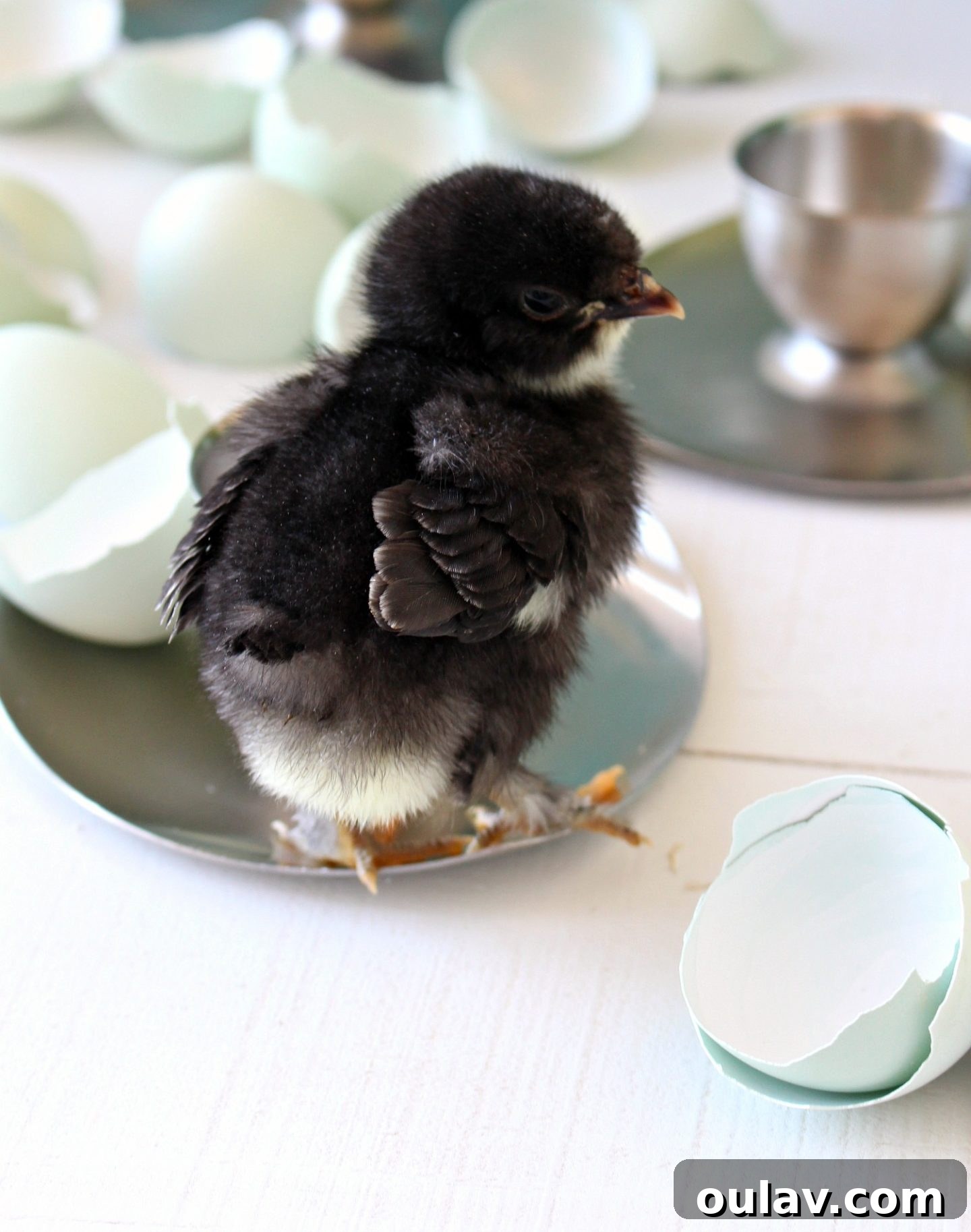
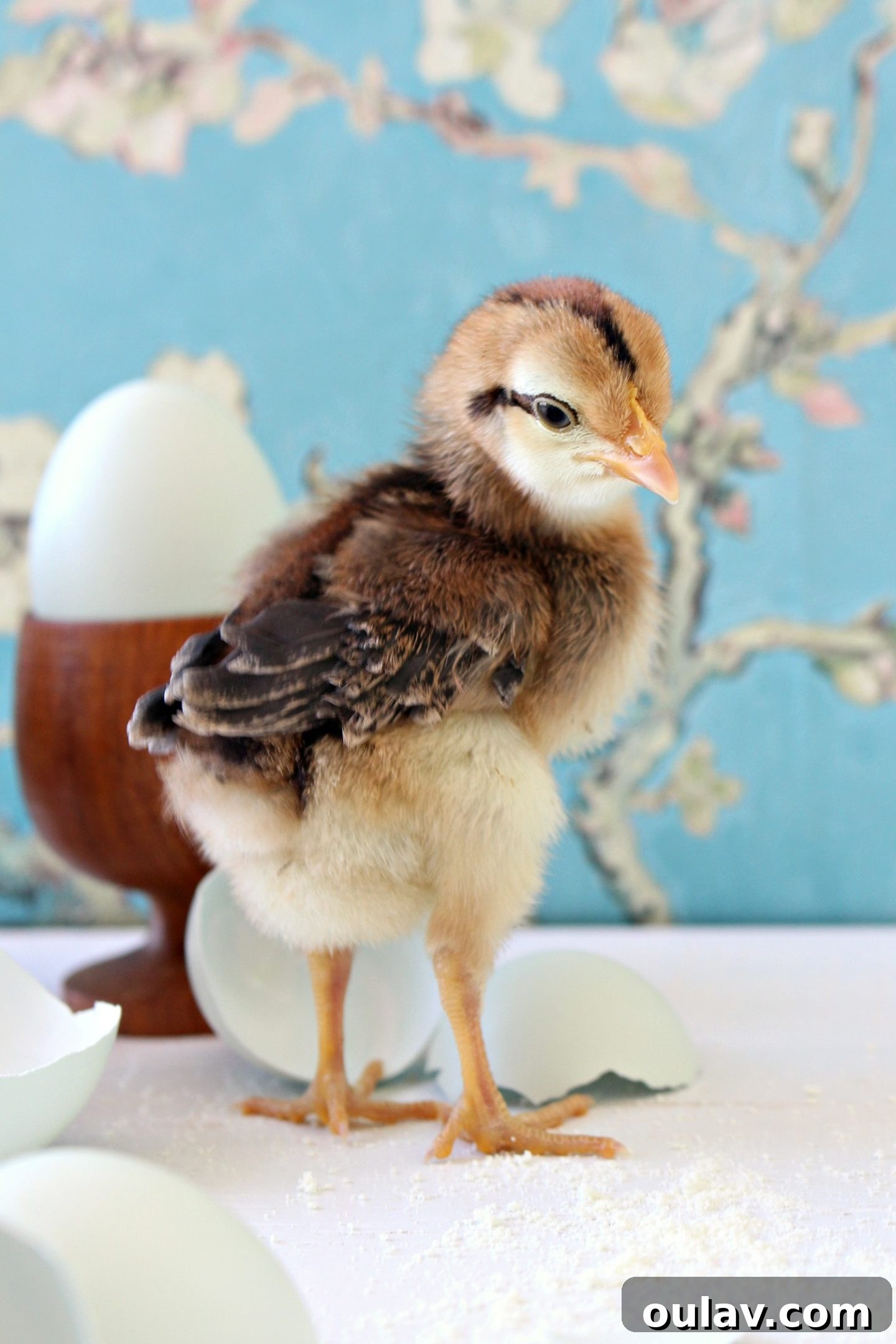
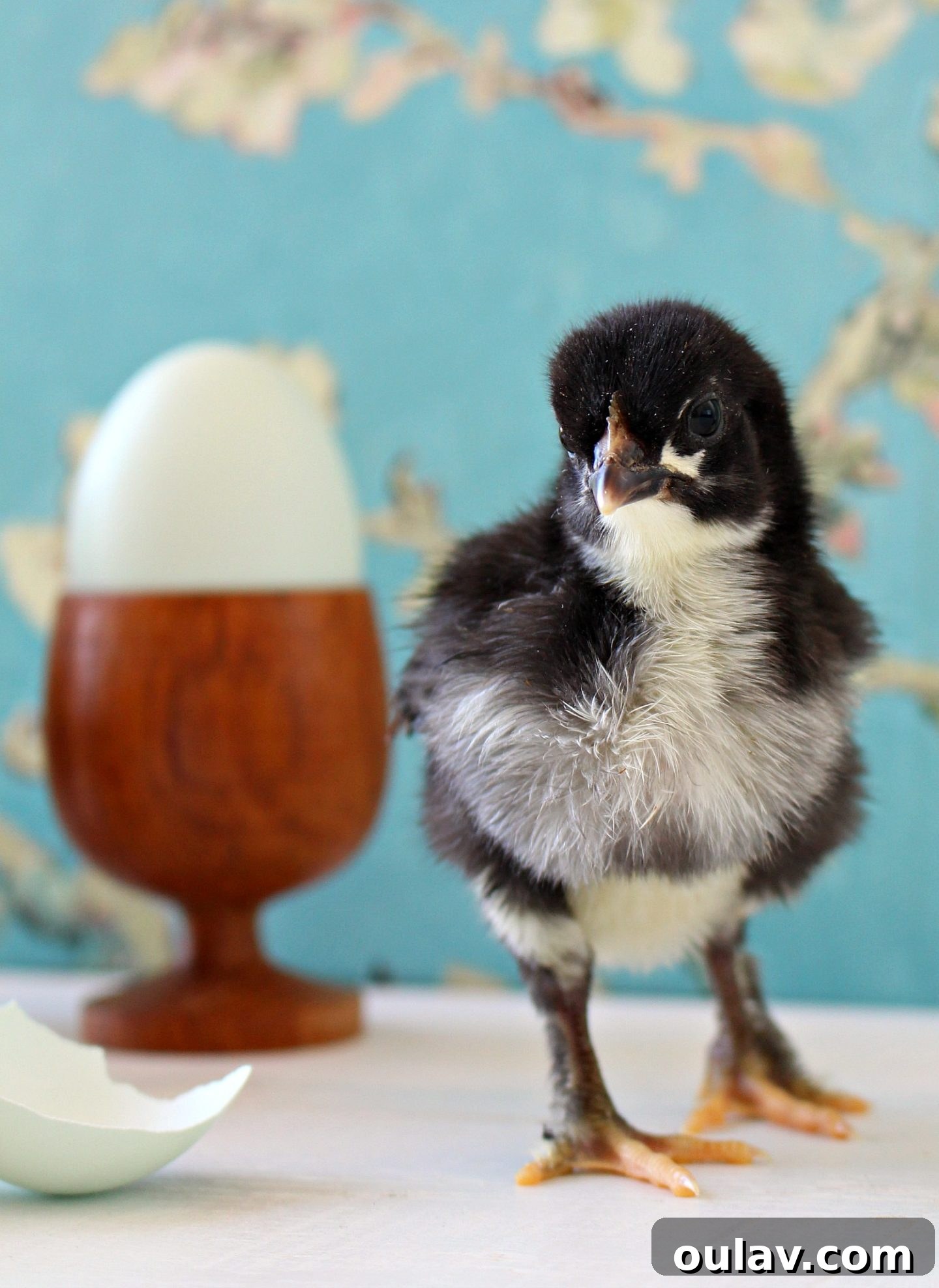
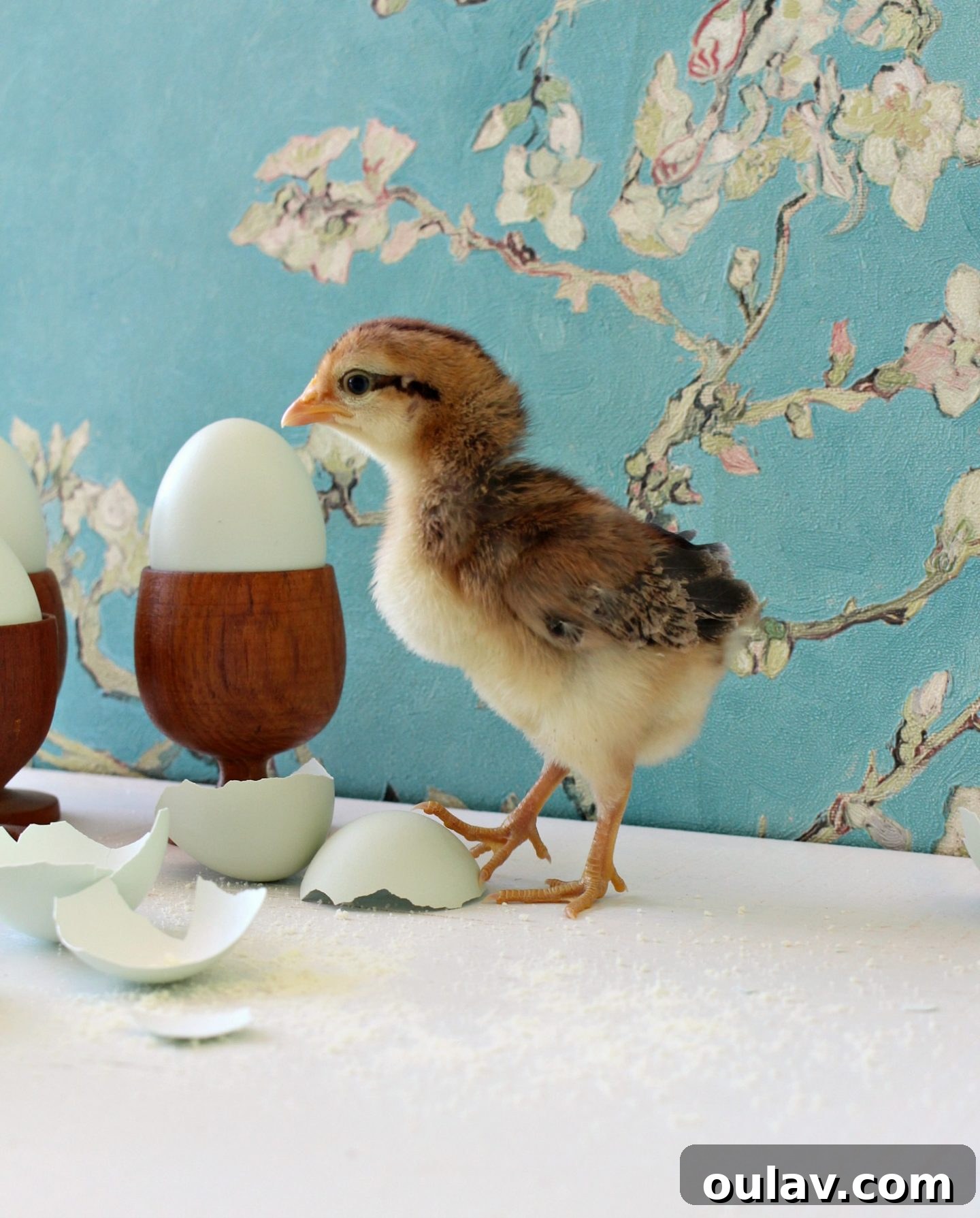
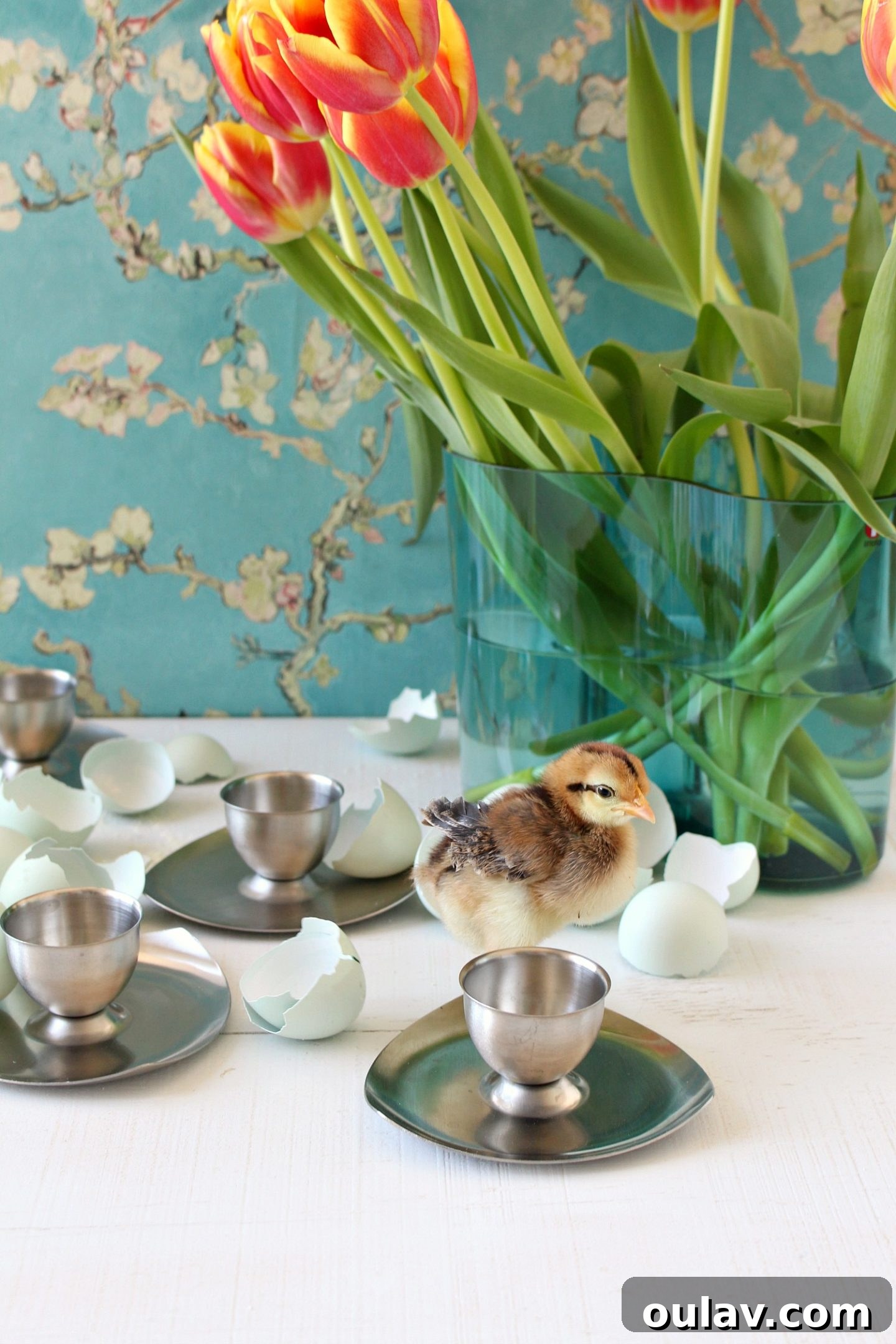
Here, an egg cup serves as a whimsical scale, hilariously emphasizing just how incredibly small and precious these new additions are, making their journey through life even more remarkable.
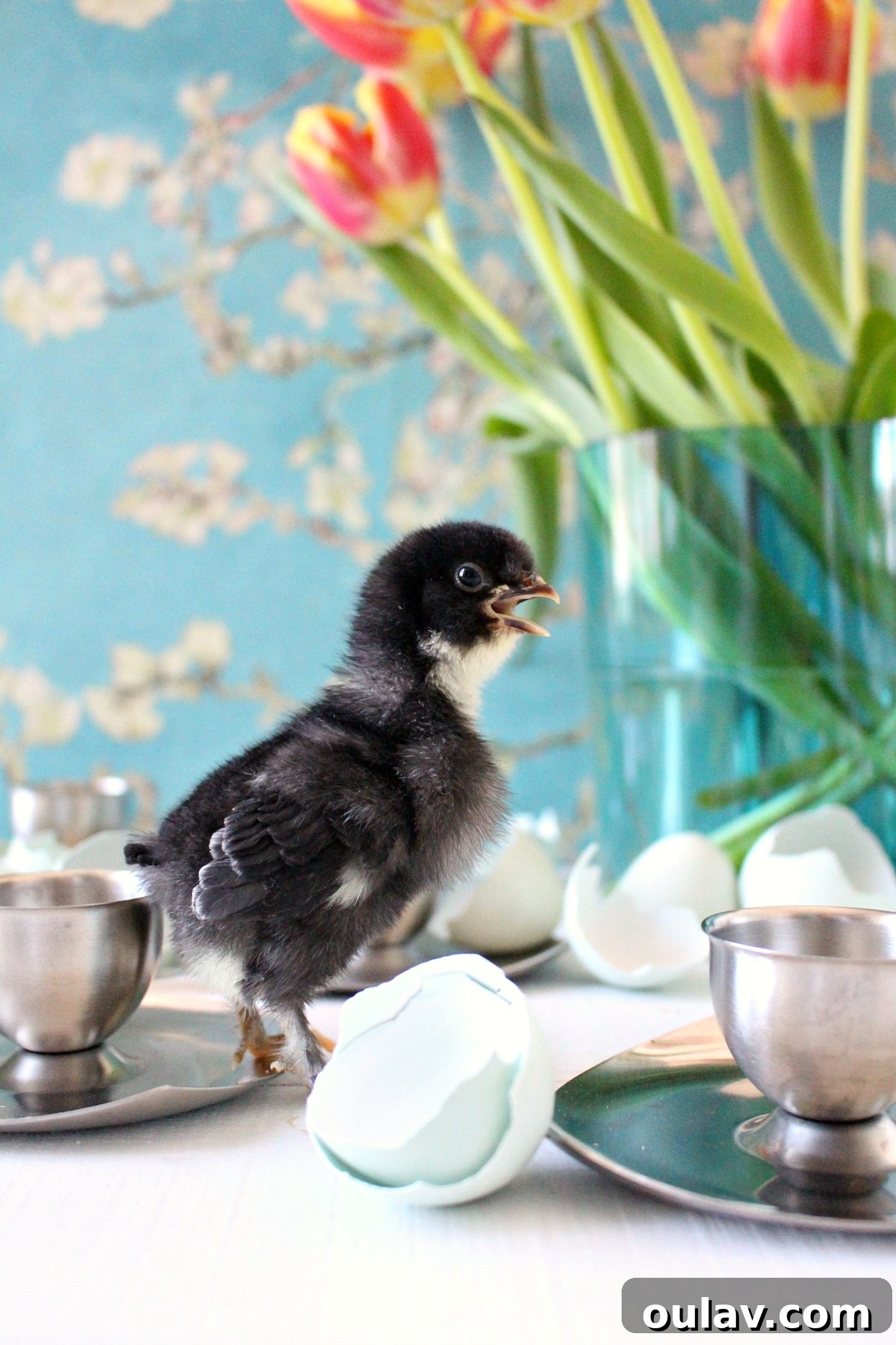
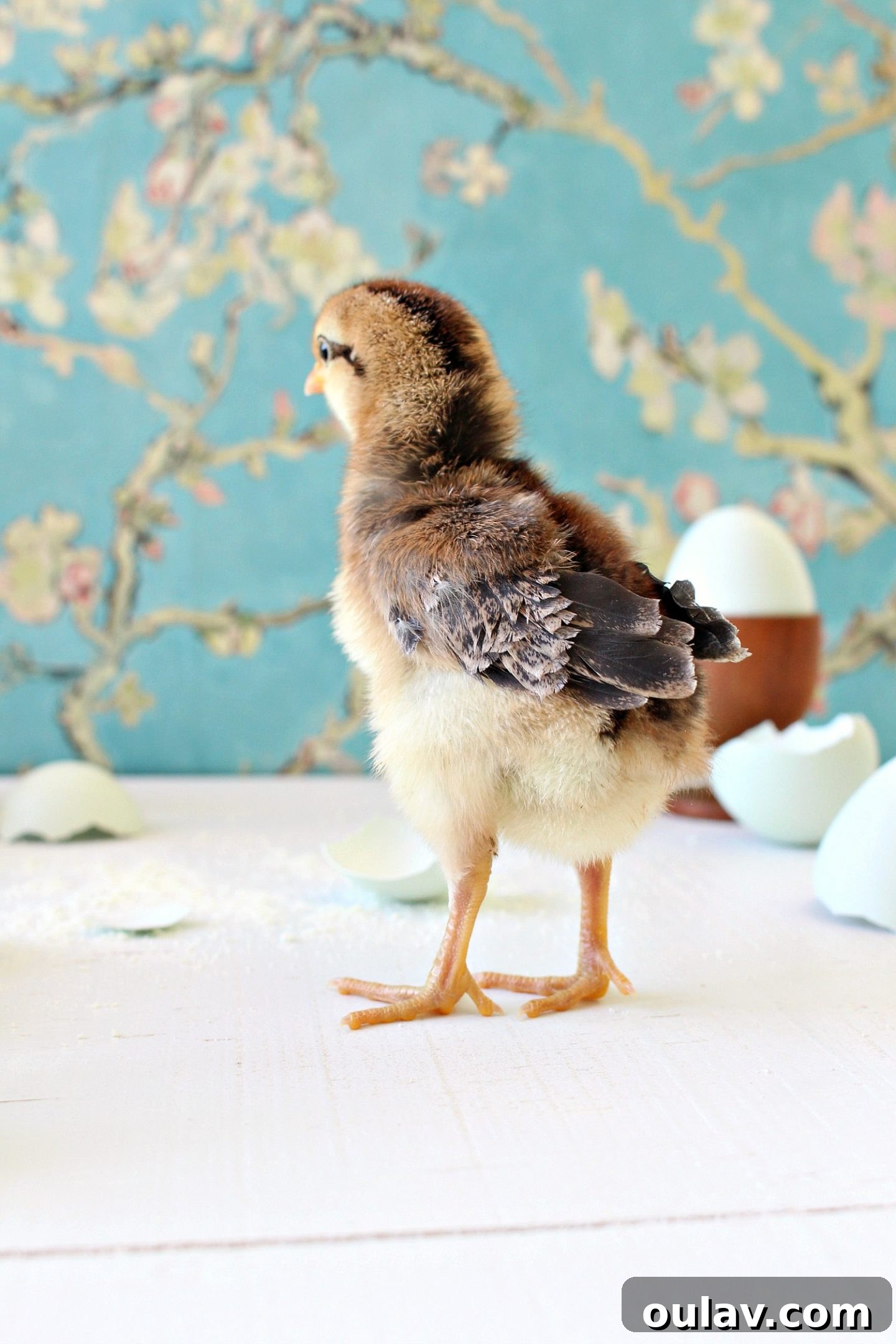
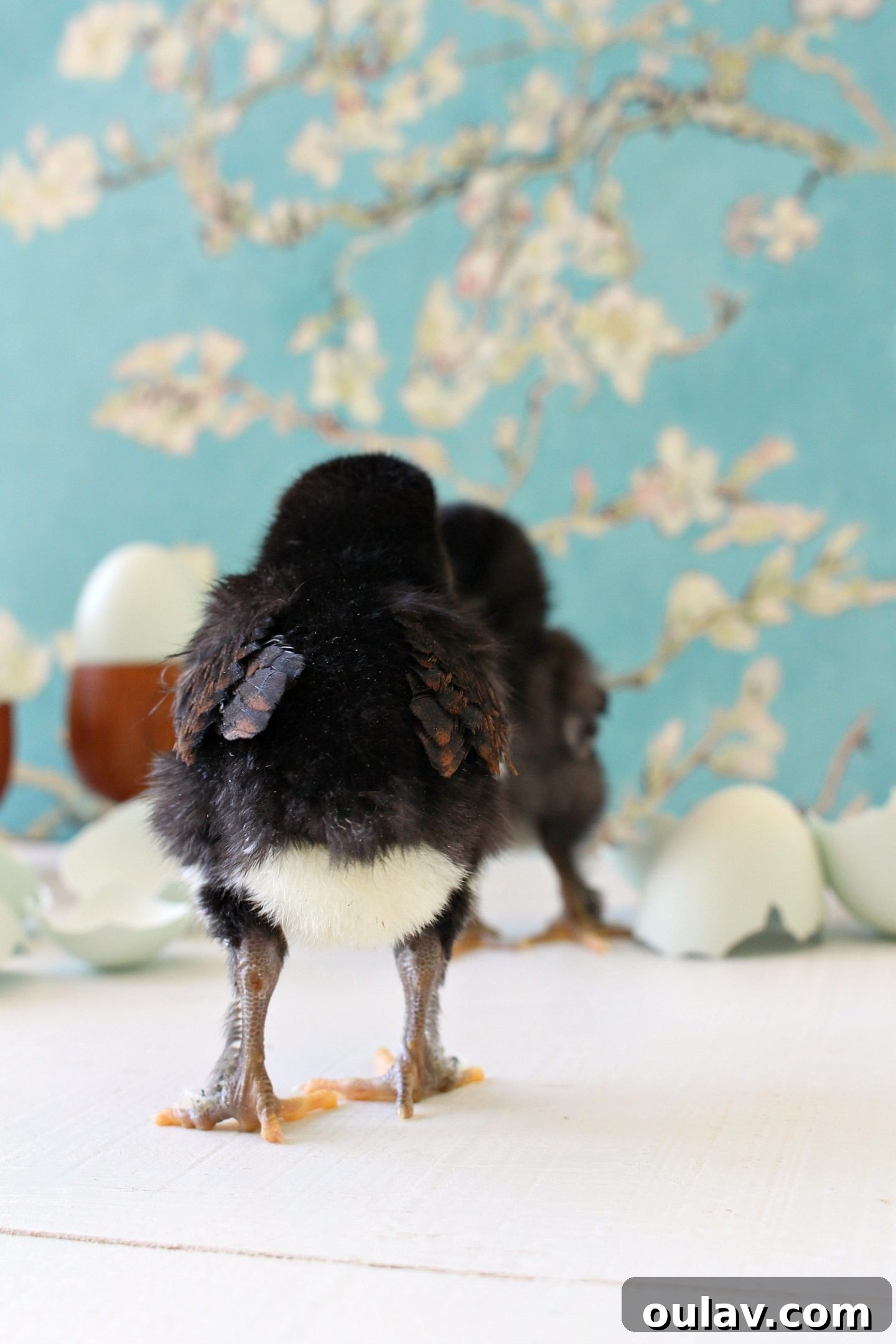
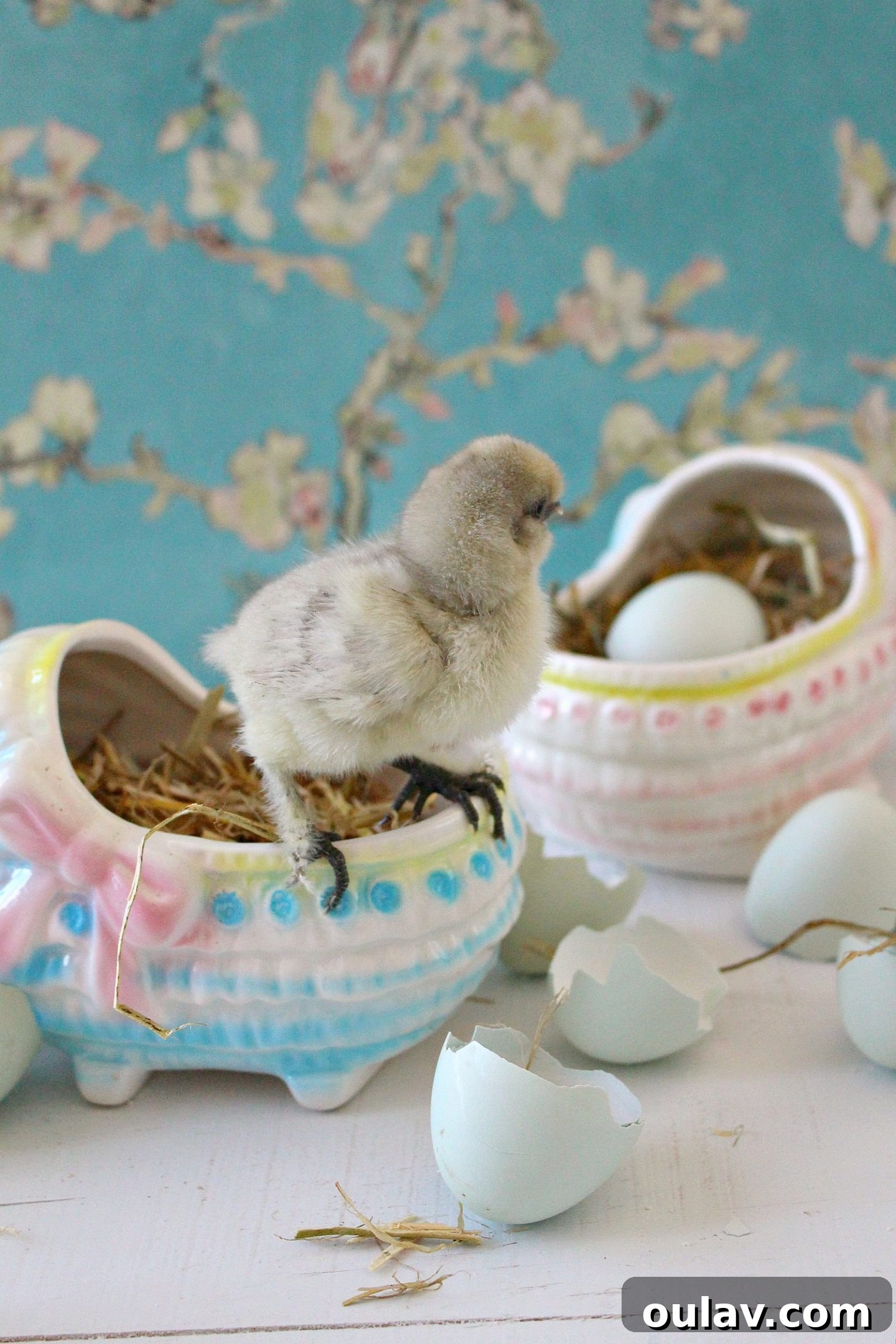
It’s a universally acknowledged truth that gazing upon fluffy chick butts can instantly dispel any lingering sadness, stress, or worry. It’s a scientific fact, or at least it should be! These little fluffballs seem to have a penchant for turning their backs, as if mooning their adoring audience, showcasing their perfectly round, soft posterior plumage. There’s an undeniable charm in these tiny, waddling wonders.
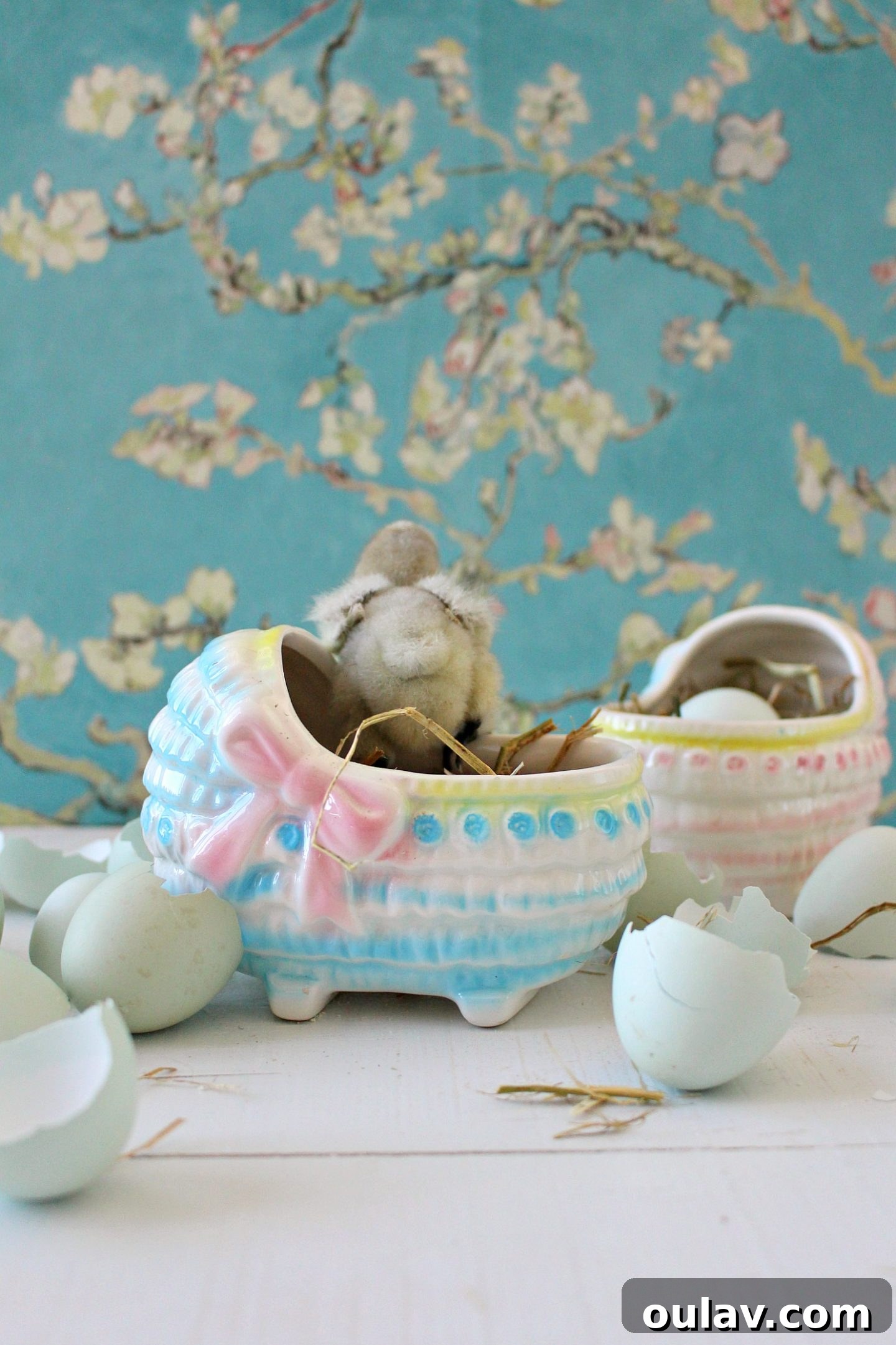
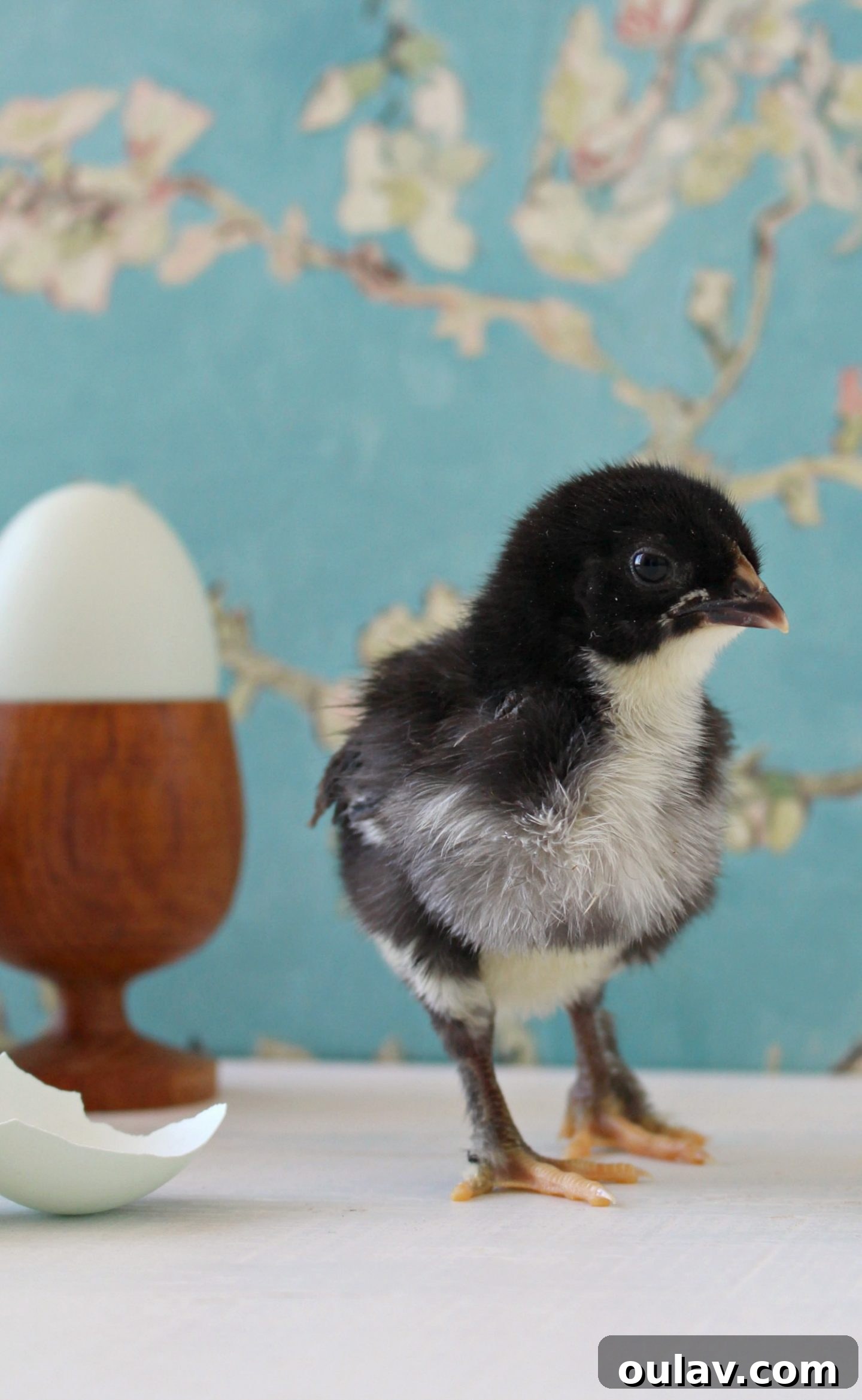
When they’re not flashing their fluffy derrières, baby chicks often strike what I affectionately call the “angry birds” pose. It’s truly a toss-up between these two classic stances for their preferred photographic moment!
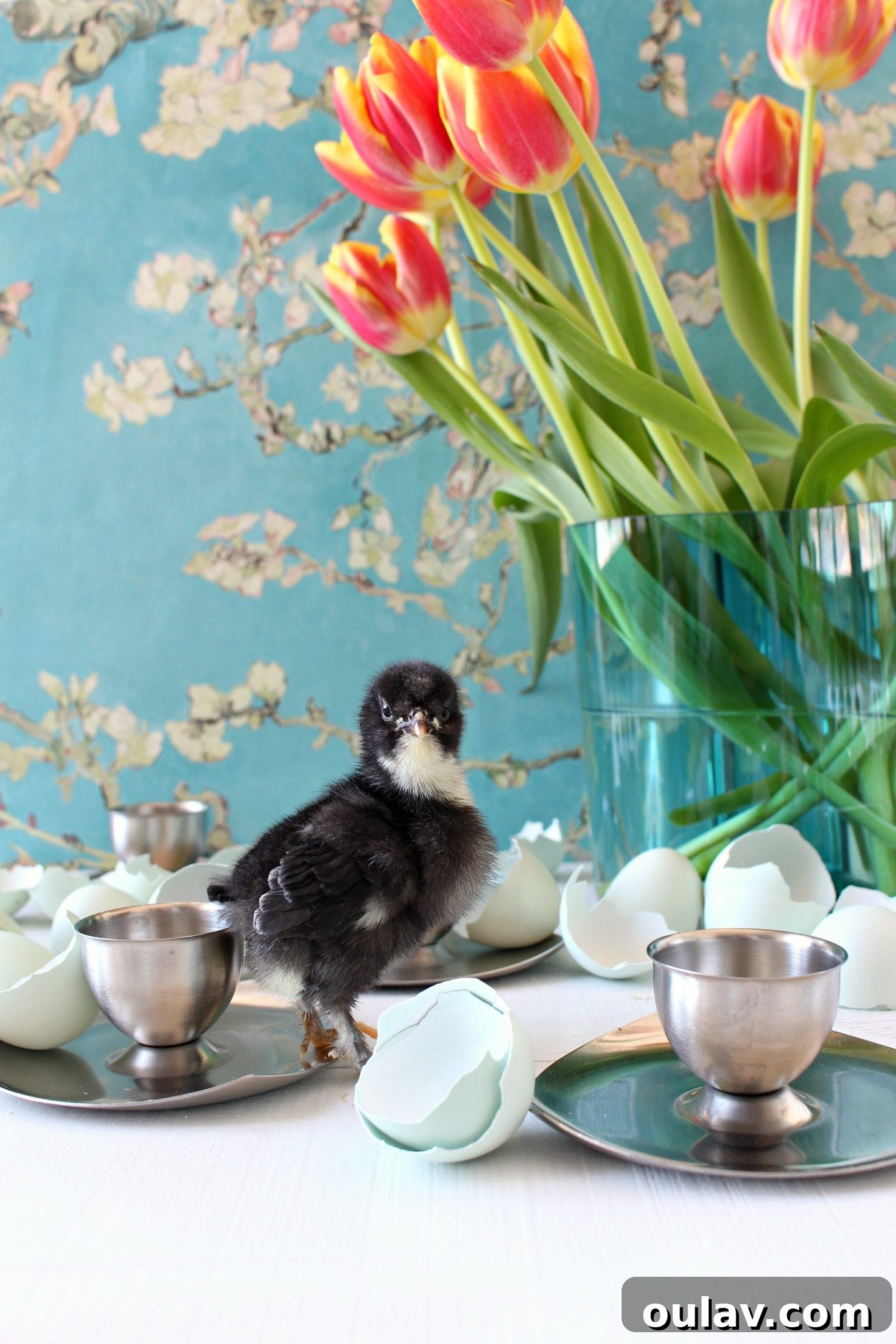
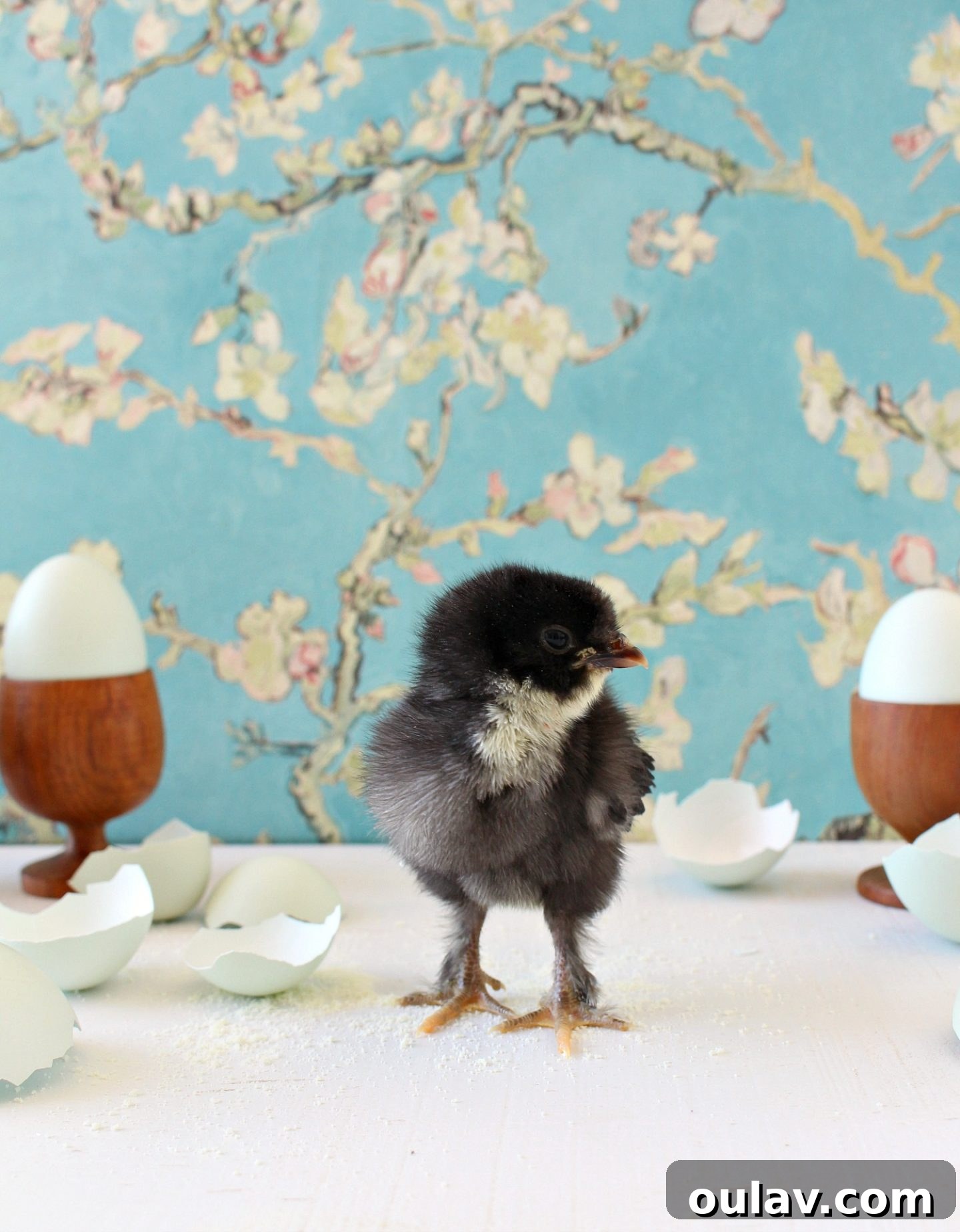
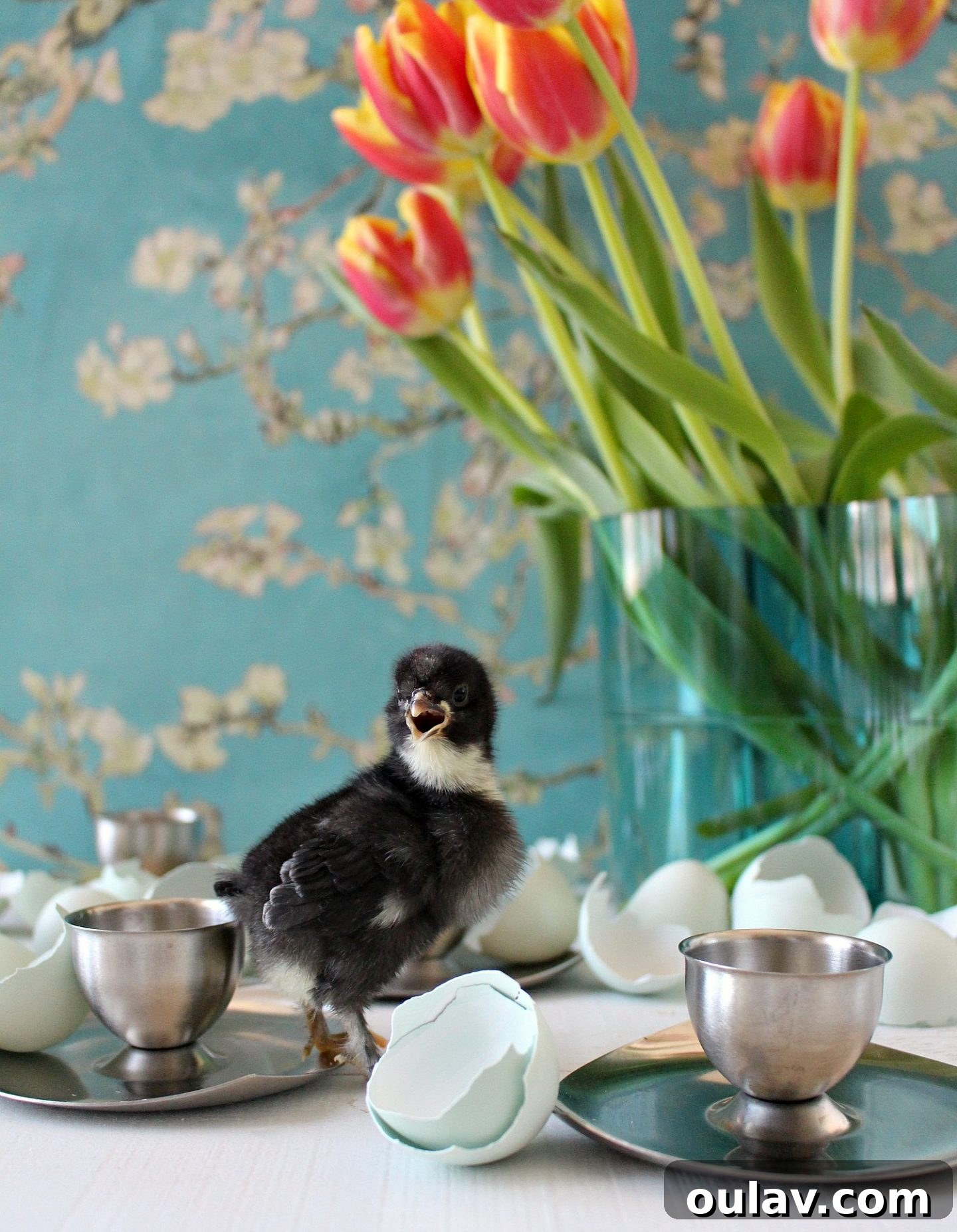
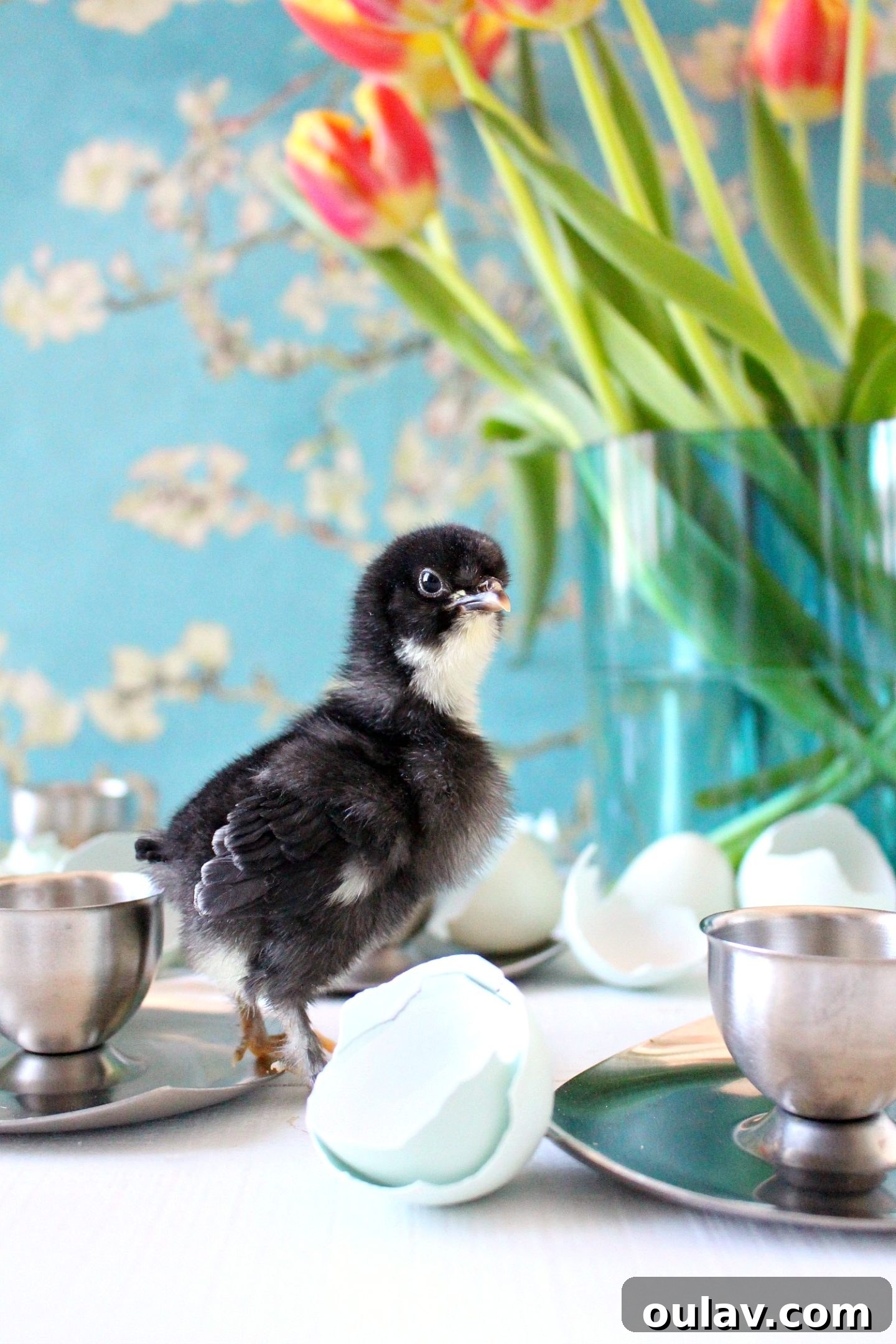
This particular chick, with its strikingly similar features, immediately brings to mind our rooster, Pewter. Look closely at that tiny, developing comb – it’s a tell-tale sign that this little one might very well be a future rooster. With such a sweet face, this potential heartbreaker will undoubtedly grow into a handsome, charismatic bird, perhaps even ruling the roost!
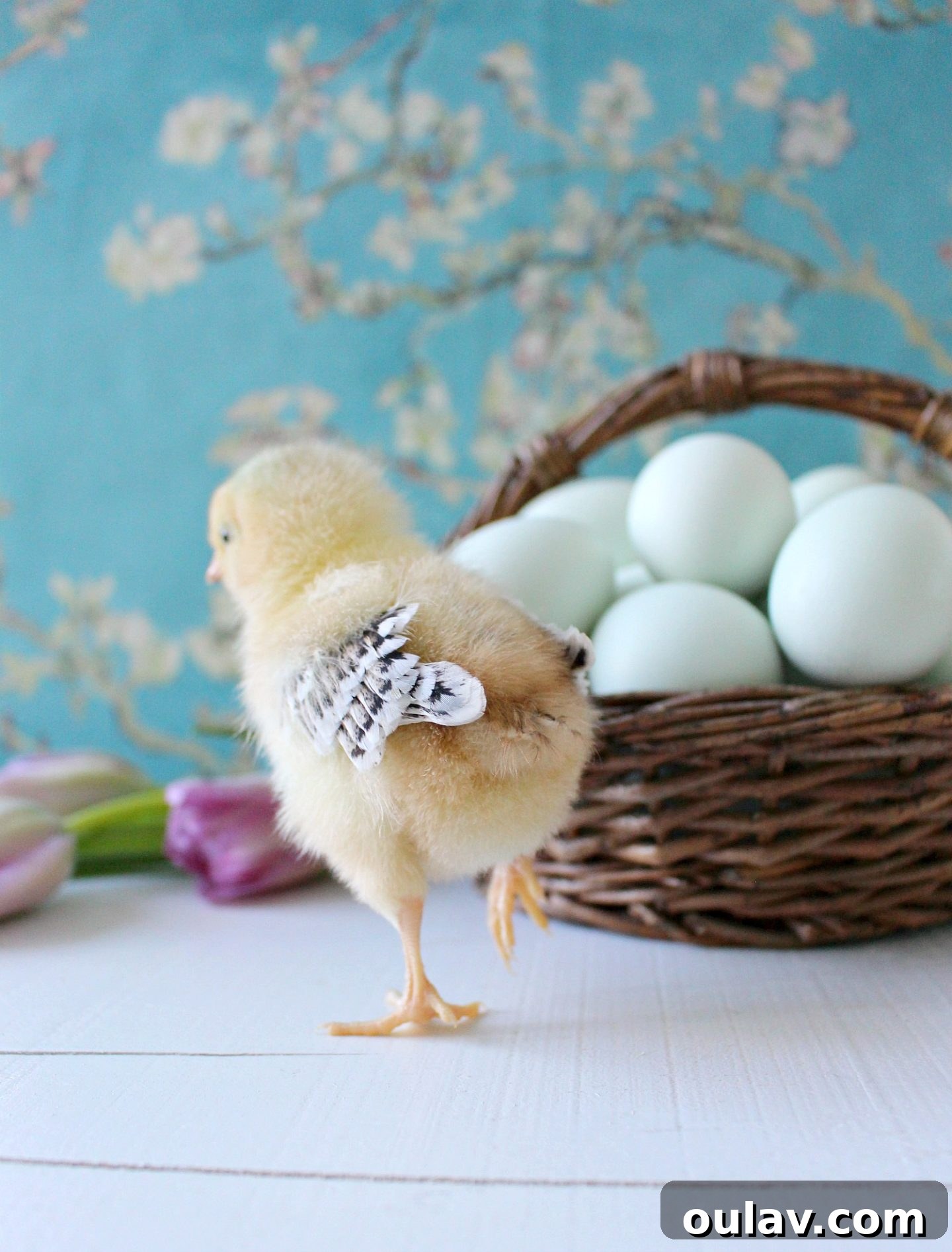
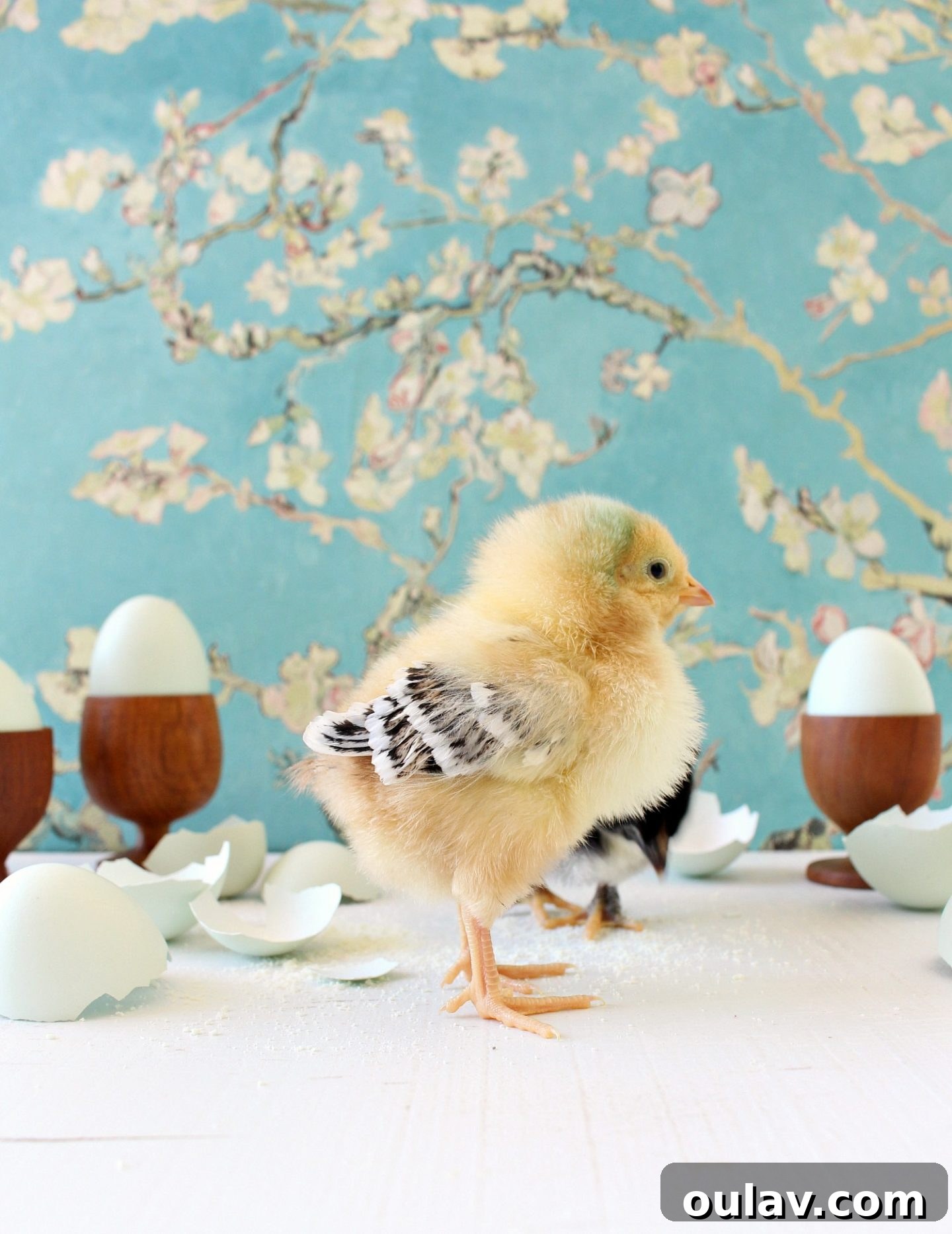
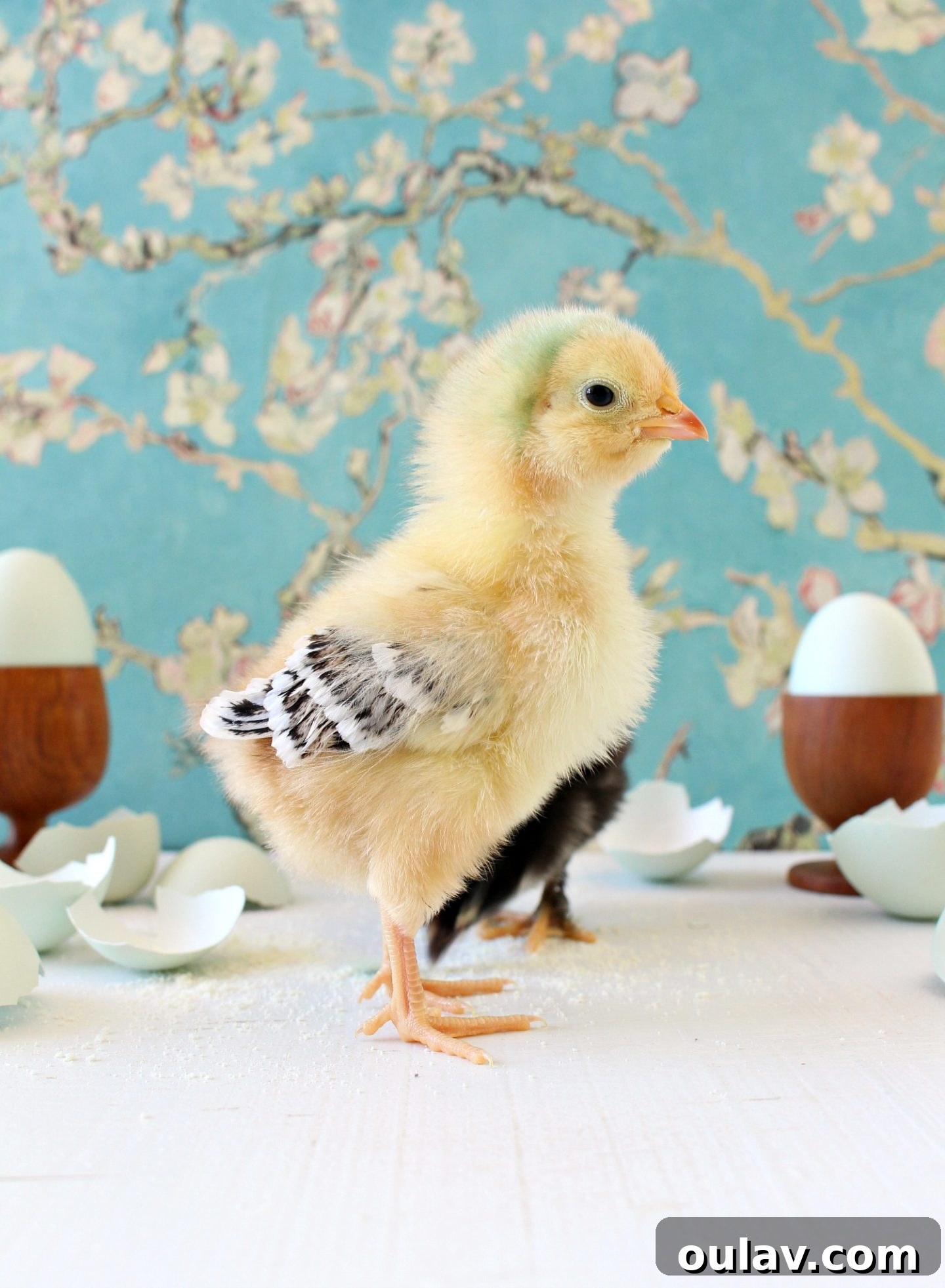
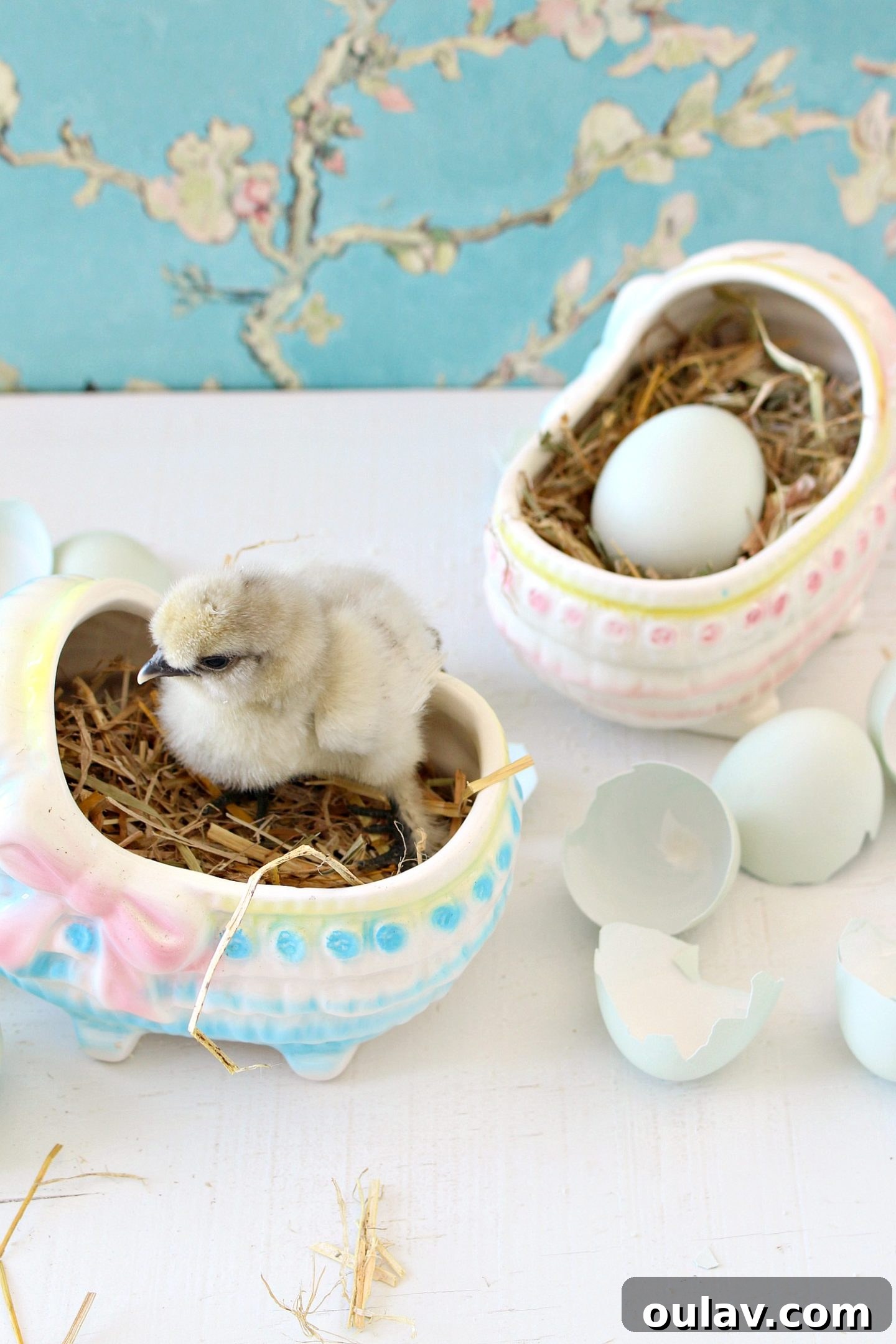
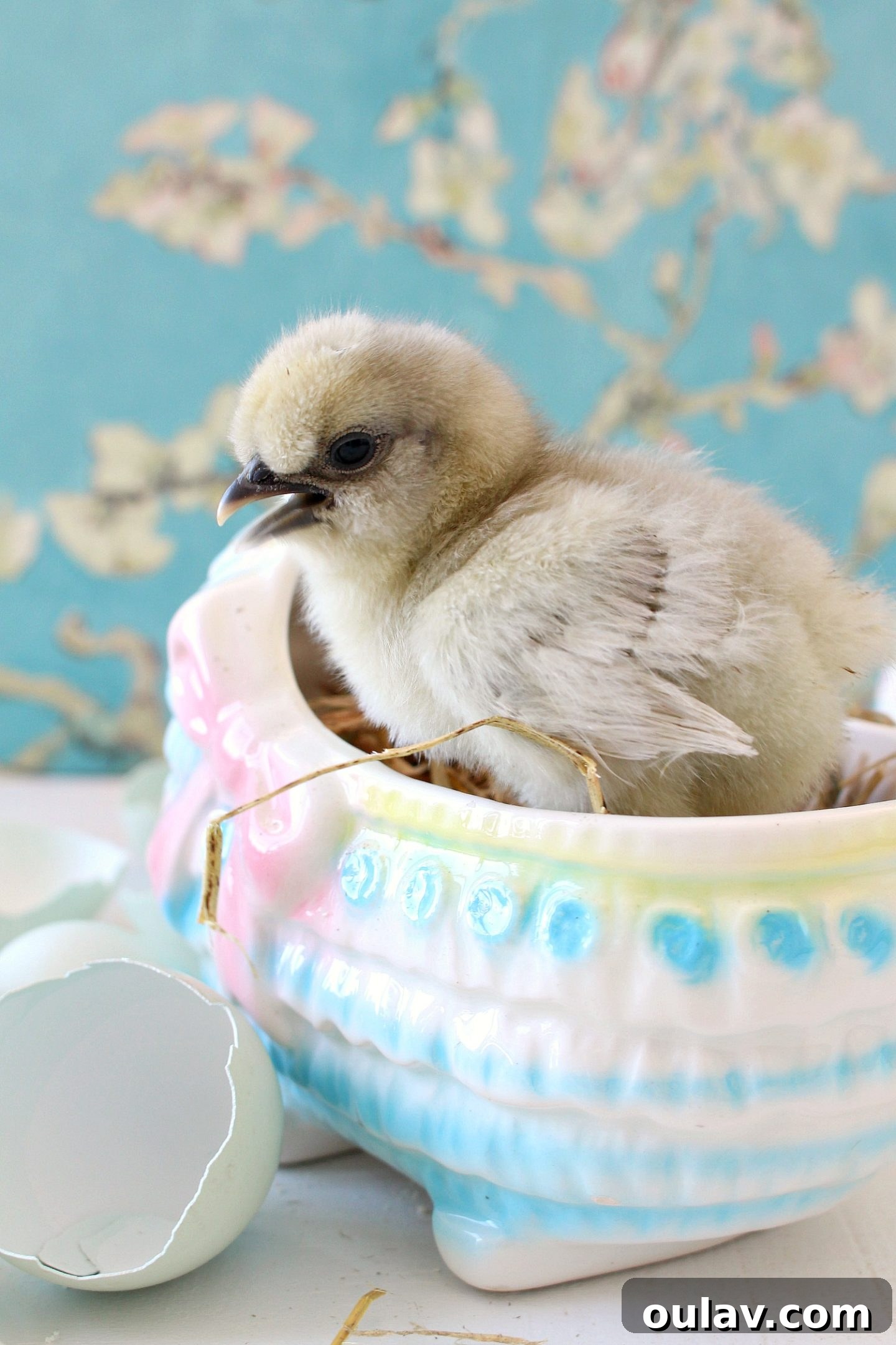
Unlike our previous batch, which was predominantly composed of sleek black baby chicks with the exception of one charming yellow Silkie, this current flock boasts a delightful variety. Seeing this bright yellow peeper brings such joy! I’m not yet certain of her specific breed, but she shares the same vibrant yellow down as the sweet chick we sadly lost, a reminder of both the beauty and fragility of these creatures.
Introducing the Diverse Flock: A Symphony of Breeds
This time around, I intentionally ordered a wide array of chicken breeds, eager to introduce more color, character, and diversity to our backyard flock. It’s always an adventure trying to identify them when they are so tiny! The current peeping collective includes: 2 Golden Cuckoo Marans, known for their stunning dark brown eggs; 2 Black Copper Marans, also famed for their rich, chocolate-colored eggs and striking appearance; 2 Whiting True Greens, promising beautiful blue-green eggs; 2 Cream Legbars, renowned for their auto-sexing ability and sky-blue eggs; 2 Swedish Blue Hens, adding another dimension of blue egg layers; 2 Speckled Sussex, a heritage breed celebrated for their docile nature and excellent egg production; 2 Silkies, with their unique fluffy appearance and calm demeanor; and 2 Barnevelders, admired for their beautiful dark brown, sometimes speckled, eggs. While I can’t definitively identify the breeds of the three chicks we lost, I know for certain they weren’t Silkies, as those fluffy darlings are unmistakable from day one. As they grow, their distinct markings and feather patterns will become more apparent, making identification an exciting part of the process.
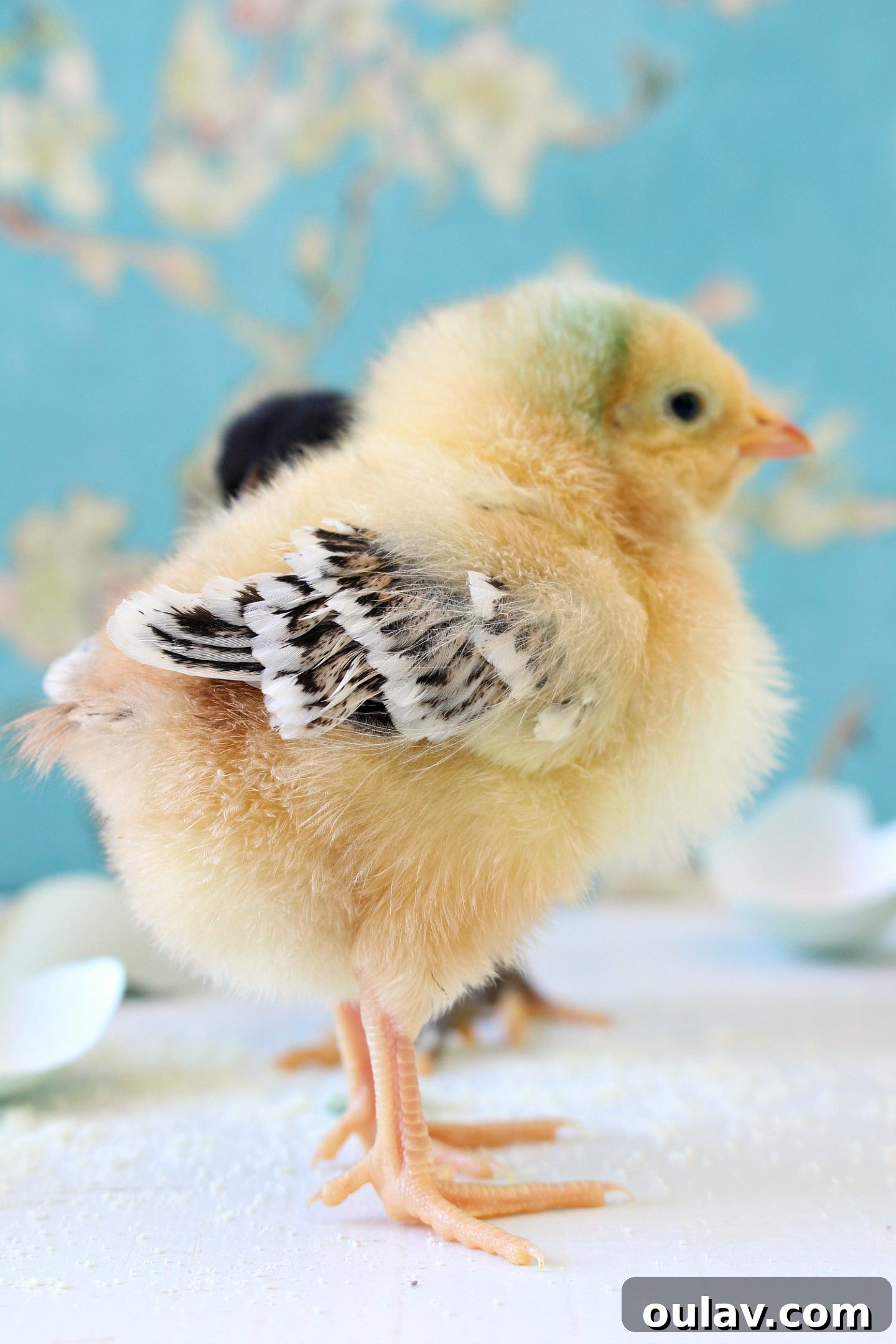
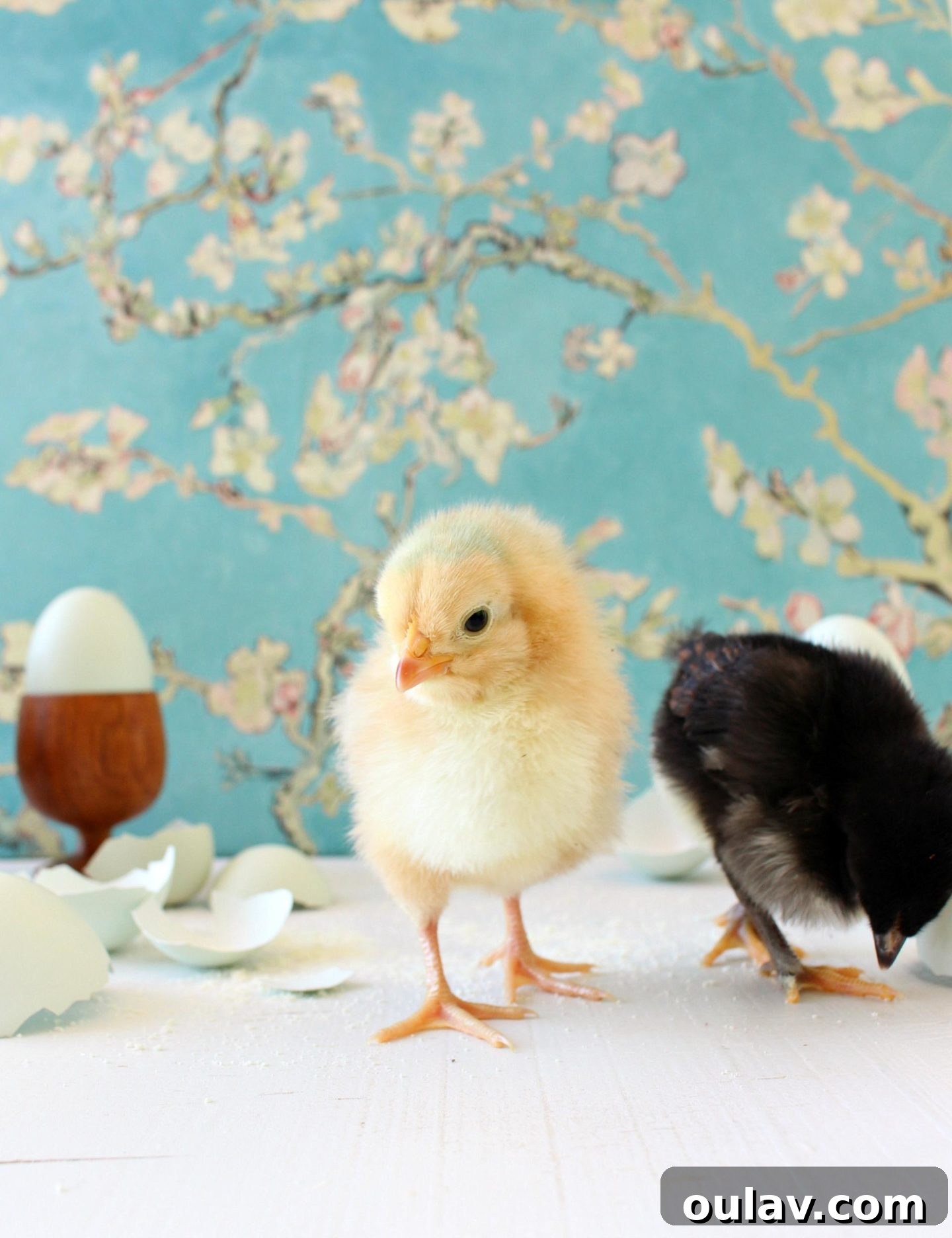
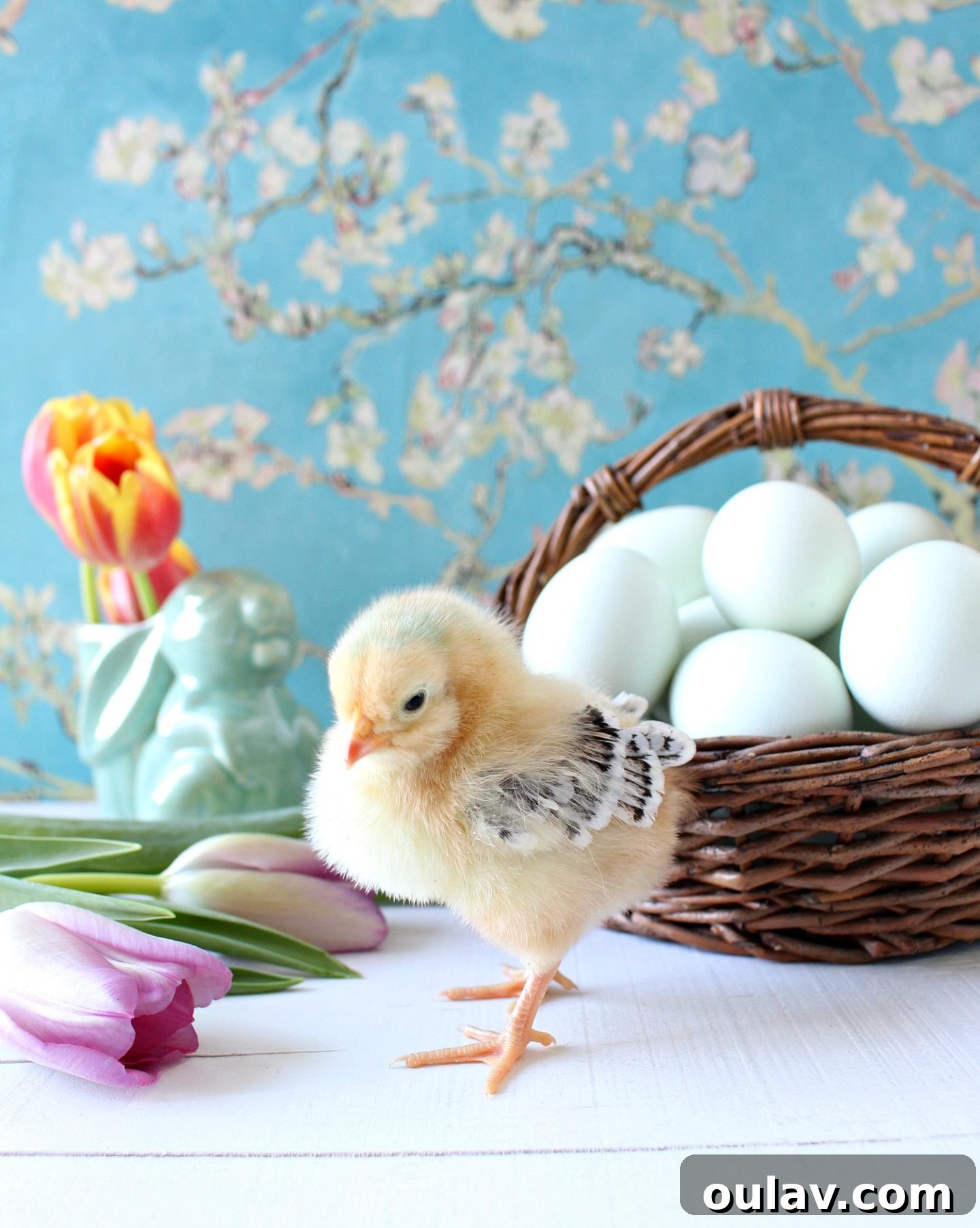
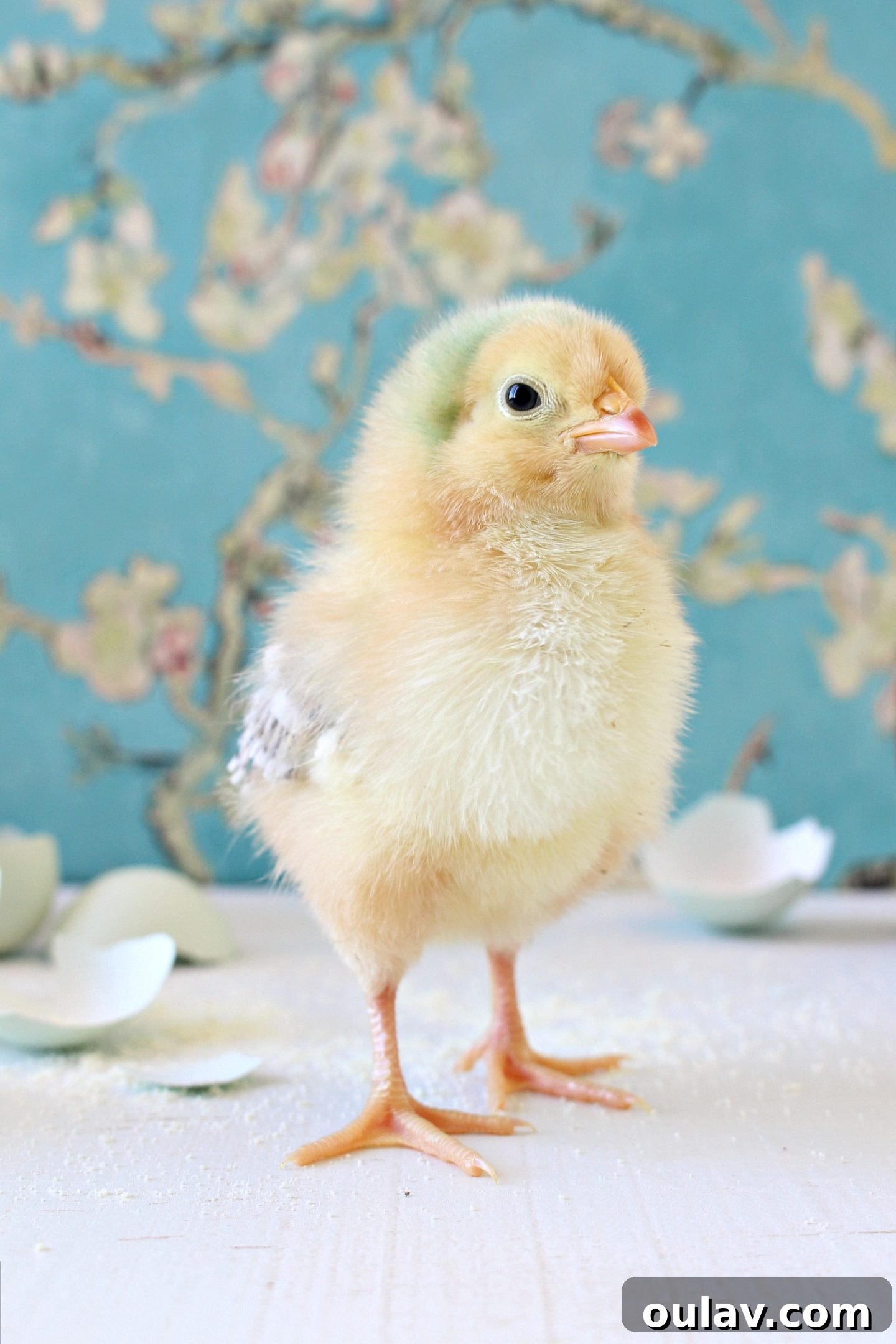
Among this lively group, some chicks immediately stand out. My husband humorously refers to a particular energetic bunch as the “chipmunks” due to their incredible activity levels. They are noticeably more hyper and prone to bursts of running than the other, calmer chicks. This spirited behavior makes me a little nervous, wondering what kind of wonderfully wild and crazy chickens they will eventually grow into!
The Silkie Saga: Companionship and Future Considerations
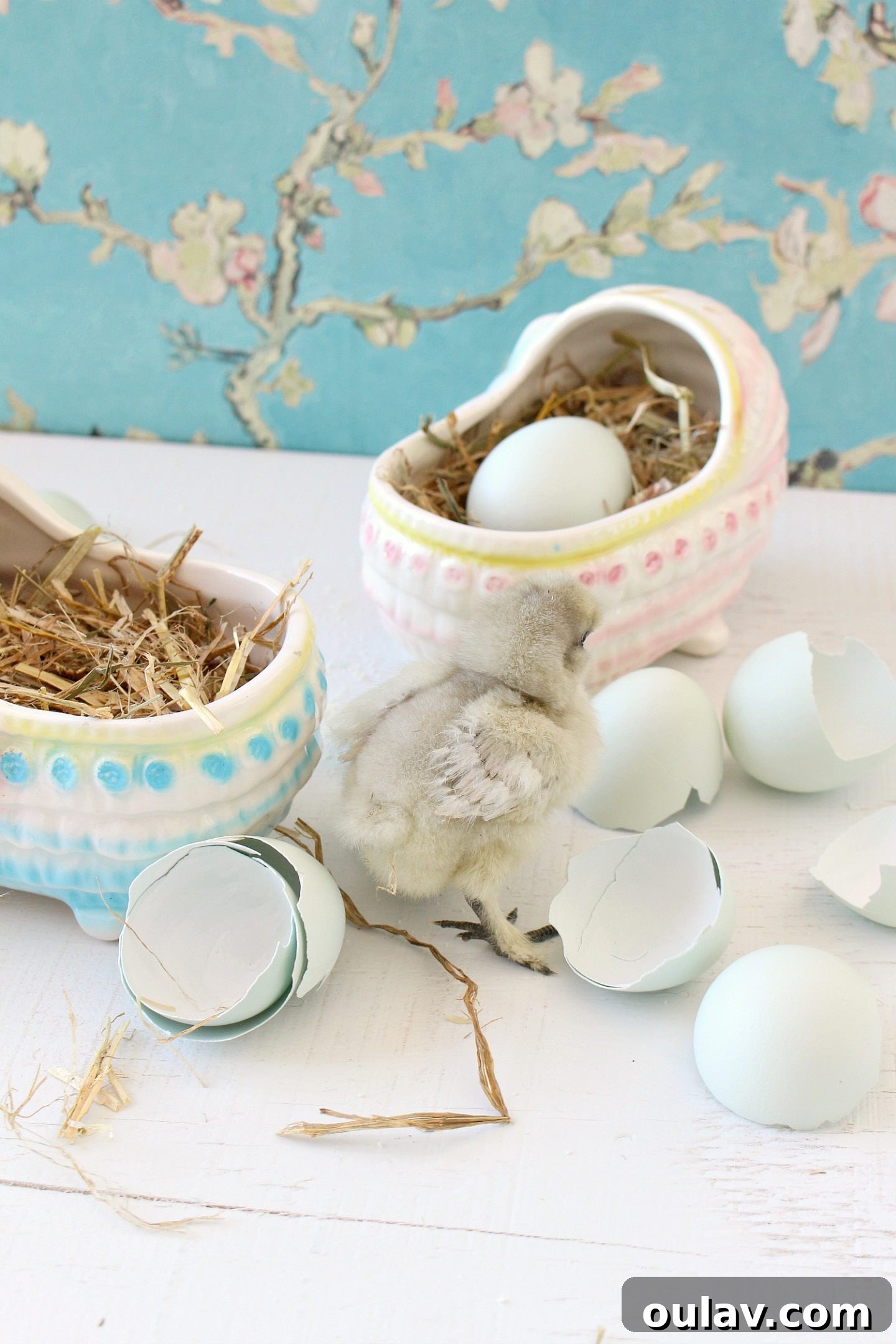
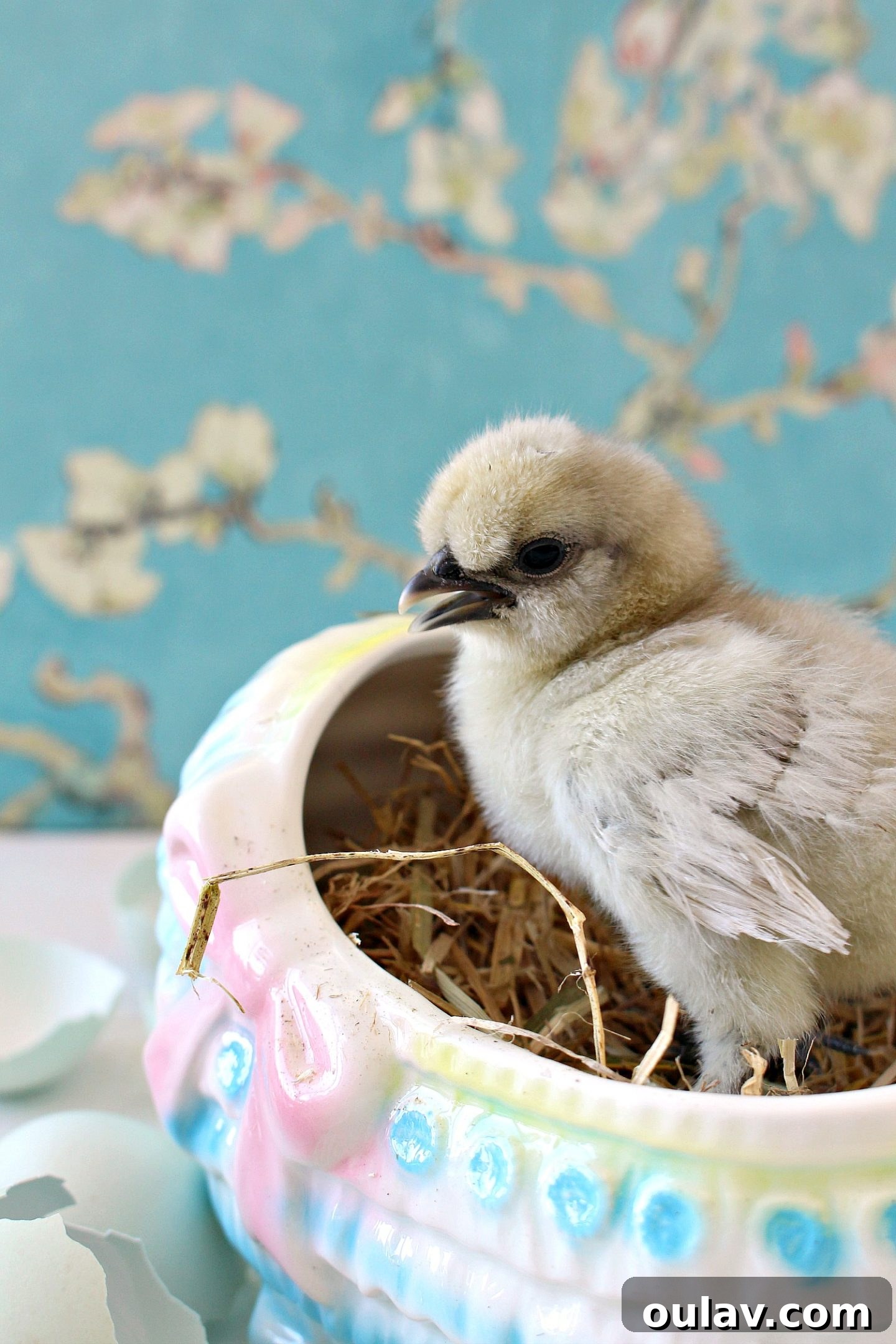
When I initially placed the order for this batch of chicks, our lovely Silkie hen, Coal, was exhibiting strong broody behavior. My delightful plan was to “trick” her into adopting some new chicks, providing her with a purpose and expanding our Silkie family. However, by the time the new chicks arrived, Coal’s broody spell had passed, and she was back to her usual, non-maternal self. Despite this, I had already ordered two fluffy Silkies, hoping they would provide companionship for Coal and add that special “real baby” feel to the flock with their unique appearance.
Currently, my husband has been gently urging me to re-home Pearl, our Silkie rooster. The thought of Coal being alone, however, weighs heavily on me. Silkies, known for their inability to roost high like other breeds, truly thrive with a buddy to huddle with for warmth and security in the coop. Before making any big decisions about Pearl, I’m eager to observe these two new Silkie chicks as they grow. I want to determine if either is a hen and, more importantly, how well they integrate and get along with Coal. Their future dynamics will play a crucial role in deciding the best course of action for our cherished Silkie family.
The Art (and Challenge) of Chick Photography
Taking photos of these wriggling, squirming, and incredibly fast chicks is far more challenging than it might appear! It’s a true test of patience and quick reflexes to capture their fleeting cuteness. My attempts often lead to “oopsie-daisy” moments, where the little subjects blur into a fluffy streak of motion. But every successful shot is a treasure.
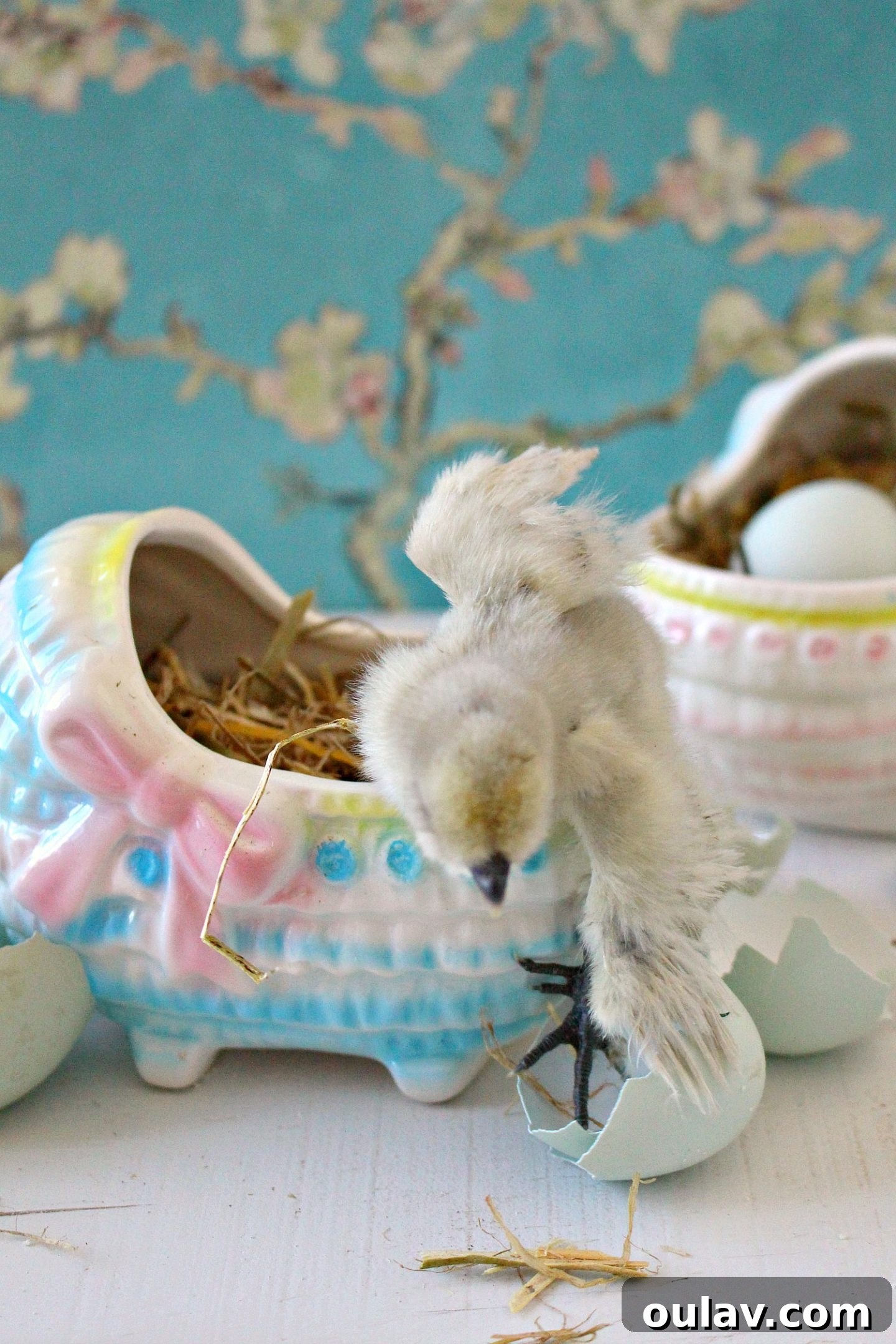
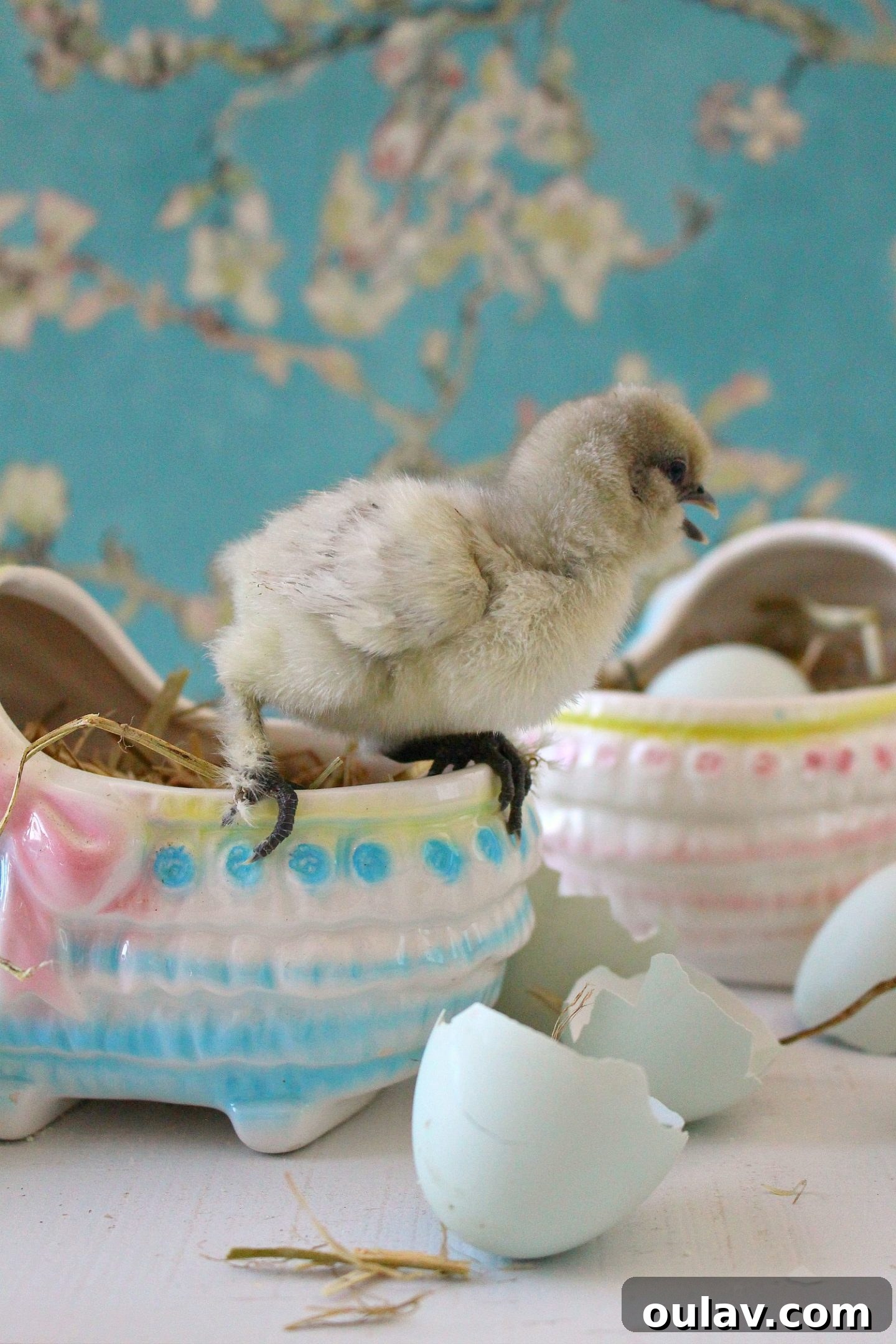
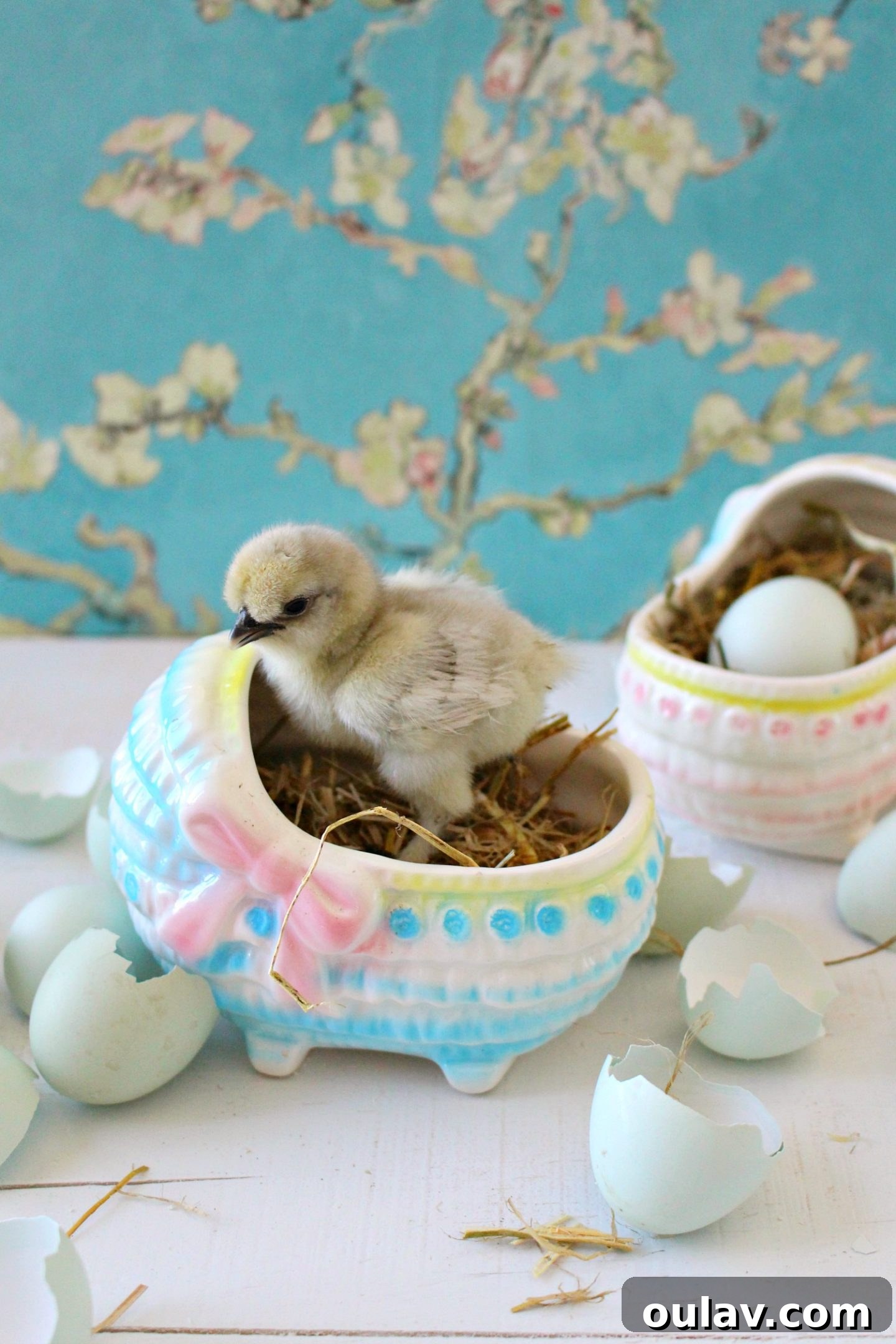
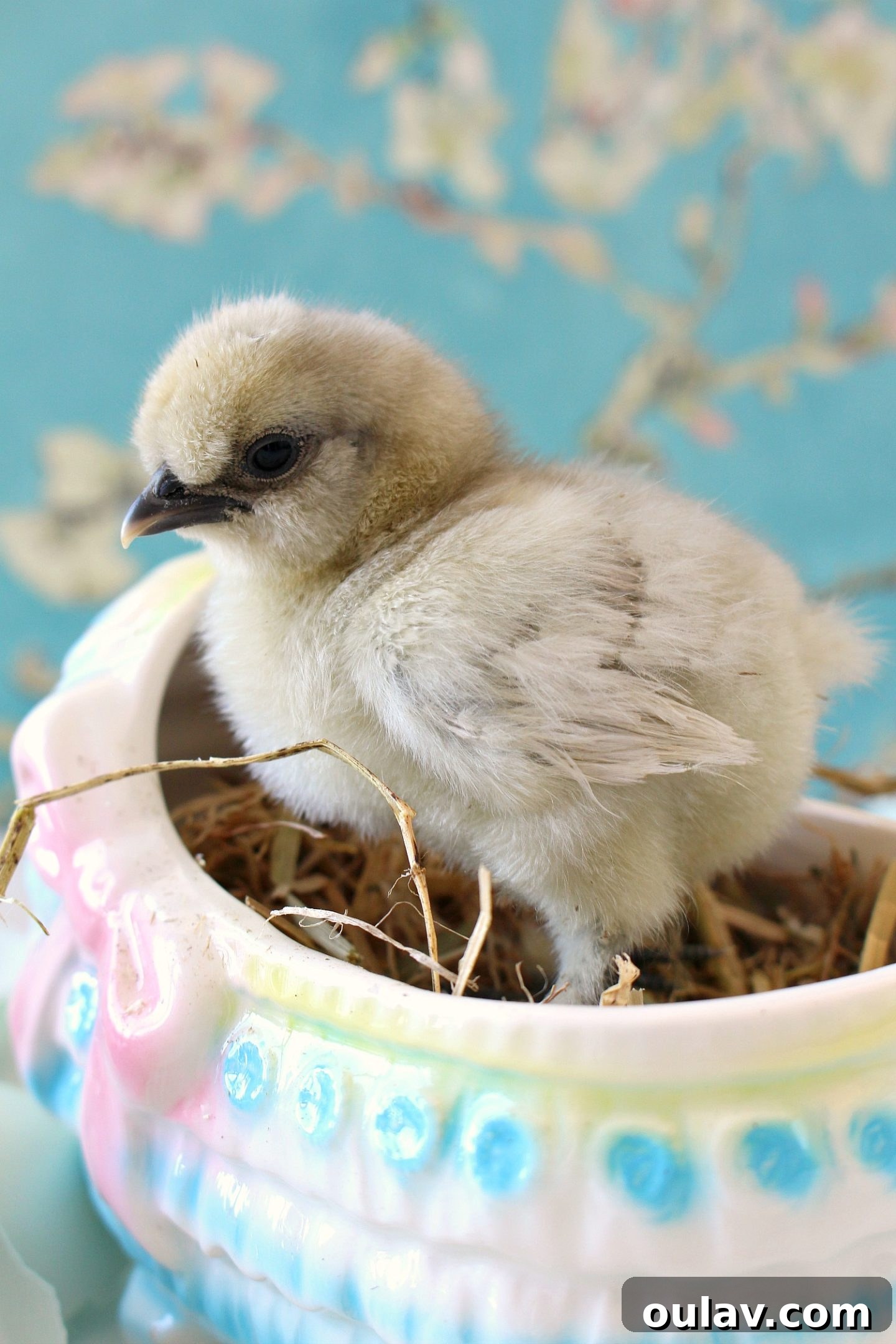
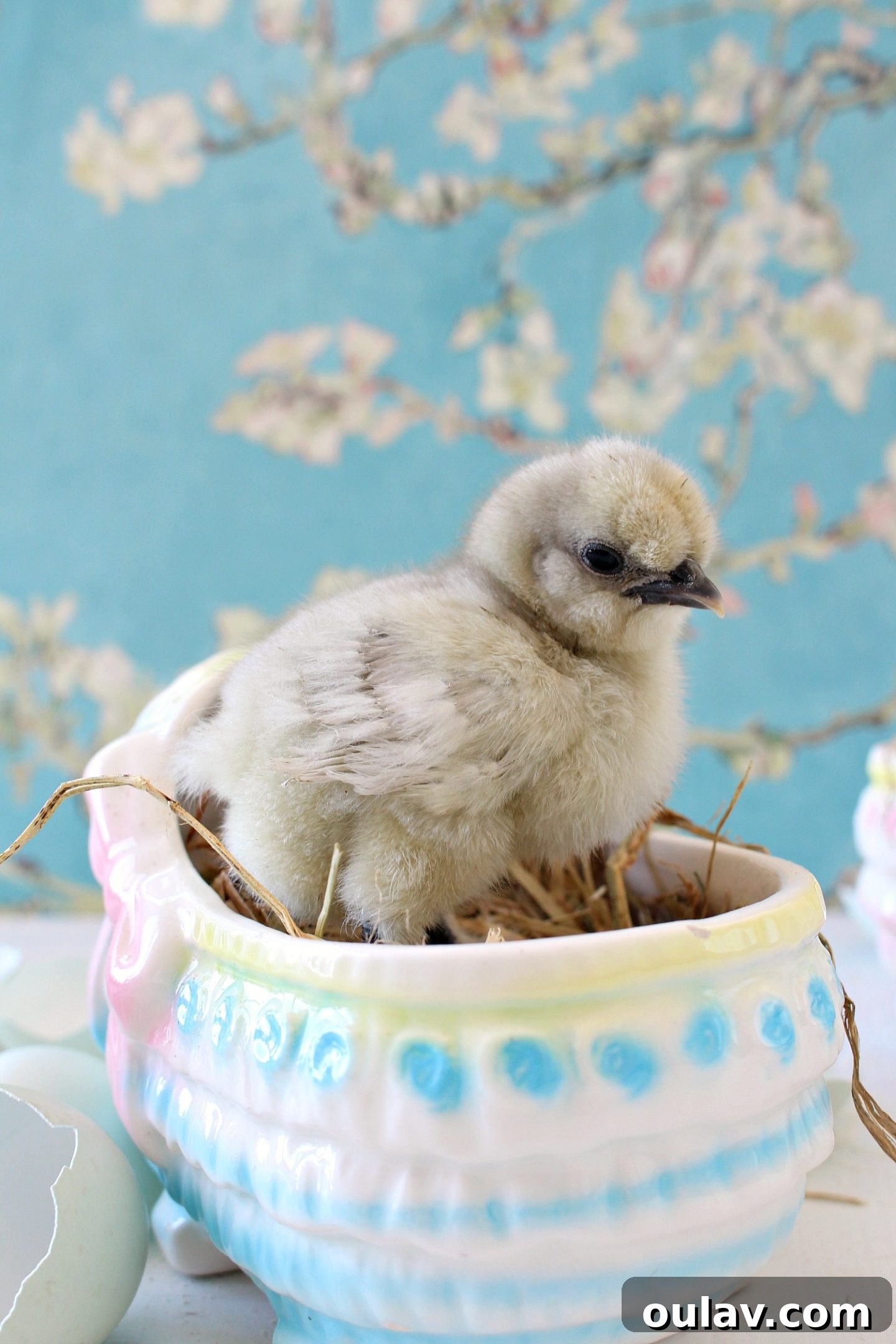
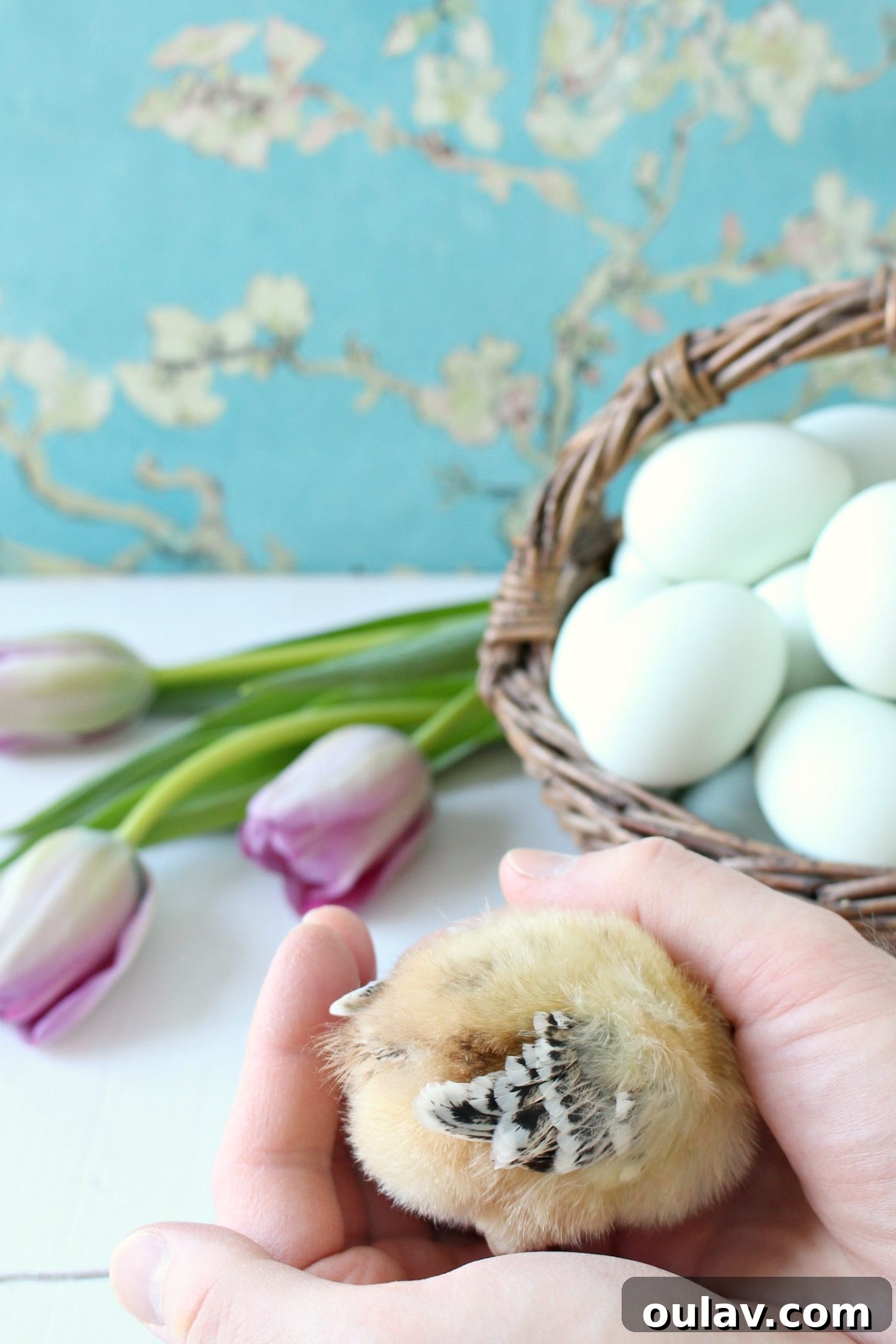
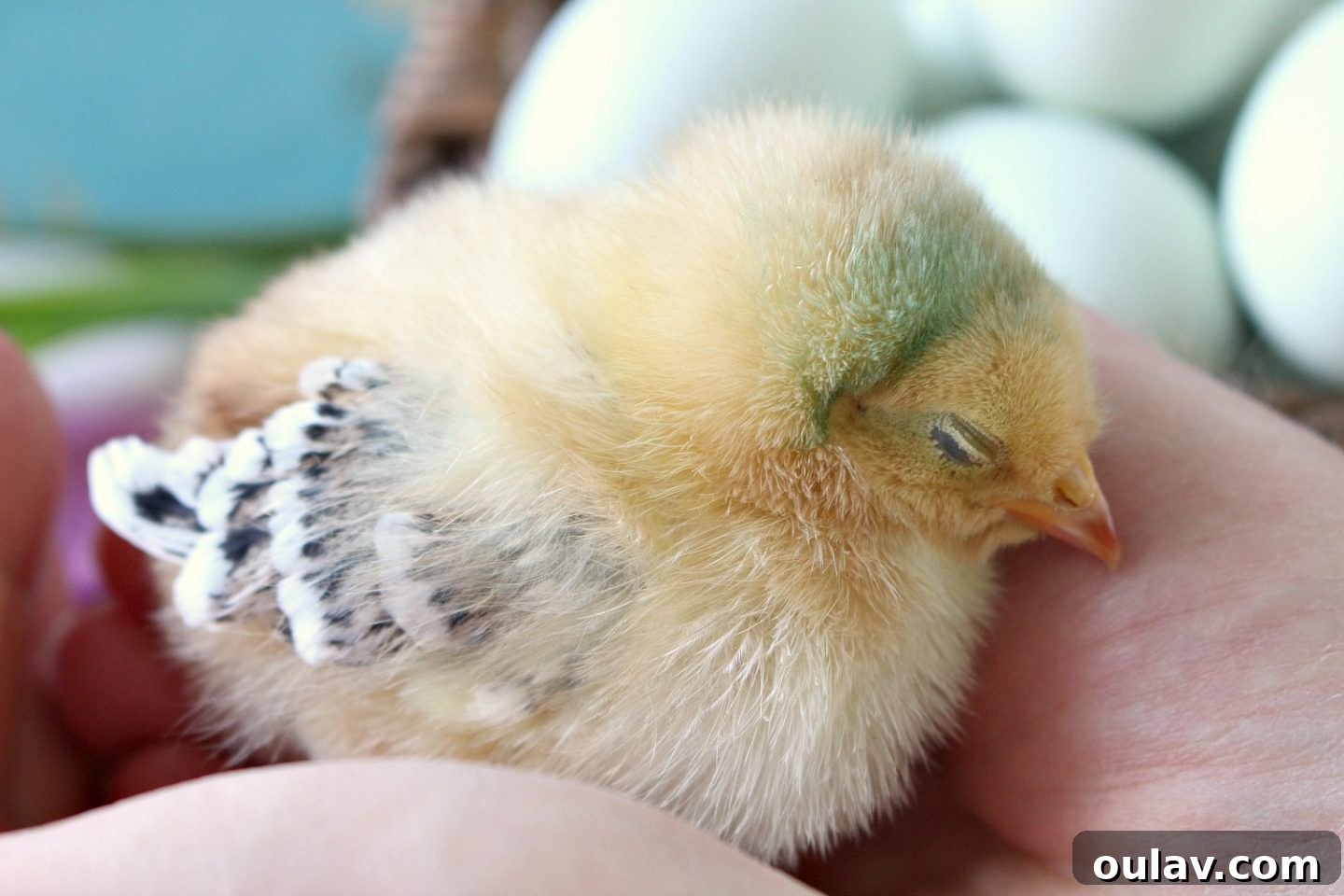
Interestingly, the chicks seemed to have a unique reaction to the camera. Sometimes, gathering their courage, they would bolt past the lens, diving into my hands – or my husband’s, who was kindly assisting me in corralling the tiny escape artists! Once nestled in our palms, they would quickly settle down, finding comfort and a sense of security. I always ensure these “photo shoots” are brief, lasting only a couple of minutes for each chick. It’s a delicate balance: while it’s beneficial for them to experience some handling and get accustomed to human interaction (and, of course, I want to capture these precious baby chick photos to cherish!), their well-being is paramount. Chicks need to stay cozy and avoid undue stress. So, it’s always a quick snap, a minute of gentle snuggling, and then safely back into their warm brooder.
Looking Ahead: From Brooder to Coop and Beyond
I sincerely hope these baby chick photos have brought a ray of sunshine to your day! Despite lingering patches of snow, the persistent melting and bright sunshine have truly put me in a spring mood – a mood wonderfully enhanced by the arrival of these sweet, chirping bundles of joy. This year, I made a conscious decision to order them earlier in the hatching season. My goal is for them to transition to the outdoor coop and, hopefully, begin laying eggs much sooner. Our last batch of chicks didn’t start laying until mid-November, which felt quite late. By bringing these chicks in a couple of months earlier, I’m optimistic that we’ll enjoy fresh eggs significantly sooner!
However, the early arrival does come with its own set of concerns. The unfortunate losses during transit and shortly after have made me ponder if perhaps the journey was too cold, contributing to their early demise. As a relatively new chicken keeper, I’m constantly learning and adapting. Each batch of chicks presents new challenges and teaches invaluable lessons. My commitment remains to do my absolute best, providing the highest standard of care for these vulnerable creatures. Their well-being is always my top priority. For those interested in following our ongoing journey and discovering more about our chicken and egg adventures, you can find all the stories and updates right here on our blog.