A year ago, I embarked on the rewarding journey of raising backyard chickens, and the most frequent question I encounter is: “How much work are chickens, really?” People are eager to understand if venturing into chicken keeping is a worthwhile endeavor, both in terms of financial investment and the time commitment involved. To help you make an informed decision, I’m here to share my candid and detailed insights, drawn from personal experience.
A Crucial Note Before You Begin: If you find this guide extensive, consider it a preliminary test. Raising chickens demands a substantial amount of research and dedication. I’ve personally delved into numerous books and articles, particularly because access to specialized veterinary care for poultry is not readily available in my area. Understanding their needs thoroughly is paramount to success.
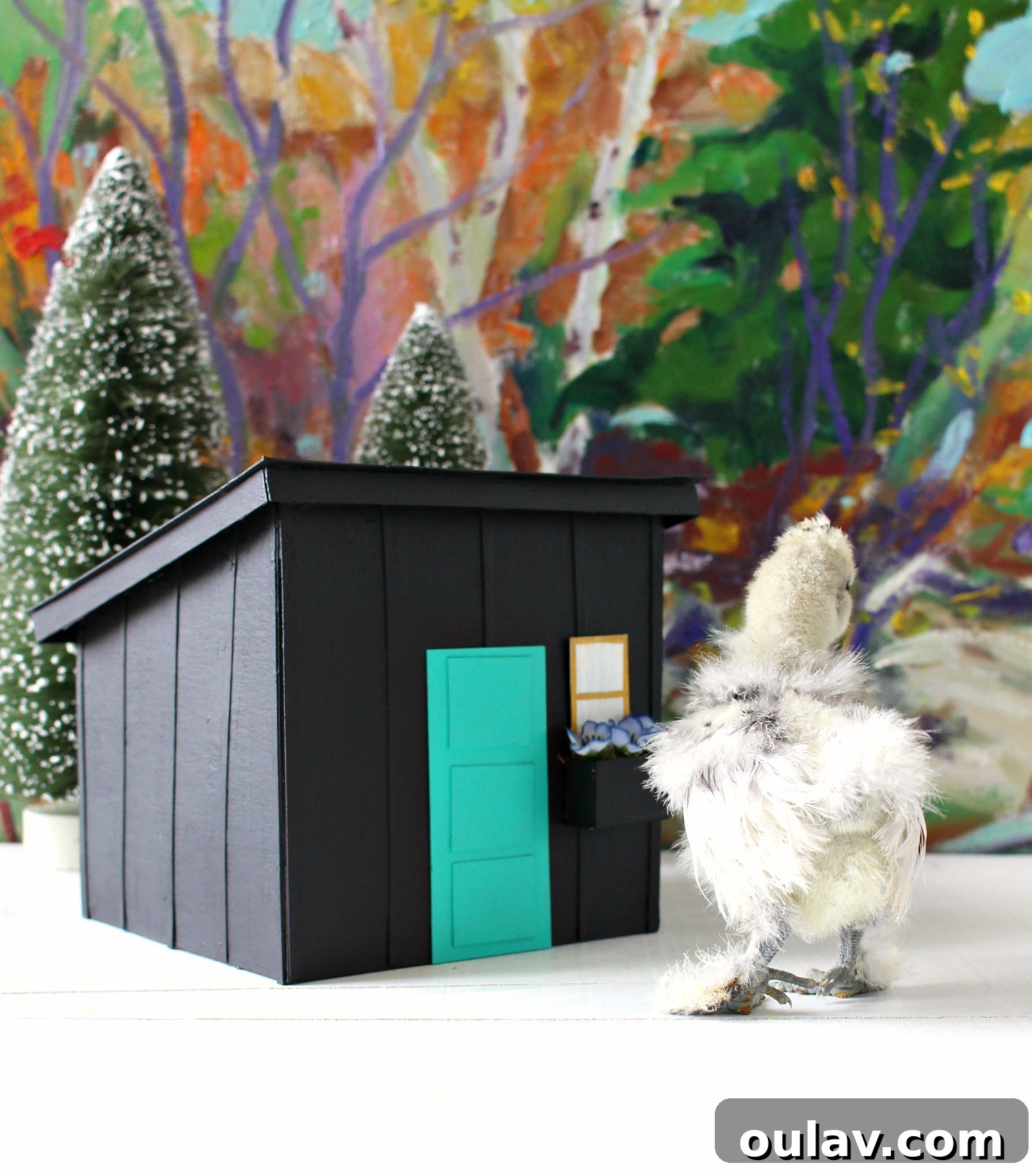
Are Backyard Chickens a Financially Sound Investment?
Let’s tackle the financial aspect head-on: Are chickens financially worth it? For me, the honest answer is not yet. I haven’t begun to “save” money on eggs, nor have I recouped the initial considerable expenses of building a robust coop, acquiring essential chick and chicken supplies, and purchasing the chicks and pullets themselves. Given my investment (and my continuous temptation to expand the flock), it will likely take a significant period to break even, even if I start selling eggs to friends and family.
However, this is a highly variable answer. For many, the financial benefits can be realized sooner. For instance, if you’re fortunate enough to acquire a property with an existing, well-built coop and run, your startup costs plummet dramatically. Let’s do some quick calculations to illustrate. If a household typically buys one dozen eggs weekly at an average price of $4, that amounts to an estimated annual egg expenditure of approximately $208. While this seems like a substantial amount, our costs quickly surpassed this. For example, we spent hundreds of dollars solely on hardware cloth to predator-proof our chicken run, a non-negotiable expense for security.
Initial Setup Costs: Brooder, Coop & Run
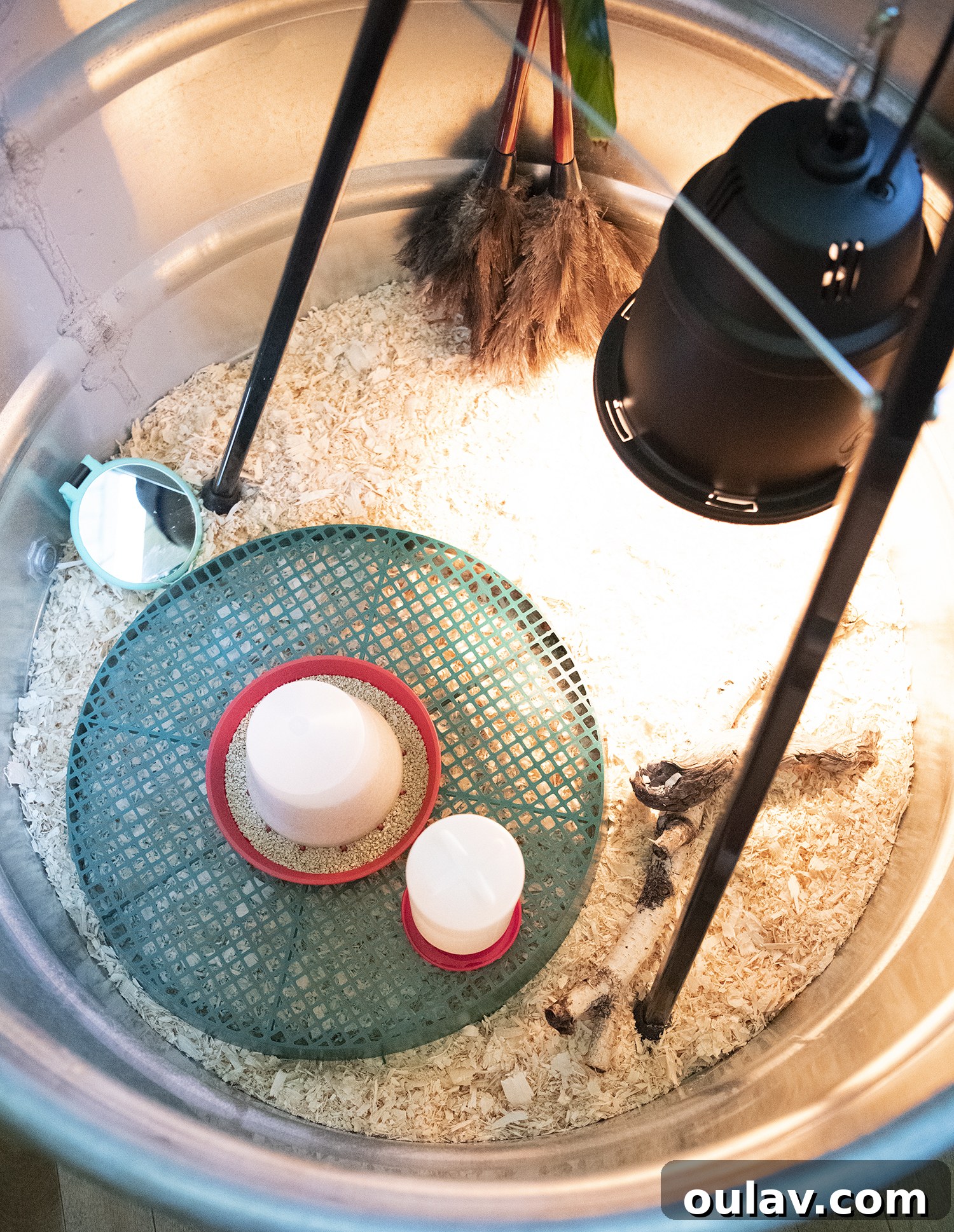
The journey begins with the brooder, a critical temporary home for chicks. Setting up a brooder can range from highly economical to moderately priced. While a large stock tank, which I prefer for its durability and ease of cleaning, can cost a couple of hundred dollars, many people successfully use repurposed, inexpensive, or even free containers like large plastic bins or cardboard boxes. Essential brooder supplies include a heat source, such as a heat lamp or a chick heating plate (around $65), a chick waterer ($10), and a chick feeder ($10). A reliable thermometer ($10) is essential for temperature monitoring. An optional but highly beneficial item is a chick stand ($35), which encourages healthy development. You’ll also want chick grit ($13) and, crucially, chick starter feed, followed by grower feed, and eventually layer feed. The cost of feed naturally increases as your flock grows and matures. The chicks themselves can range from $10 to $30 each, depending on breed and source. Starting with, say, six chicks, you could easily spend $200-$300 on the brooder setup alone, unless you borrow equipment or get creative with DIY solutions.
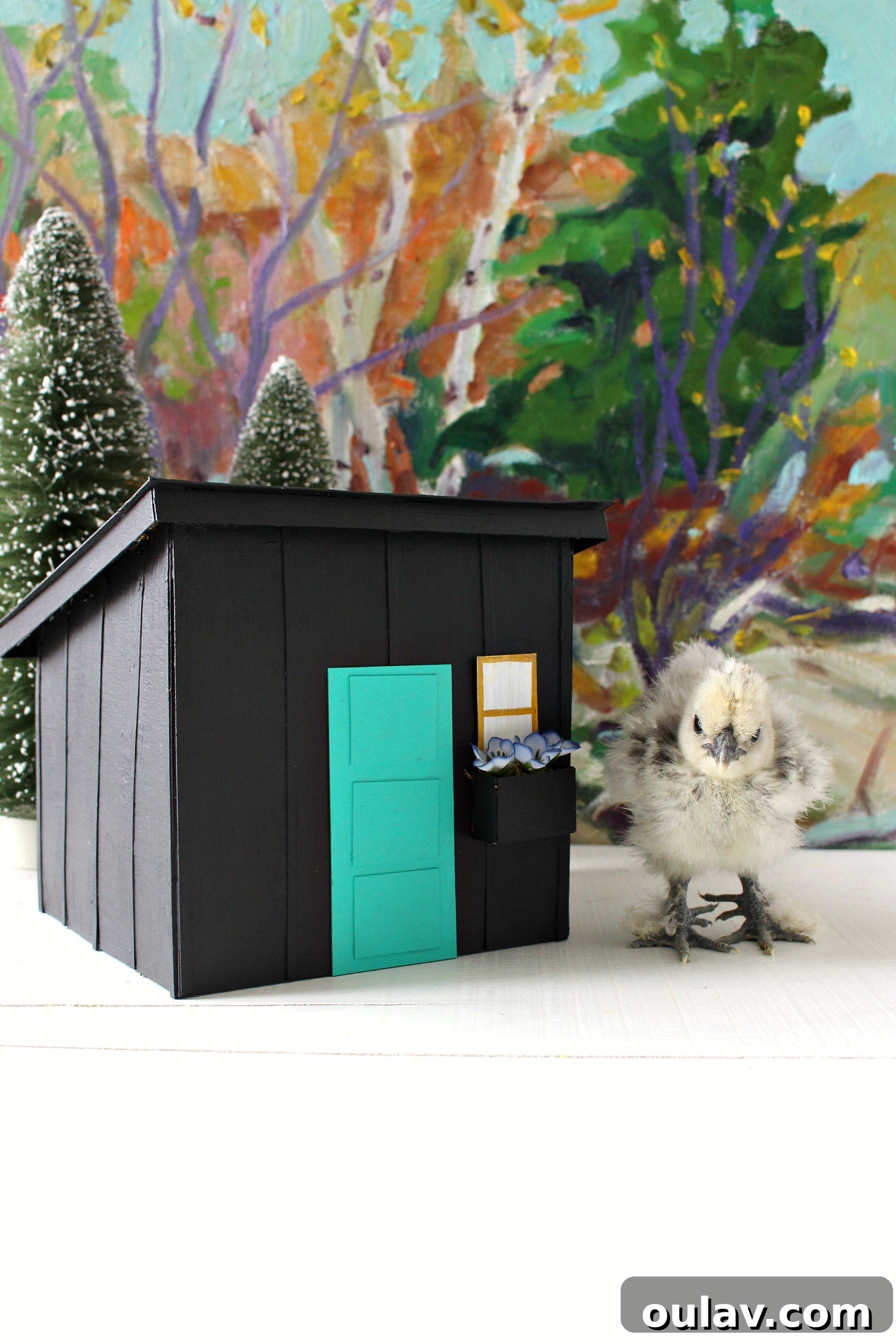
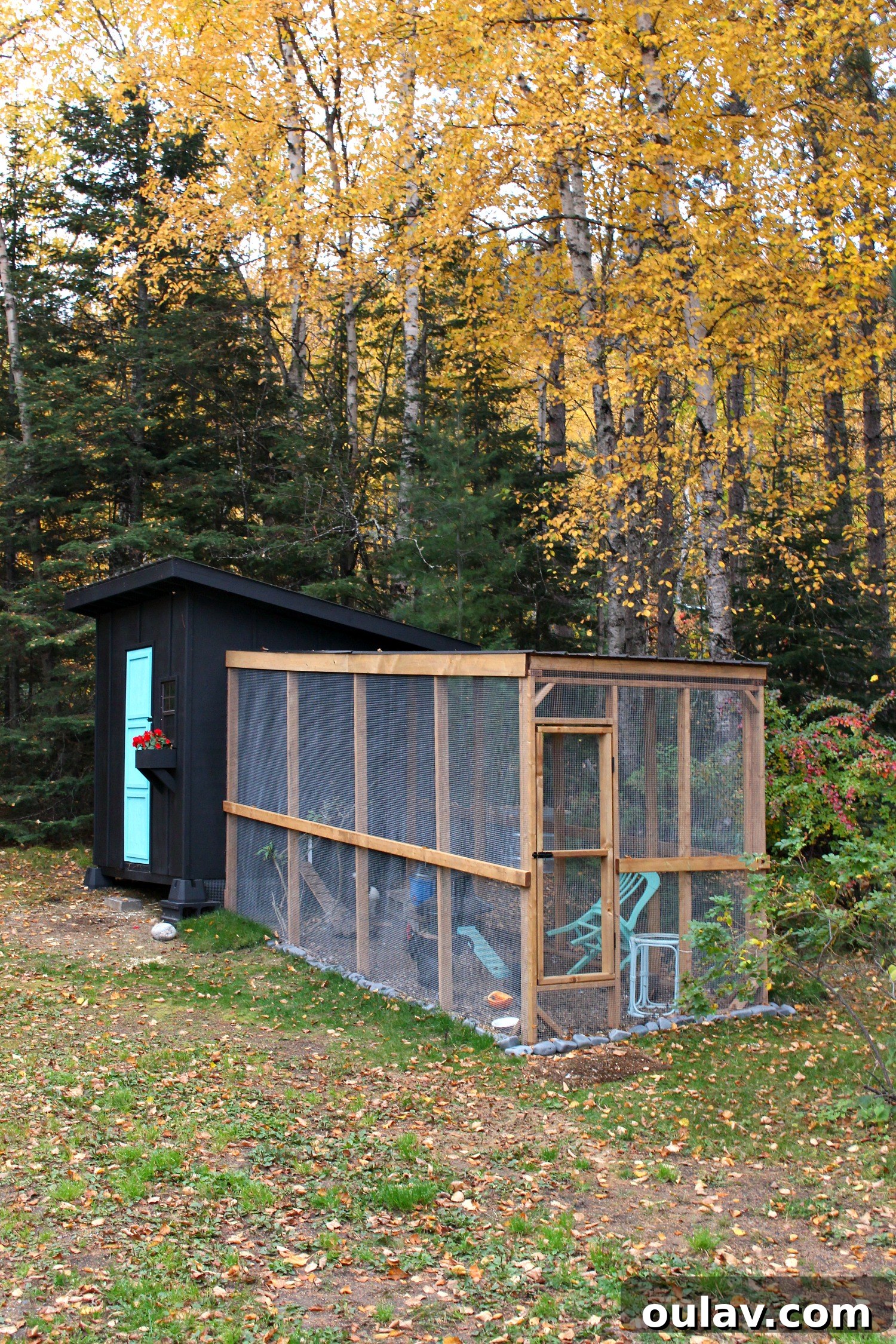
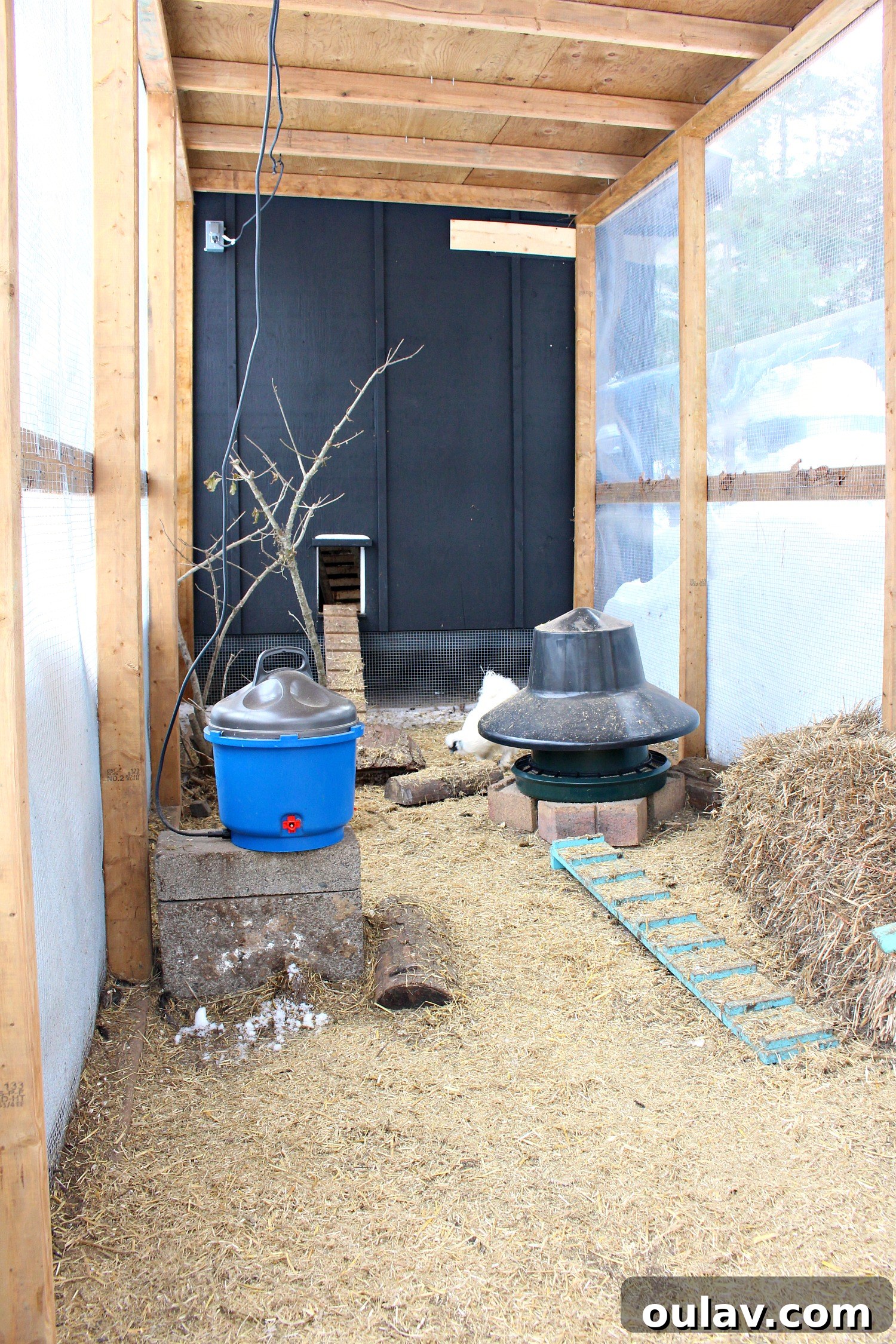
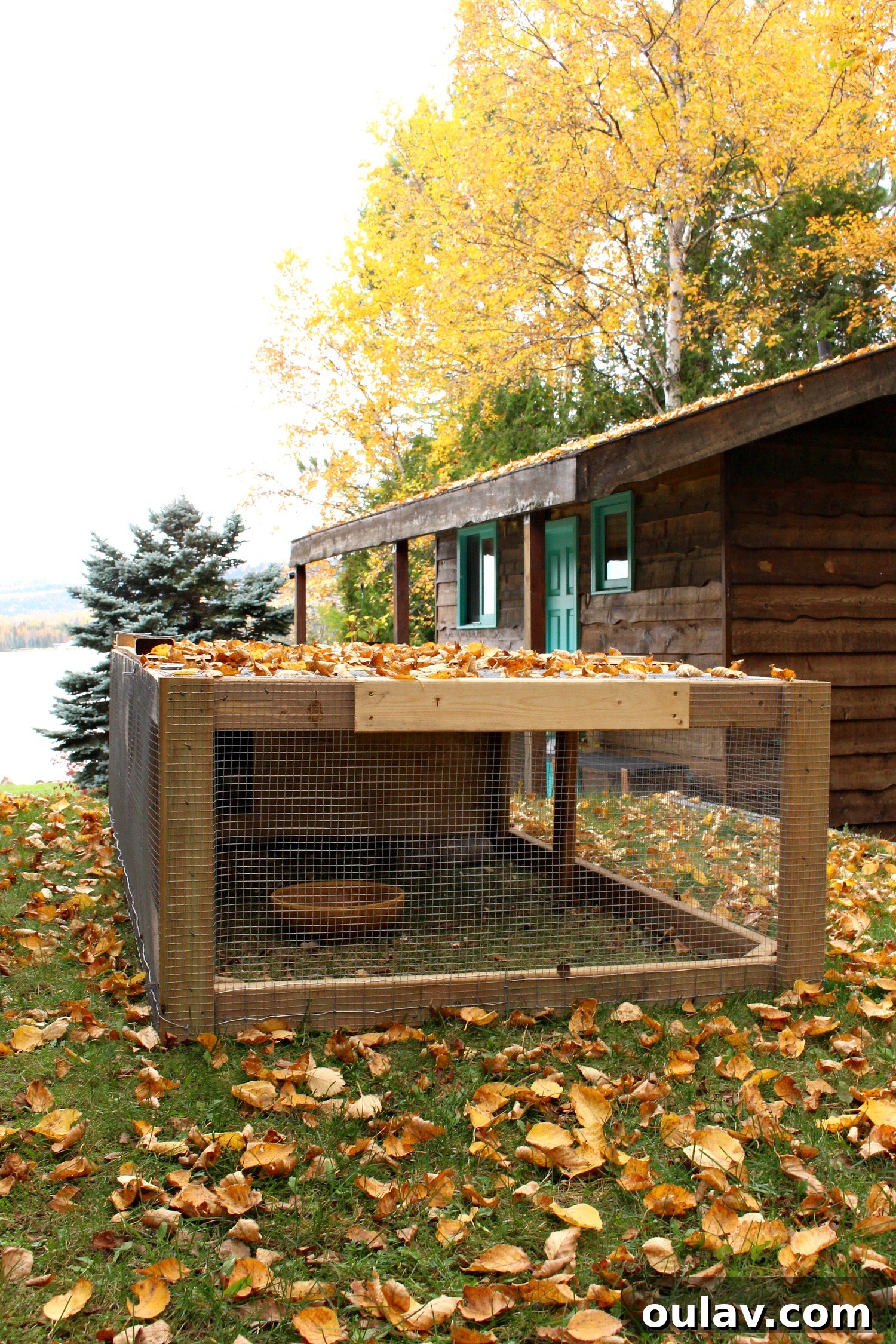
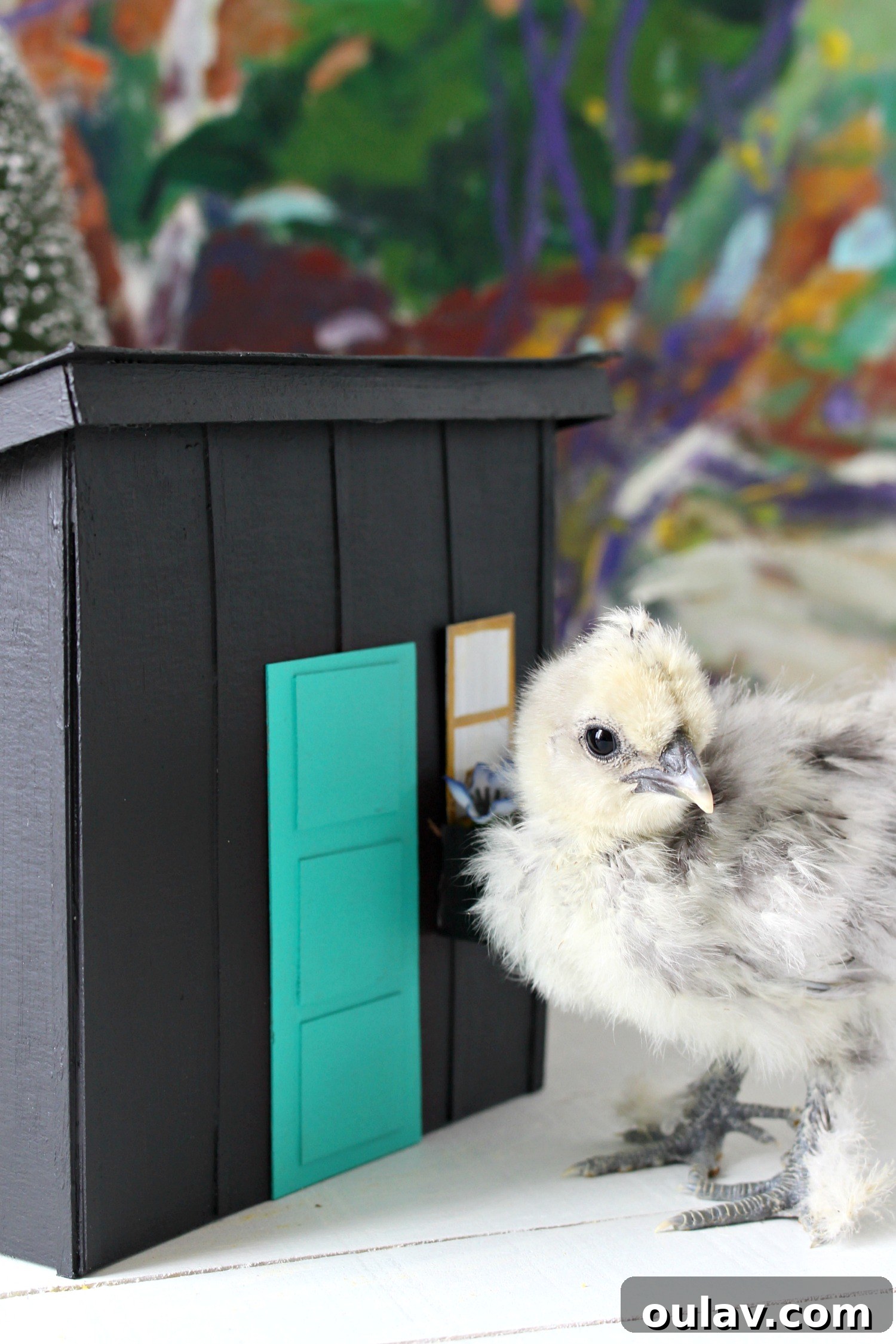
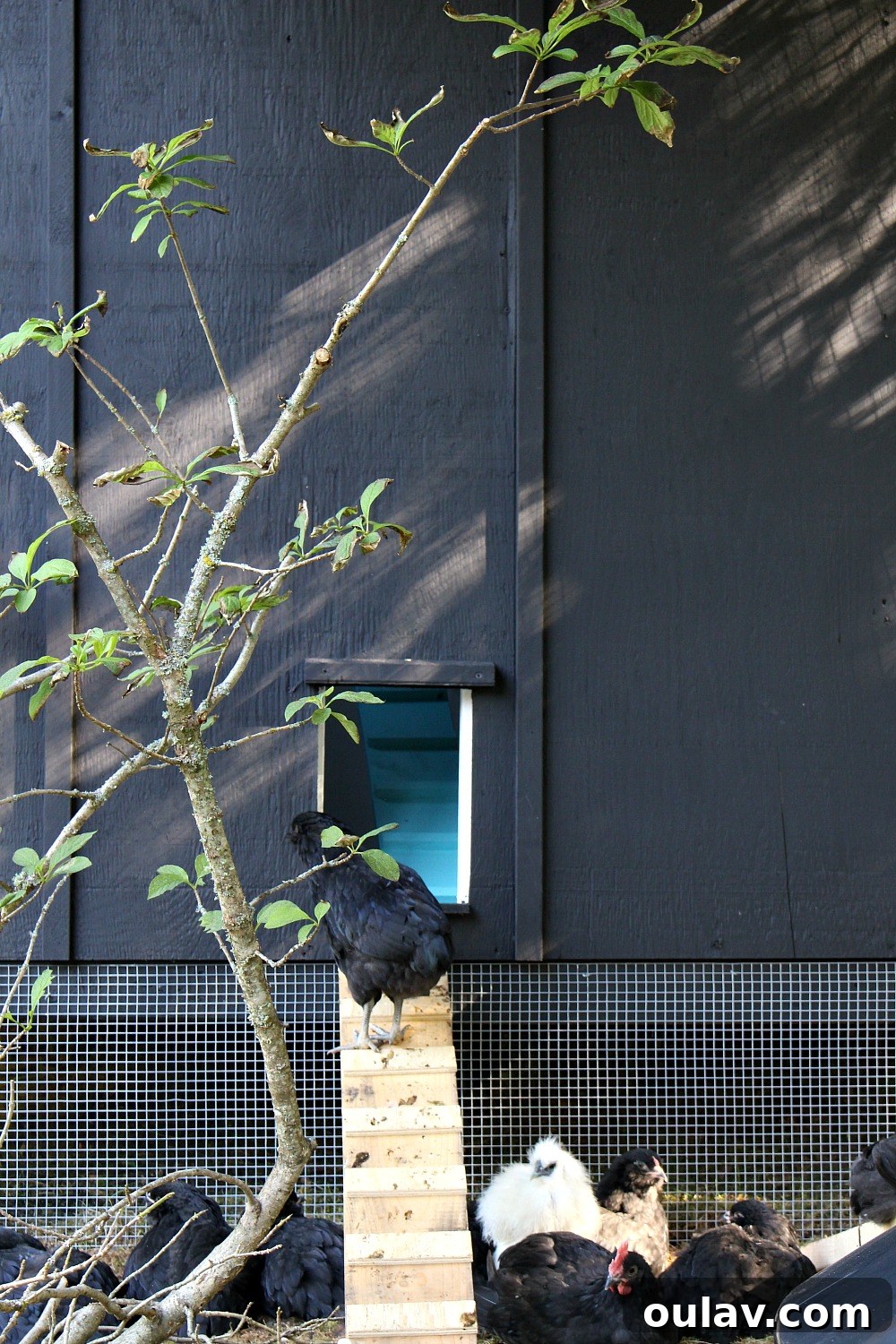
Moving to the coop and run, our modern DIY chicken coop and accompanying run amounted to at least $2000. The cost of materials — lumber, plywood, concrete deck blocks, a metal roof, paint, window, extensive hardware cloth for predator protection, various hardware, latches, insulation for winter, and vinyl flooring for easy cleaning — added up remarkably quickly.

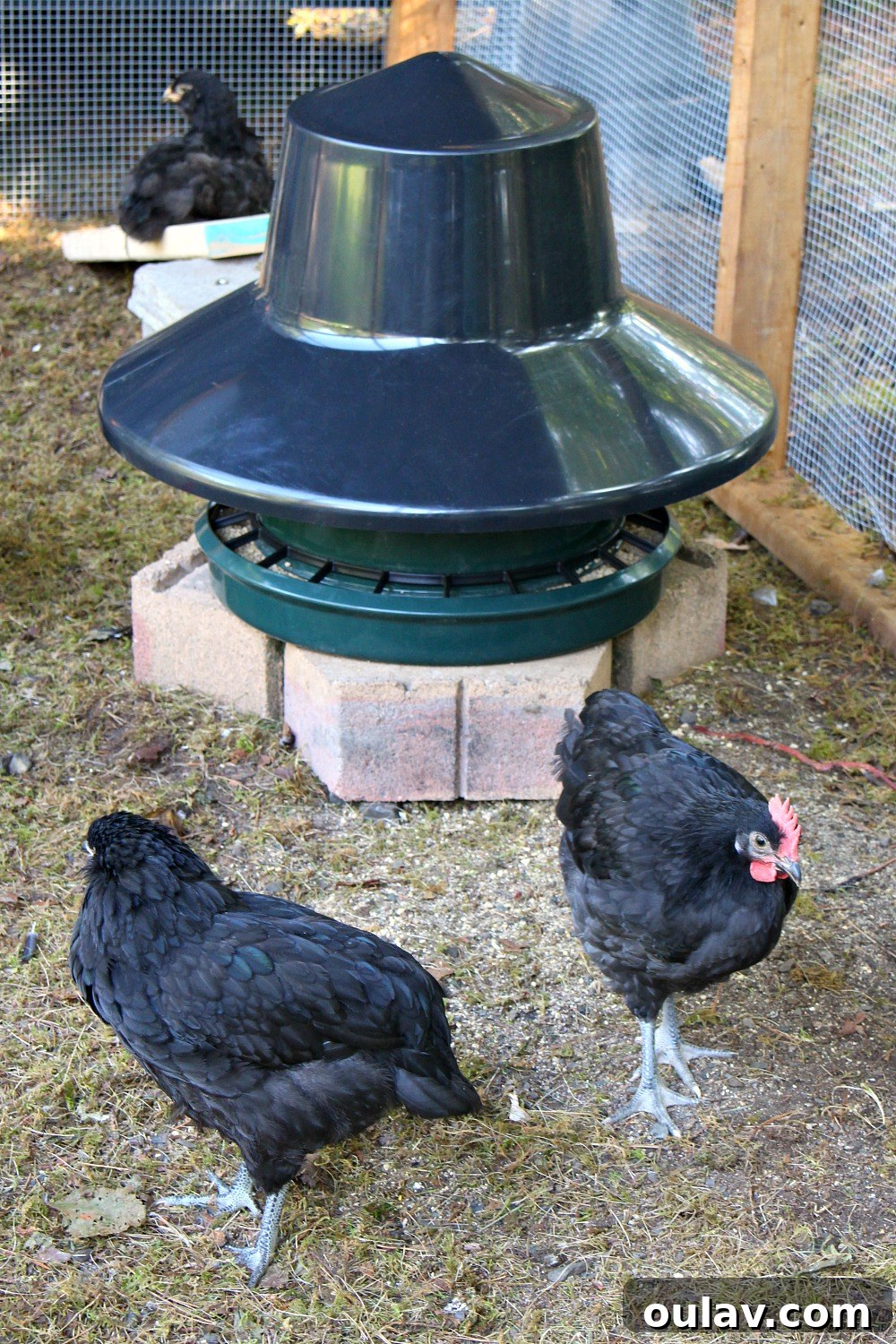
Admittedly, some of these choices were “luxuries.” A metal roof wasn’t strictly necessary but offers superior longevity. The aesthetic enhancements were for our enjoyment, not chicken welfare. Beyond construction, we invested in additional coop conveniences like an automatic chicken door, a large feeder with a weather-proof topper ($111), and a heated waterer ($86) for winter. While you can certainly DIY many accessories or opt for cheaper versions, a basic, safe structure with roosts, feeders, and waterers is fundamental for your chickens’ health and happiness.
Alternatively, a pre-fabricated coop can help manage costs. Options like this model (for up to four chickens) or this aqua-colored coop (under $400) exist. However, for our climate and predator concerns, these typically lacked sufficient insulation and predator-proofing. You can also build a functional coop for far less than we did by using salvaged materials, forgoing extensive winterization (if your climate permits), acquiring items secondhand, or opting for a basic roof and unpainted wood. Perhaps your property already has a shed that can be easily converted. Free-ranging chickens can reduce the need for an elaborate run, though even free-range birds appreciate a sheltered space, especially in winter. In these scenarios, you can see a return on investment much quicker – possibly within a year if you keep brooder costs under $200, coop costs under $400, and choose inexpensive chick breeds. But in my completely honest experience, building a coop I loved, ensuring it was predator-proof, and winterizing it properly turned into a significant, chicken-occupied money pit.

You might also consider building a portable chicken tractor or a separate “hospital coop,” as we did. This incurs an additional cost but provides an invaluable space to isolate sick chickens or new arrivals during their quarantine period, preventing the spread of potential diseases to your main flock.
Unless you currently consume more than a carton of eggs per week and can establish your flock very inexpensively, you might not find backyard chickens financially worthwhile. Chickens continuously incur costs for feed, potential medicines, and electricity for automated systems or heated elements. And, be warned, the allure of new chicks is strong – you’ll likely want to buy more! I’ll break down some of these ongoing costs next, as they often surprise new chicken keepers.

Cost to Acquire Chicks and Pullets
My choice of several fancy chicken breeds meant a higher cost per chick, typically ranging from $10 to $30. This is an area where you can definitely cut costs significantly. Remember, when purchasing “straight run” chicks (unsexed), you’ll inevitably end up with roosters that may require rehoming or other difficult decisions, adding an unforeseen expense. Additionally, I later purchased additional pullets (young hens nearing laying age), which were considerably more expensive to purchase and ship than chicks – another cost that can often be avoided. So, my initial outlay for the birds alone was quite substantial. I’ve even spent another $300 on 16 new chicks and plan to invest in an incubator to hatch my own eggs, further extending the “investment” phase.
However, you can acquire chicks or even adult chickens for much less. Local hatcheries often offer cheaper chicks. Some backyard chicken keepers find the hobby isn’t for them, leading to opportunities to adopt full-grown hens for free through classifieds. Commercial egg producers often cull “spent” hens after a year or two, even though these hens are perfectly capable of laying for several more years (just not at a commercially viable rate). Adopting these hens is a fantastic way to save money, rescue a chicken’s life, and still receive a steady supply of eggs without the time and cost of raising chicks from scratch.
Day-to-Day Costs of Raising Chickens
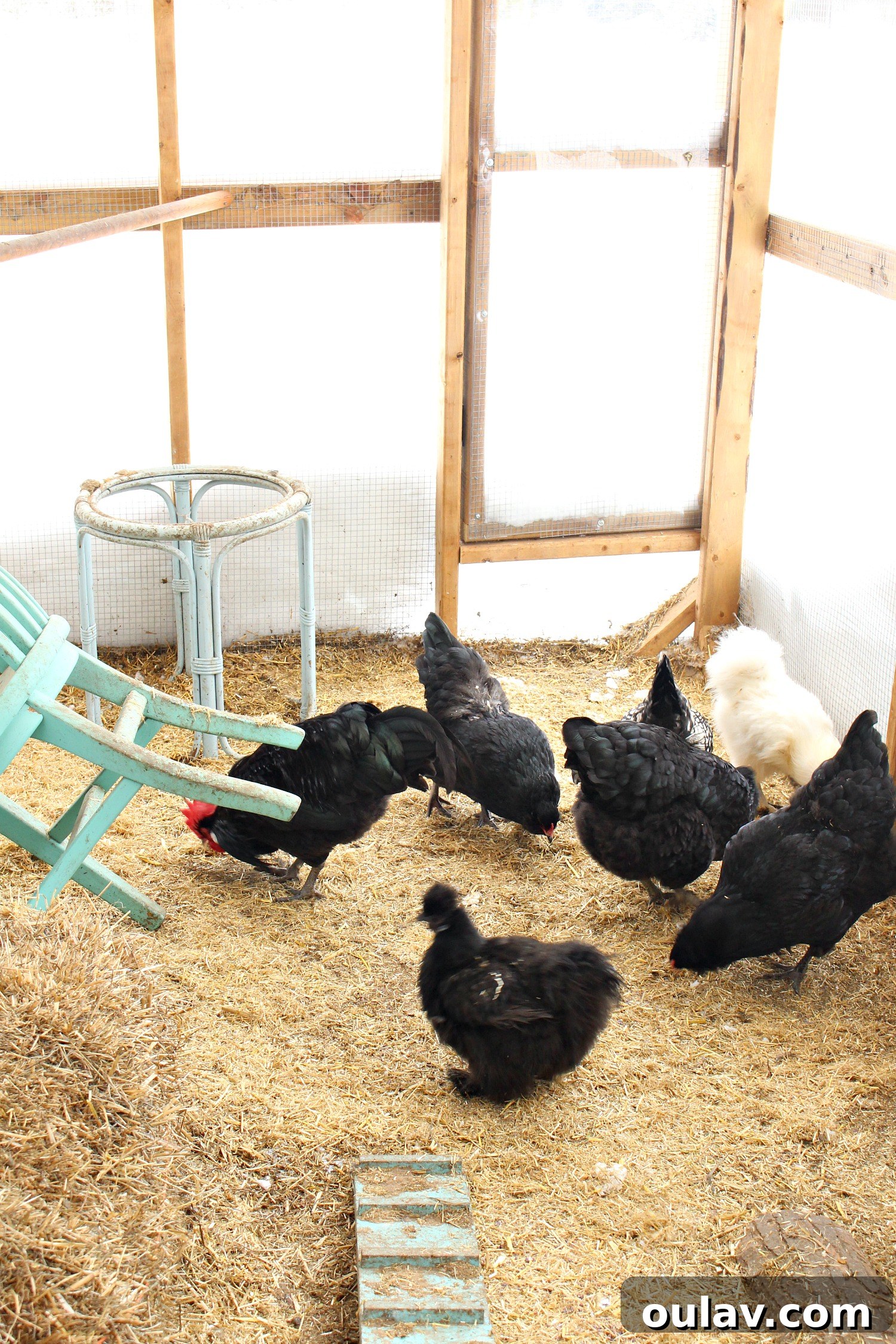
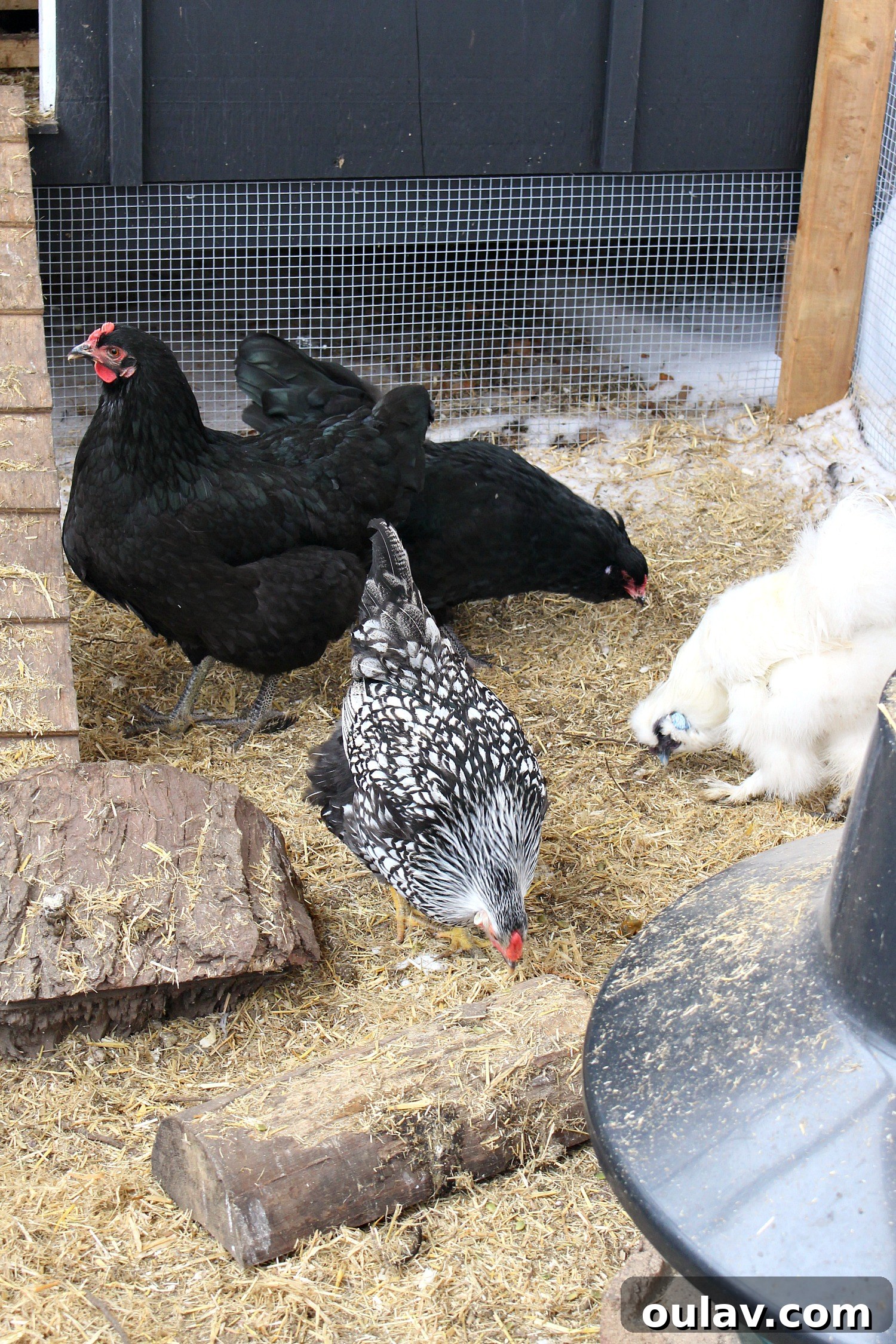
Even if I had managed to build a coop for free and acquired chickens at no cost, the daily upkeep still requires a budget. My flock needs feed, occasional treats, straw, and shavings. Electricity powers our automatic chicken door, heated waterer, and the outdoor lights I keep on to alert me to power outages (yes, the Christmas lights never came down!). Our small flock of just over half a dozen chickens consumes a 50lb bag of feed approximately every 2-3 weeks, costing around $17. This cost can increase if you opt for organic feed, which we eventually did. Chickens are surprisingly big eaters, especially in colder months! I replace their coop shavings weekly and refresh the straw in the barn/run monthly. And, of course, they receive a generous showering of treats.
Beyond basic provisions, I’ve also incurred costs for veterinary medicines (with no local farm vet, I’ve relied heavily on internet research for solutions), and other necessities like poultry shampoo, anti-bacterial wound spray, and poultry nutri-drench. These smaller purchases, $10 here and $10 there, accumulate quickly. It’s also vital to remember that hens gradually slow down egg production as they age. If, like me, you’re unwilling to cull them, they will become cherished pets that continue to consume feed but offer fewer eggs in return. Furthermore, egg production naturally declines or ceases during shorter winter days and during their annual fall molt, so don’t expect a steady “egg a day” per hen year-round. Some breeds are also less prolific layers; if maximizing egg production is important for your return on investment, choose a breed known for high output, such as an Australorp, but understand even the best layers need occasional breaks.
Strategies to Make Backyard Chickens Financially Viable:
If financial savings are your primary goal, strategic planning is essential. By keeping coop construction costs to a minimum and resisting the temptation of expensive, rare breeds and luxurious accessories, you could potentially save money on eggs. Start by calculating your current annual egg expenditure, then create a detailed list of all necessary setup costs for a basic, functional chicken system. Borrow equipment, especially brooder supplies which are only needed for a short period. Factor in daily maintenance costs and honestly estimate how many eggs you might sell (if applicable).
It’s genuinely challenging to save money solely by having laying hens because mass-produced eggs are incredibly cheap. Commercial operations often prioritize maximizing production in less-than-ideal conditions to keep prices low. Understanding the effort and expense involved in ethical chicken keeping makes the low retail price of eggs quite astonishing. If you’re curious about the commercial egg industry, I highly recommend “Locally Laid,” an enlightening book about a couple’s journey building a mid-sized, pasture-raised egg farm outside Duluth, MN.
In a few years, assuming I can curb my enthusiasm for buying more chickens and gear, I might begin to see a reduction in my grocery bill. I might even reach a point where egg sales offset some of the ongoing costs. Our friends, who inspired our chicken journey, have 12 hens and often collect six eggs daily, far more than they can consume. Selling these surplus eggs to family and friends could potentially earn them around $44 per month, after keeping a dozen for themselves weekly. Annually, that’s $528, plus their own savings from not buying eggs (though they, too, must account for feed, straw, and other maintenance expenses).
Beyond the Bottom Line: The Unexpected Joys of Backyard Chickens
Financial savings or egg sales aren’t the sole motivators for everyone. Many, like myself, simply enjoy the presence of backyard chickens. And the benefits extend far beyond the grocery bill. Keeping your own flock grants you complete control over the quality of your eggs and the health and welfare of your hens, a factor that, for some, outweighs any potential cost savings. There’s also an undeniable sense of food security and comfort in knowing you always have fresh, wholesome eggs readily available in your backyard.
I quickly became deeply obsessed with chickens and am currently raising my second batch of chicks. I even briefly entertained the idea of moving to a warmer province to open an egg farm, selling vibrant, colorful eggs and offering “farm-utainment” because chicks and chickens bring so much joy. However, after reading “Locally Laid,” I wisely decided against that whimsical notion – the book highlighted the immense work for minimal financial gain, a trade-off I wasn’t willing to make.

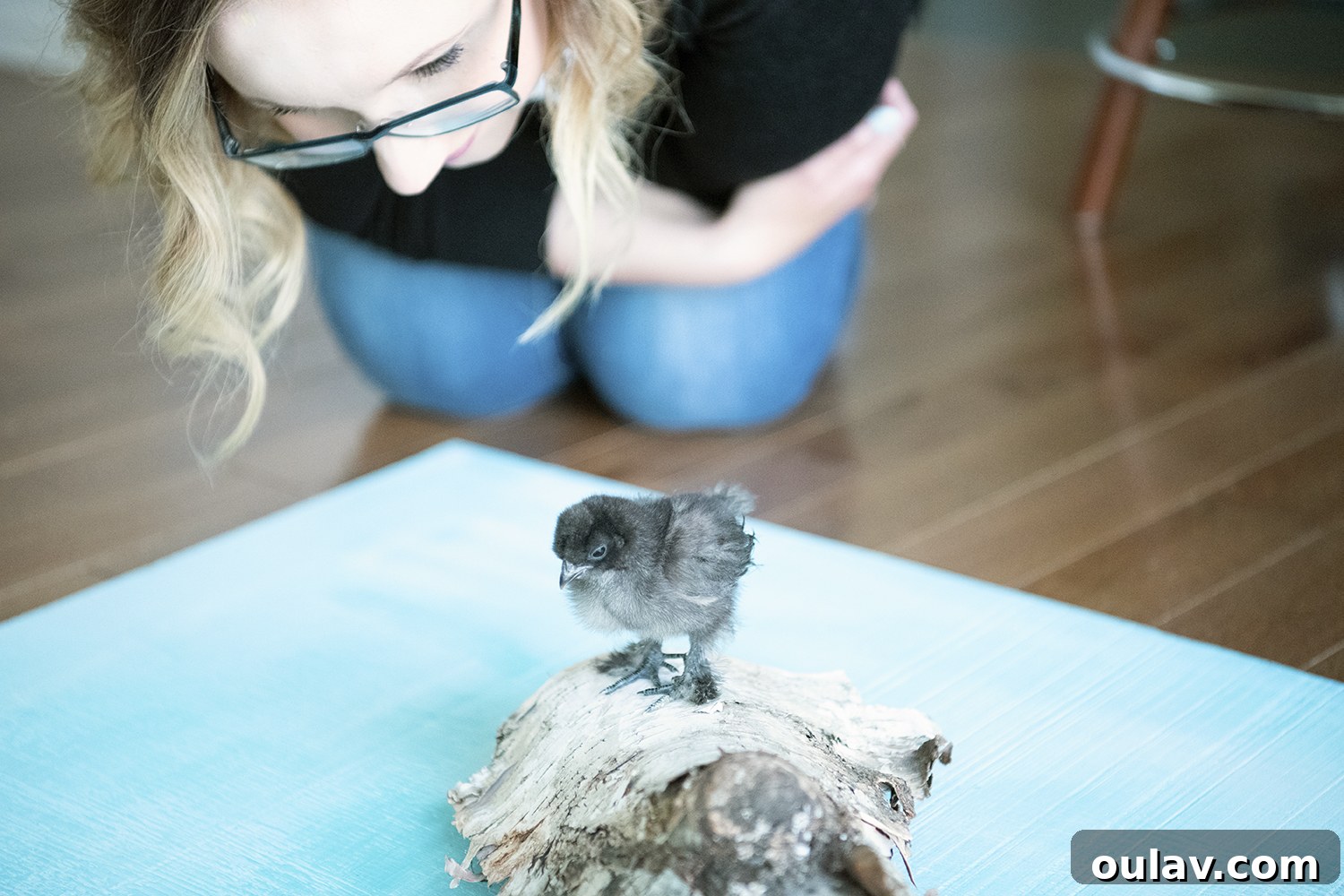
The unplanned benefits of keeping chickens have been truly wonderful. They are inherently fun, sweet, and inquisitive animals. Raising chicks has swiftly become a yearly highlight and a tradition I eagerly anticipate. I adore watching them develop, and I often wish I had chickens when I was a child. As delightful as chicks are, adult chickens are equally charming. Last summer, I often found myself sitting in the coop, simply observing them. This simple act helped clear my mind and cope with the stresses of daily life. Witnessing chickens “just being chickens” is remarkably therapeutic.
Moreover, backyard chicken keeping has deepened my connection to my food source and initiated a domino effect in my life: I became a vegetarian and am now planning to cultivate my own fruits and vegetables this spring and summer. The personal transformation and peace of mind this hobby has brought have been invaluable. On a more practical note, chickens are excellent pest controllers; they enthusiastically forage for bugs, reportedly helping to keep tick populations at bay, which can be a significant benefit in many areas.
The Workload: Building a Coop and Chicken Run
Constructing our chicken coop and run involved weeks of labor – it wasn’t overly complex, but it was significantly more time-consuming than we initially anticipated. And even after all that effort, we still haven’t truly “finished”! We quickly had to make urgent adjustments and additional purchases for winter, working in the bitter cold one evening to secure extra shelter for the run. Now, we still need to build more nesting boxes, improve drainage, and add more roosts. A coop can become an ongoing project, requiring constant tinkering and adjustments. If a predator breaches the defenses, you’ll spend considerable time on repairs and reinforcement. Building a coop is akin to any home renovation project: budget for costs to be 30-50% higher and expect the project to take twice as long as planned. While pre-fabricated coops can save time and initial effort, you might still find yourself making modifications and improvements to suit your specific needs and climate.

The Workload: Raising Chicks
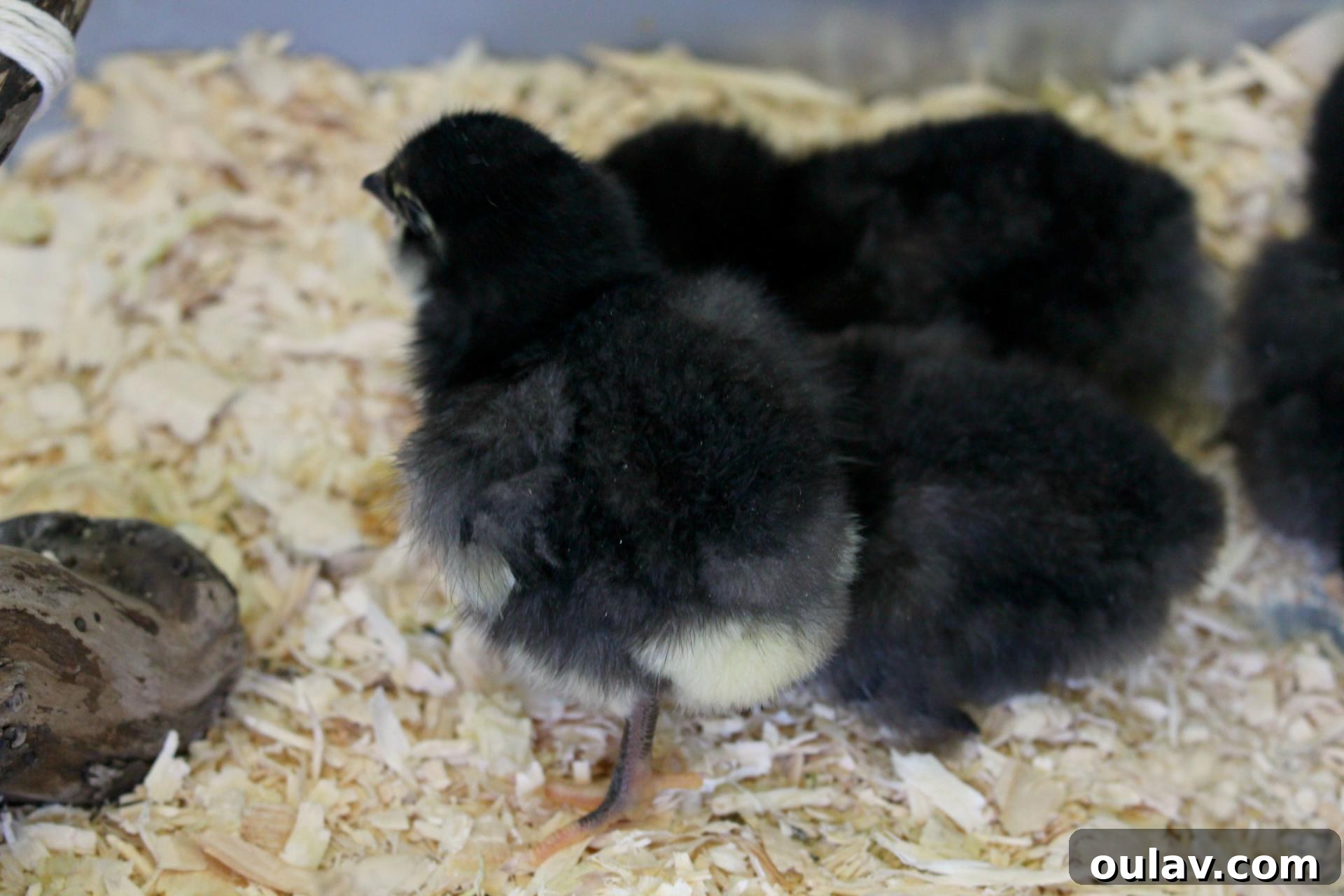
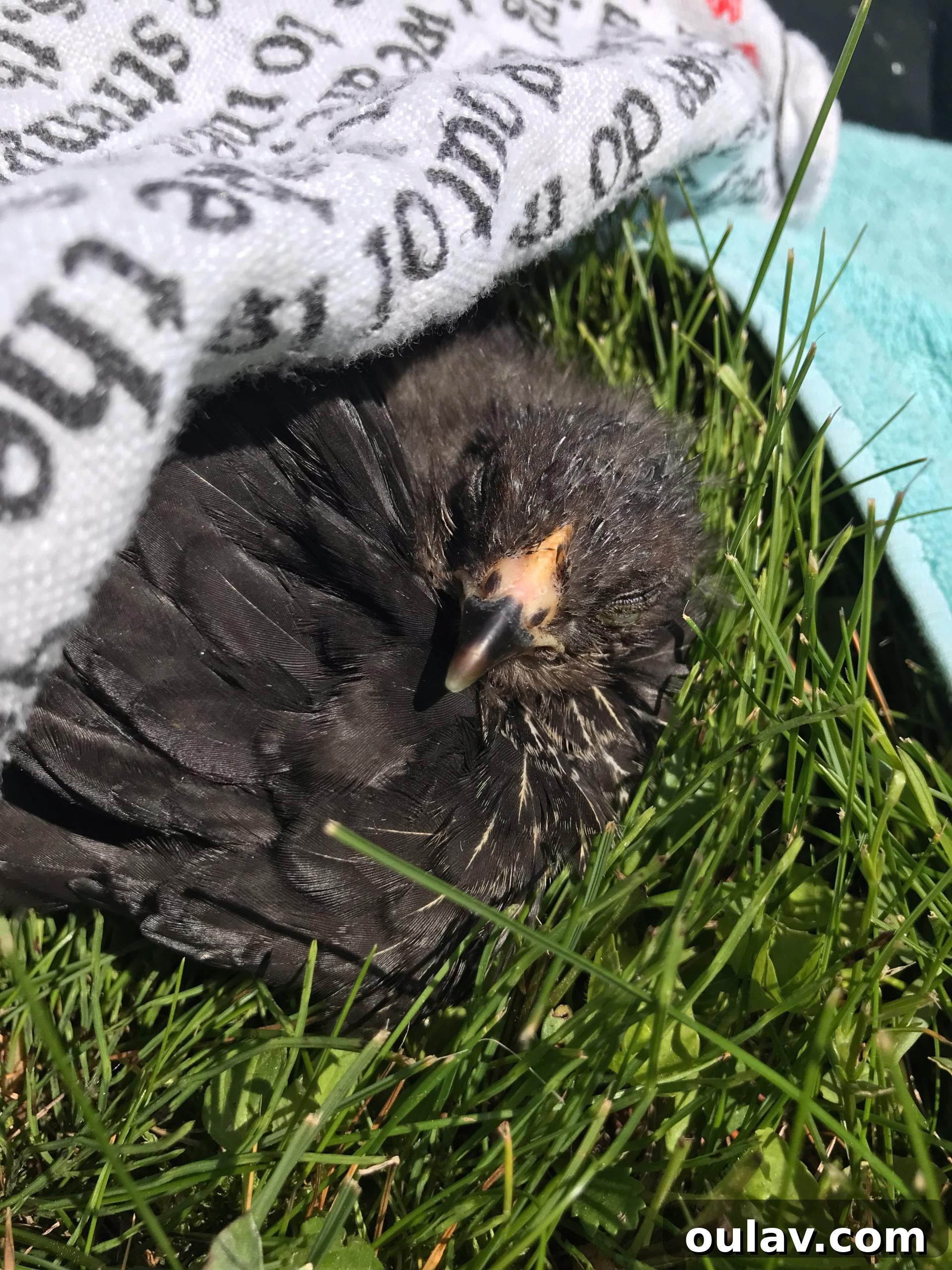
Raising chicks requires extensive research and a hands-on approach, as they depend entirely on you for survival without a mother hen. They are incredibly fragile and susceptible to various ailments. You must learn to identify and address issues like spraddle leg, slipped joints, and “pasty butt” – the official term for when droppings block their vent, which can be fatal if not promptly cleaned. A correct brooder setup and specific supplies are non-negotiable. Temperature regulation is crucial; chicks that are too hot or too cold will perish, so daily adjustments based on their behavior are often necessary. Providing fresh, clean water multiple times a day is a constant task, as chicks are adept at dirtying their water source.
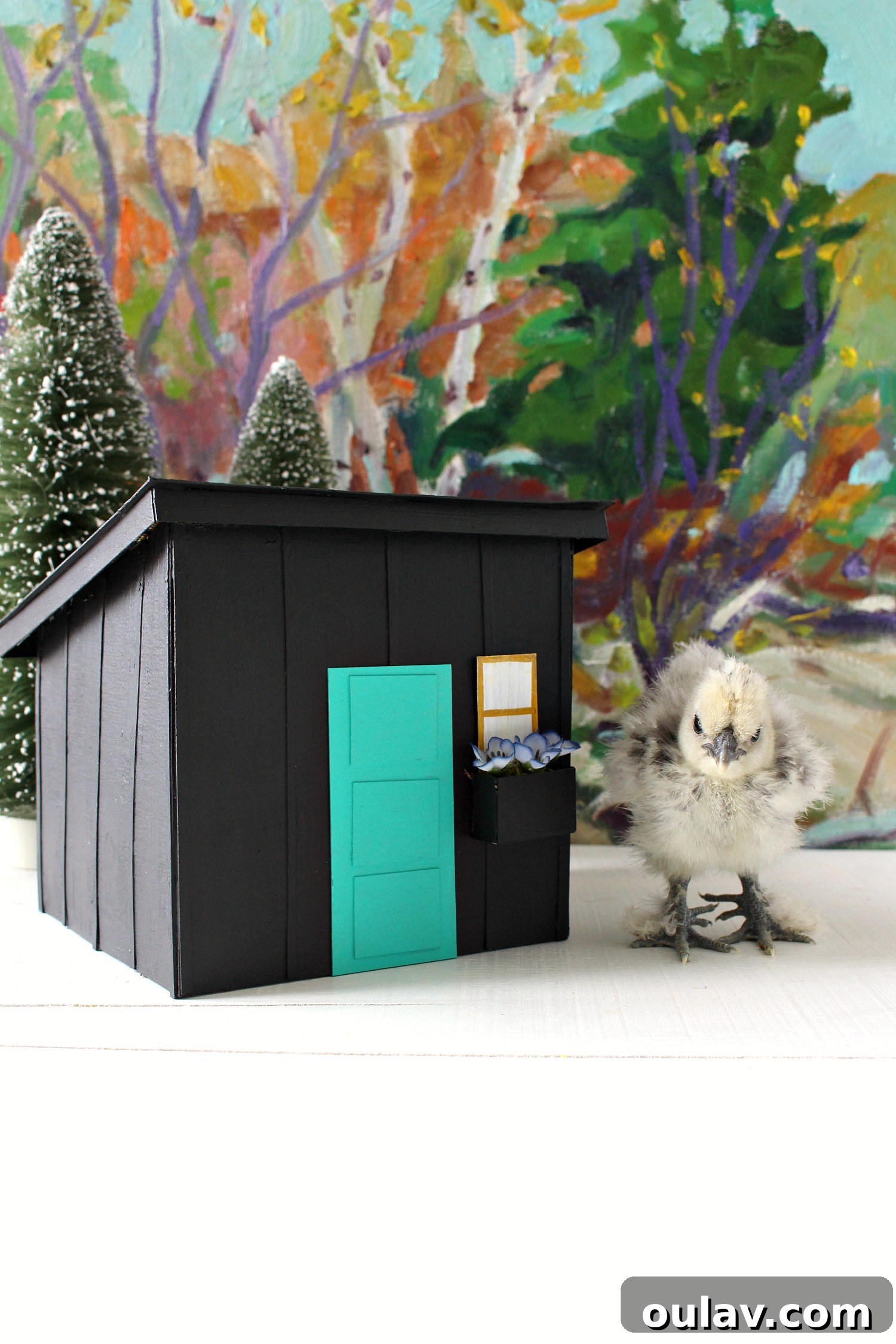
Chicks also benefit from vitamins, specialized starter feed, and even enjoy occasional treats like hard-boiled eggs. These small, daily tasks accumulate. Frequent handling and hand-feeding treats are vital for socializing chicks, leading to more docile and trusting adult chickens. The first week demands the most intensive care, after which the workload eases slightly. However, as they grow, chicks become smellier, requiring more frequent brooder cleaning. On average, I spend about 30 minutes daily on chick care, distributed across various small tasks, including handling and health checks. Days involving full brooder cleaning or washing feeders and waterers naturally take longer. Be prepared for emergencies: a sick chick unwilling to be culled can lead to hours of dedicated nursing and anxious problem-solving.
Raising Chicks – A Typical Schedule:
- Multiple times a day: Clean waterer, provide fresh water, check brooder temperature, inspect and clean “pasty butts.”
- Daily: Top up feeder, handle chicks for socialization, offer a small treat.
- Weekly: Clean out bedding/shavings and replace with fresh, adjust heat lamp height as chicks grow, introduce new stimulation (logs, mini DIY roosts).
The Workload: Raising Teenage Chickens (Pullets)
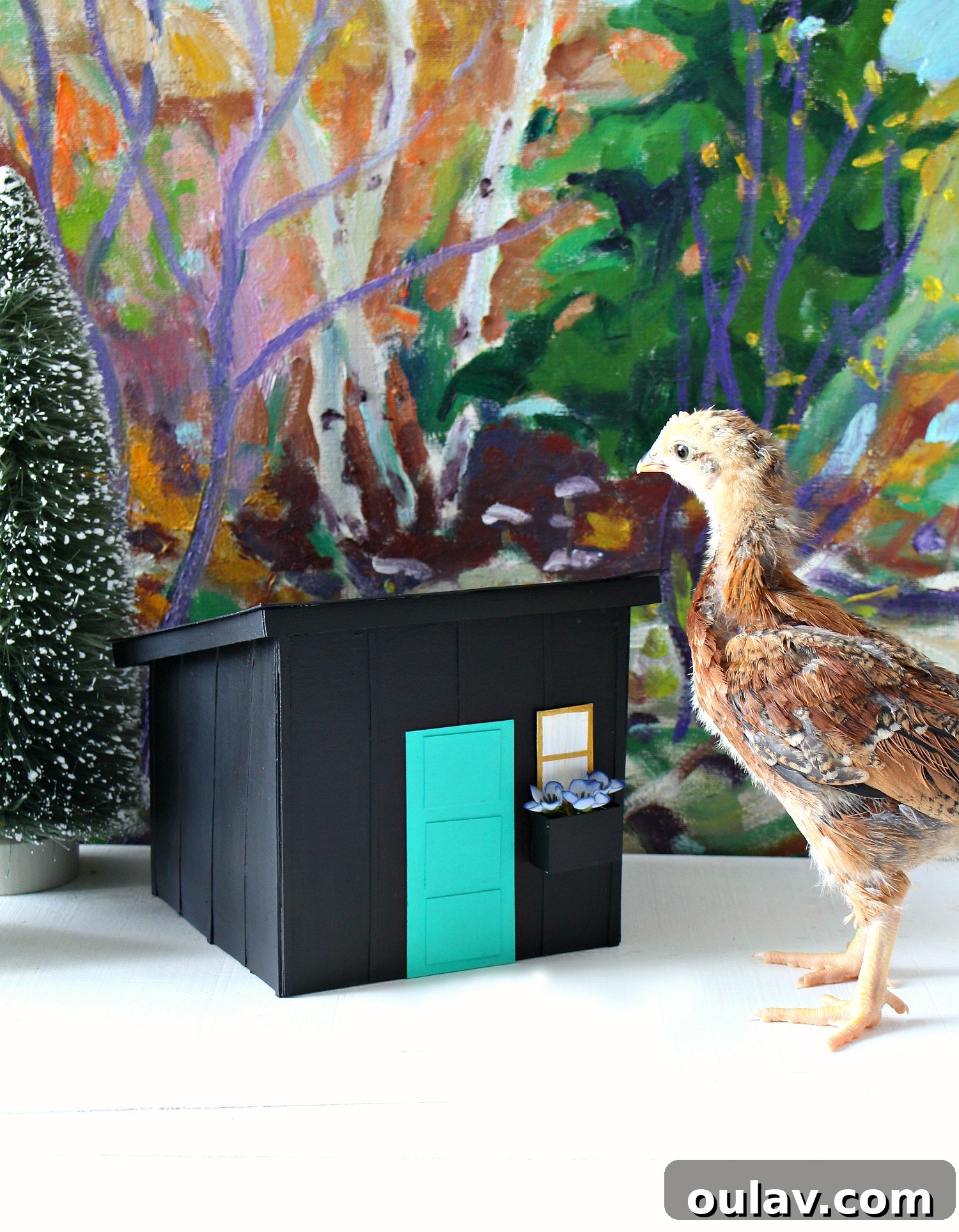
Once chicks outgrow the brooder, they still require significant guidance. Some breeds won’t start laying for six months or even longer, meaning your return on investment is still distant. When introducing them to the main coop, pullets may not instinctively know to enter at night or how to roost properly. Expect to spend time patiently teaching and guiding them. For the first few weeks, a nightly check is crucial to ensure all birds are safely inside the coop before dark, as this is their safest refuge from predators. Last summer, I dedicated an hour, sometimes two, daily to my young chickens, continuing their socialization and teaching them the ropes of coop life.
Raising Pullets – A Typical Schedule:
- Daily: Top up water, check to ensure all chickens are safely inside the coop (or manually open/close the door morning and evening if no automatic door is installed).
- Weekly: Clean out the coop and replace shavings, search for any hidden eggs laid outside nesting boxes, sprinkle grit for digestion.
- Bi-Weekly: Rake poop from the run area, lay down fresh straw, top up the main feeder.
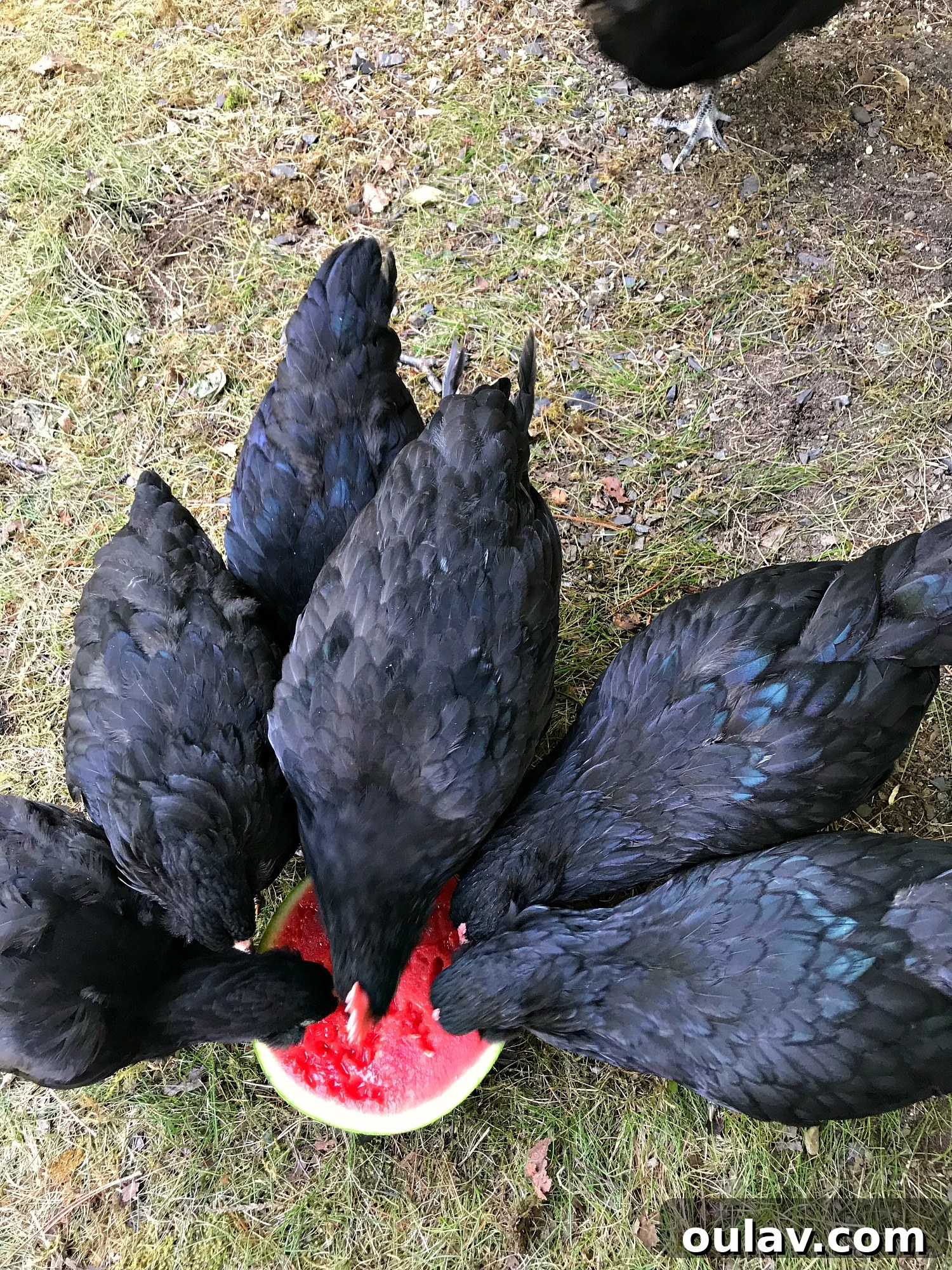
The Workload: Raising Adult Chickens (Hens)
Once chickens begin laying eggs, their diet needs to transition to a layer feed, and you’ll also need to offer oyster shells for supplemental calcium. Regular egg collection is essential to prevent freezing, rotting, or breakage, as hens don’t lay in a perfectly organized schedule. I check at least twice daily, morning and evening, because not all hens lay in the morning. You might also need to hunt for eggs if hens decide to hide them, and gently encourage them to use nesting boxes.
When everything runs smoothly, daily chicken chores can take as little as 15 minutes, with a weekly coop cleaning adding about half an hour. However, the unexpected challenges can quickly turn routine into significant work, often at the least convenient times. A hen might suddenly fall ill, requiring immediate care, which means quickly diagnosing and treating the issue, as a sick hen rarely has much time to waste. A chicken might die suddenly, necessitating a thorough scrub-down of the coop to prevent the spread of illness. A hen might go broody and refuse to enter the coop on the coldest winter nights, forcing you to army crawl under the coop in the dark to retrieve her (a true story!). Or a hen might suddenly abandon the nesting box, sending you on your hands and knees through poop-littered straw to find her hidden clutch of eggs (another true story!). Introducing new chickens to an existing flock requires weeks of careful, gradual integration. And then there’s the inevitable: chickens pooping on each other, requiring an indoor bath and blow-dry. Responsibly rehoming unwanted roosters also takes time and effort. While day-to-day tasks are generally light, the overall experience of owning backyard chickens can become a much larger project than initially planned. The coop and barn also get incredibly dusty. After a winter of indoor activity, our crisp white barn interior transforms into a brown hue from poop dust, demanding a thorough emptying and washing once warmer weather arrives. I anticipate spending an entire weekend scrubbing the coop, cleaning the run, removing winterizing elements, and preparing brooder equipment for storage.
Raising Hens – A Typical Schedule:
- Daily: Top up water, ensure all chickens are safely inside the coop in winter, gather eggs morning and evening.
- Weekly: Clean out coop and replace shavings/bedding, search for hidden eggs, replenish dust bath material, provide calcium (oyster shells) and grit.
- Bi-Weekly: Rake poop from the run area, lay down fresh straw, top up the main feeder (especially if using a large, sheltered feeder).
- Seasonally: Deep scrub the entire coop, replace all straw and shavings, thoroughly clean feeder and waterer, build or repair structures as needed (e.g., more nesting boxes, roosts).
The Surprising Rewards of Raising Chickens
Witnessing chicks grow from tiny fluff balls to full-sized chickens is utterly amazing; you can almost visibly watch their feathers develop at an incredible pace. When hand-raised, unlike those in vast, unattended commercial flocks, chickens clearly exhibit distinct personalities, preferences, and a remarkable curiosity. As I mentioned earlier, living with chicks and chickens has been a transformative experience for me, and I believe it can be profoundly enriching and rewarding for many, particularly families with young children. There’s an immense satisfaction in achieving a small degree of self-reliance. With the current global uncertainties, having a steady supply of fresh eggs provides a unique sense of comfort and security. And, of course, they taste infinitely better! Plus, for me, the joy of a colorful egg basket, filled with eggs of various hues, never diminishes. Chickens quickly evolved from a potential cost-saving venture into a cherished hobby. Keeping them is simply something I deeply enjoy, despite the time and financial investment.

The Surprising Grossness of Chickens
On the less glamorous side, I never anticipated encountering so much poop. Chickens seem to poop for sport. They poop on each other, necessitating baths, and they poop on every conceivable surface – including walls. While chickens themselves are generally quite clean and diligent groomers, they inevitably get poop on their feet, regardless of how meticulously you clean their environment. So, if you pick one up, expect to get pooped on. The dried droppings eventually turn into fine dust, coating every surface. No matter how thoroughly or frequently you clean the coop and run, the presence of POOP is a constant reality. Free-ranging significantly reduces this issue, but my concerns for their safety are too great to allow it constantly.
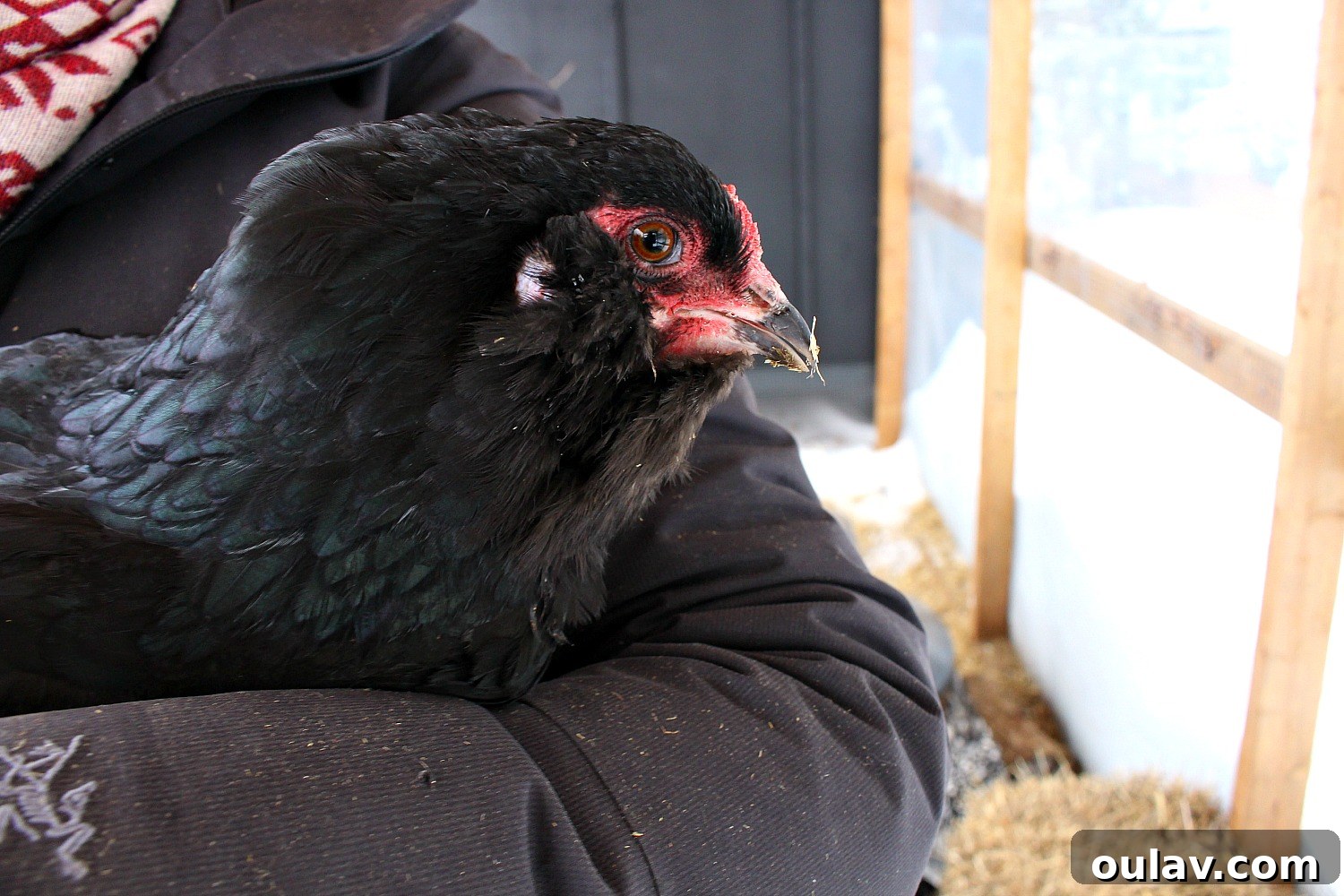
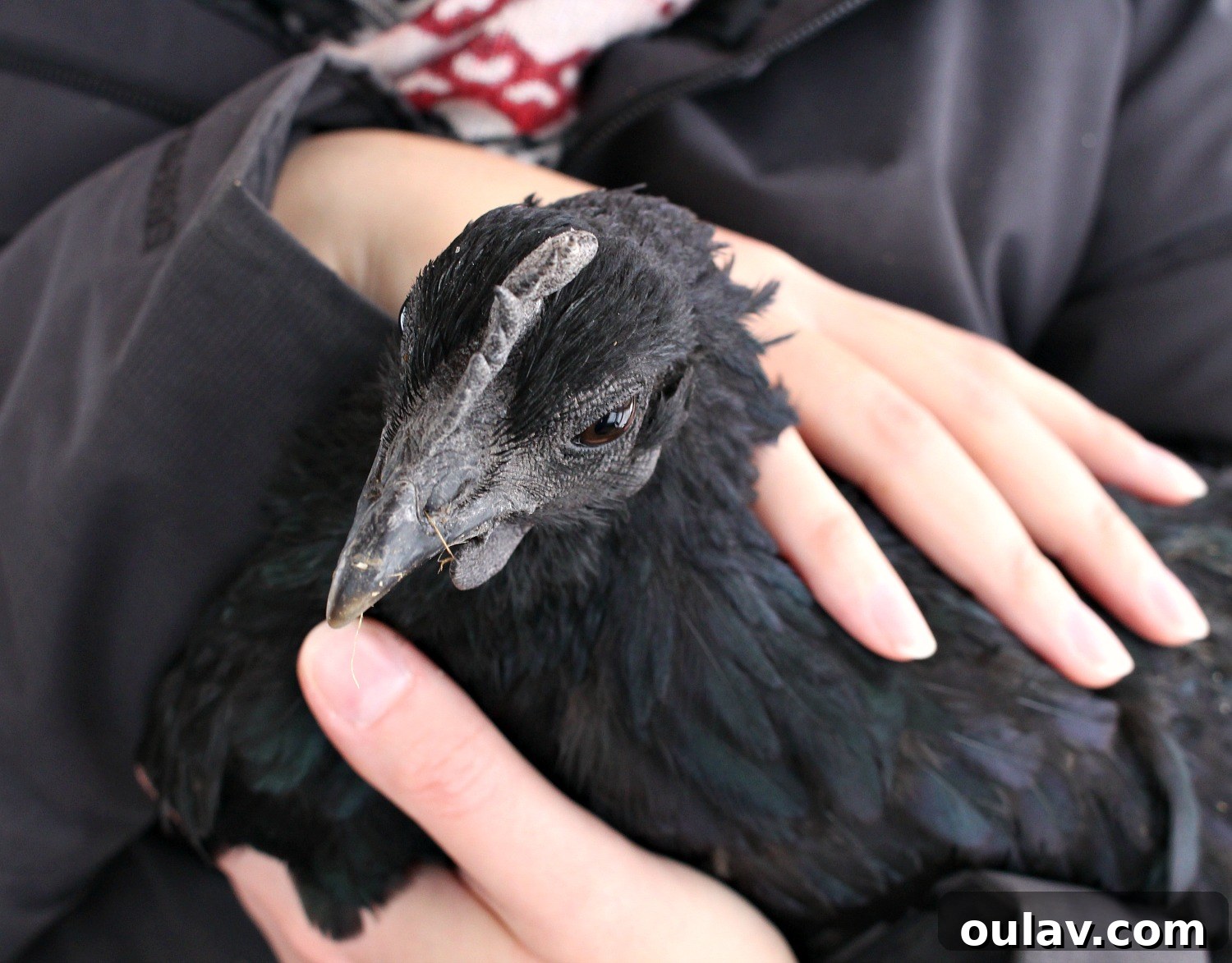
Beyond the mess, chickens are susceptible to a range of very unpleasant health problems that you might have to manage, especially if you lack access to a specialized poultry or avian veterinarian (even if you do, a $90 visit fee can be a deterrent). There’s always the underlying fear that a normal Tuesday could suddenly transform into a horror movie scenario, where you might find yourself picking maggots from a hen’s vent or dealing with a large, horrific gaping wound (a true story for the latter). And these emergencies invariably strike at the worst possible times. When Jet, my beloved Ayam Cemani hen, passed away, it happened minutes before I had to drive my husband to the airport, in the dead of winter. I was left alone to deal with the aftermath and was unable to even bury her properly.
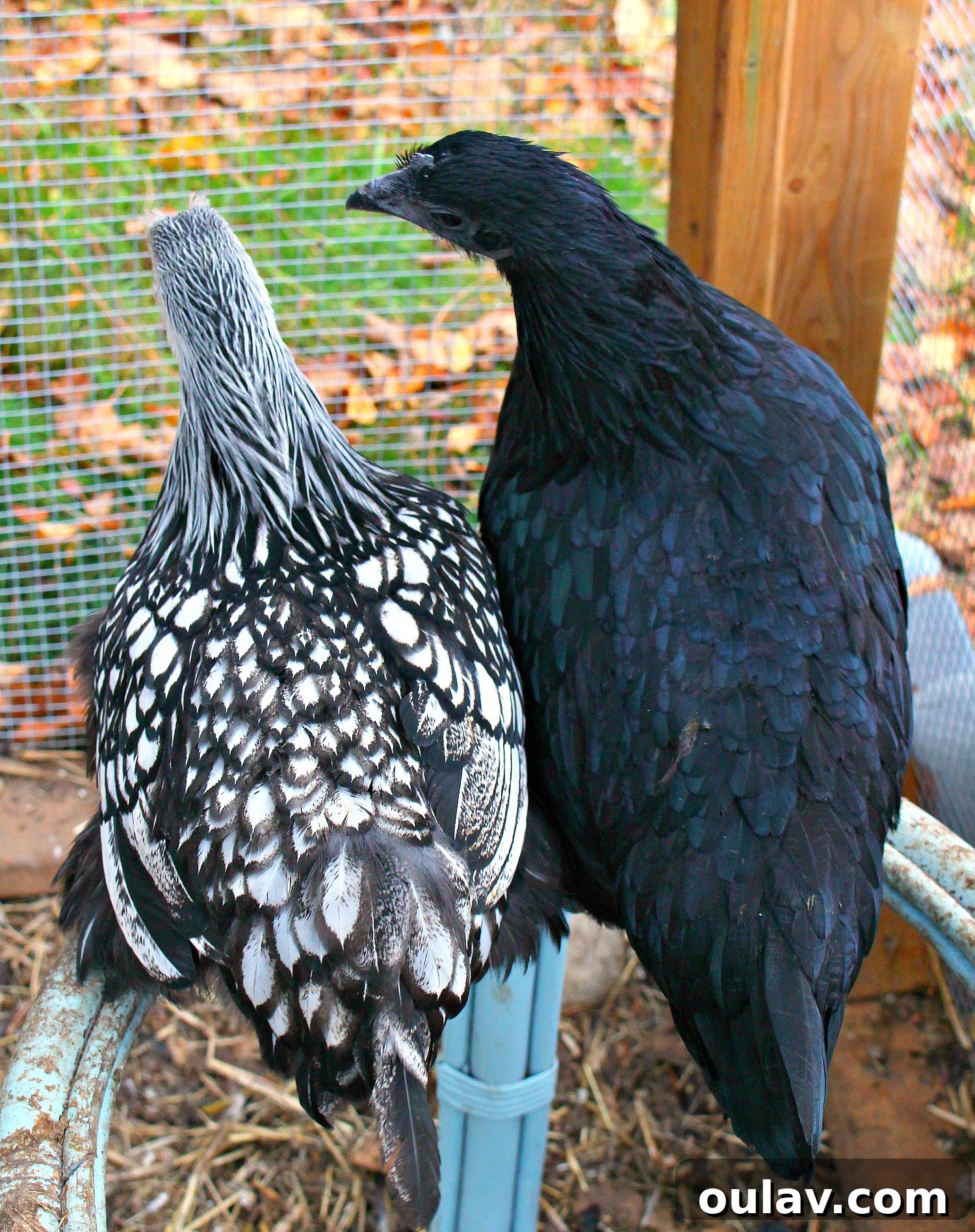
I still miss her dearly, so be prepared for the inevitable heartbreak that can accompany chicken keeping.
How to Determine if Chickens Are Worth It for You:
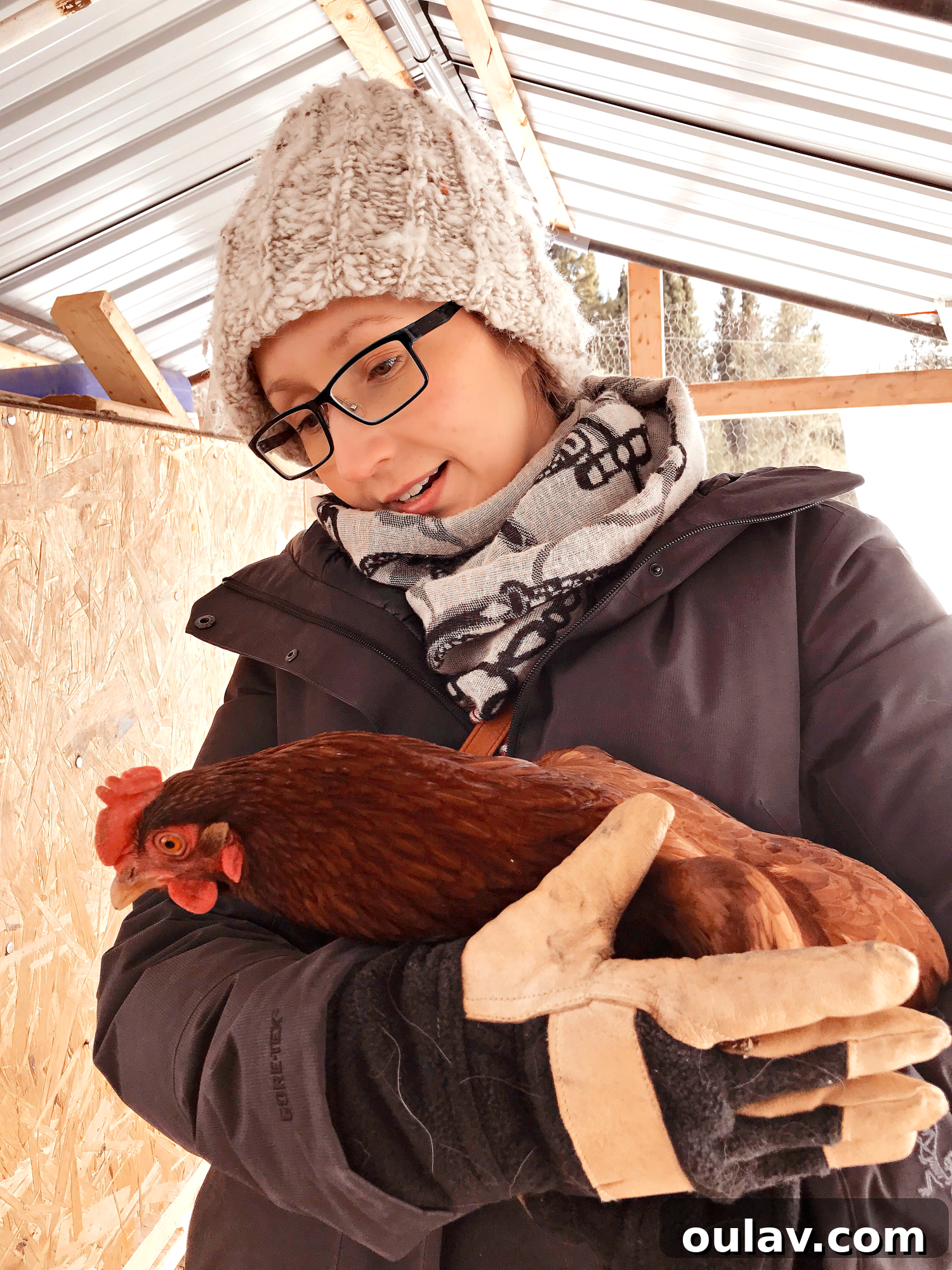
My strongest advice is to connect with local chicken keepers and visit their setup. Before we committed, we visited our friends’ coop, observing their structure and daily routine. During that visit, I promptly got crapped on by the chicken I was holding, and my boots became caked with droppings. This firsthand experience provided a raw, unfiltered preview of what I was getting into – though I was still surprised by certain aspects later on. This is the best preparation because Instagram, while full of dreamy photos of chicks in McCoy planters (guilty!) and docile hens in tutus, doesn’t paint the complete picture. Edited out of those idyllic narratives are gruesome health problems, sudden chicken deaths, the difficult decision of having to cull a bird yourself, endless cleaning of droppings, getting pecked so hard in the face that you bleed (another true story!), and countless other unexpected and unpleasant experiences.
In terms of cost, before you order your first chick, take a practical approach. Wander through your local hardware store (like Home Depot) and browse online retailers (like Amazon) to compile a comprehensive list of all brooder, coop, and general chicken supplies you’ll need. This exercise will help you estimate the true cost of your specific setup, as it varies greatly depending on individual preferences and climate challenges. Be brutally honest with your cost estimates, then add an additional 30% for unforeseen expenses, much like you would for a home renovation. Consider your current egg consumption and the value you place on a small measure of food security for your family, then make a well-informed decision for yourself.
The Key Takeaways for Backyard Chicken Keepers:
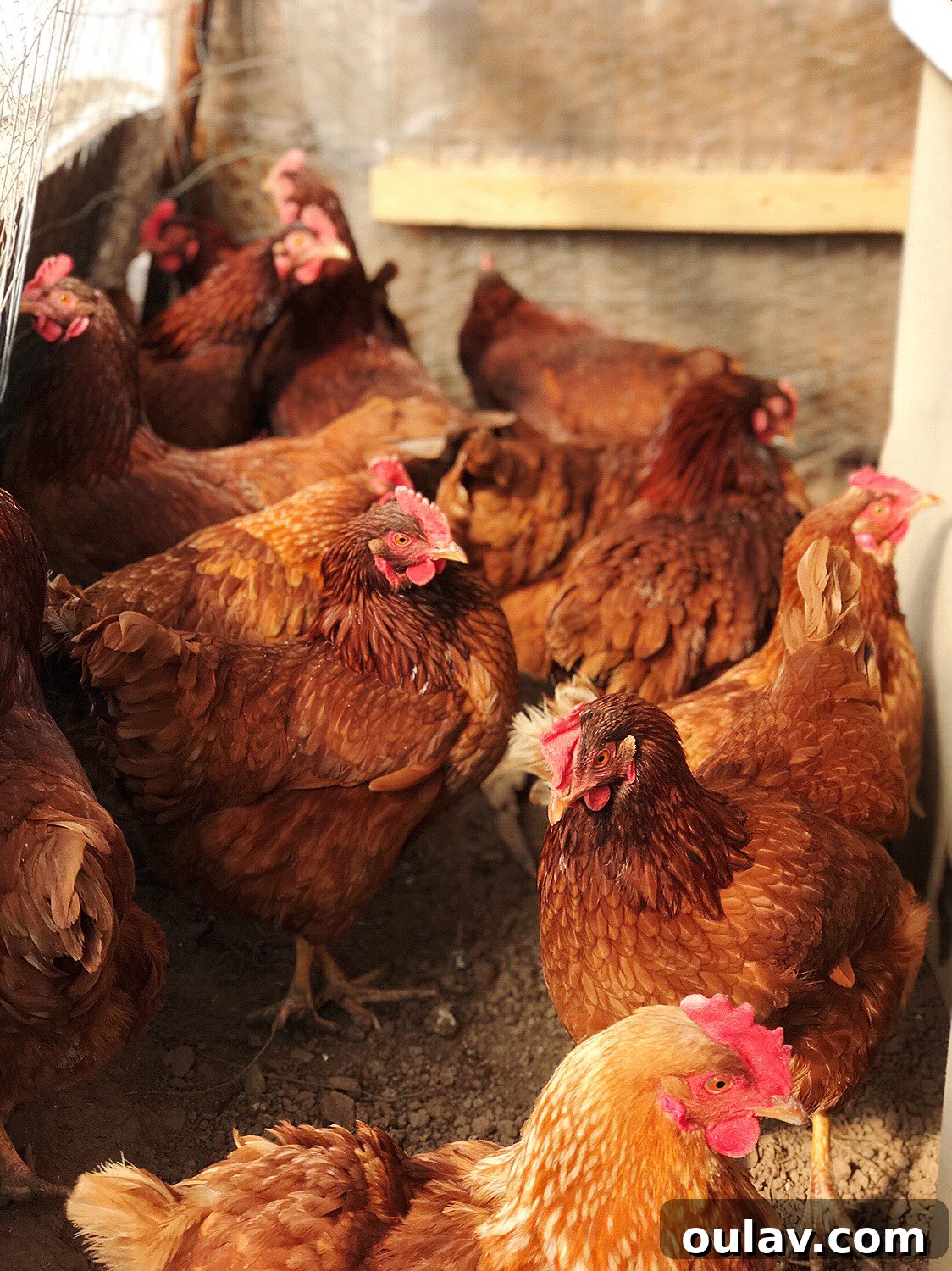
Raising chickens will almost certainly cost more time and money than you initially anticipate, but in return, you’ll discover a wealth of unexpected rewards. While you might not drastically cut down your grocery bill, the unparalleled freshness and flavor of “backyard fresh” eggs are undeniable. Moreover, the entire process of raising chickens can be incredibly enjoyable and enriching. While people have kept chickens for generations as a practical source of food and income, contemporary backyard chicken keeping often involves elaborate coops and runs, which can quickly escalate costs. However, if you work a 9-5 job outside the home, conveniences like an automatic chicken door and a secure, sheltered run provide invaluable peace of mind. As a homebody who works from home, managing chickens is somewhat easier for me, but many individuals with busy lives successfully keep backyard chickens.
Ultimately, I believe that truly liking chickens and appreciating the unique satisfaction of collecting your own fresh eggs are essential for this endeavor to be truly “worth it.” In terms of daily time commitment, adult chickens don’t demand much (often as little as 15 minutes!), but be prepared for those urgent days when they suddenly require your immediate and focused help. Be ready to invest time in continuously learning about these fascinating animals, understanding their proper care, and frantically Googling medical problems when they inevitably arise. And last, but certainly not least, prepare yourself to handle a significant amount of poop. I cannot emphasize this enough: THE POOP. If you’re eager to delve deeper into my experiences and advice on chicken keeping, you can find all my posts about chickens and eggs by clicking here.
P.S. Don’t Forget to Pin for Later!