
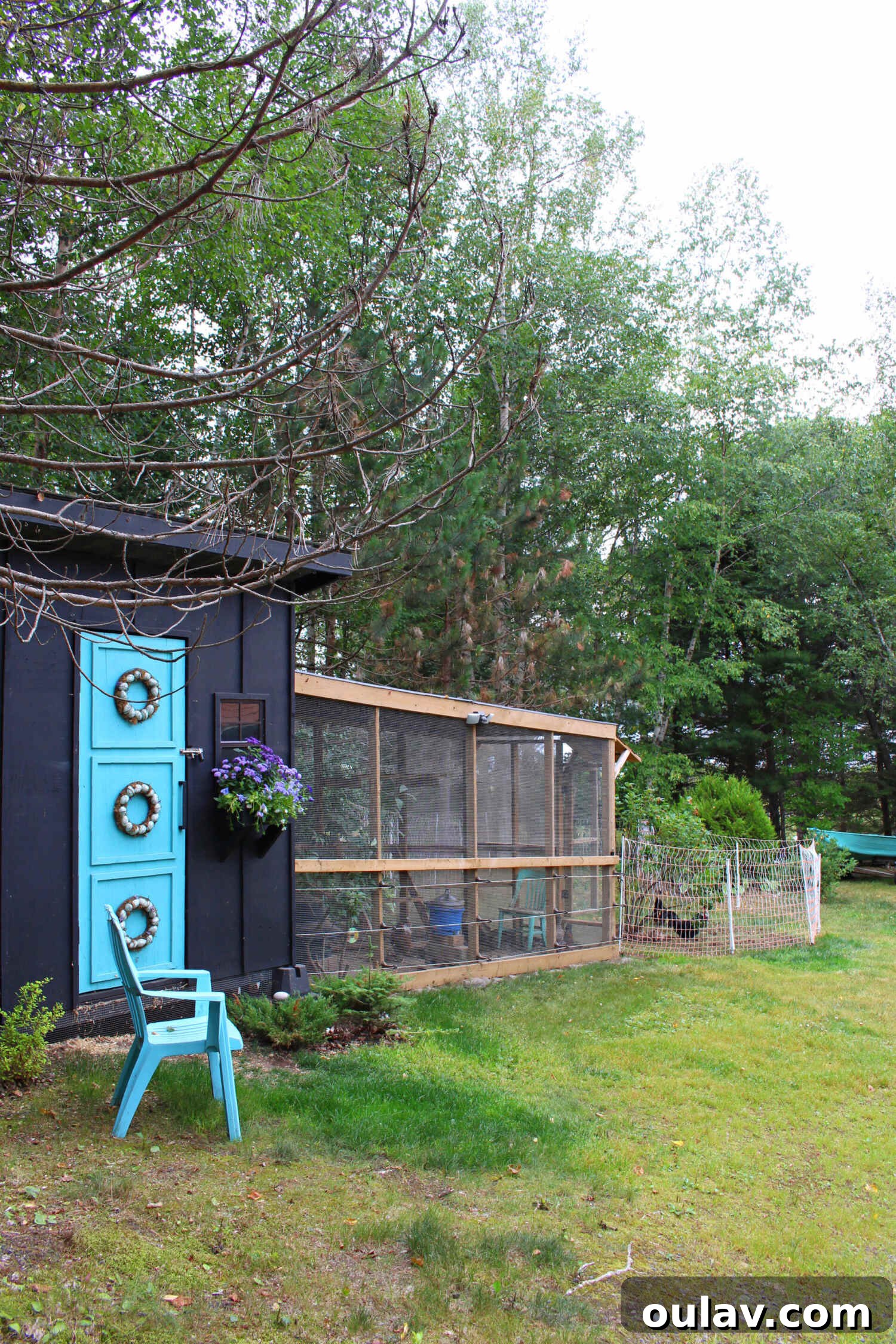
For many backyard chicken enthusiasts, the perennial question looms: how do we ensure the safety of our cherished free-ranging flock while still allowing them the freedom and enrichment they deserve? It’s a dilemma I’ve grappled with since welcoming chickens into my life. The choice often feels stark: prioritize absolute confinement for safety, or risk exposure for the sake of natural behavior and happiness? This article chronicles our journey to find a solution that offers the best of both worlds, transforming our approach to chicken keeping and bringing a new level of peace of mind.
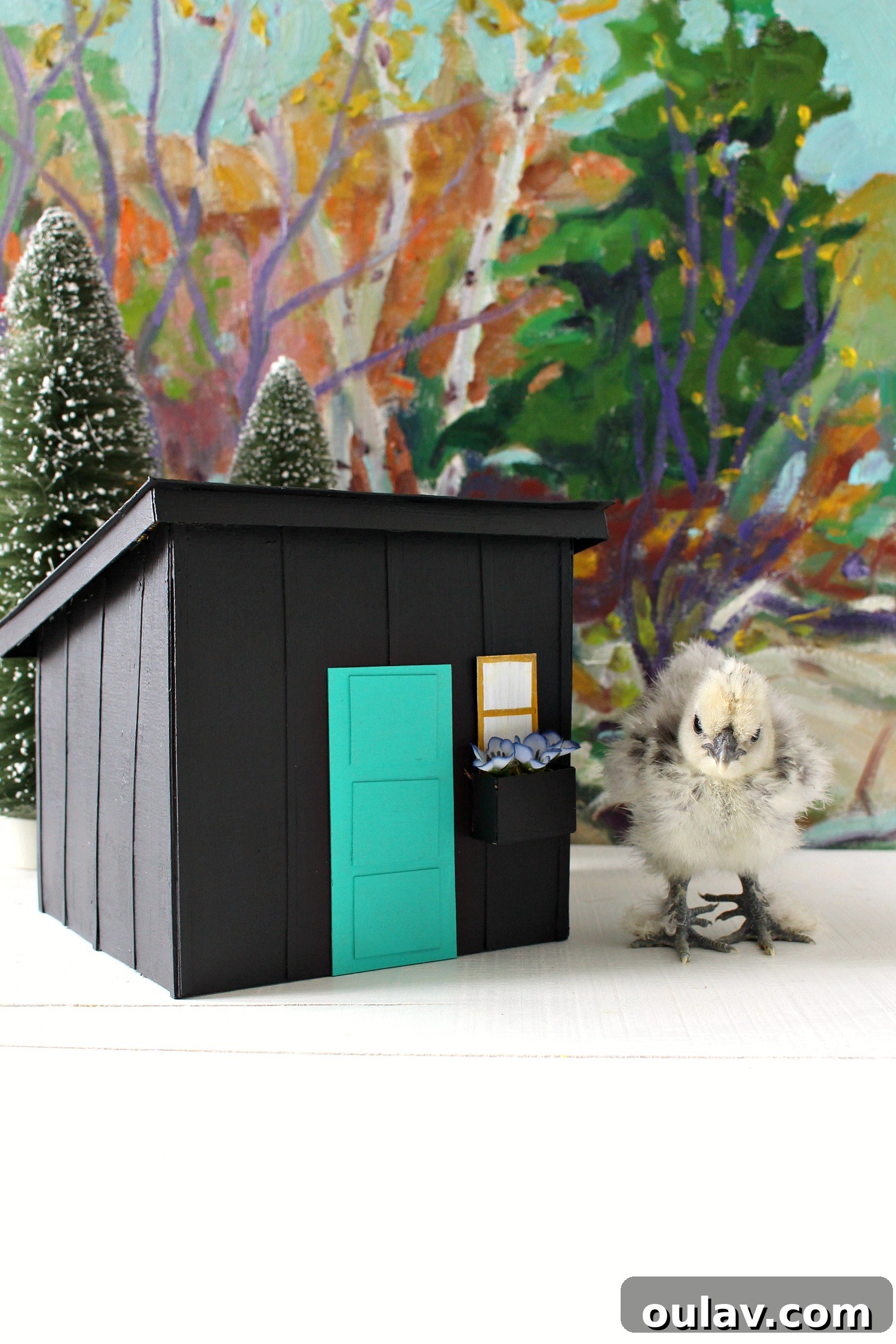

Building a Fortress: Our Modern Chicken Coop & Predator-Resistant Run
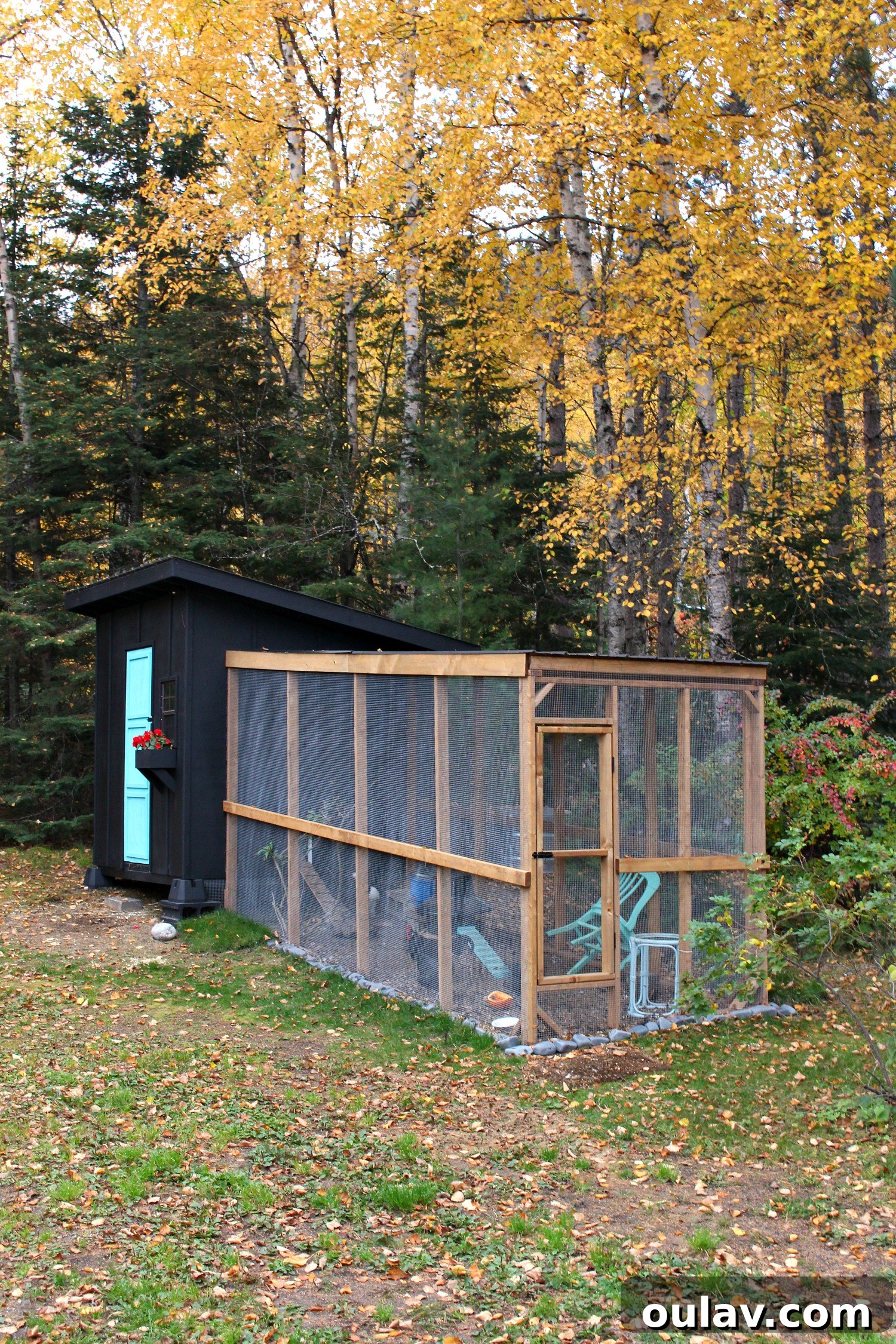
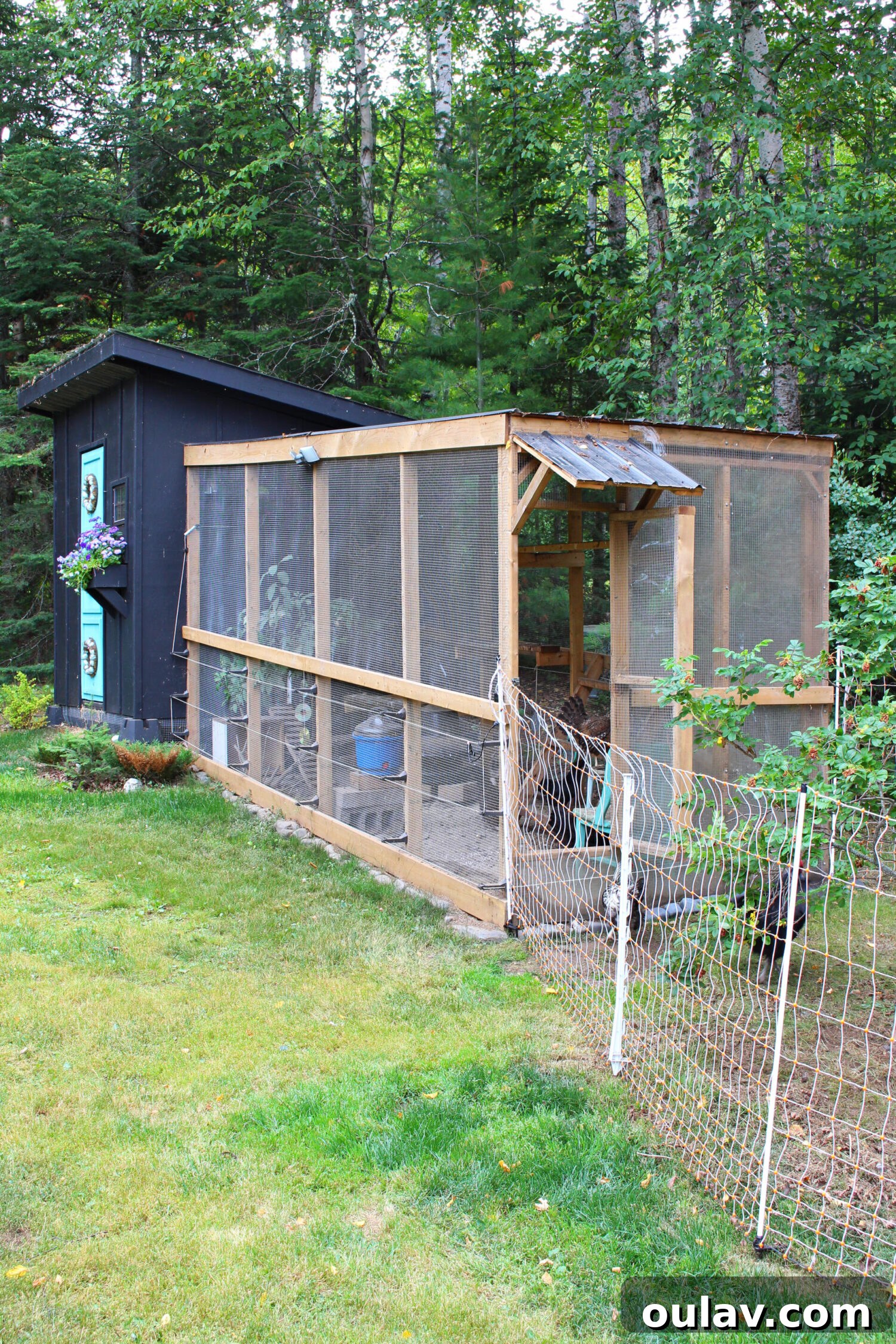
Our adventure into chicken keeping began with a singular focus on security. When we first introduced chickens to our backyard, our primary concern was safeguarding them from the myriad predators that inhabit our rural environment. This led us to construct a robust “barn” that housed a separate, insulated coop within its walls, complemented by an attached, covered run. We spared no effort or expense in integrating comprehensive safety measures designed to deter even the most determined intruders.
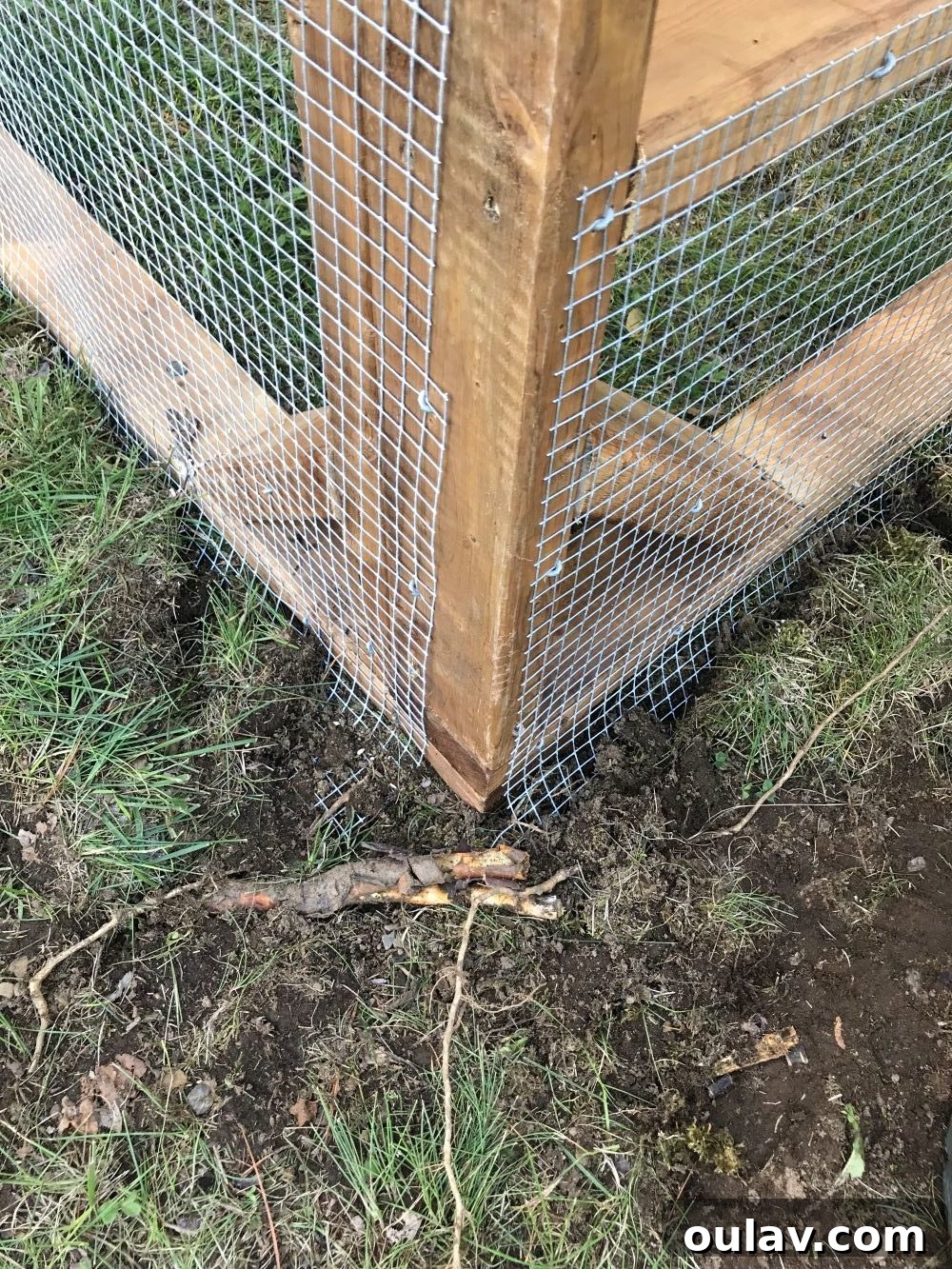
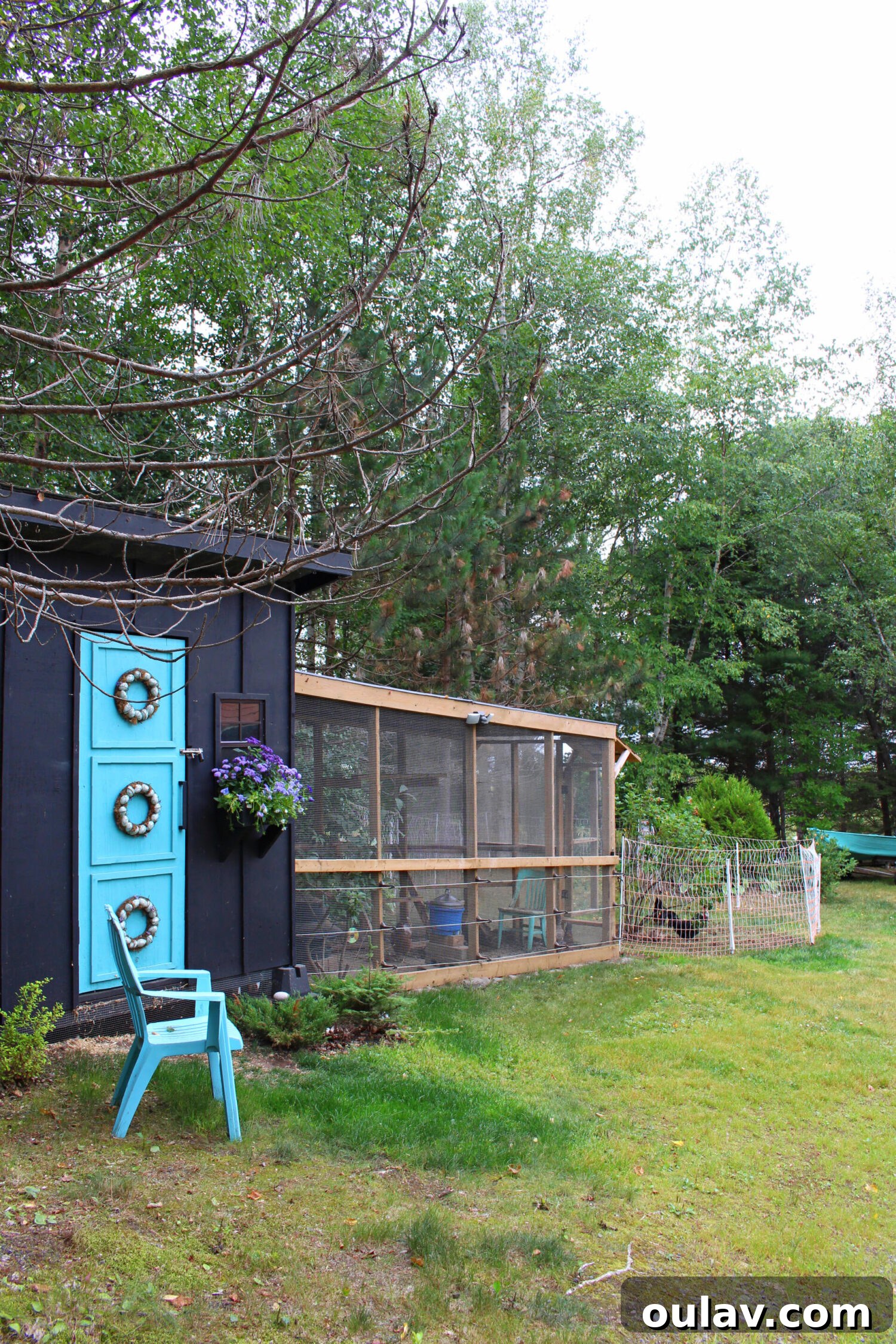
The coop itself functions as a fortified haven, a structure completely independent within the larger barn. It features thick, insulated doors, creating an impenetrable barrier. This multi-layered defense means that even if a predator manages to breach the outer barn, they still face another significant obstacle before reaching the flock. Our commitment to safety extended to the run as well. Instead of flimsy chicken wire, which can be easily compromised, we opted for heavy-duty hardware cloth. This material is not only significantly sturdier but was also buried deep into the ground, creating an effective apron to prevent predators from digging underneath and gaining access.
Understanding the threats from above, the run was also equipped with a solid roof, offering protection not only from harsh weather elements but also from airborne predators like hawks and owls. We meticulously sealed off any potential entry points, including the soffit areas, with additional hardware cloth to prevent climbing predators. The appearance of raccoons in our vicinity prompted an immediate upgrade to our security hardware; standard latches were replaced with combination padlocks, adding another layer of defense against these intelligent and agile creatures. We truly invested a significant amount of time, effort, and resources into creating what we believed was an impregnable fortress for our chickens. You can see the full construction details of our coop and run here.
The Harsh Reality: No System is 100% Secure, and Confinement Comes with Costs
Despite our extensive efforts, these seemingly perfect solutions quickly revealed their limitations. The chickens, confined to their run, rapidly transformed the once-green space into a muddy, unsanitary mess. What was intended as a safe haven became a “poopy mud pit” where they were trapped all day. This sight filled me with sadness and concern for their well-being. I began to question the quality of life we were providing. Having lost a few chickens without clear cause, I wondered if their deaths were linked to the lack of a stimulating, healthy environment. The trade-off felt too steep: sacrificing their natural inclination to forage and explore for a confinement that was far from ideal.
My desire for them to free-range grew stronger, but the presence of neighboring dogs, wild foxes, bears, and even geese roaming our yard presented undeniable safety risks. The perceived security of our elaborate run, however, proved to be a false sense of security. Last year, a bear, with astonishing force, tore into the run, allowing a fox to follow suit. While, fortunately, all our chickens escaped unharmed, this incident was a stark and terrifying wake-up call. It hammered home the undeniable truth: no system is absolutely 100% safe, and confining our flock, while providing some protection, also deprived them of their inherent freedom without guaranteeing absolute security.
A Paradigm Shift: Electric Fencing to the Rescue!
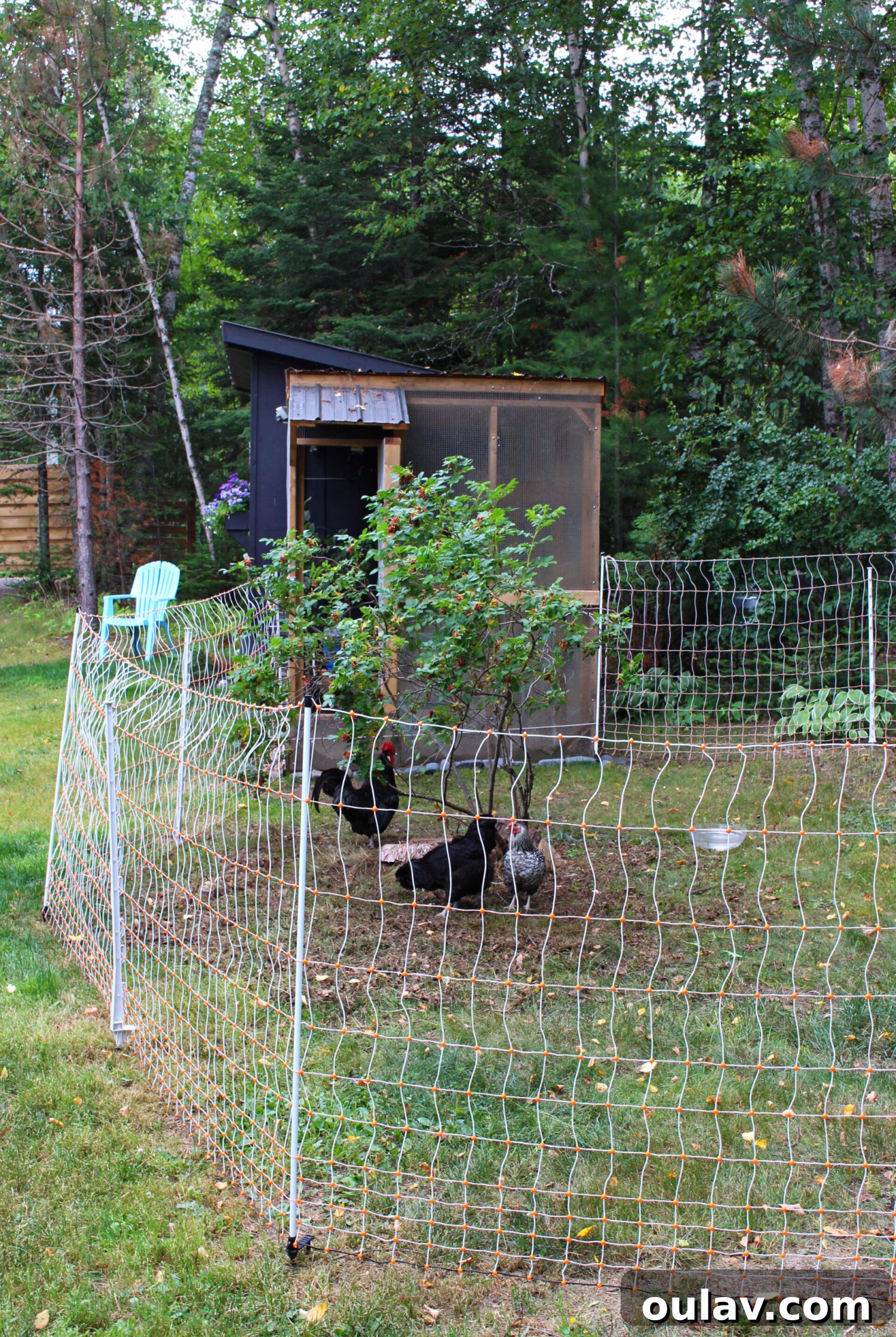
The predator breach forced us to re-evaluate our entire strategy. It was clear we needed an additional layer of defense that went beyond passive barriers. This realization led us to install permanent electric fencing around the perimeter of our existing run and barn. The results were nothing short of miraculous. While I hesitate to tempt fate, the persistent bears and cunning foxes that had previously shown keen interest in our flock dramatically ceased their visits after experiencing just a single, memorable “snoot-zap.” This immediate and effective deterrent sparked a new idea: if electric fencing worked so well for the fixed run, perhaps we could harness its power to grant our chickens more freedom to free range, safely, with a portable electric fence system.
Embracing Mobility: Why a Portable Electric Fence is Ideal for Chickens
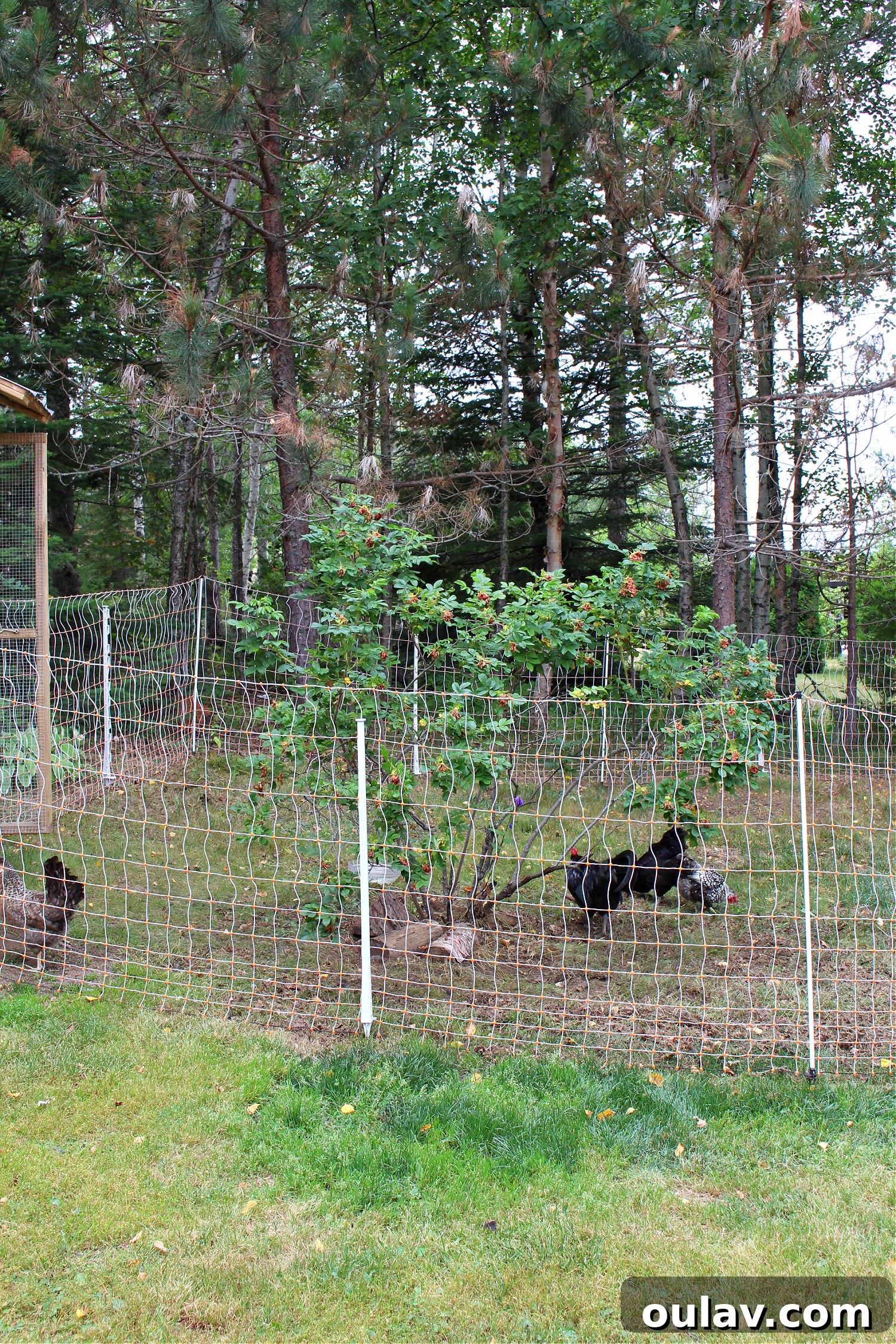
The concept of a portable electric fence quickly became our preferred solution for several compelling reasons. Chickens are incredibly efficient “tillers” of the soil. Left in one spot for too long, they can quickly decimate green areas, turning lush grass into bare dirt. This phenomenon not only impacts the aesthetics of the yard but also reduces the availability of fresh forage for the chickens themselves. A portable fence allows us to easily rotate their “free-ranging” area, giving depleted spots time to recover and regrow. This approach promotes better pasture management, healthier chickens with access to varied diet, and preserves the overall condition of our yard.
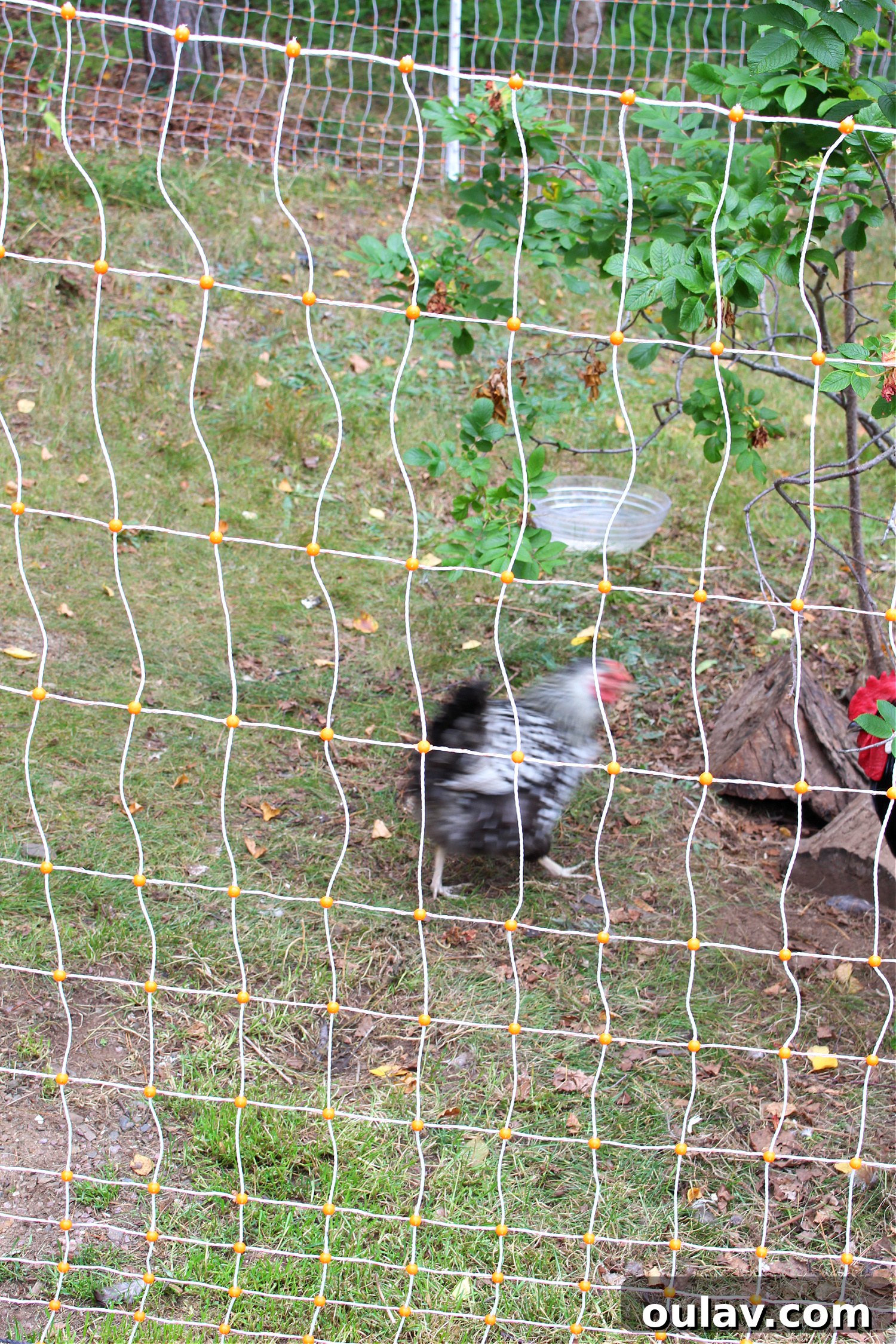
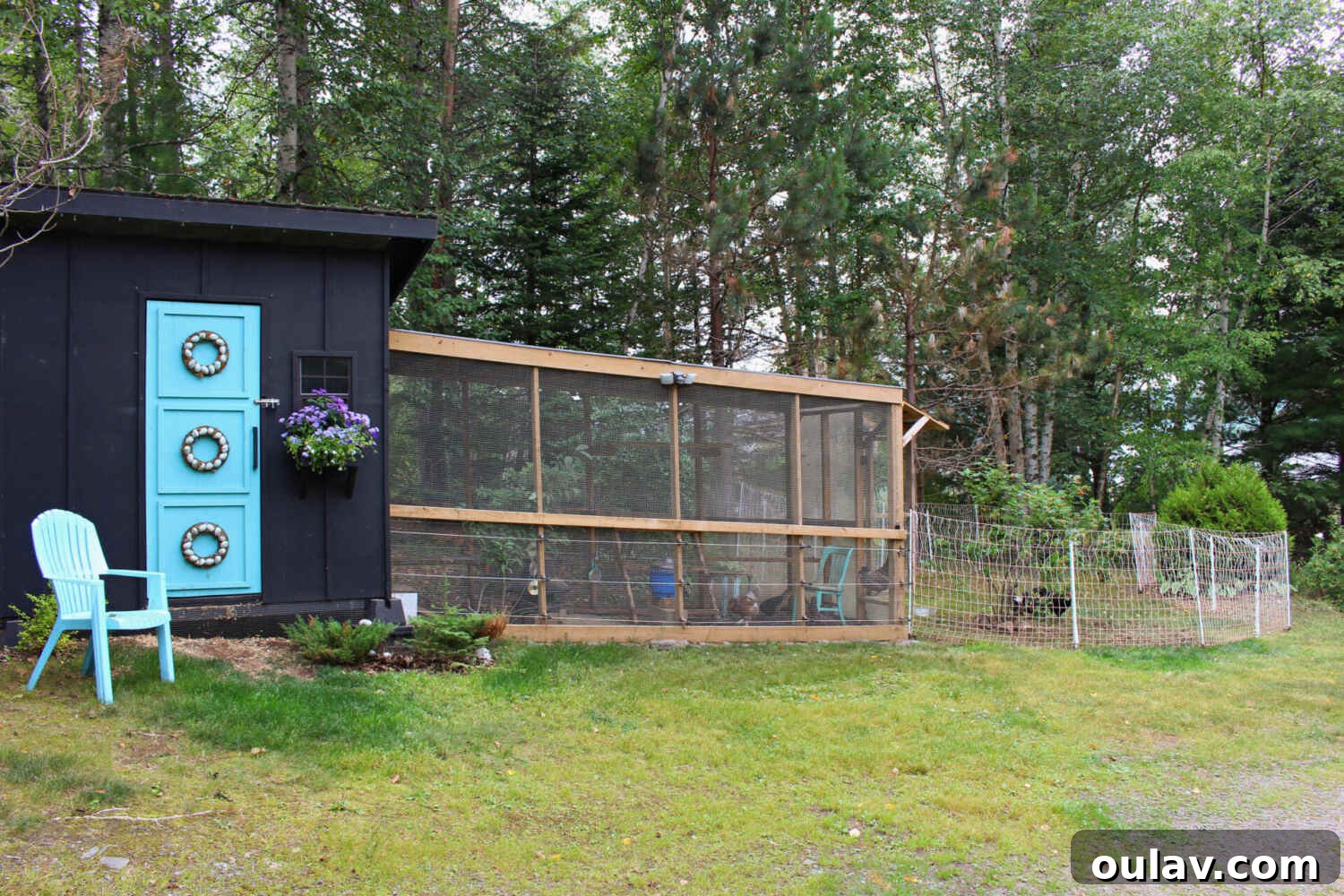
After researching various options, we opted for the tallest poultry netting fence available at the time, which was surprisingly only 48 inches high. We deployed it with a mix of optimism and anticipation, hoping it would provide the necessary containment and protection while offering the flexibility we sought.
Setting Up Your Portable Electric Poultry Netting: A Practical Guide
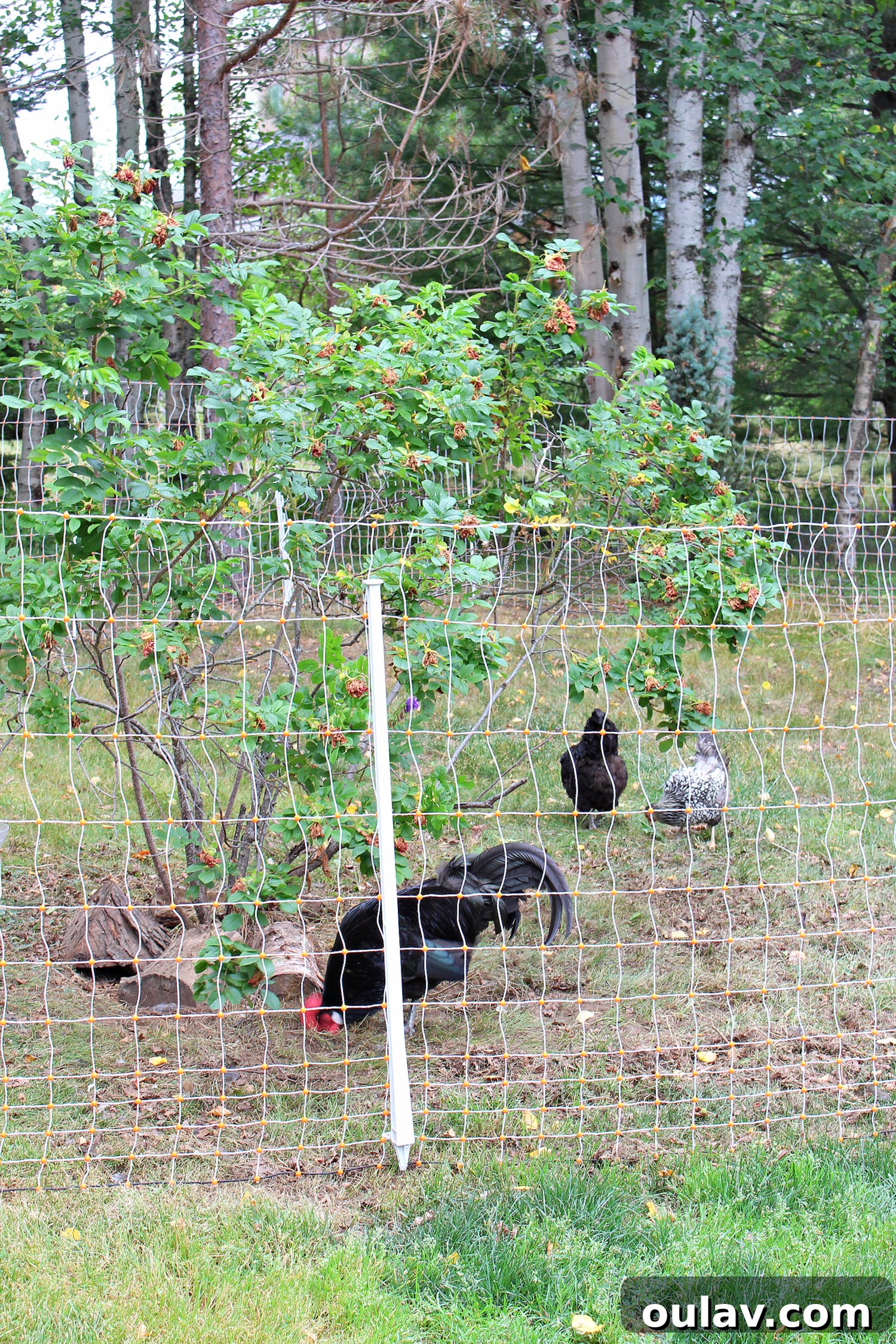
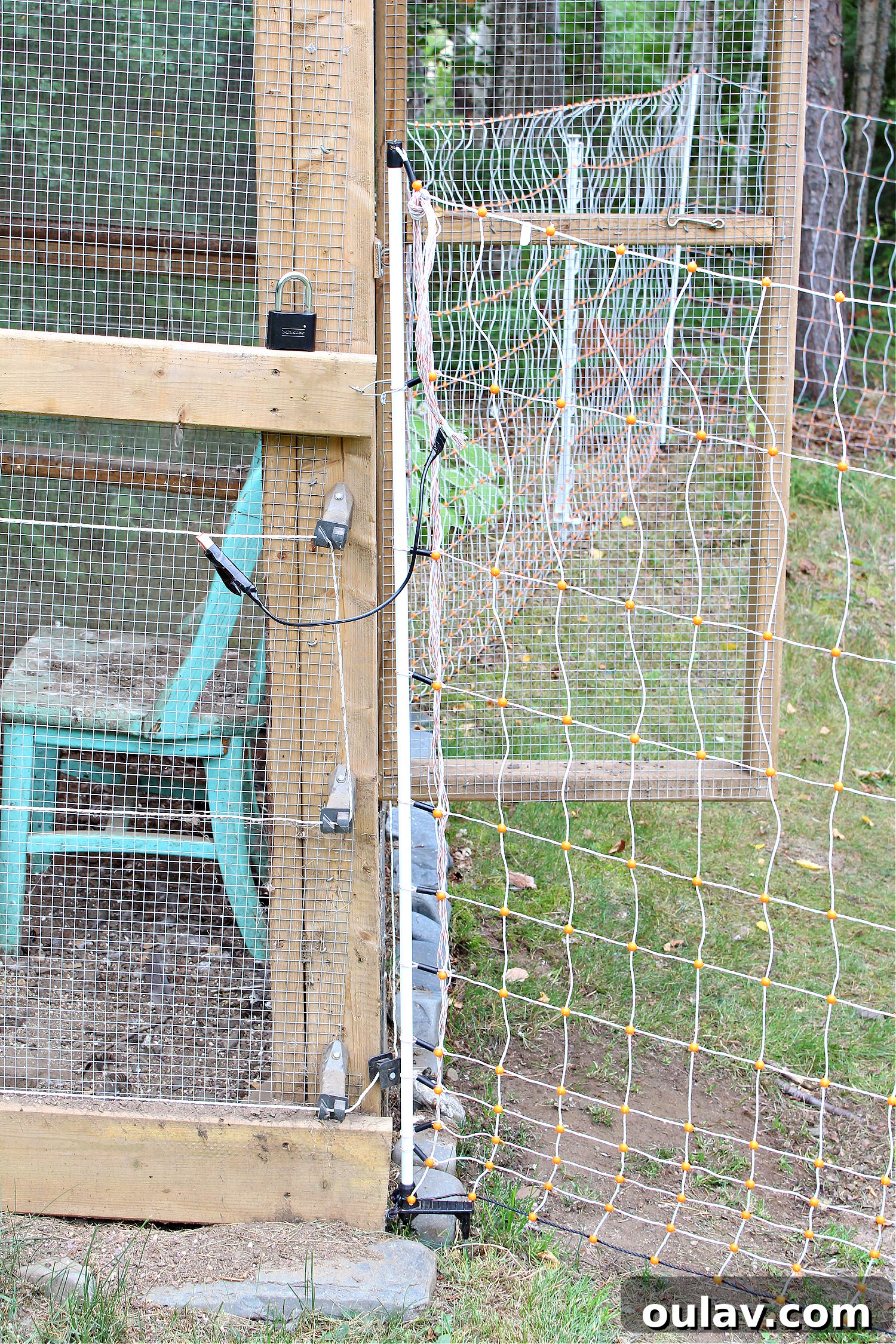
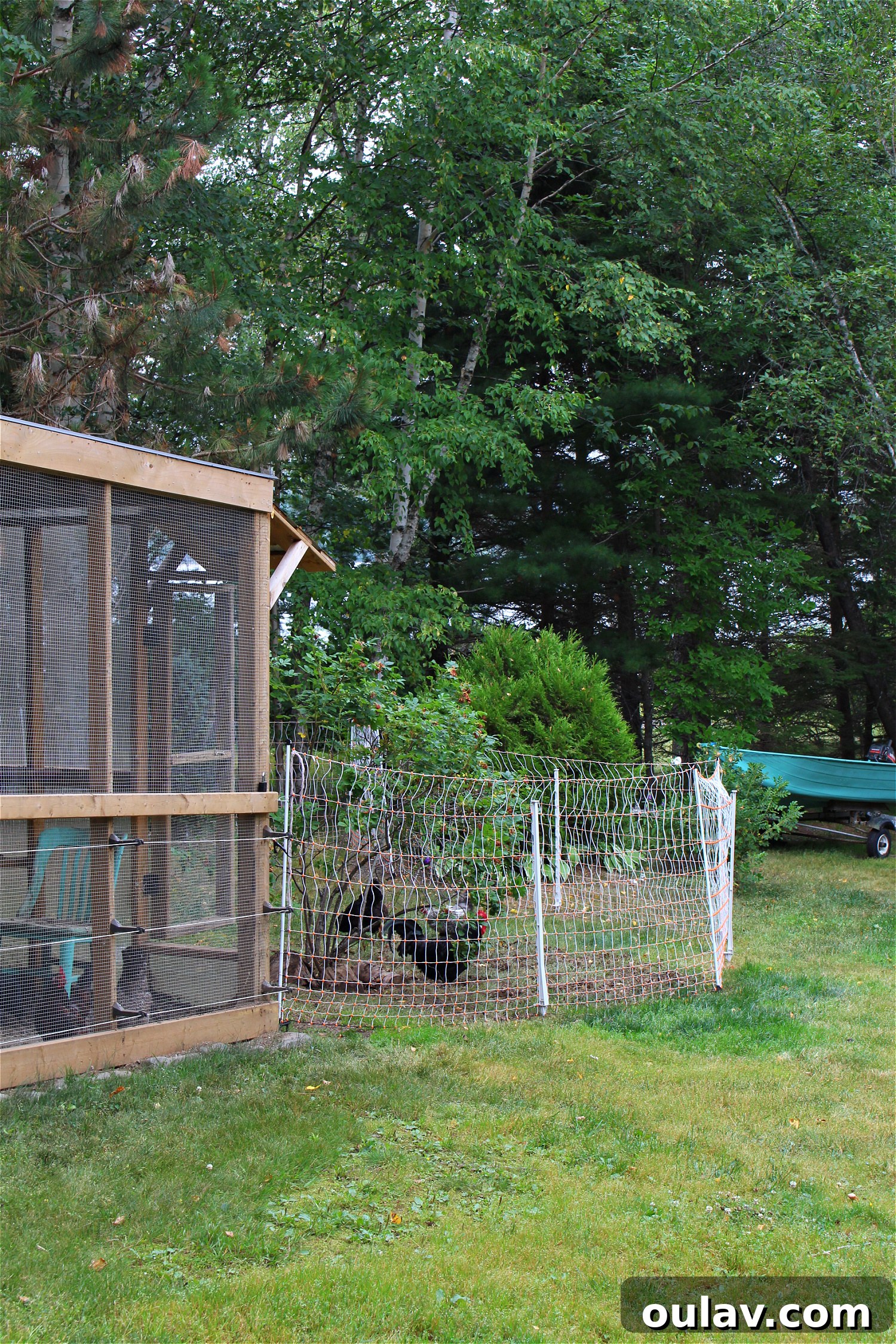
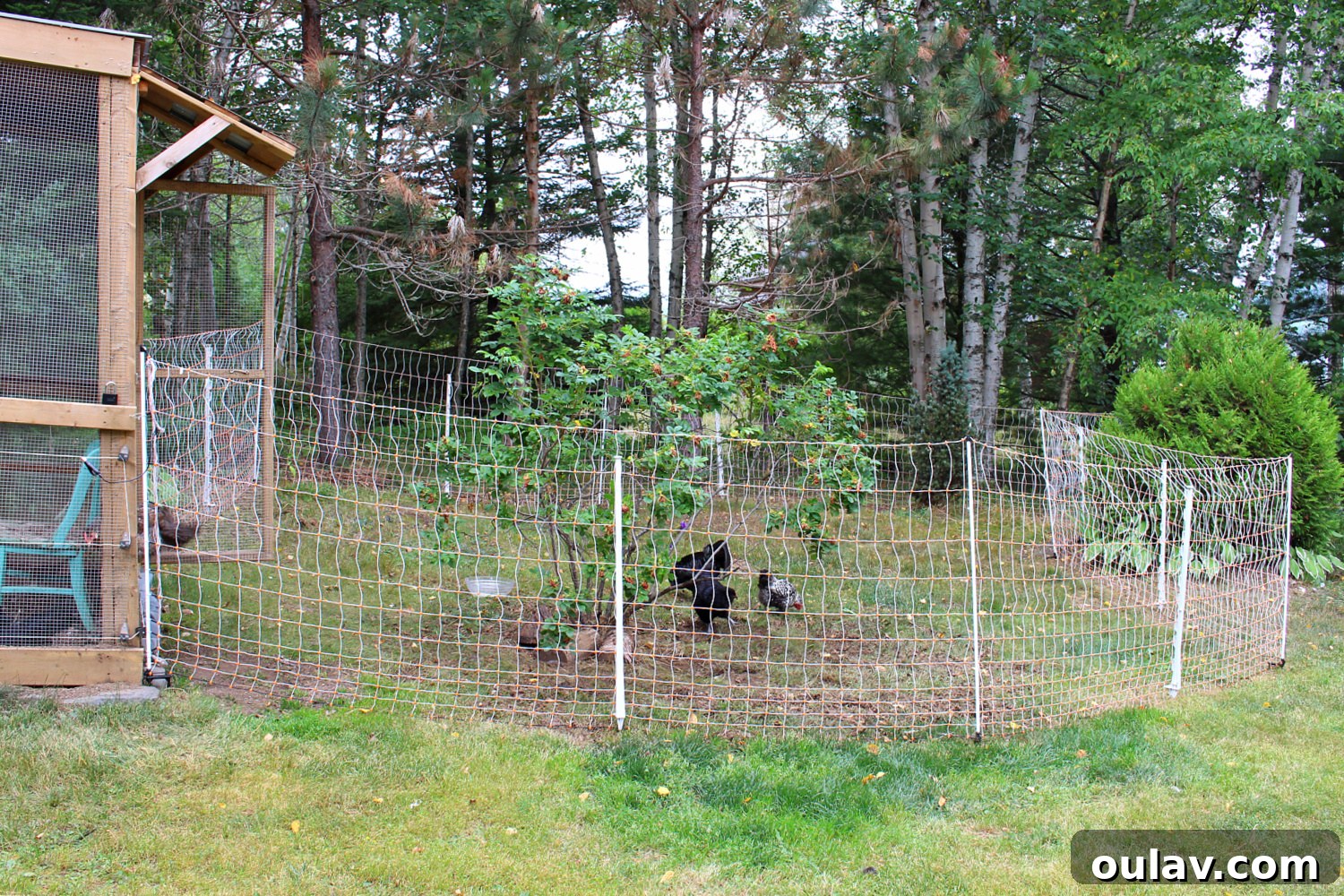
Setting up the portable electric fencing proved to be surprisingly straightforward. The system consists of netting integrated with sturdy, built-in poles that simply push into the ground. This design offers immense flexibility, allowing us to configure the enclosure in almost any shape or layout that suits our yard and the chickens’ needs. The process is as simple as unrolling the netting and then securely positioning the poles where desired.
The electrical component of this system is designed for ease of integration. For our setup, we were able to conveniently hook the portable fence directly into our existing permanent electric fencing system, leveraging its power source. If you’re starting from scratch or don’t have an existing electric fence, you’ll need a dedicated energizer (also known as a “fence charger”) to power the netting. A minimum 2-joule energizer is typically recommended for poultry netting to ensure an effective deterrent. These energizers come in various forms, including solar-powered and battery-powered models, which are excellent options for areas without easy access to mains electricity. This particular kit, for instance, offers both the poultry netting and a solar energizer in one convenient package, ideal for new installations.
Effective maintenance is crucial for optimal performance of any electric fence. We diligently ensure that the grass and vegetation directly beneath the fencing are kept short. Overgrown grass can come into contact with the electrified lines, causing the fence to “ground out,” which significantly reduces its shocking power and effectiveness. Similarly, we conduct daily checks for any leaves, sticks, or other debris that might have fallen onto the netting, as these can also cause grounding. Regular monitoring ensures the fence maintains its full deterrent capability, keeping our flock safe.
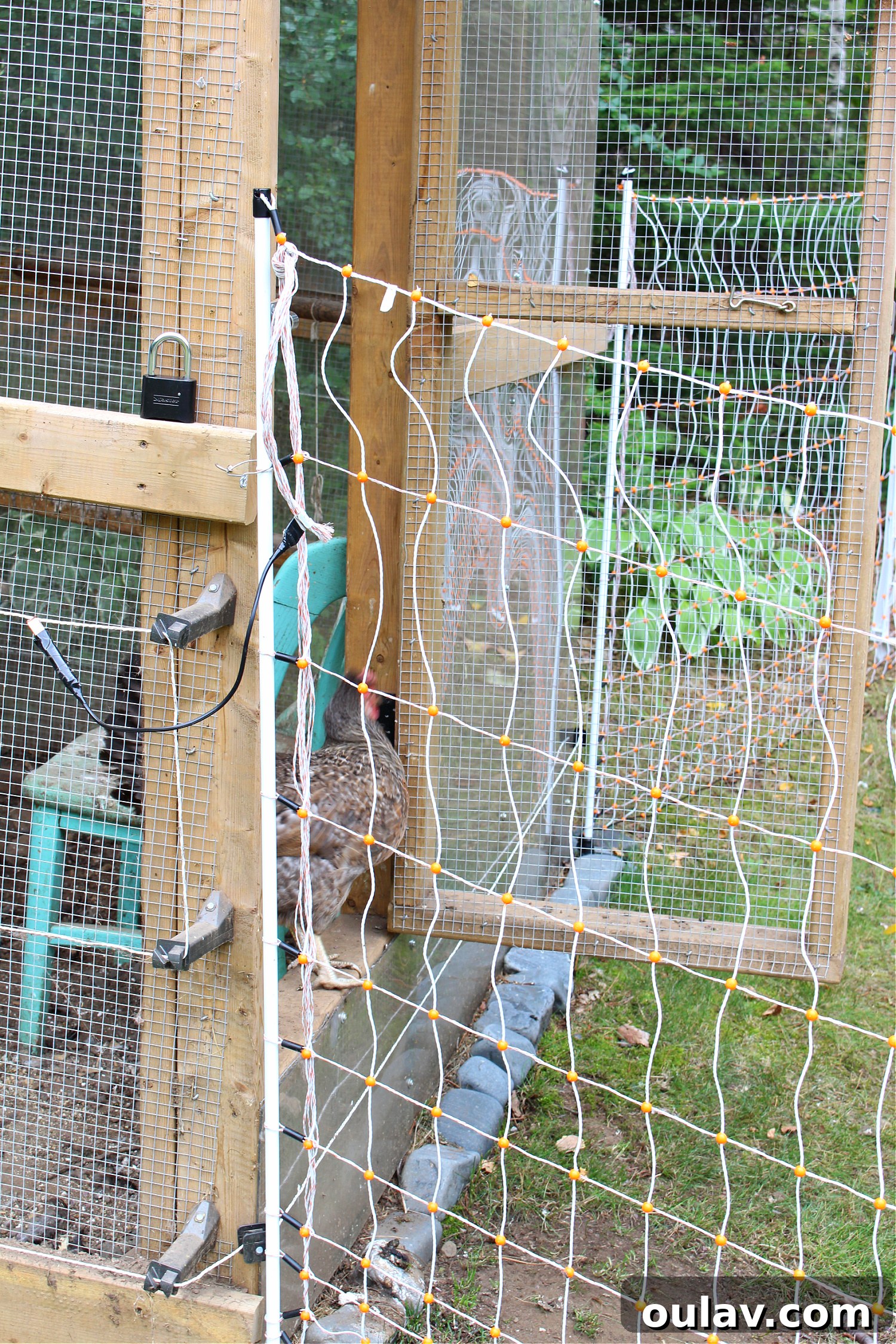
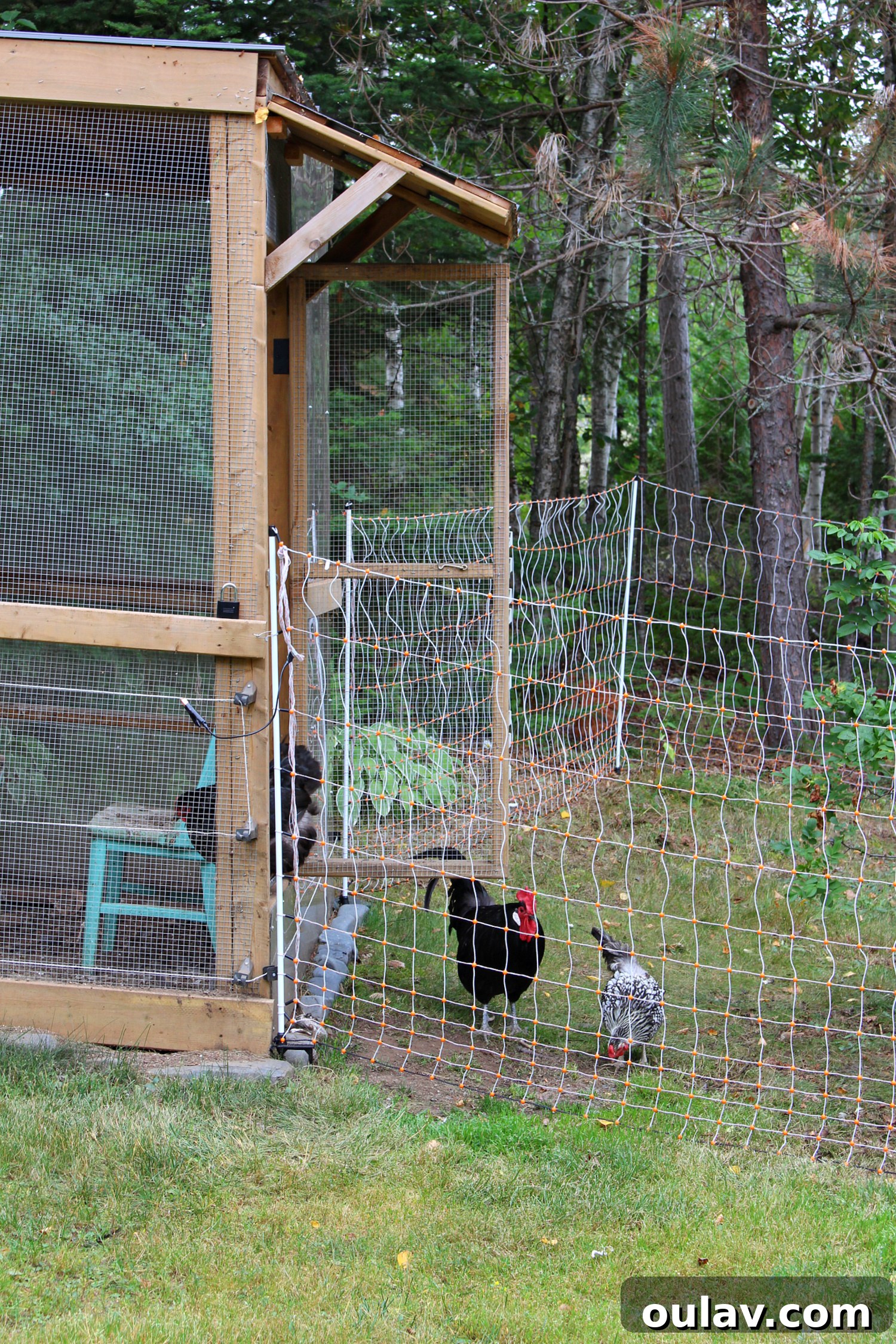
With our current setup, accessing the main coop run requires us to unhook and temporarily move a section of the portable fence. While I initially anticipated this would be a cumbersome task, it has proven to be surprisingly manageable. Each morning, we unlatch the man door to the coop (securing it open with a simple hook) and allow the chickens to transition into their expanded free-ranging area. Looking ahead, our plan is to construct a dedicated, seamless entrance from the permanent run directly into the portable fencing enclosure. This modification will eliminate the need to move the fence for access, streamlining the daily routine and further enhancing convenience.
Optimizing Your Portable Fence: Our Experience and Tips
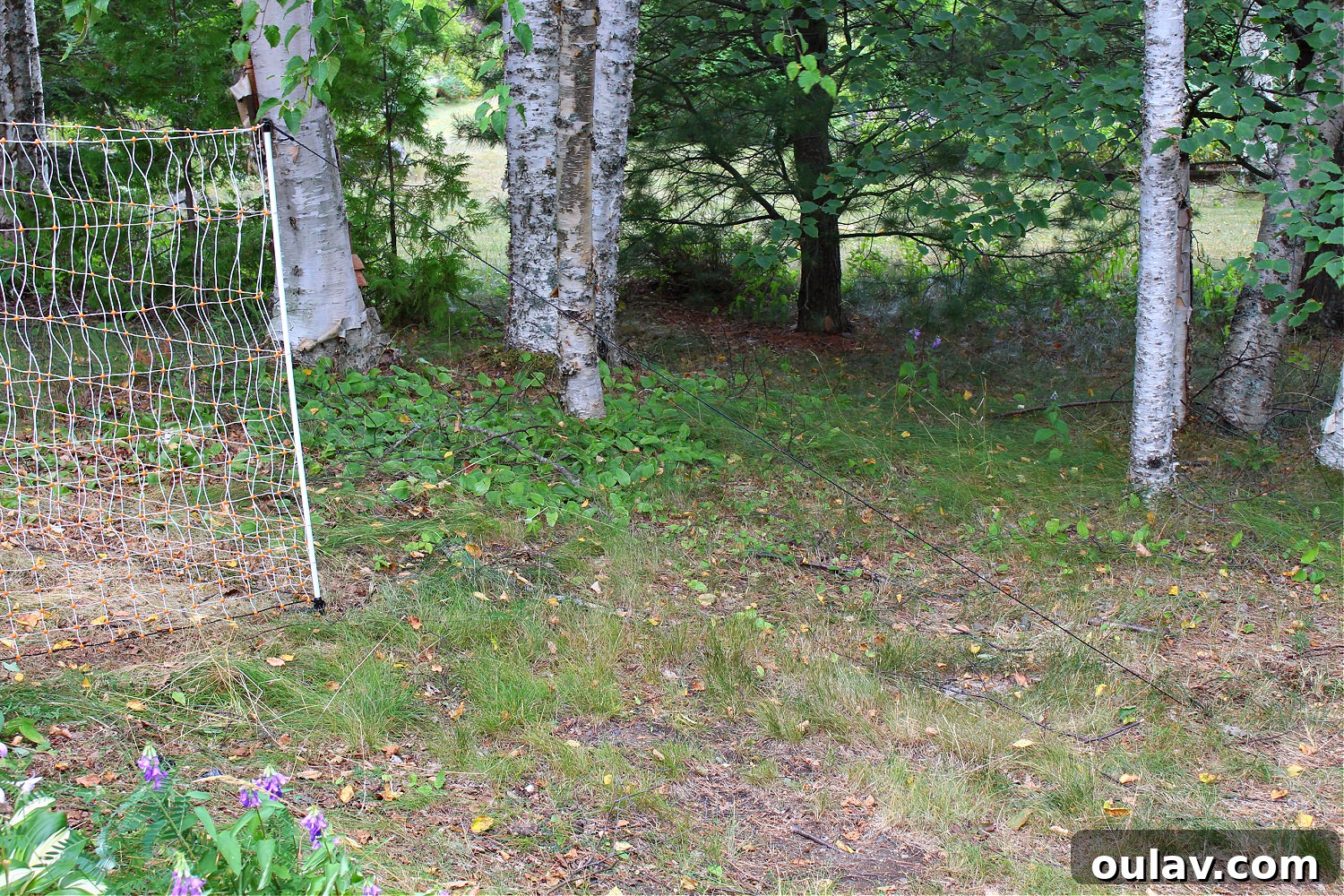
We specifically purchased this exact model of portable poultry netting, which is very similar to this popular option found on Amazon. While the kit provides a functional setup, we quickly realized one easy, yet crucial, modification was needed: adding more support posts. The number of posts included in the standard kit, combined with our exceptionally uneven and rocky terrain, made the fence a bit wobbly and challenging to keep taut and upright. The original matching posts were out of stock, so we sourced some locally. These replacement posts are slightly shorter and square in shape, but they effectively serve their purpose. We invested in one additional post for every section of fencing, and this simple addition dramatically improved the stability and effectiveness of the portable enclosure.
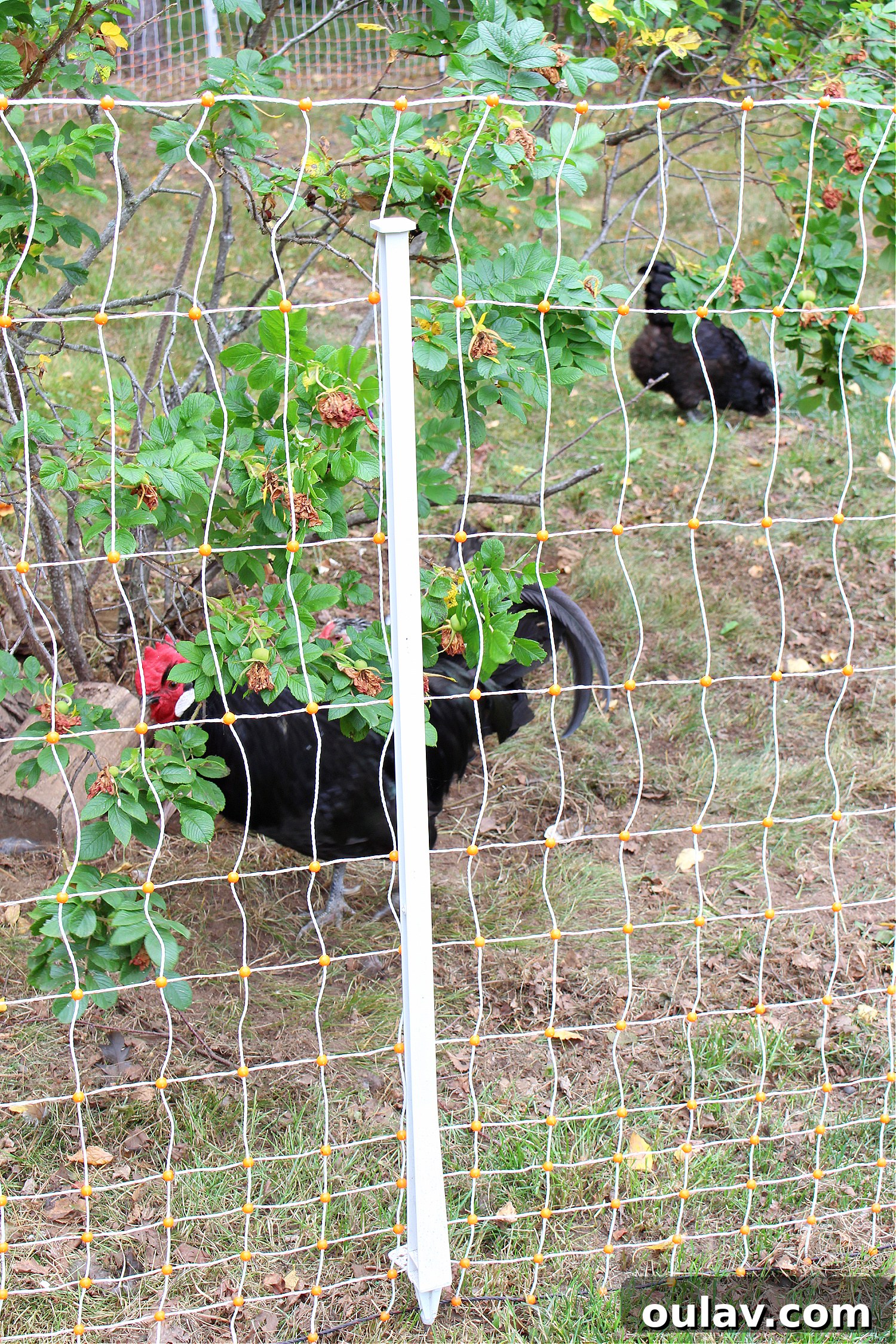
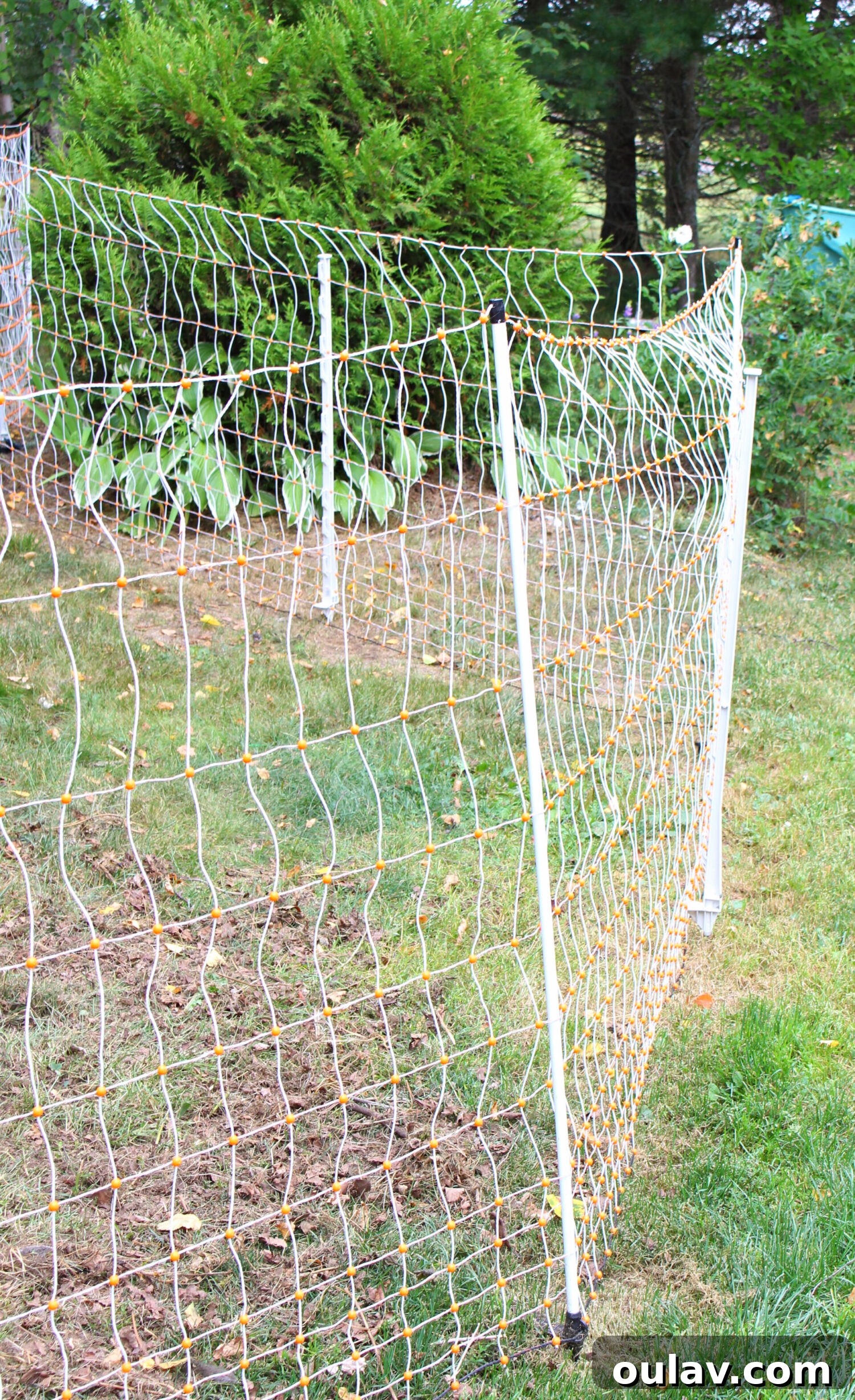
For added stability, especially in windy conditions or on challenging ground, you can also employ guy lines, much like securing a tent (though I’m not a camper myself!). Using cord to help secure the tops of the poles prevents them from leaning over, ensuring the fence maintains its intended height and tension. This is particularly useful in areas where the ground doesn’t offer a firm hold for the posts.
Do The Chickens Truly Embrace Their New Expansive “Run”?
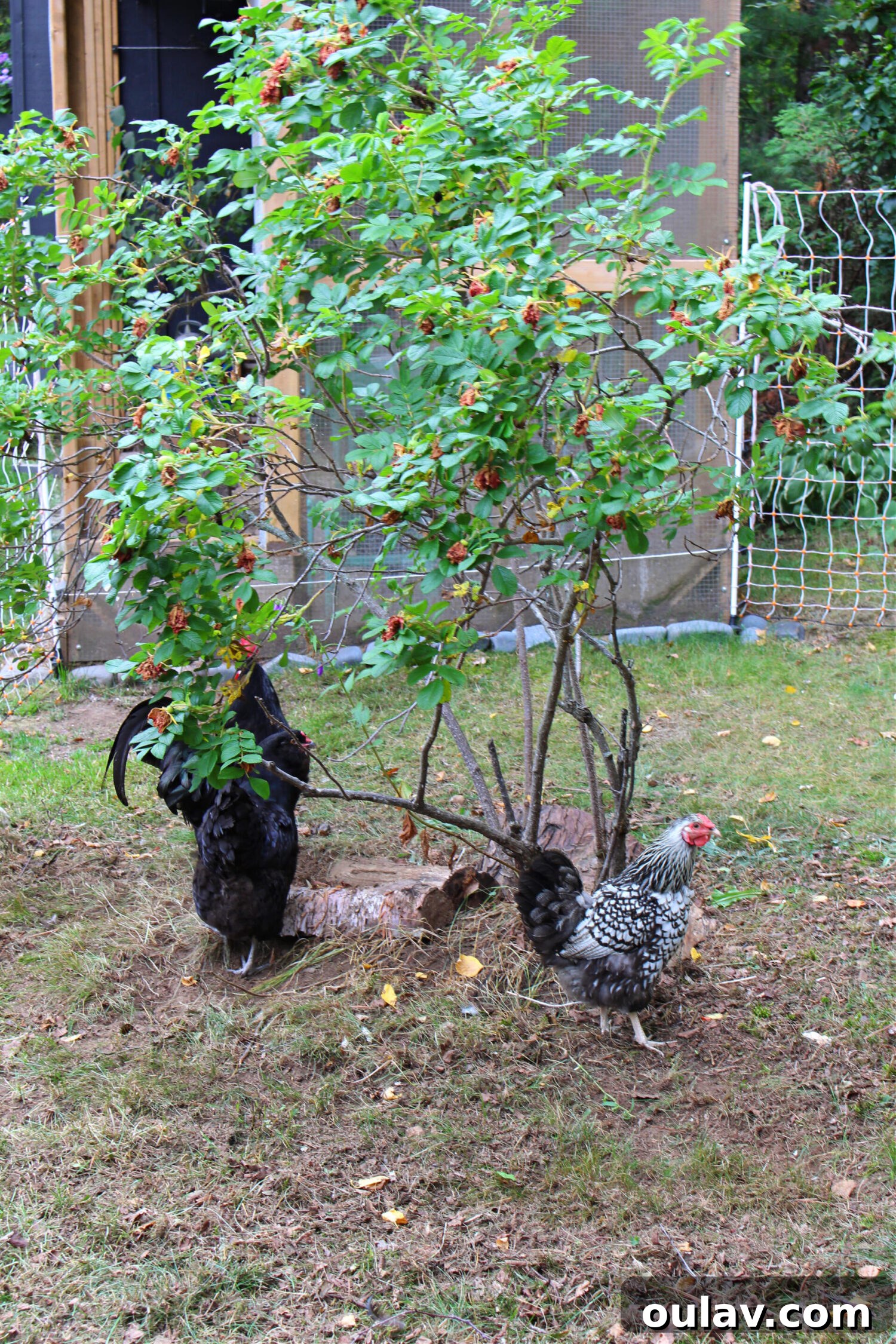
One fascinating observation since introducing the portable electric fencing is that our chickens don’t actually spend the entire day out in the extended area. We were quite surprised by this! While many will venture out for a good stretch, peck at fresh grass, and enjoy a vigorous dust bath, a significant number eventually return to the more sheltered confines of their original, covered run. We believe this behavior stems from their previous experience of always having a roof and overhead protection. They seem to feel somewhat exposed in the open expanse of the portable enclosure. To address this, we are actively planning to plant more trees and shrubs within and around the rotational grazing areas, providing them with more natural cover and shade. Until then, they often gravitate towards the limited existing cover, like gathering under my lone rose bush, seeking a sense of security.
Addressing the “Escape Artist” Concern: Can Chickens Fly Over Electric Fencing?
The possibility of chickens flying over the electric netting was a significant concern for us, especially since some of our flock are quite adept flyers. We did, in fact, have one isolated “incident.” Before we had fully secured the man door to the coop, it began to close unexpectedly on one of our chickens as she was exiting the run. Startled, she panicked, flew directly into the electric fence, received a shock, and in her disorientation, flew over it. Once outside, she immediately tried to get back in, only to receive another shock. I quickly retrieved her; she was visibly traumatized but physically unharmed.
Crucially, this has been the *only* chicken to ever fly over the fence. The experience, though distressing for her, served as a powerful learning tool for the entire flock. Since that day, the chickens maintain a respectful distance from the fence and show no inclination to attempt an escape. If anything, they are almost too timid to explore the very edges of their new, expanded territory, preferring to stay well within what they perceive as their safe zone. This incident, while initially alarming, reinforced the effectiveness of the electric fence as a psychological deterrent.
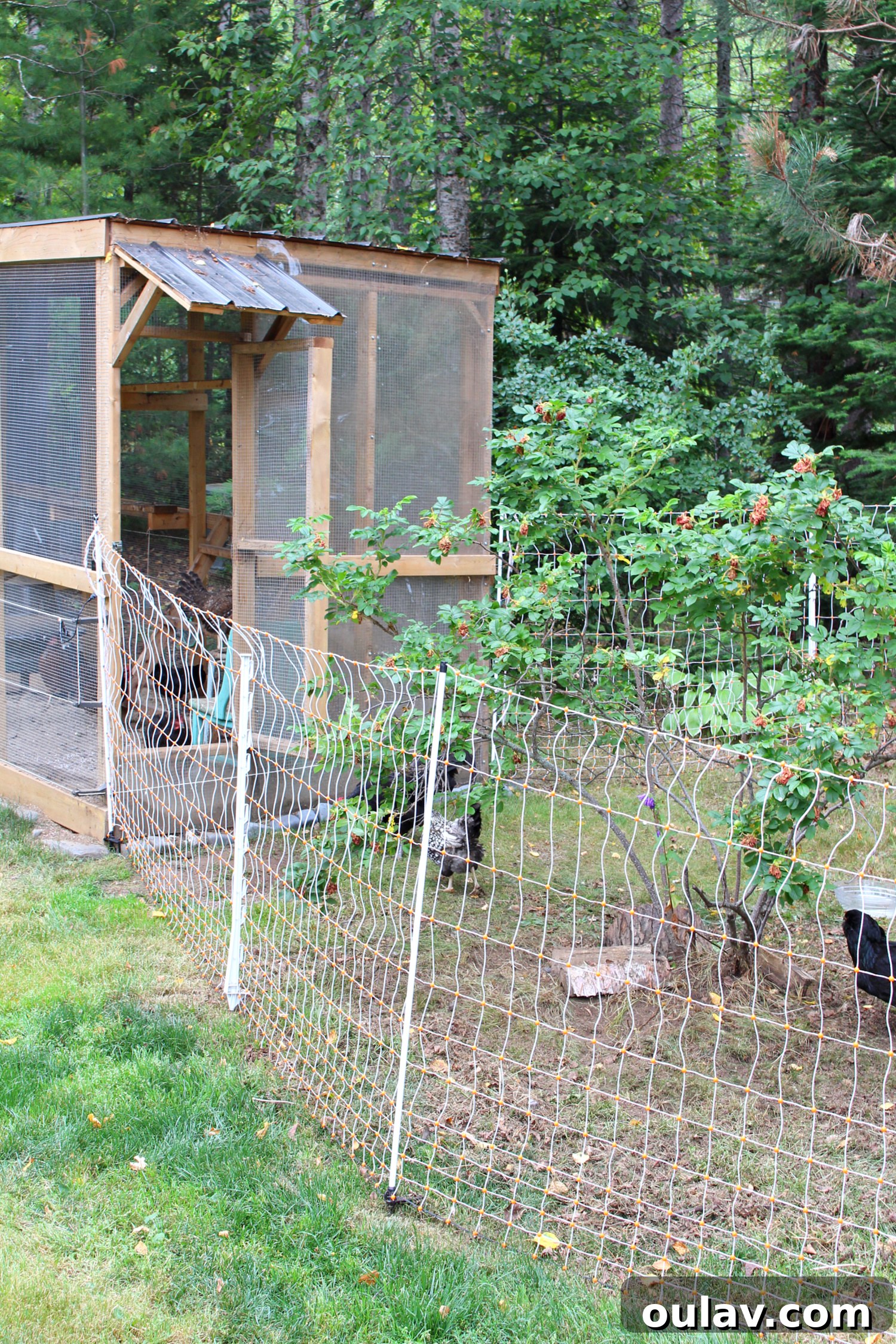
Only time will truly tell if this level of containment and protection holds consistently, but I remain optimistic that our flock will continue to stay safely within their designated area. The combination of dense overhead trees and the readily accessible, sheltered primary run provides an immediate and secure refuge from potential aerial predators, offering yet another layer of security. I’m actively working on relaxing my worries and simply appreciating the joy our chickens now experience in their expanded, dynamic space. Witnessing them enthusiastically dust bathing and sun bathing in their new environment brings me immense satisfaction. Finding a way to largely keep our free-ranging chickens safe, while allowing them to thrive, has been a profoundly rewarding endeavor.