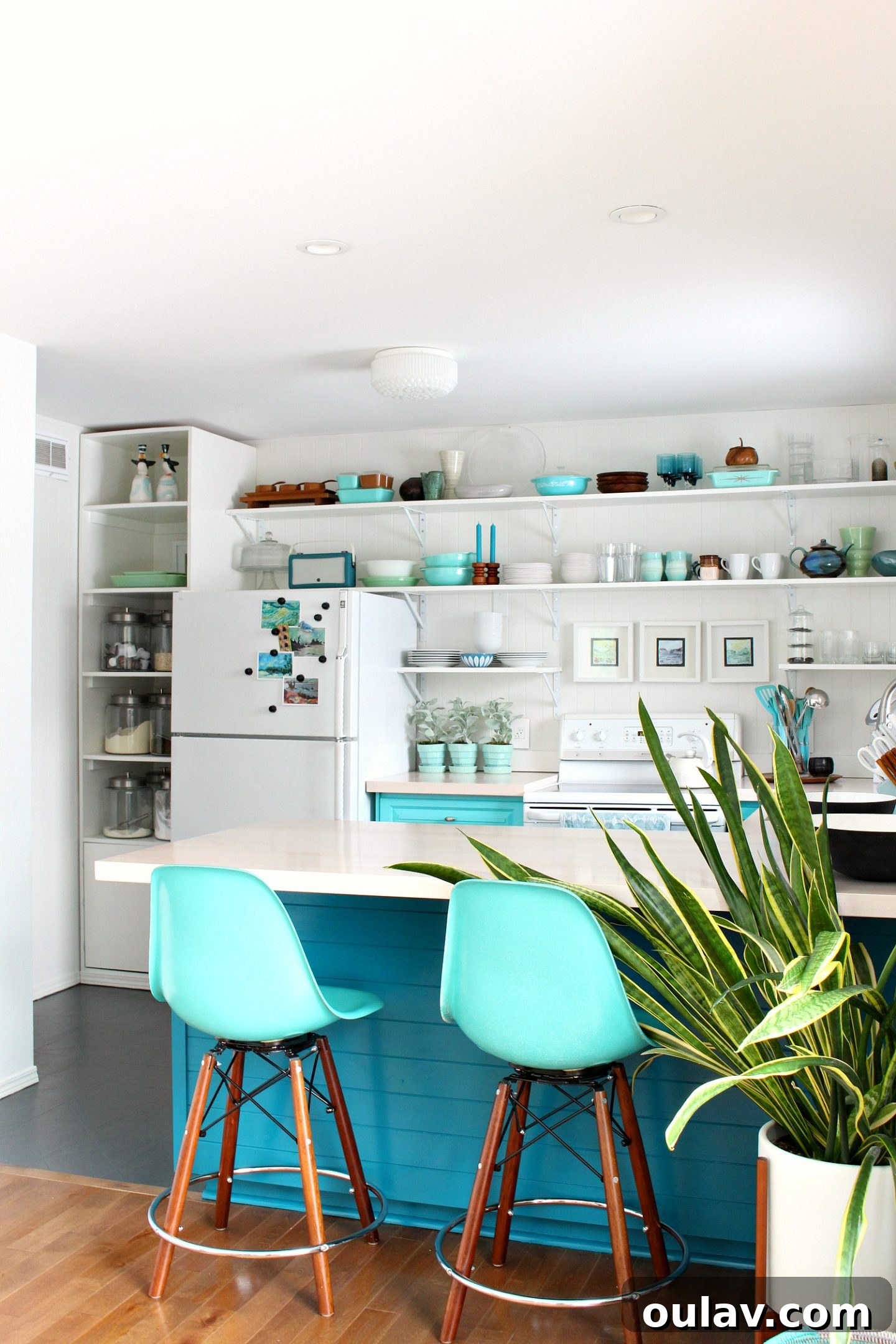
The allure of open shelving in the kitchen is undeniable, offering a blend of aesthetics and accessibility that traditional upper cabinets often lack. Many of you resonated with my previous honest thoughts on kitchen open shelving, and I’m thrilled that the discussion sparked such enthusiasm. Since then, my own open kitchen shelves have undergone numerous transformations, evolving with my style and practical needs. Today, I’m excited to delve deeper, sharing practical tips, inspiring ideas, and the lessons I’ve learned about styling and utilizing open shelving in the heart of your home. The ultimate goal is to help you create a display that is not only breathtakingly beautiful but also incredibly functional, seamlessly integrating into your daily life.
The journey to perfectly styled open shelves often begins with overcoming a couple of significant hurdles. Beyond the common concern of keeping surfaces pristine and dust-free, a major apprehension for many is the perceived necessity of showcasing only “magazine-worthy” kitchen wares, relegating less attractive, everyday items to hidden storage. It’s a genuine design challenge to strike that delicate balance, ensuring your open shelves serve their purpose without sacrificing visual appeal. Early in my own open shelving adventure, I leaned heavily into a strictly monochromatic palette, displaying only perfectly matching turquoise, white, and clear glass pieces. My dinnerware was uniformly white, complemented by a curated collection of vintage turquoise Pyrex and elegant glassware. While I adored the initial cohesiveness, I admit it drew some playful criticism for being perhaps a bit *too* coordinated, a small chuckle-worthy detail in my design evolution!
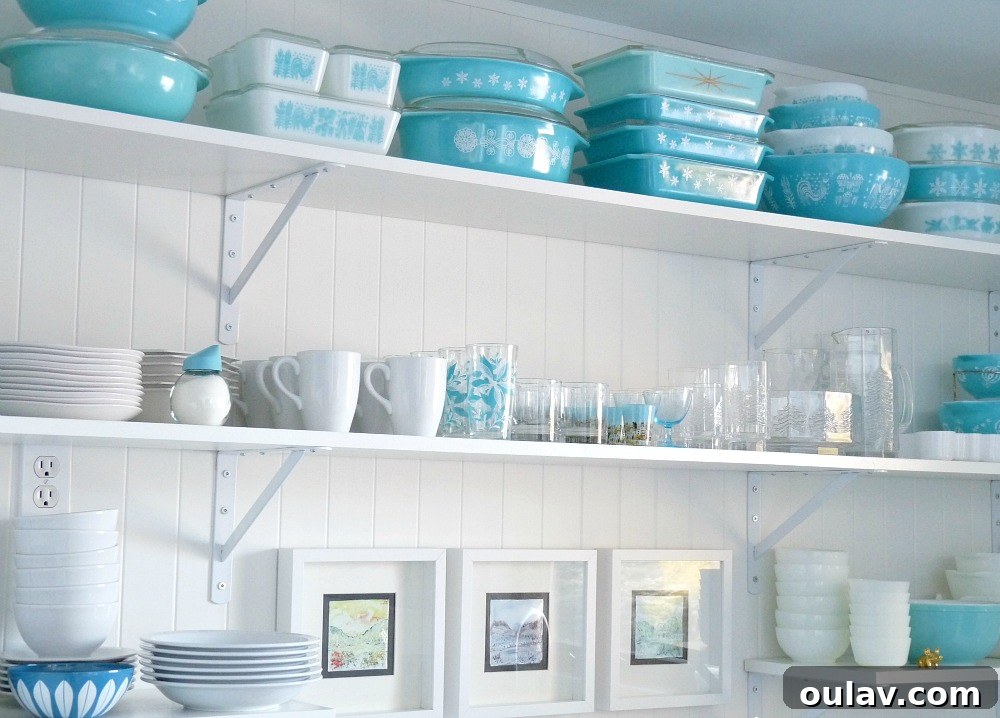
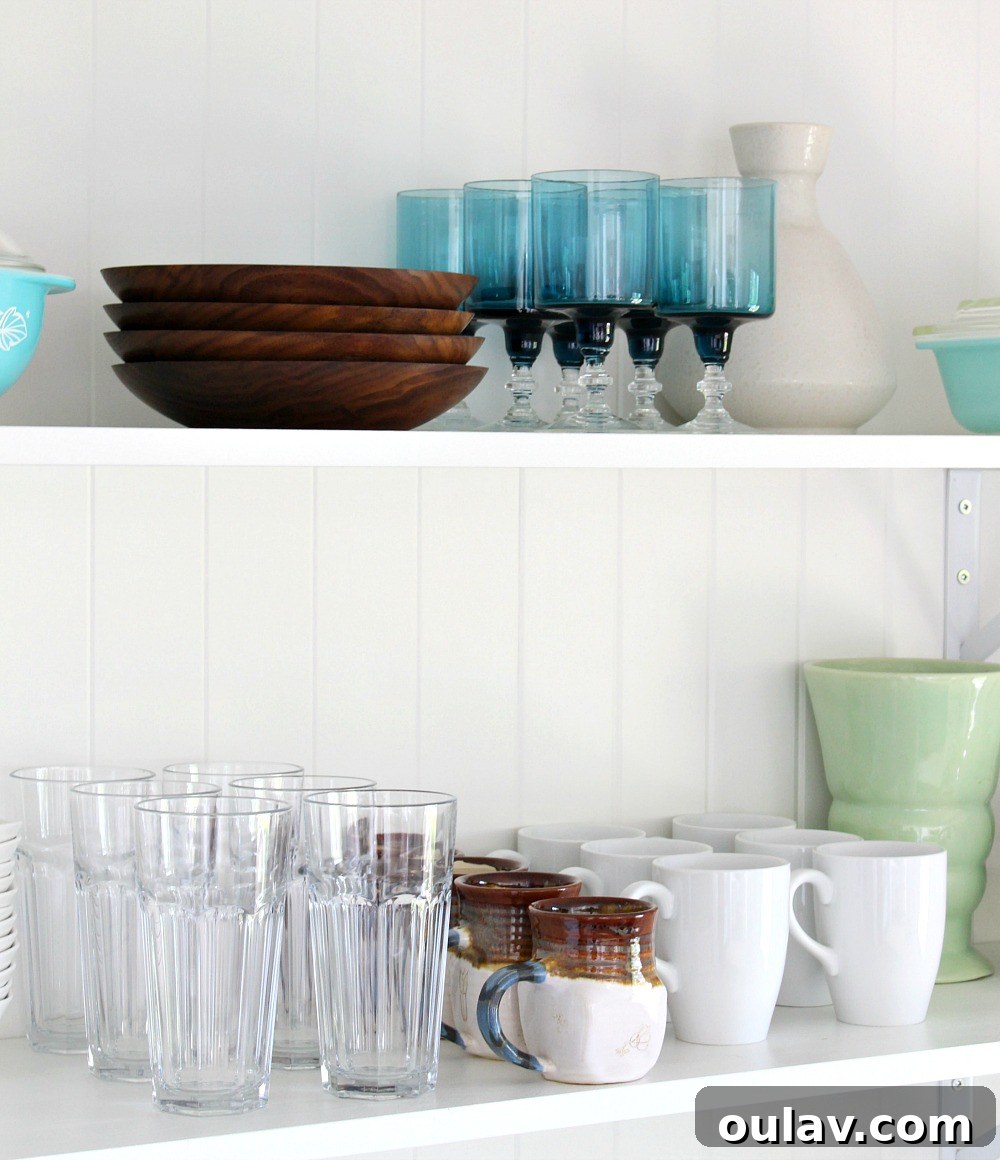
However, as I grew more confident in my personal style, I began to relax my stringent rules. I gradually introduced warmer wood tones and embraced a more eclectic, yet still cohesive, mixing and matching approach. This shift allowed for greater versatility and a more “lived-in” feel, reflecting everyday use without compromising on charm. The shelves started to tell a more personal story, showcasing items that were both loved and regularly used, proving that functional pieces could indeed be decorative.
The true validation of this evolving aesthetic came when my open shelving was proudly featured in Better Homes & Gardens magazine. Remarkably, very few adjustments were needed for the photoshoot – only a handful of items were repositioned or swapped out for better photographic appeal. This significant milestone truly underscored that I had indeed stumbled upon a successful formula for creating kitchen open shelves that are both aspirational and achievable for the average homeowner.
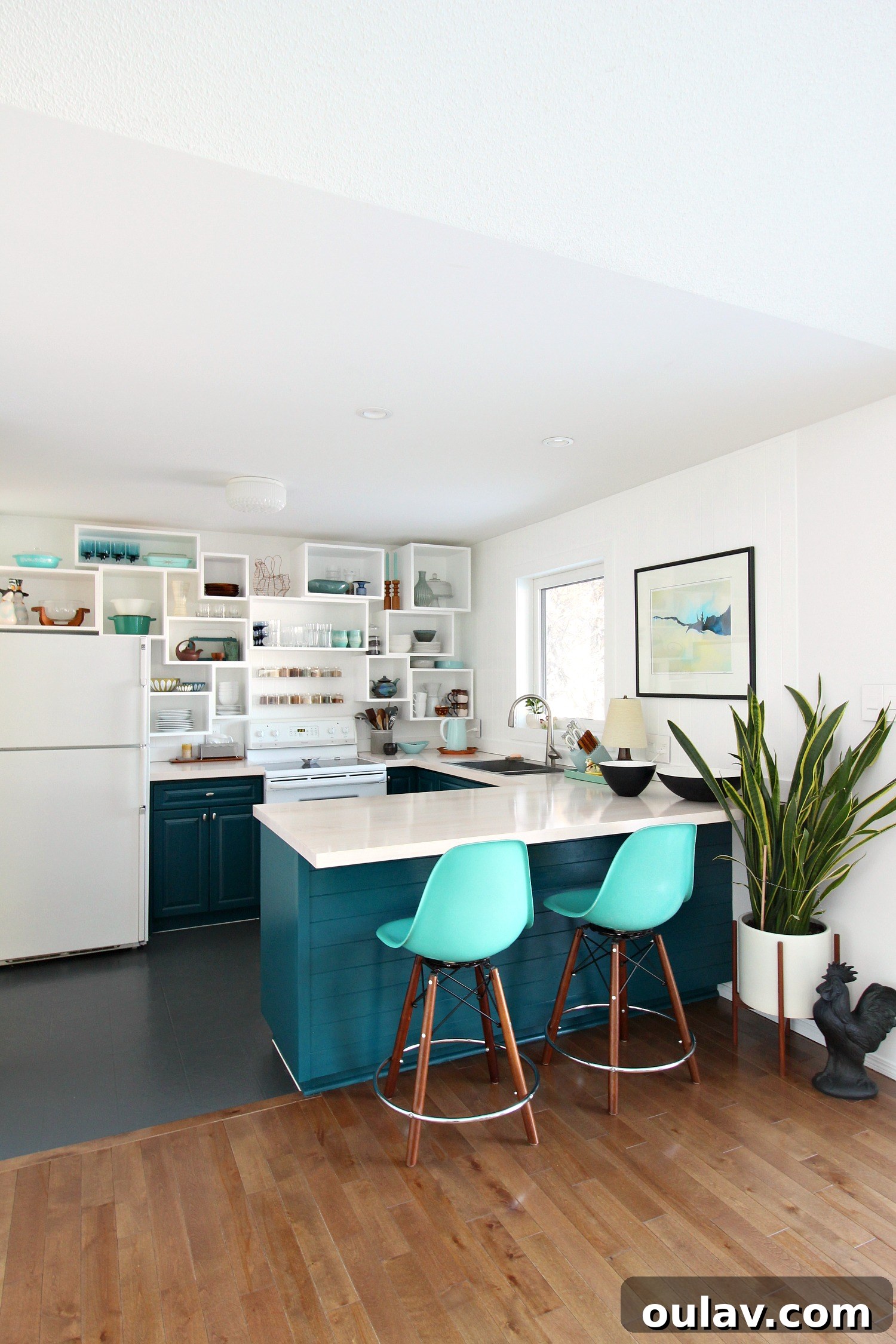
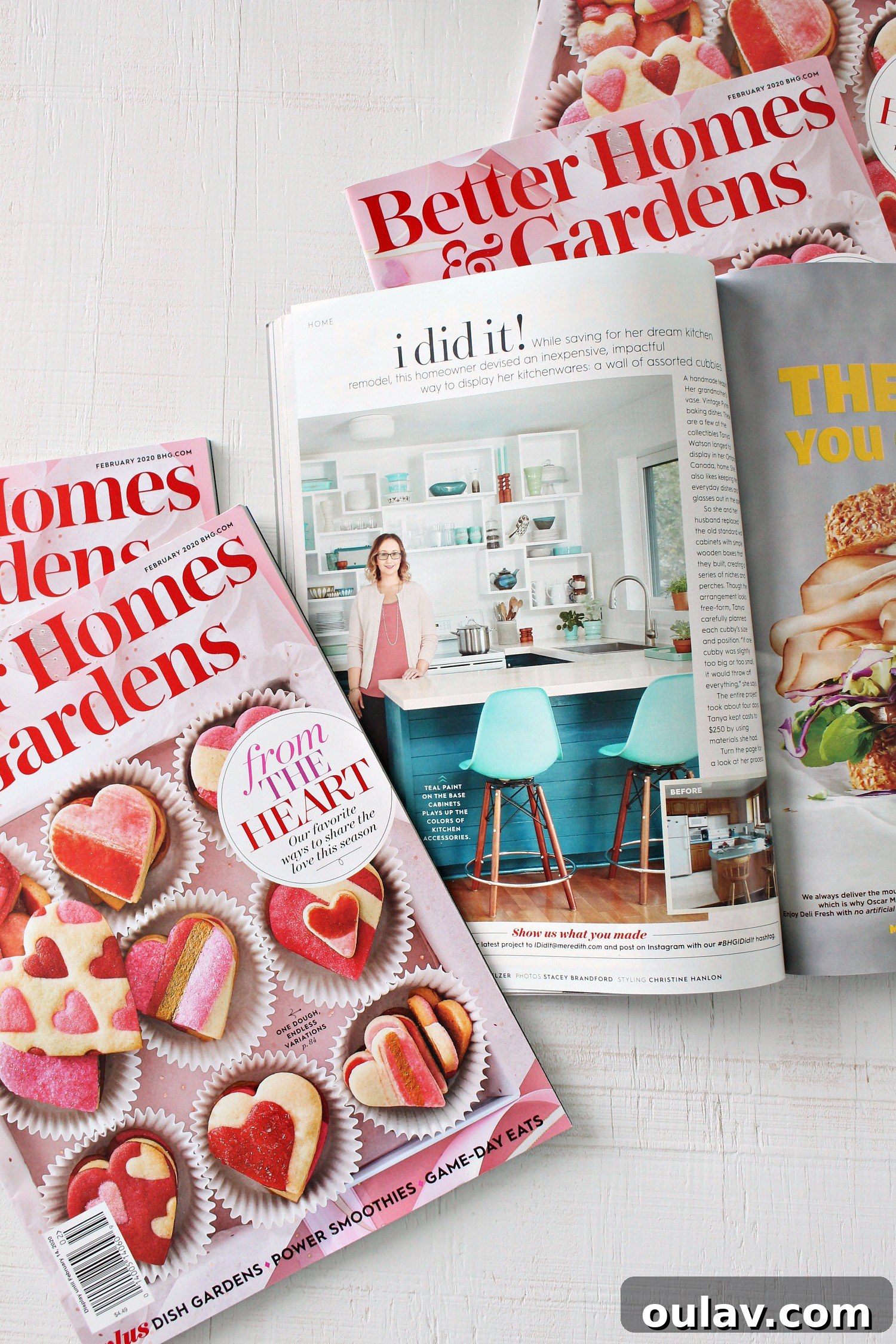
Let me be clear: the insights and tips I’m sharing are purely meant to inspire and assist, not to dictate or shame anyone into purchasing specific items or hiding beloved kitchenware. Your kitchen is a reflection of you, and you should absolutely feel empowered to display whatever brings you joy and serves your needs. However, if your aspiration is for your kitchen open shelves to achieve that polished, magazine-spread look while remaining entirely practical, then these strategies are designed to help you navigate that journey with ease and enjoyment. My own experience as a two-person household meant I didn’t require an extensive collection of plates and glasses, which afforded me the luxury of space to incorporate more decorative elements, such as charming candles and elegant vases, enriching the overall display. I also harbor a deep passion for thrifting beautiful, unique pieces for everyday use—think artisanal pottery bowls, iconic vintage Pyrex, timeless mid-century walnut accents, and retro glassware. This love for discovery made the task of finding items that were both practical and display-worthy an absolute delight.
Embracing open shelving offers a myriad of benefits that extend beyond mere aesthetics. Firstly, it creates an immediate sense of spaciousness in the kitchen, making even smaller areas feel larger and more airy. By eliminating bulky upper cabinets, the eye travels freely, lending an open, inviting atmosphere. Secondly, it offers unparalleled accessibility to frequently used items. Imagine grabbing your morning coffee mug or a favorite plate without fumbling through cabinet doors. Thirdly, open shelves provide a fantastic opportunity for personal expression and decor. They transform a utilitarian space into a curated gallery, allowing you to showcase cherished collections, heirlooms, or simply beautiful everyday essentials. Moreover, for those on a budget, open shelving can often be a more cost-effective alternative to installing custom cabinetry.
However, it’s equally important to acknowledge and address the challenges associated with open shelving. Dust and grease accumulation are legitimate concerns, especially in a bustling kitchen environment. The key here is strategic placement and a consistent, albeit simple, cleaning routine. Place items used daily on lower, more accessible shelves, as they will naturally be cleaned through regular use. Less frequently used decorative items can reside on higher shelves and require periodic dusting. Clutter control is another critical aspect; open shelves are not a dumping ground. Every item on display should be intentional, contributing to the overall aesthetic. This mindfulness prevents visual noise and maintains the serene, organized look you desire. Finally, the perceived lack of hidden storage can be a deterrent. Combat this by utilizing attractive baskets, bins, or even beautifully decanted food items in uniform canisters within your open scheme, or by integrating a mix of open and closed storage elsewhere in your kitchen design.
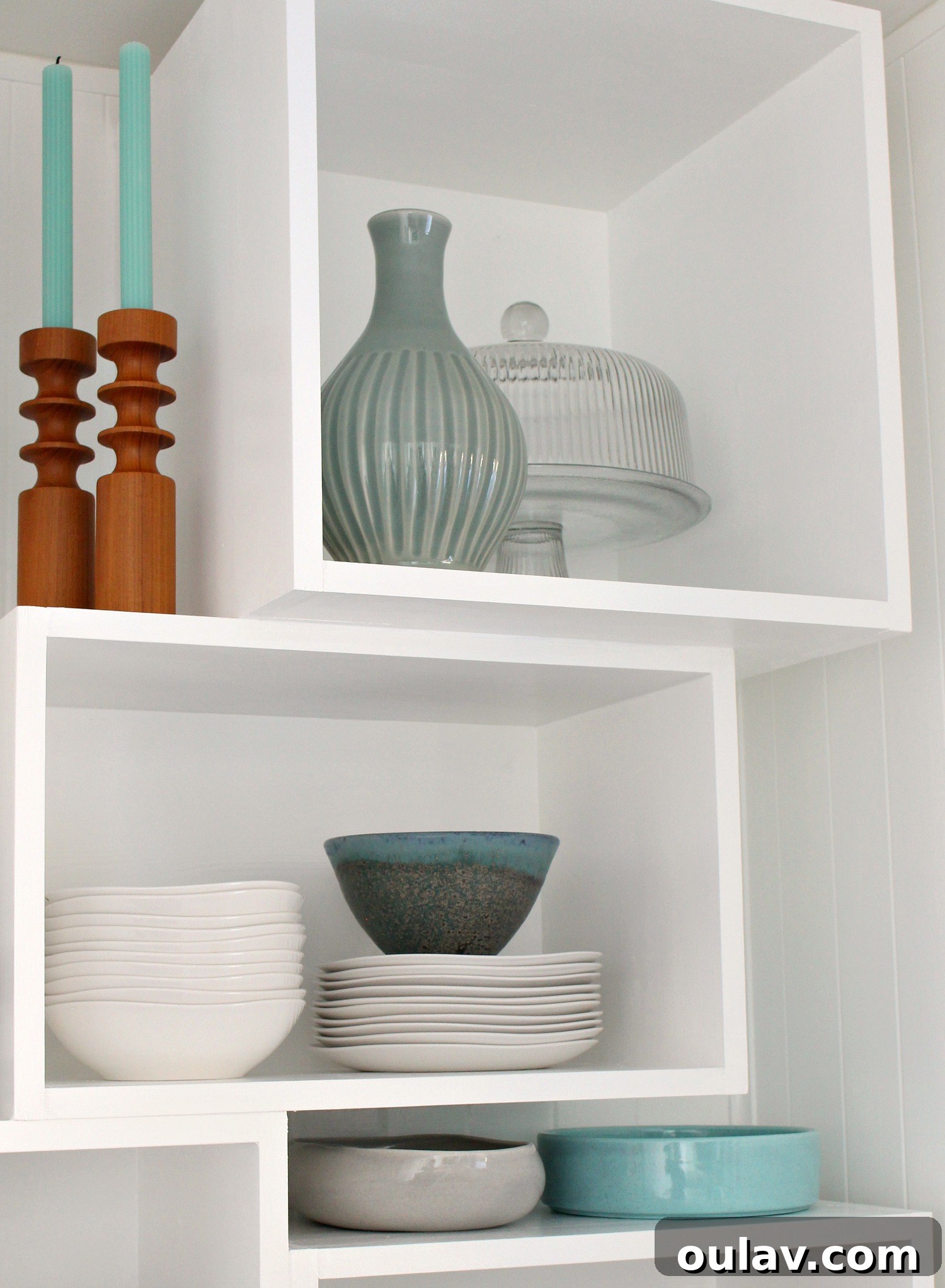
How to Make Kitchen Open Shelving Look Stylish (But Stay Functional):
- Curate with Cohesion: The foundation of stylish open shelving lies in thoughtful curation. Begin by collecting matching or complementary dishware that speaks to a unified aesthetic. Whether you’re drawn to the nostalgic charm of vintage pieces like vibrant Jadeite or iconic Pyrex, or prefer a more contemporary vibe, selecting items within a consistent color palette or material family will instantly elevate your display. This doesn’t mean everything has to be identical, but rather that pieces should harmoniously interact.
- Embrace Simplicity: If vintage collections aren’t your style, or you’re seeking an effortlessly elegant look, invest in simple and inexpensive all-white dishware. This timeless choice provides a clean, neutral backdrop that allows other elements to shine. White dishware is incredibly versatile, easy to replace, and instantly creates a uniform, sophisticated appearance that never goes out of style. Retailers like IKEA, Target, and even thrift stores often have excellent, affordable options.
- Add Character with Handpicked Pottery: To inject warmth, texture, and a unique personality into an all-white dishware scheme, consider thrifting pretty pottery bowls and mugs. Look for pieces with interesting glazes, unique shapes, or artisanal touches. These handcrafted elements add a layer of organic beauty and visual interest, preventing your shelves from looking too sterile or mass-produced. They also provide a fantastic way to incorporate subtle pops of color or earthy tones.
- Maintain Order with Even Numbers: The human eye naturally appreciates symmetry and order. When arranging glassware and mugs, strive for even numbers on each shelf or in specific groupings. This simple trick creates a sense of calm and intentionality. Any spare or mismatched items that don’t fit the aesthetic can be neatly stored in a cabinet, perhaps in a pantry or basement, ensuring your visible shelves remain perfectly curated.
- Line Them Up: Even if your collection of mugs and glasses is inherently diverse, lining them up neatly can create an immediate sense of order and sophistication. Arranging items in straight, precise rows transforms a potentially chaotic assortment into a deliberate display. This technique brings a polished finish to your shelves, making a mismatched collection appear cohesive and well-organized.
- Repeat Elements for Visual Flow: To enhance cohesiveness across your entire open shelving unit, strategically repeat certain elements. This could mean echoing specific wood tones (e.g., matching cutting boards with a wooden bowl), metal tones (e.g., brushed brass accents or stainless steel canisters), or a consistent color scheme (e.g., a recurring shade of blue or green). These repeated motifs act as visual anchors, connecting disparate items and guiding the eye smoothly across the display.
- Decant for Aesthetic & Freshness: Eliminate the visual clutter of messy packaging by decanting food items into attractive glass canisters, jars, or even simple mason jars. Not only does this instantly elevate the aesthetic appeal of your shelves, transforming everyday staples into decorative elements, but it also offers the practical benefit of keeping food fresher for longer. Consider clear jars for grains, pasta, and snacks, or opaque ceramic crocks for coffee and tea. Don’t forget to add simple labels for quick identification.
- Incorporate Greenery: Introduce life and freshness to your open shelves by adding small plants or fresh herbs. A tiny potted succulent, a trailing pothos, or a miniature herb garden in a charming planter can bring a vibrant, organic touch. Greenery softens the hard lines of the shelves and adds a natural element that instantly makes the space feel more inviting and alive.
- Utilize Trays and Baskets: For smaller, often-used items that might otherwise look scattered, employ decorative trays and baskets. A small tray can corral salt and pepper shakers, a sugar bowl, or a few spice jars, creating a tidy vignette. Woven baskets can hold napkins, tea towels, or even less attractive items you want to keep easily accessible but out of direct sight, adding texture and a rustic touch.
- Embrace Negative Space: It’s tempting to fill every inch of open shelving, but sometimes less is truly more. Allowing for some negative space between items or groupings enables each piece to breathe and be appreciated individually. Avoid overcrowding; a few thoughtfully placed items will always look more elegant and intentional than a shelf packed to the brim. This creates a sense of calm and visual lightness.
- Consider Vertical Stacking: Maximize space and add visual interest by vertically stacking plates and bowls. This method is not only practical for storage but also creates clean lines and a sense of order. Mix and match different sizes within the same color family for a dynamic yet harmonious display.
- Seasonal Swaps: Open shelves offer a fantastic opportunity for seasonal decor. Easily refresh your kitchen’s look by swapping out a few key decorative elements. In autumn, introduce small pumpkins or amber-toned glassware. For the holidays, a touch of festive greenery or a themed mug can transform the space. This keeps your kitchen feeling current and engaging throughout the year.
Ultimately, the art of styling kitchen open shelving is a personal journey of discovery and expression. These guidelines are merely stepping stones to help you create a space that is both visually stunning and highly efficient. Don’t be afraid to experiment, rearrange, and infuse your unique personality into every display. Enjoy the process of transforming your kitchen into a beautiful, functional reflection of your home and your lifestyle!