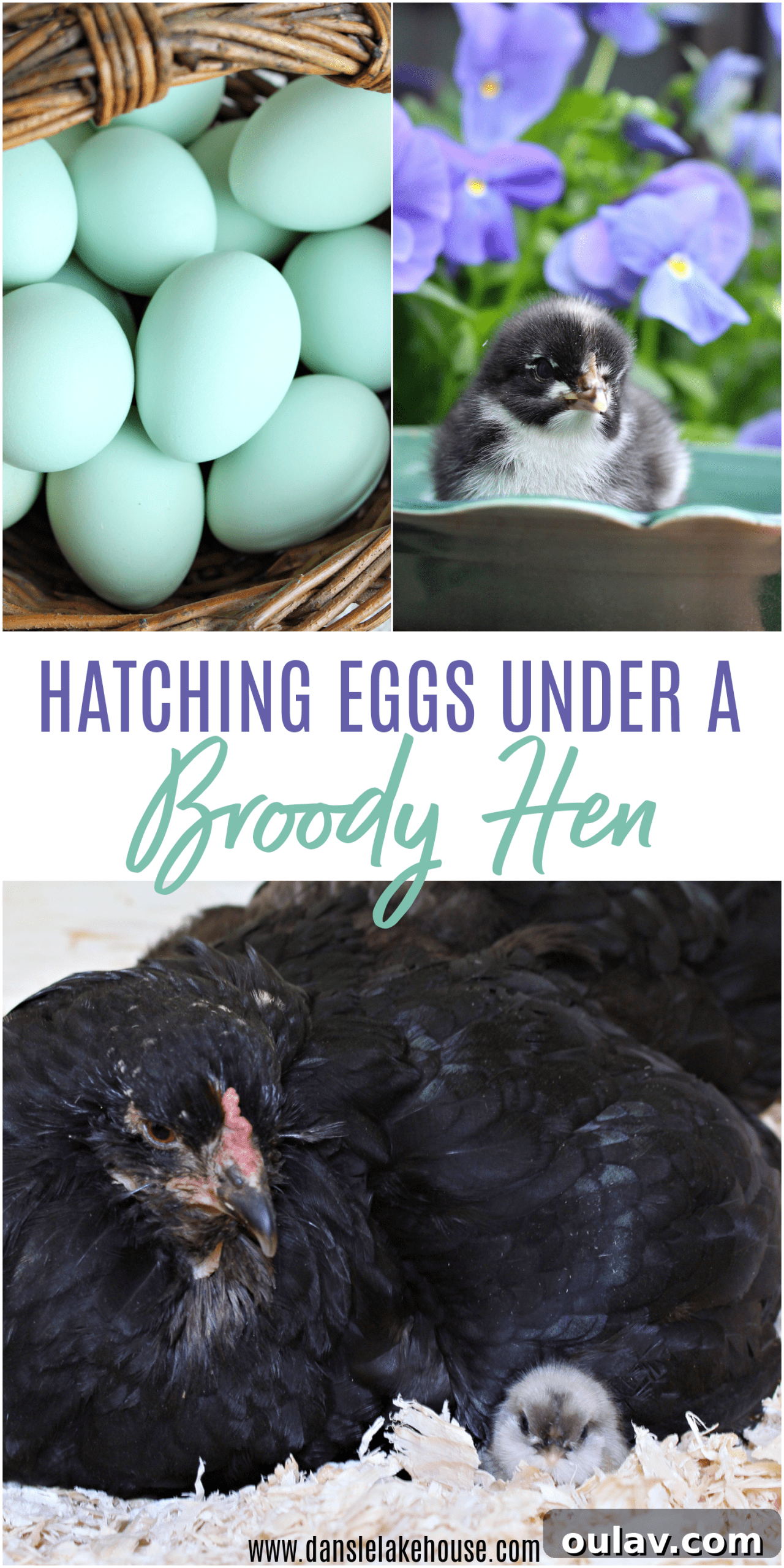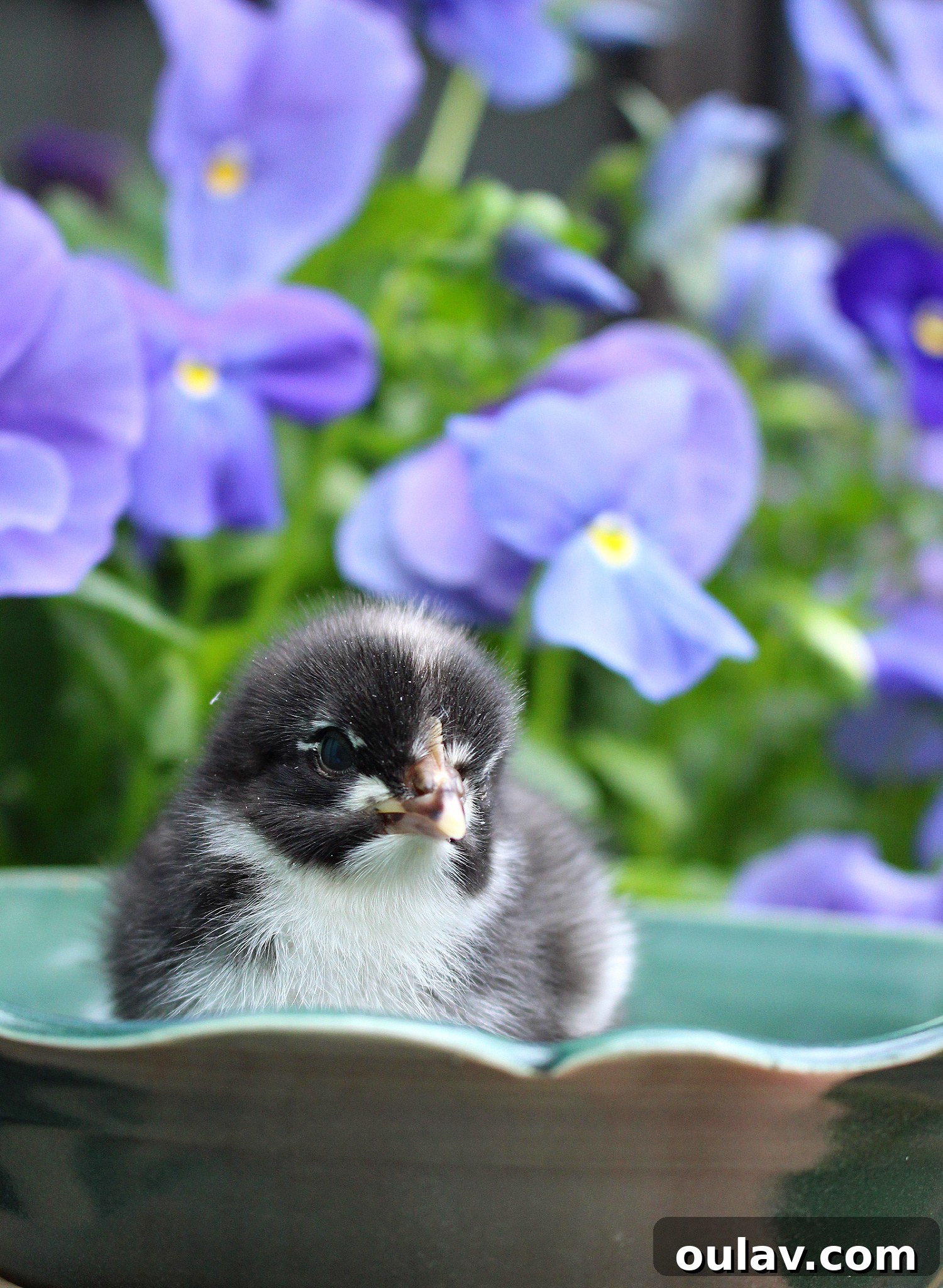
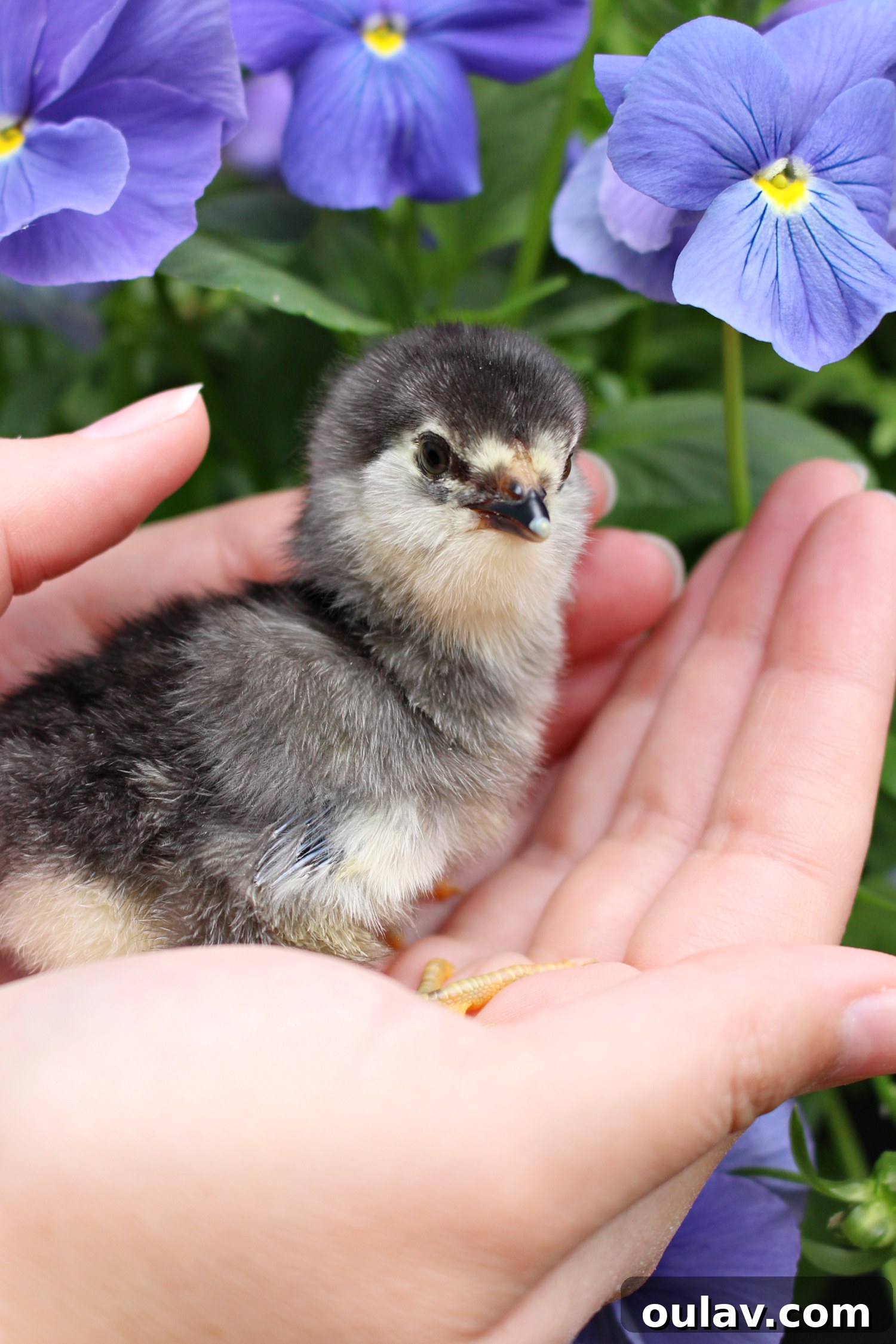
The gentle chirping of new life fills the air, a melody I’ve recently come to cherish once more. Today, I am absolutely thrilled to share a truly heartwarming experience: the incredible journey of hatching eggs under a loving broody hen. Yes, you heard that right – we have chicks again, and this time, it was a completely different, deeply rewarding process!
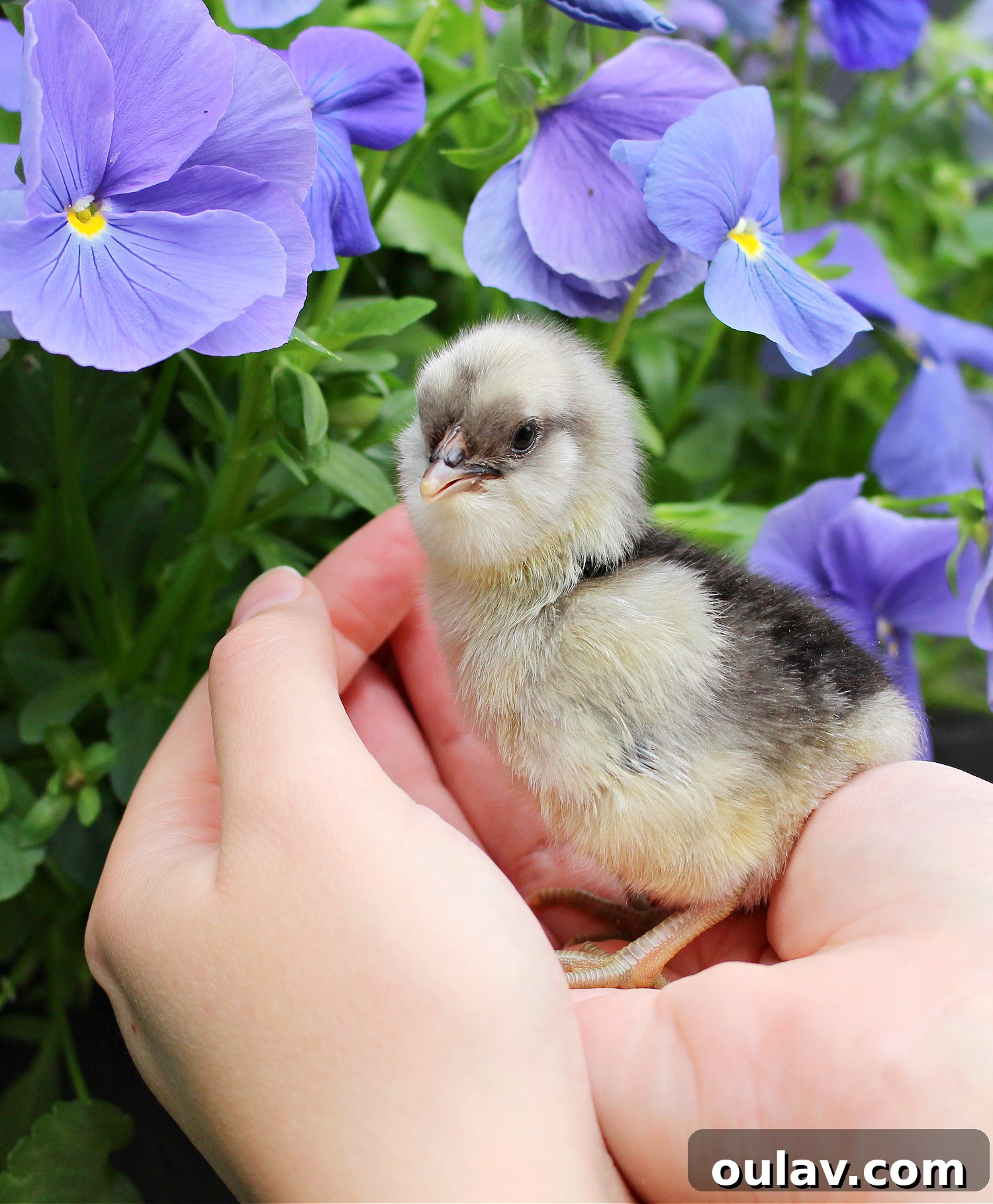
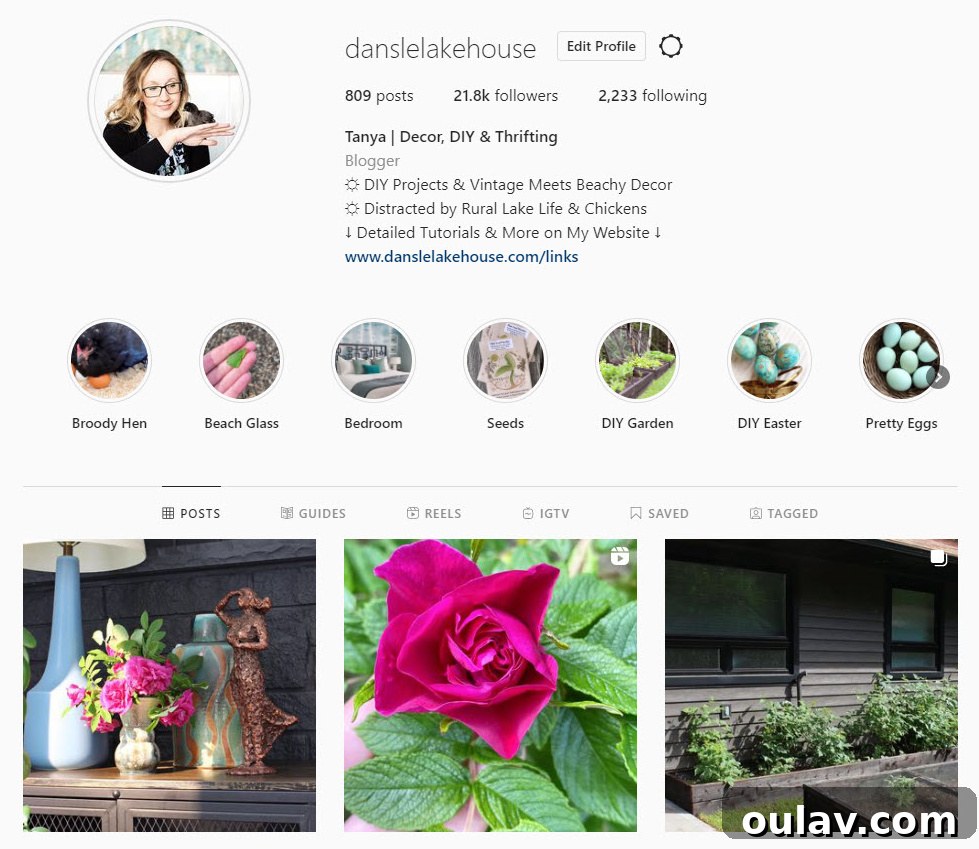
For those who love seeing the action unfold, I’ve been capturing special moments and sharing videos on Instagram stories (which you can find saved in a highlight called “Broody Hen”). If you’re captivated by the magic of hatching and the charm of baby chicks, I highly recommend checking it out – I managed to get some truly remarkable footage. And if you’re new to our journey of raising backyard chickens, you can catch up on all our adventures by clicking here.
Understanding the Broody Hen Phenomenon
What Exactly is a Broody Hen?
For those unfamiliar with the term, a “broody hen” is a chicken whose maternal instincts kick into high gear. Her body signals her to incubate eggs, leading her to sit persistently on a nest, often even on unfertilized eggs, with an unwavering determination to hatch them. This natural instinct is fascinating to observe, but it can also present challenges in a mixed flock.
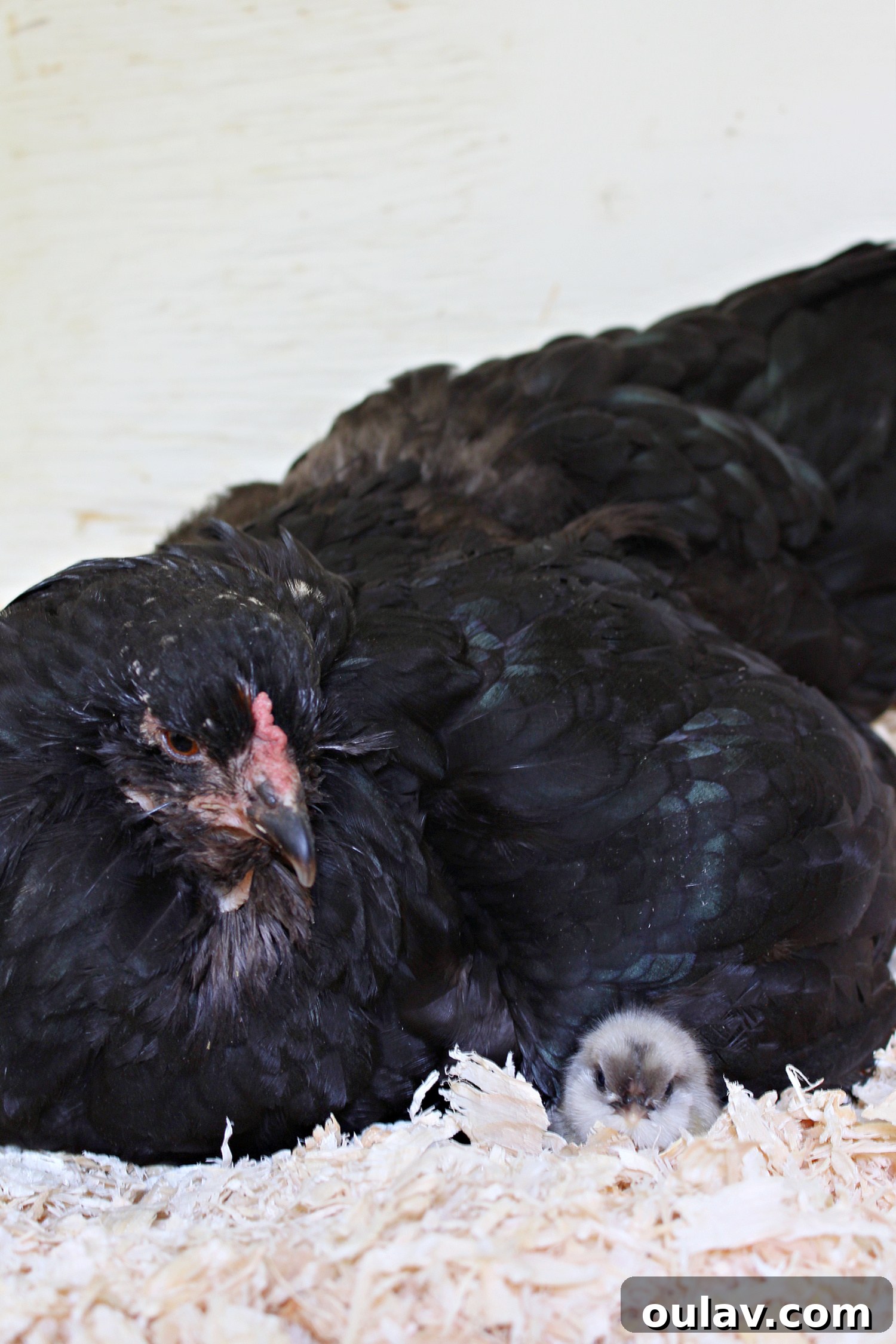
Last year, one of my beautiful Ameraucana hens – known for laying striking blue eggs, and a descendant of the very first chicks I ever raised – became intensely broody. She would meticulously gather and sit on other chickens’ eggs, often refusing to leave the nesting box. This behavior, while natural for her, caused quite a stir among the other hens, who were not pleased about losing access to their preferred nesting spot. More concerning for me was her significant reduction in food and water intake. I’ve since learned that a broody hen might consume only about 80% of her normal feed, which can be detrimental to her health over an extended period.
We attempted numerous strategies to “break” her broodiness, trying to convince her to abandon the nest. It wasn’t until the cooler weather arrived that she finally gave up her nesting vigil. When she eventually emerged, she was noticeably smaller and quite frail. This was quickly followed by a severe molt, where she lost almost all her feathers, right before winter. This experience truly highlighted the physical toll broodiness can take on a hen’s body, especially when it lasts an unnaturally long time.
The Decision to Embrace Natural Incubation
Sourcing Fertilized Eggs for Our Broody Mama
When my Ameraucana hen, whom we affectionately started calling “Broody,” went broody again this spring, I decided to lean into her powerful maternal instinct rather than fight it. This time, I resolved to let her fulfill her natural desire. The only catch? My rooster, Pewter, seems to have retired from his romantic duties. I rarely see him mating anymore, and a quick check of our eggs during cooking or baking confirmed my suspicions – no signs of fertilization. So, the quest began for fertile eggs.
I found a wonderful local woman who sold fertilized eggs, and I purchased six (three Marans and three Ameraucanas). When I mentioned it was my first time attempting natural hatching, she generously added two extra eggs, bringing my total to eight. This small act of kindness was truly appreciated and set the stage for what would become an unforgettable experience.
Broody was absolutely thrilled when she discovered the clutch of eight eggs waiting for her in a separate, enclosed area. We made sure to set up food and water conveniently nearby, ensuring she wouldn’t be disturbed or pestered by the other chickens. From that moment on, she proved to be the most dedicated and exemplary broody hen imaginable.
Many hens might abandon their eggs after a few days or weeks, but Broody’s commitment was unwavering. She sat diligently, day after day, almost without interruption. Although I never personally witnessed her leave the nest, a fresh droppings found in her vicinity each day was a telltale sign that she was taking quick breaks to eat and drink before promptly returning to her precious eggs. Her dedication was truly remarkable.
Having previously removed her eggs during her earlier broody phases, she was incredibly protective this time around. Any attempt I made to check on her or her eggs was met with an indignant “SCREAM” and growl, complete with a sharp peck if I got too close. Her fierce protectiveness was a clear indication of just how serious she was about her new motherly role.
The Miraculous Hatching Experience
For a precise 19 days, Broody remained steadfastly on those eggs, her focus absolute. My role during this period was largely hands-off, limited to ensuring her secluded space remained clean, and her food and water supplies were replenished. I even tried offering her special treats, but her dedication was so profound that she wouldn’t touch them until I left, and even then, she barely nibbled at her most favorite snacks.
Then, after what felt like an eternity but was precisely 19 days (just four days ago from writing this), a magical transformation began. We started to hear faint chirping sounds emanating from within the eggs, and we could see the eggs subtly moving. It was an astonishing sight! This internal communication, where chicks peep to their mama, serves as a vital signal: “I’m on my way!” The peeping helps the hen gauge how much longer to sit and how many viable eggs she has. Furthermore, the chicks communicate with each other inside their shells, orchestrating their hatch times to be somewhat synchronized.
By Day 20, the first tiny chick had emerged and was nestled cozily beneath her!
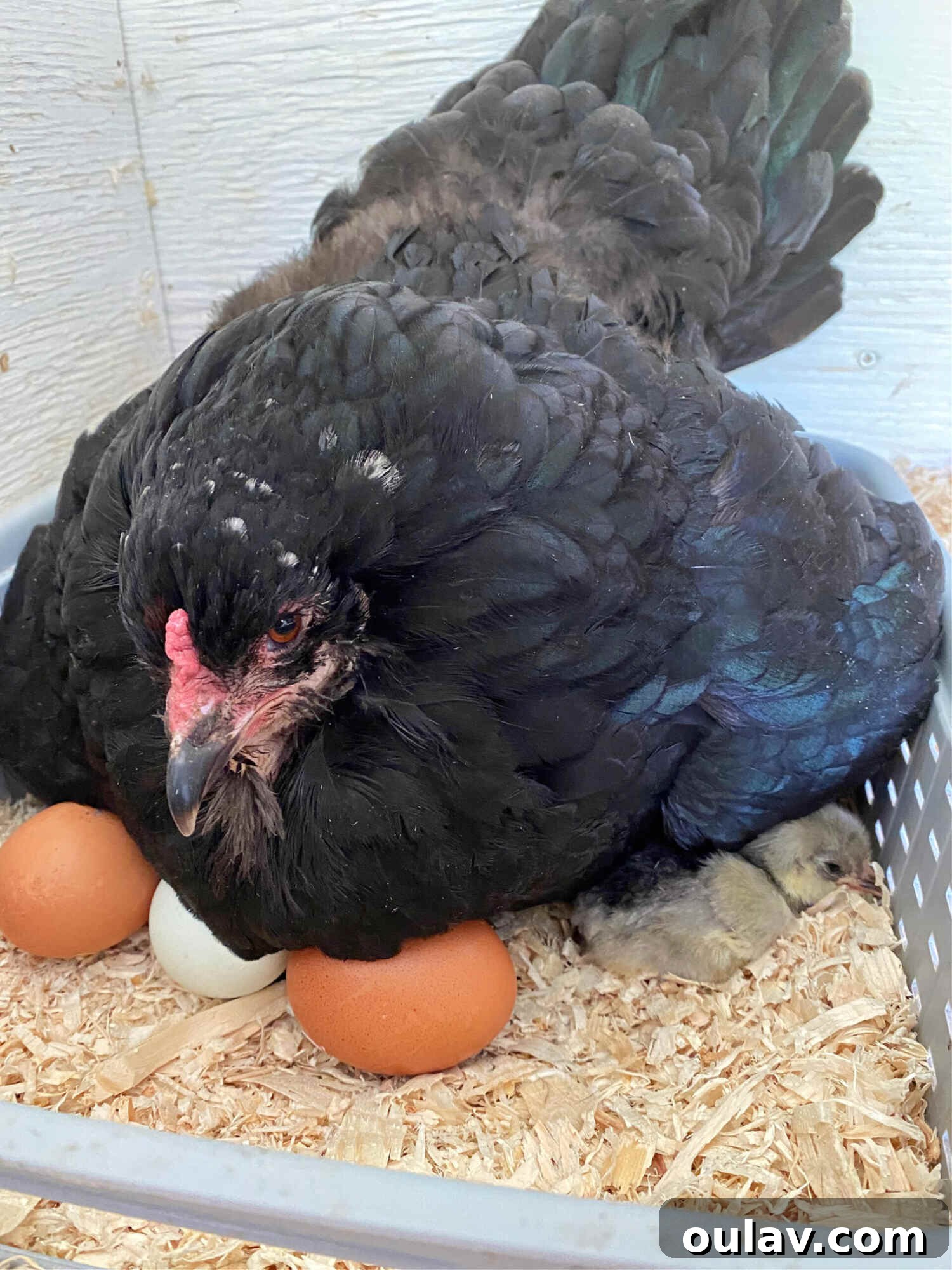
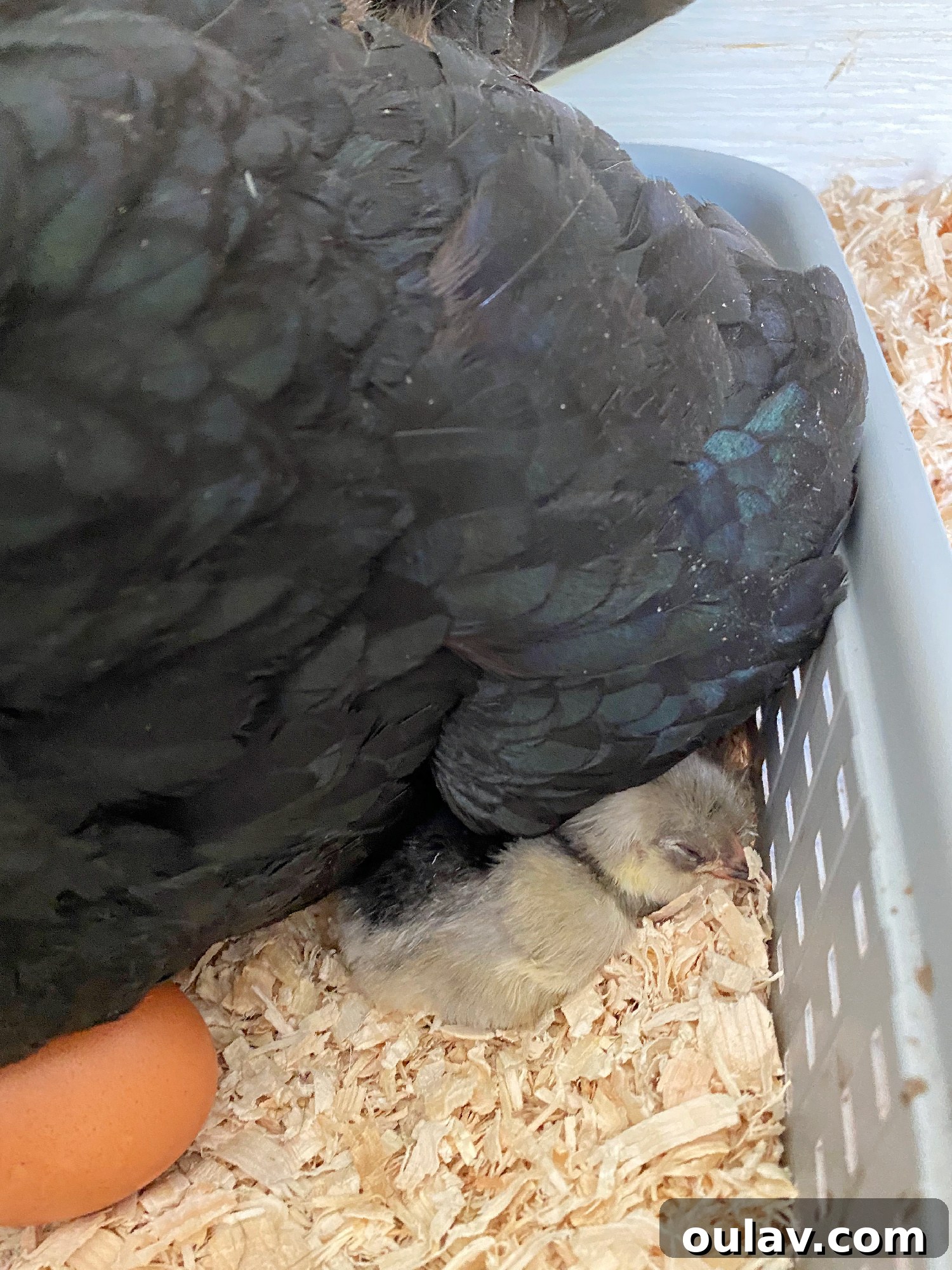
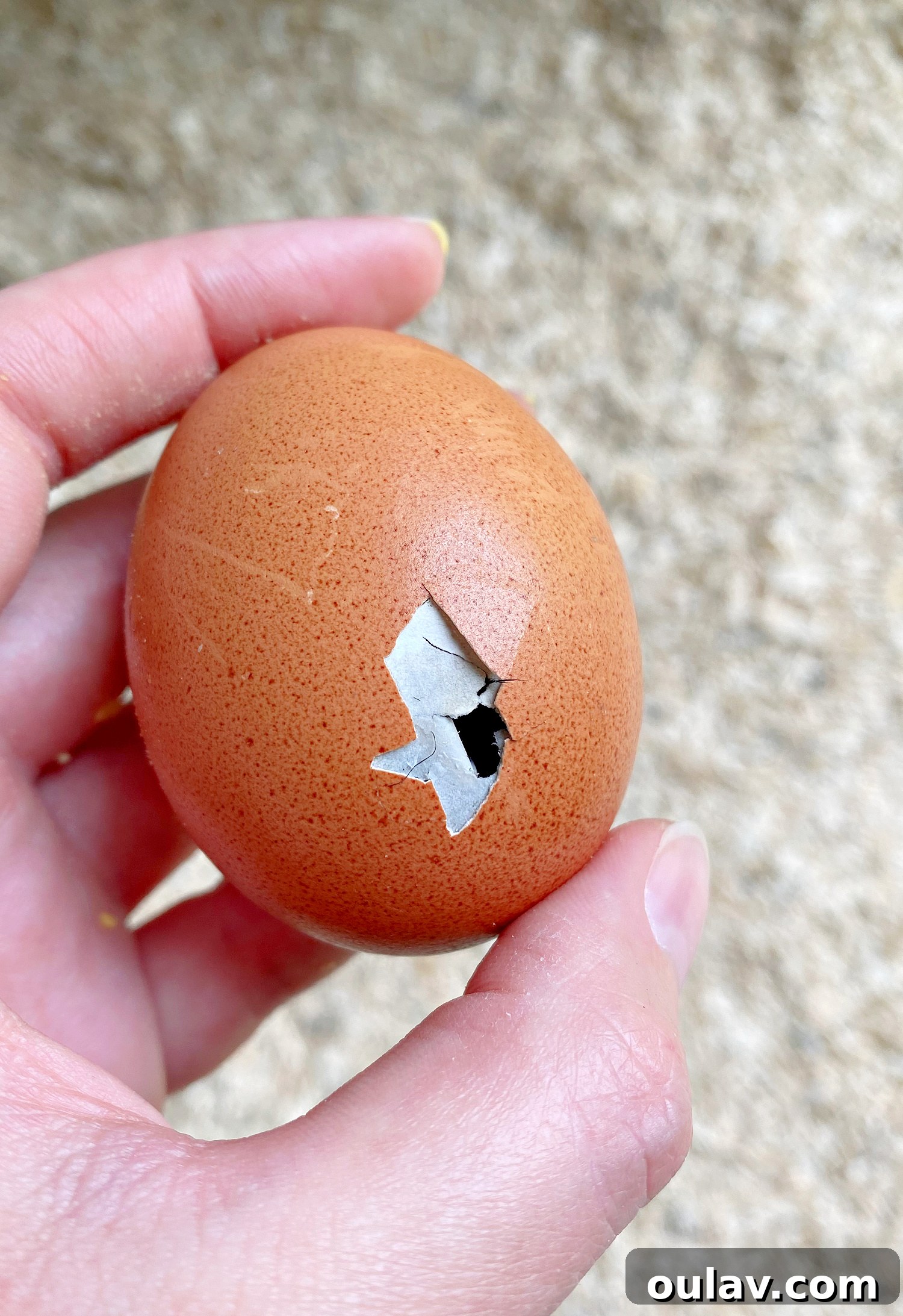
I even caught glimpses of some eggs with tiny beaks beginning to “pip” through their shells. I almost got to witness a hatch firsthand, a moment I would have cherished!
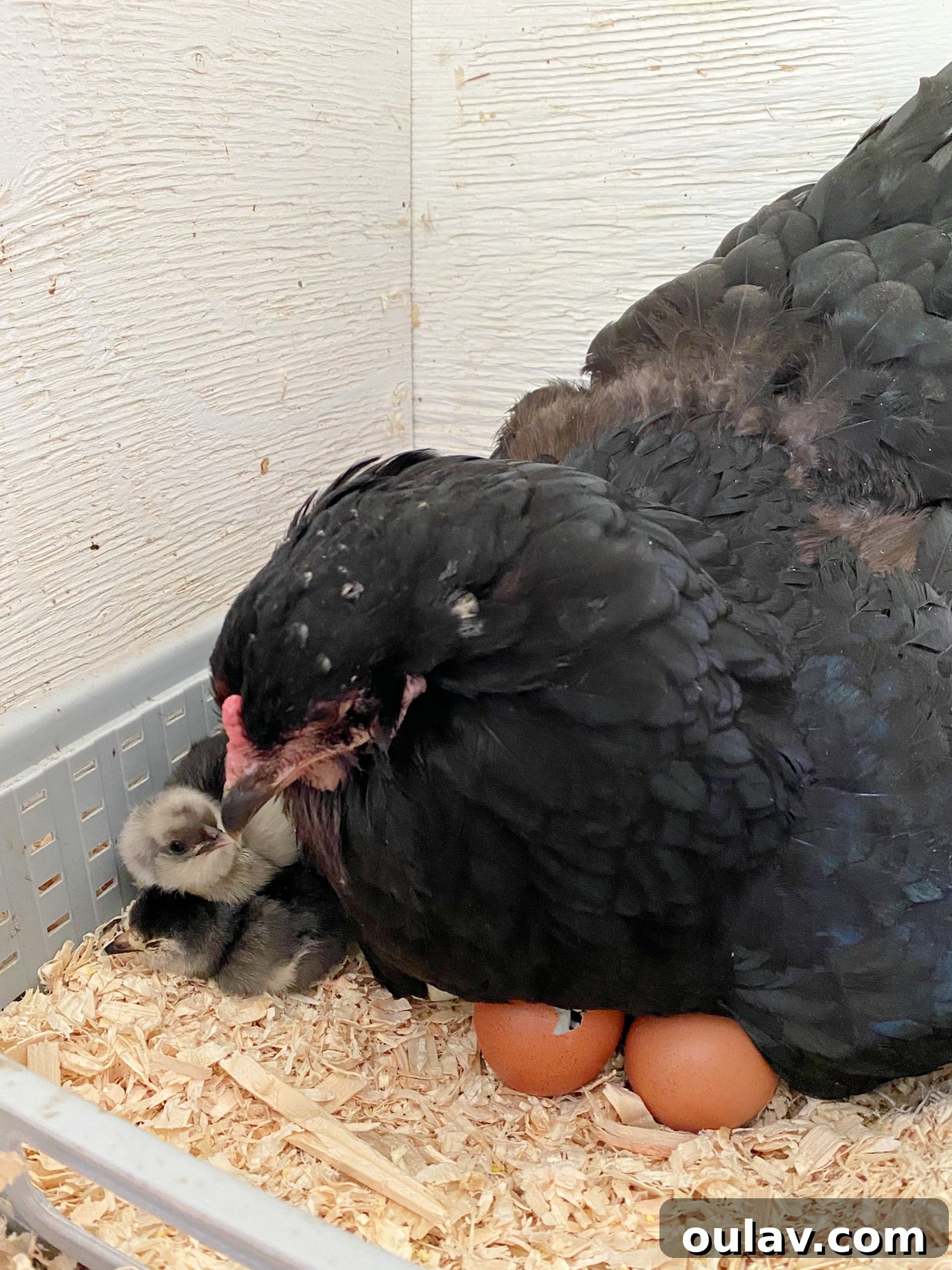
Despite my overflowing curiosity, I mostly honored Broody’s space, allowing her to oversee the incredible hatching process undisturbed. It was truly her moment to shine as a mother.
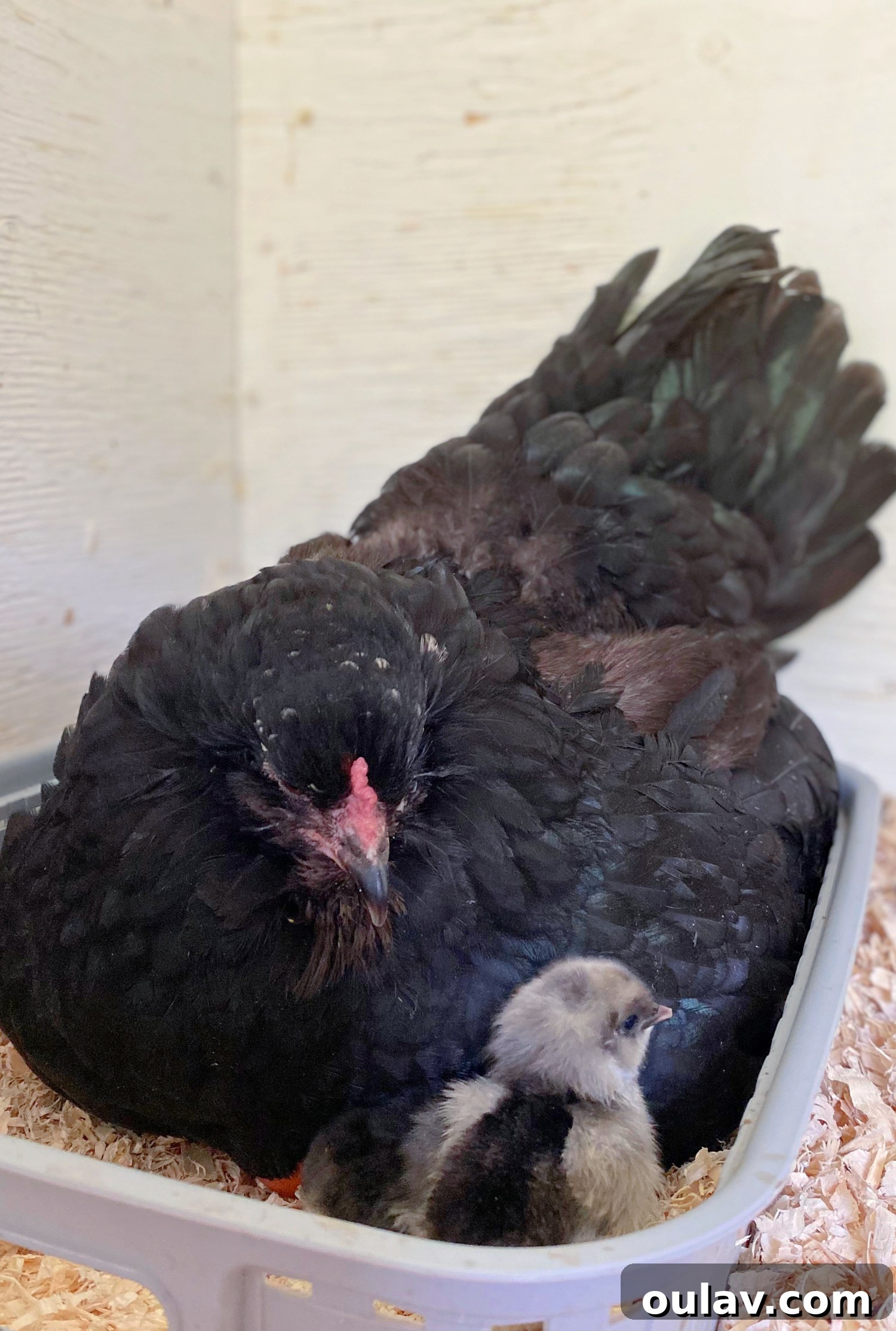
The new chicks, with their immediate sense of wonder, were also quite curious about me! Every time I gently opened their enclosure door, little fluffy heads would pop out from under Broody’s wings, seemingly to say “hello,” a delightful sight.
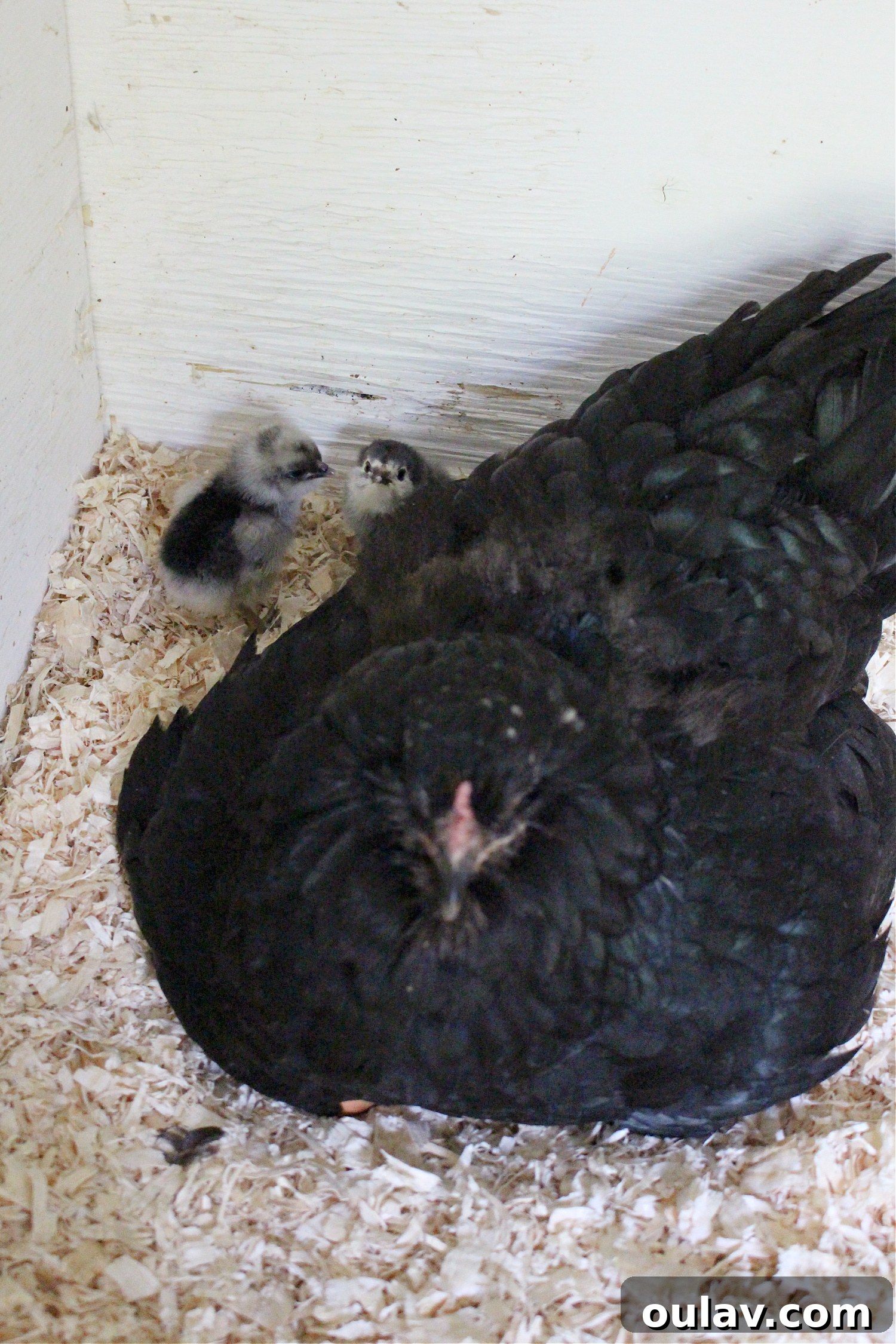
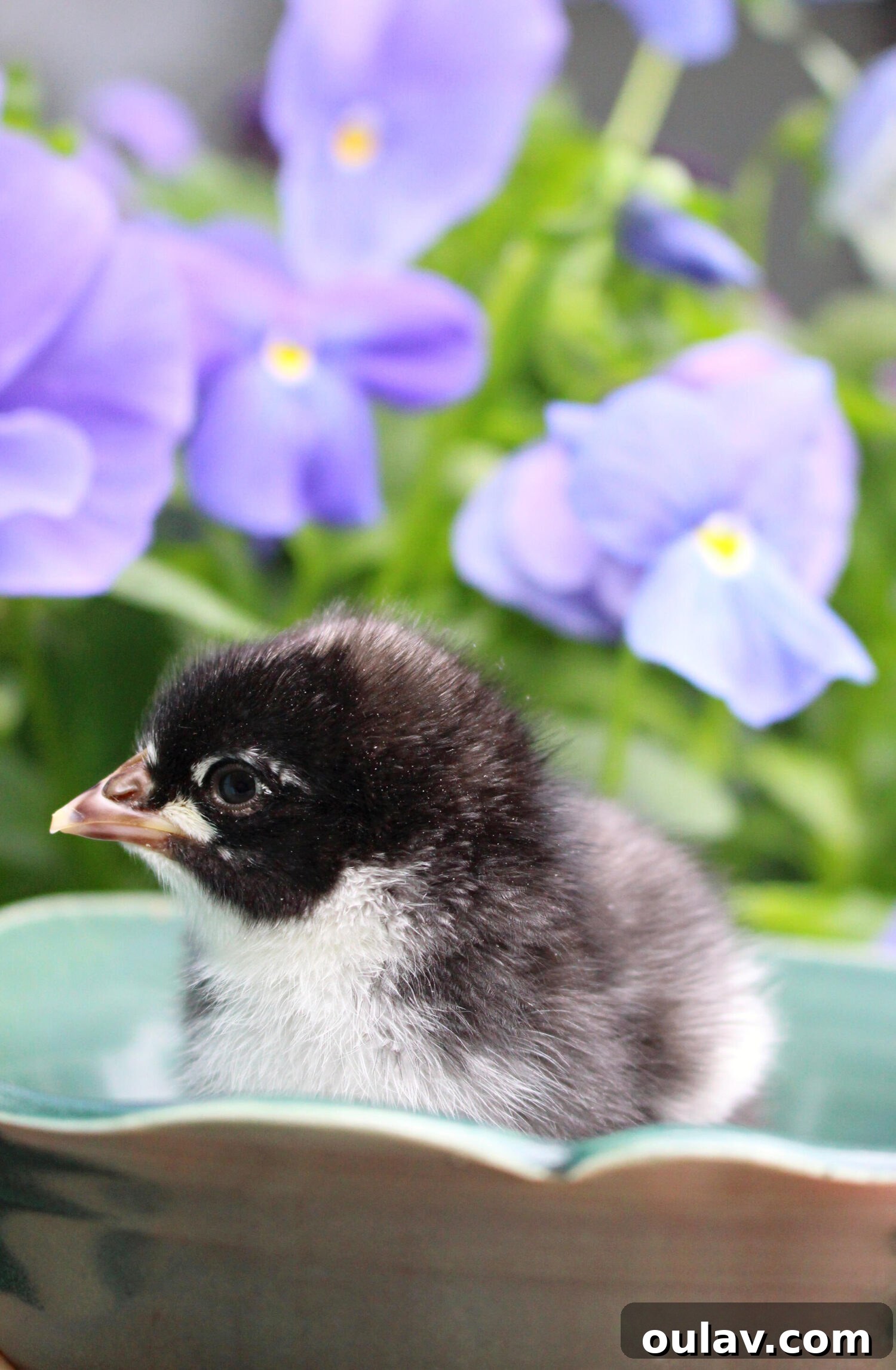
Over the course of roughly a day and a half, the chicks continued to emerge. First two, then three, until a grand total of seven out of the eight eggs had successfully hatched! This was an incredible success rate that exceeded all my expectations.
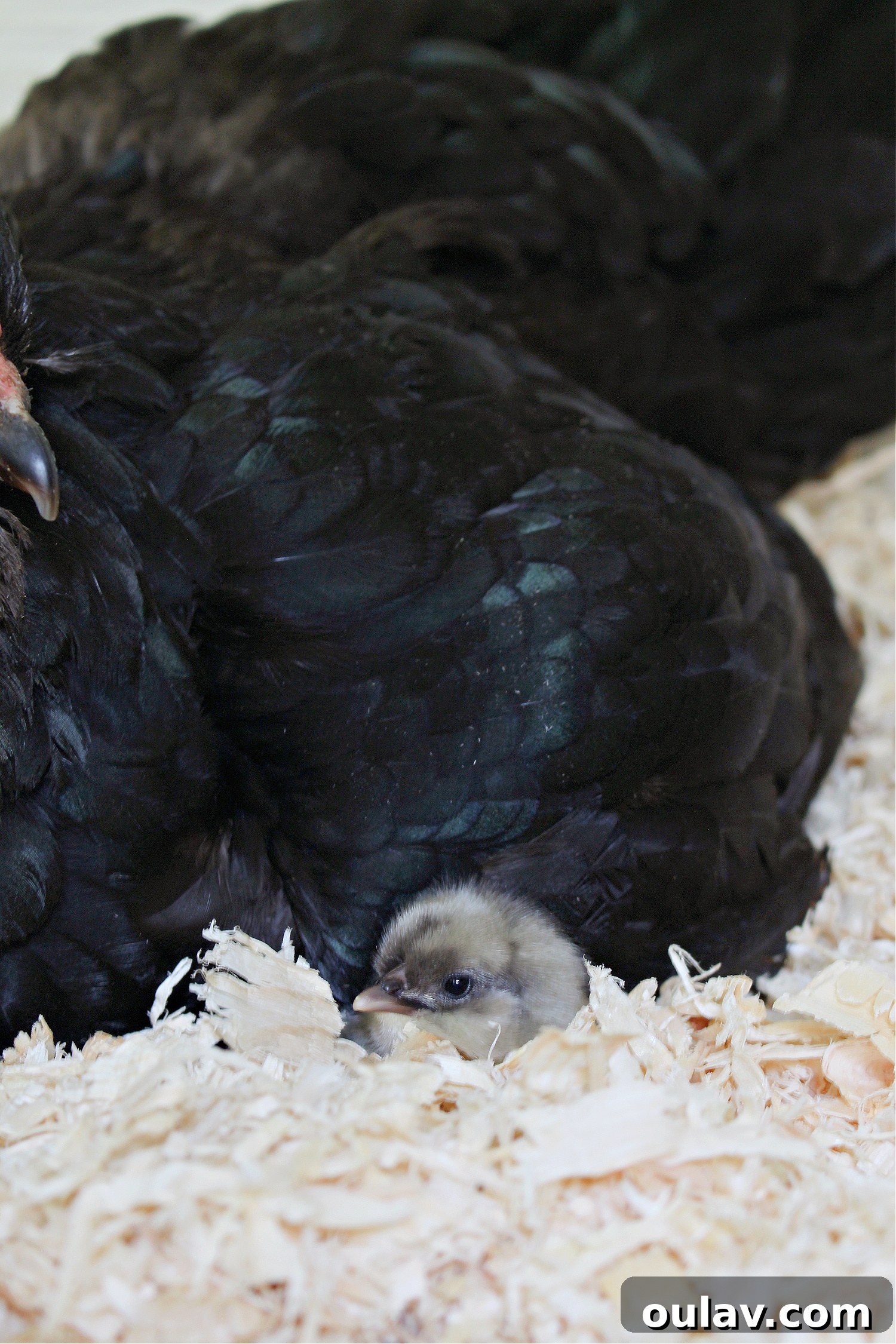
Before embarking on this adventure, I had been advised to anticipate a hatch rate of anywhere from 25-50%, with a cautionary note to prepare for the possibility of no chicks at all. My husband, ever practical, was initially concerned about adding too many new chickens to our flock, and I, perhaps optimistically, kept assuring him we’d likely only end up with a couple. Well, I have to admit, I was delightfully wrong! We are now the proud caretakers of seven adorable new chicks!
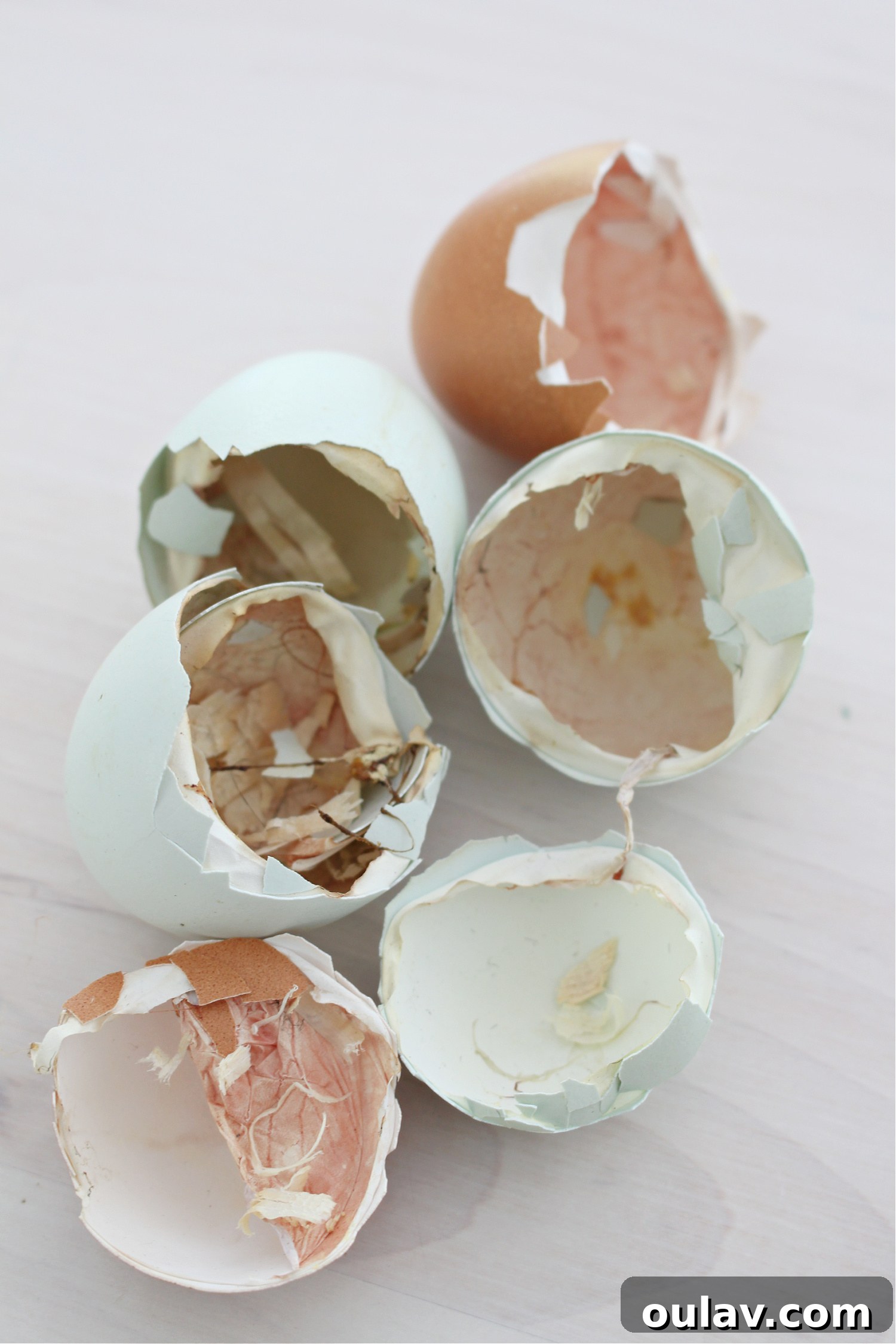
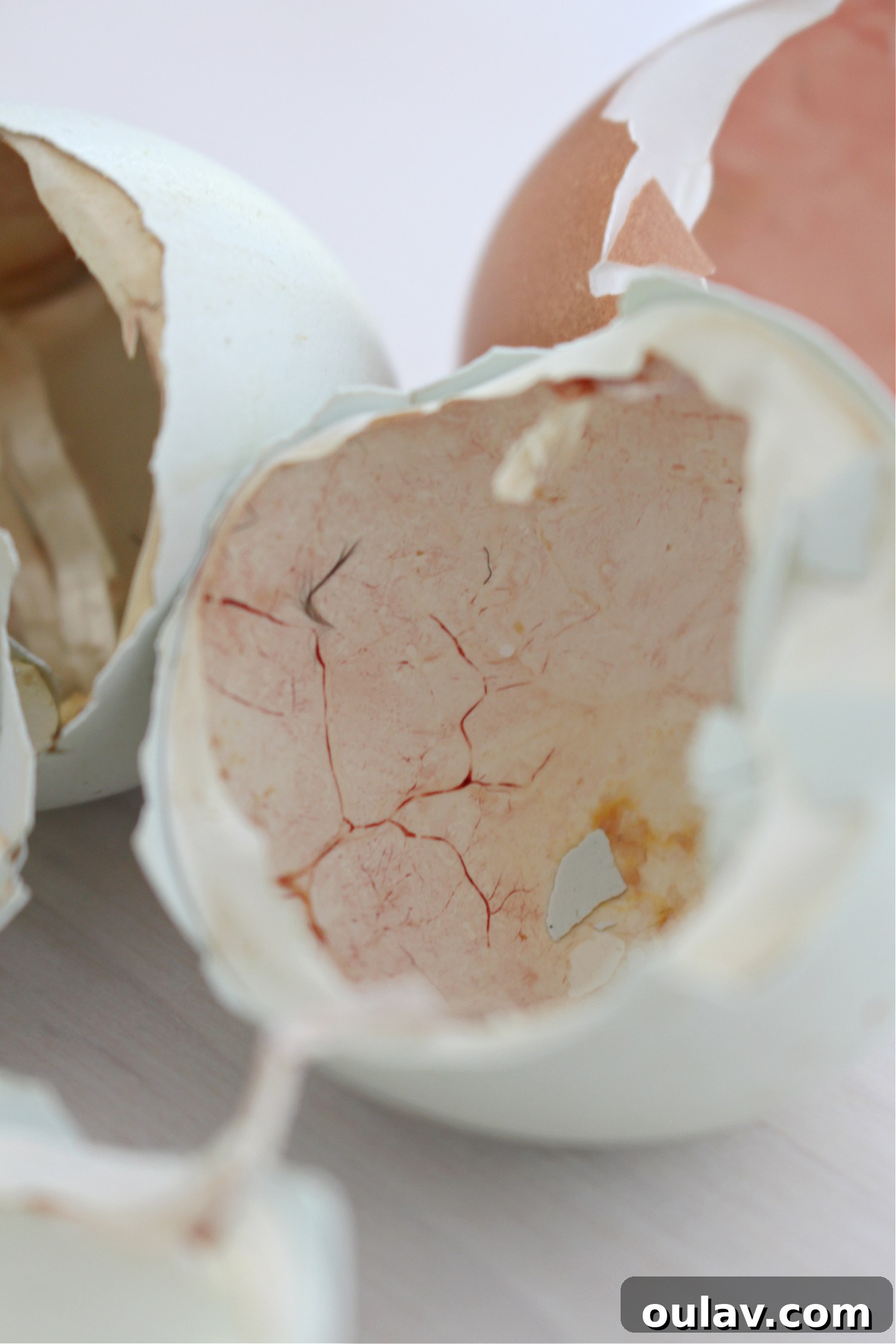
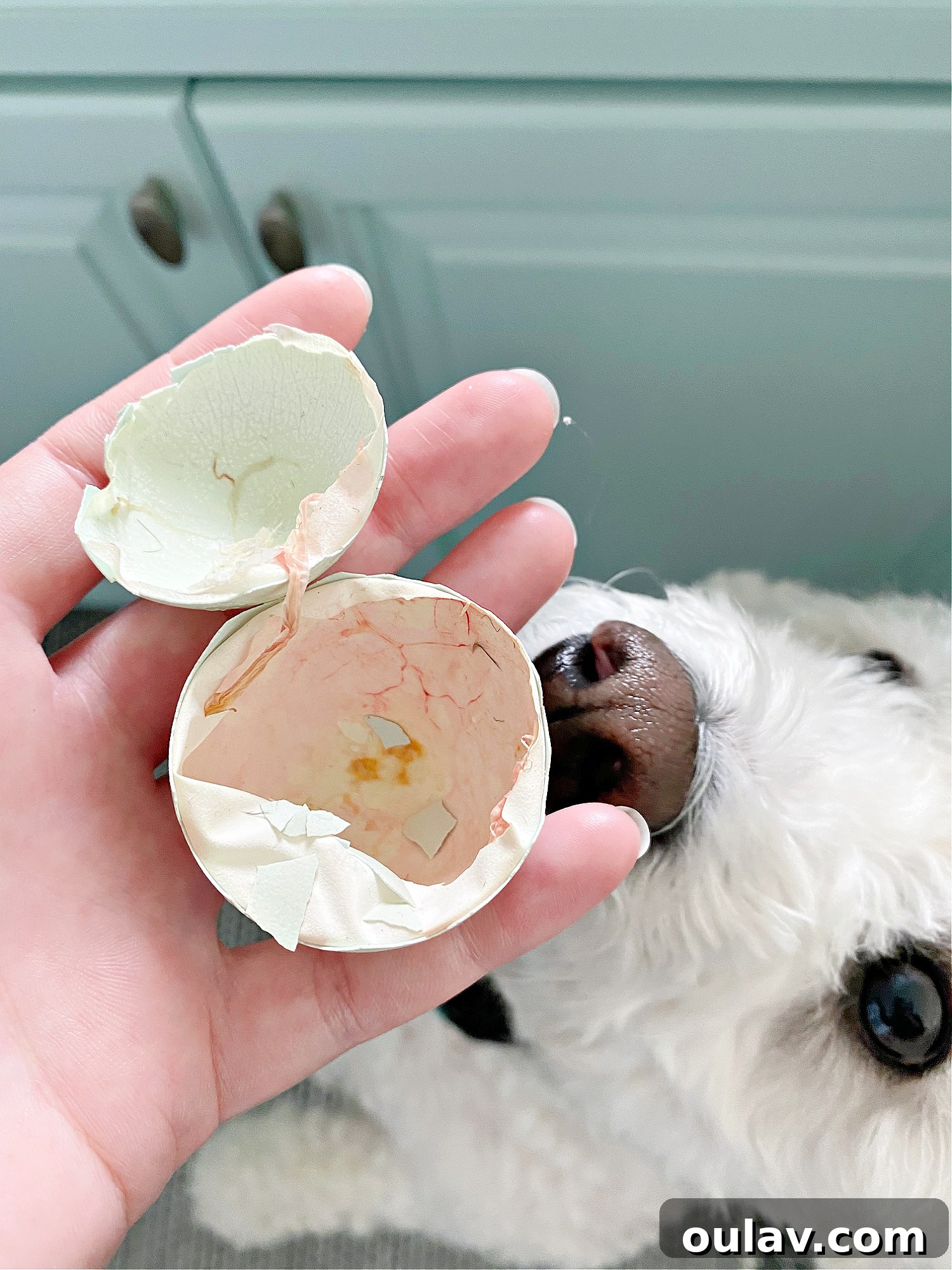
Exploring the detailed photos and diagrams of chick embryo development is truly captivating. I highly recommend a quick Google search on the topic – here’s a graphic version and a slightly less graphic one for those who prefer. After the chicks hatched, I carefully saved the empty eggshells. The intricate network of tiny blood vessels visible inside is a testament to the complex life that grew within. While my husband found this utterly disgusting and eventually convinced me to discard them, I remain fascinated by the sheer miracle of how these tiny beings develop inside a seemingly simple egg.
At least our dogs shared some of my interest, albeit from a distance, peering curiously at the empty shells!
Meeting Our Newest, Hours-Old Flock Members
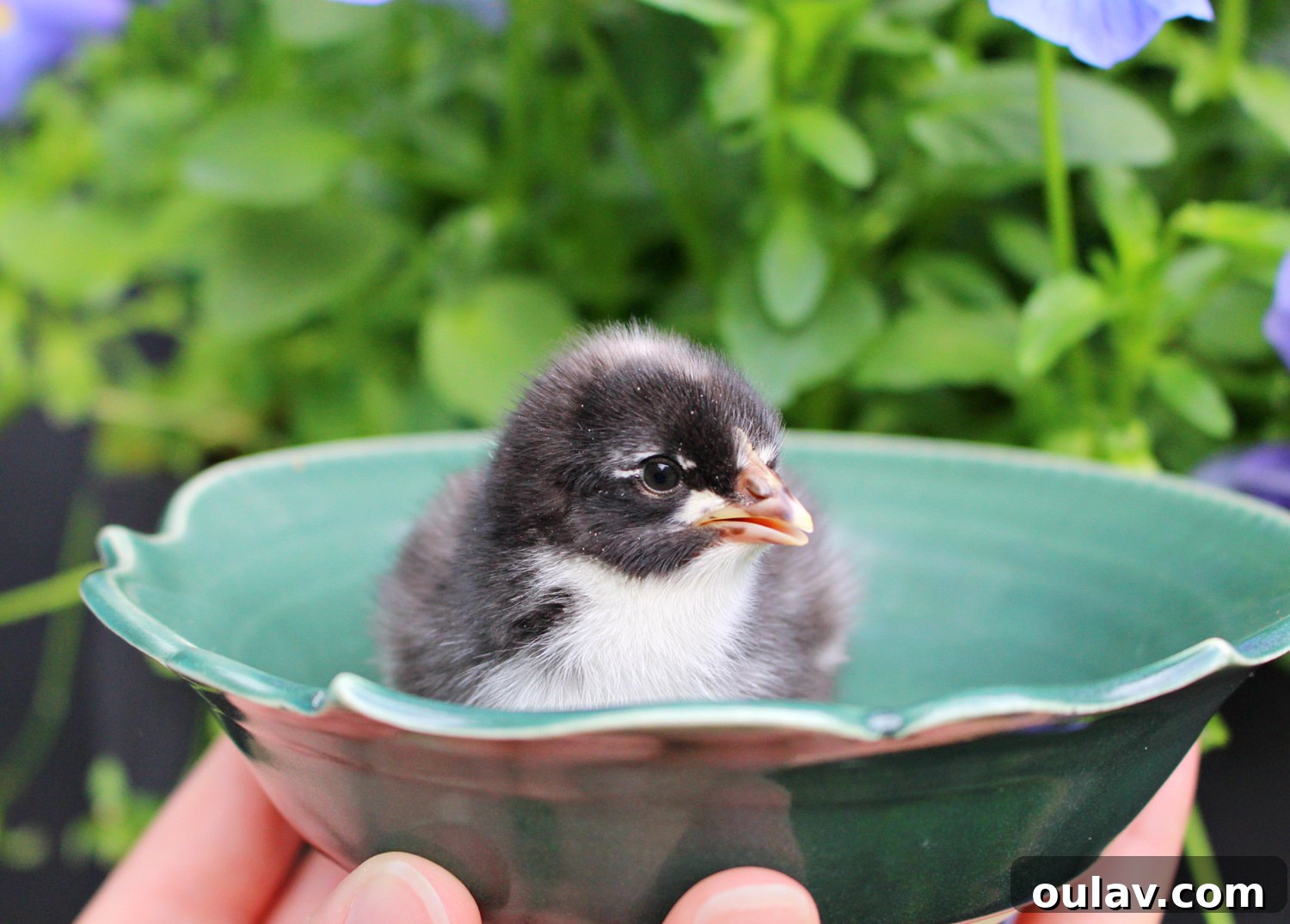
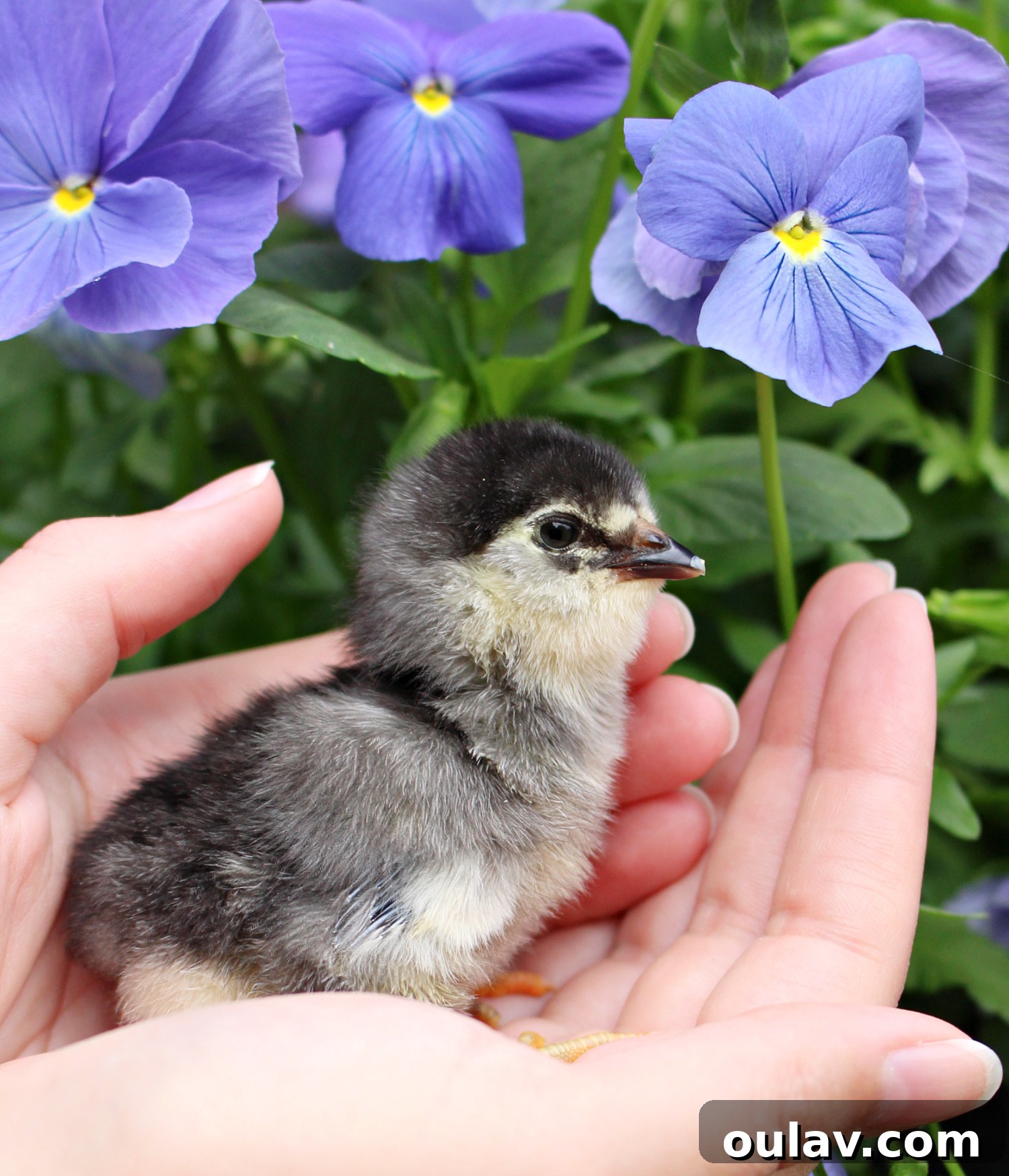
The chicks were incredibly tiny when they first hatched. They emerged from their shells wet, weak, and utterly exhausted from the monumental task of pecking their way out. However, within a short time, nestled securely under their mama’s warm body, they quickly fluffed out, transforming into dry, sleepy balls of down. Even after fluffing up, they remained astonishingly small on that first day. I’m accustomed to receiving chicks via mail, usually when they are already a few days old. Experiencing chicks just a few hours post-hatch truly highlights how incredibly tiny and delicate they are in their earliest moments.
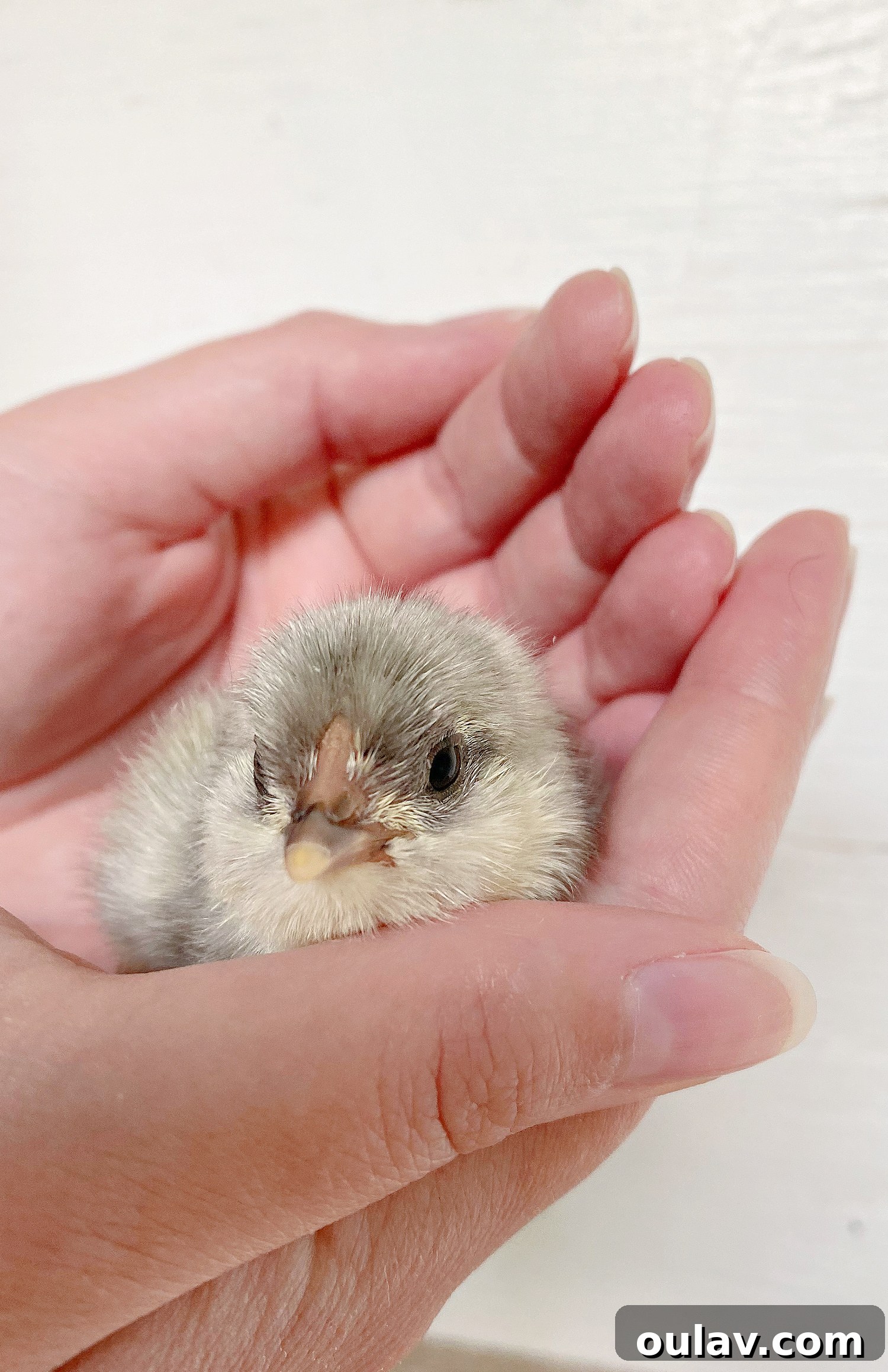
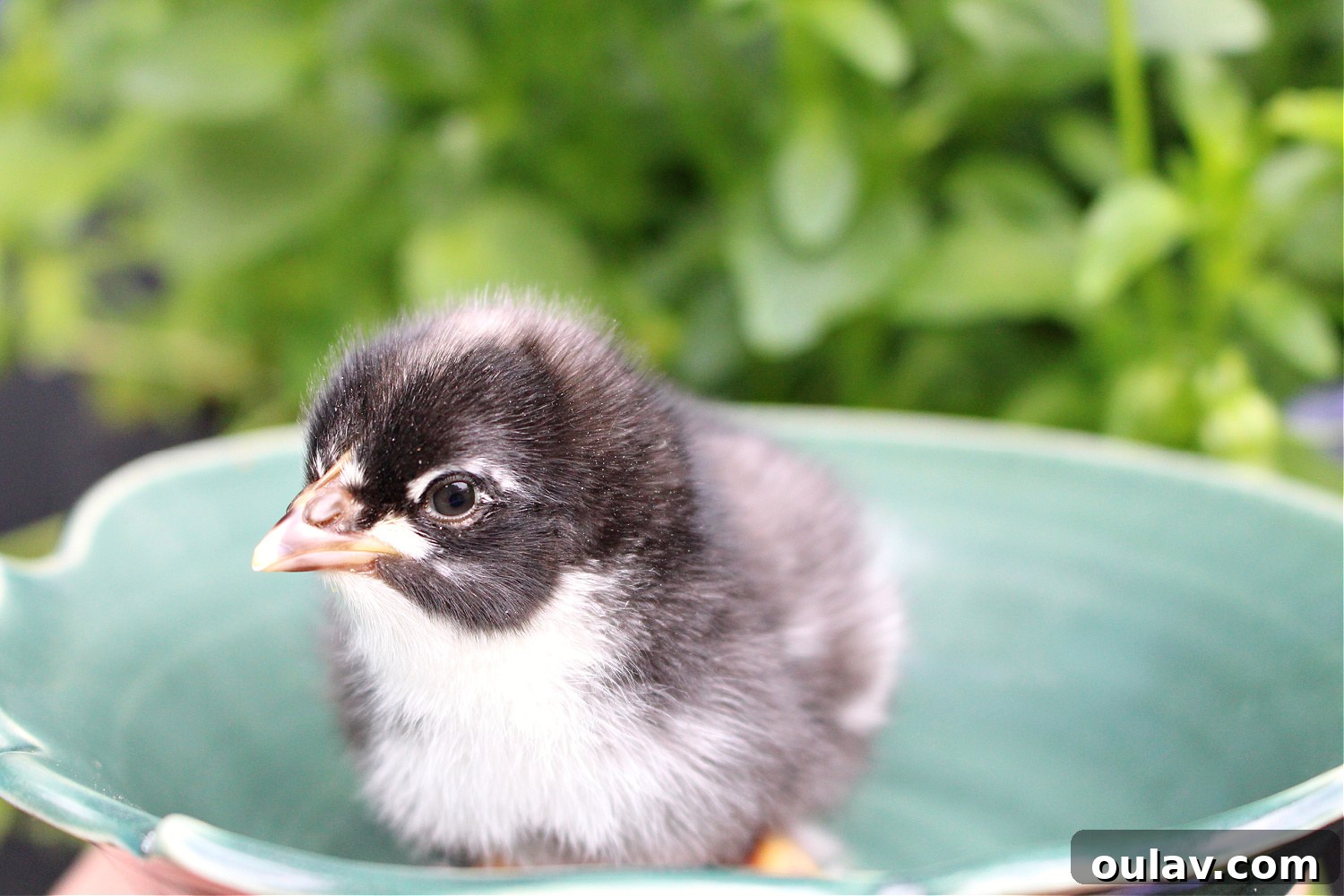
Observing the chicks hatched by Broody has revealed a fascinating difference compared to those I’ve received through the mail. These naturally-hatched chicks exude a remarkable confidence and bravery. They are immediately curious about me, unafraid to hop into my outstretched hand. In contrast, I’ve noticed that mail-order chicks often appear somewhat traumatized by the journey. My previous batch, sadly, even had two fatalities during transit, and the survivors were notably skittish and unsettled. Some were overly clingy, while others were terrified, displaying a general air of unease.
These new, hen-hatched chicks, however, are models of contentment and relaxation. Even during their more active moments, there’s a certain calmness about them. This profound difference has led me to a firm decision: I will never purchase chicks through the mail again. Witnessing the unique development and temperament of chicks raised from day one under a broody hen, immediately guided by their mama, has been eye-opening. They are demonstrably happier, well-adjusted chicks, benefiting immensely from their natural upbringing.
The Unparalleled Magic of Mama’s Teachings
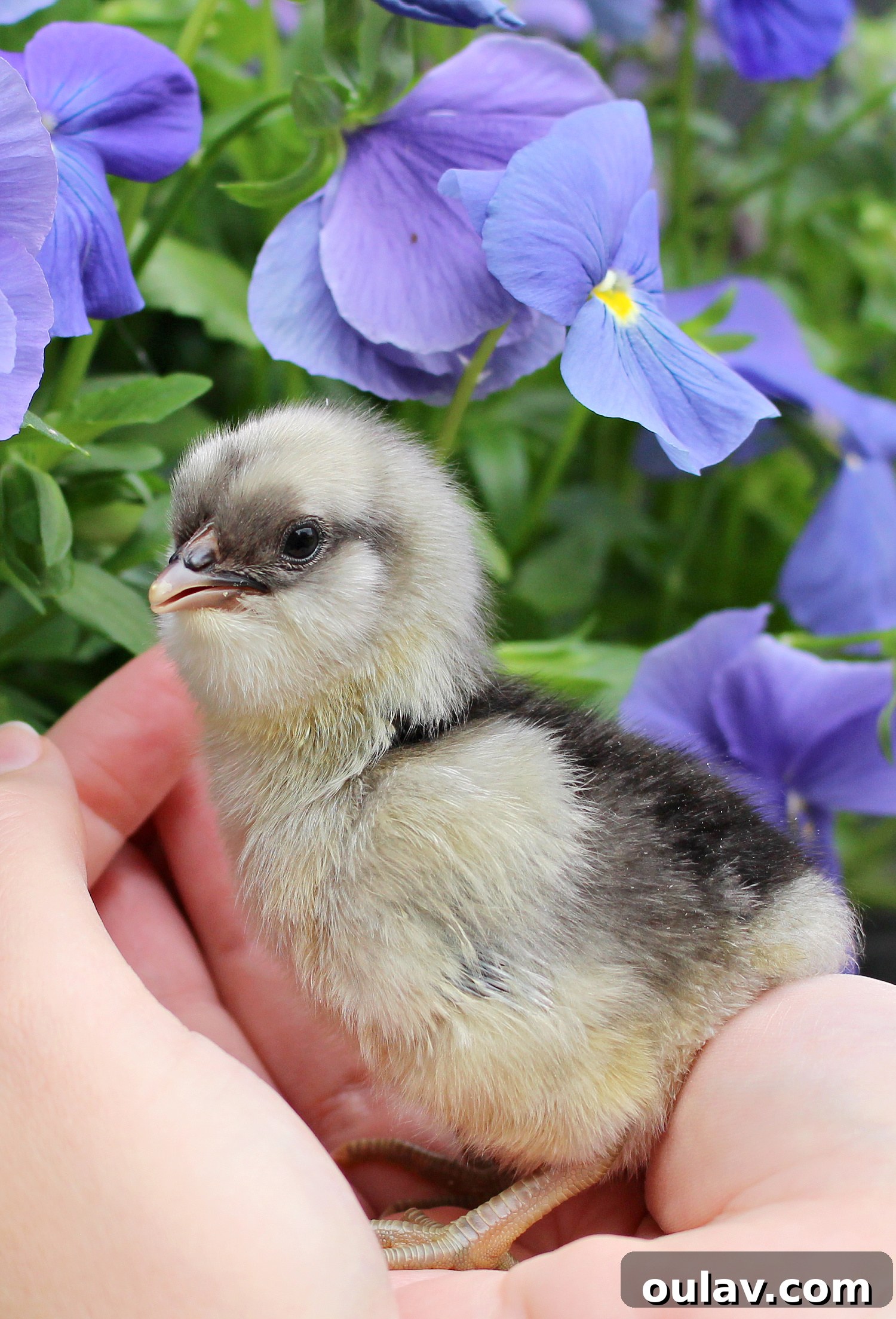
Perhaps the most captivating aspect of this entire experience has been observing Broody teach her tiny offspring. It’s a truly amazing display of natural instinct and motherly wisdom. For example, I had gently taken a couple of chicks out from under her to dip their beaks in the waterer, a common practice to show them where and how to drink. To my astonishment, Broody seemed to understand my intention. She gently nudged more chicks towards me, then demonstrated drinking herself, effectively showing them the ropes. It was as if she communicated, “Good idea, human; let me assist with that vital lesson.”
Similarly, when I offered her a handful of finely chopped hard-boiled egg – an excellent first food for chicks – she immediately called her babies over and demonstrated how to peck and eat directly from my hand. Her willingness to collaborate with me in teaching her brood has been nothing short of astonishing and deeply heartwarming.
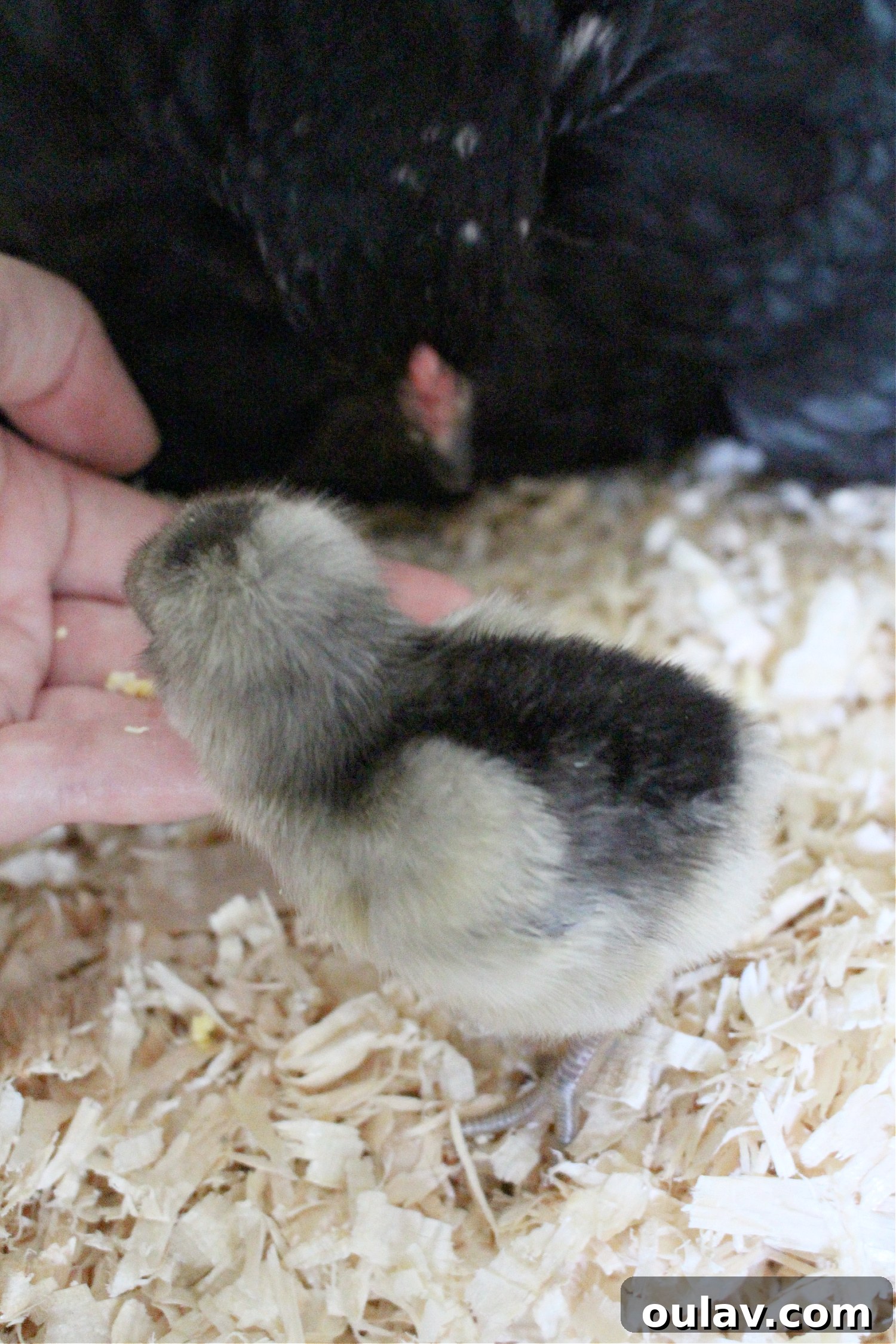
She also doesn’t seem to mind when I carefully pick up her chicks for a quick snuggle or to capture a precious photo.
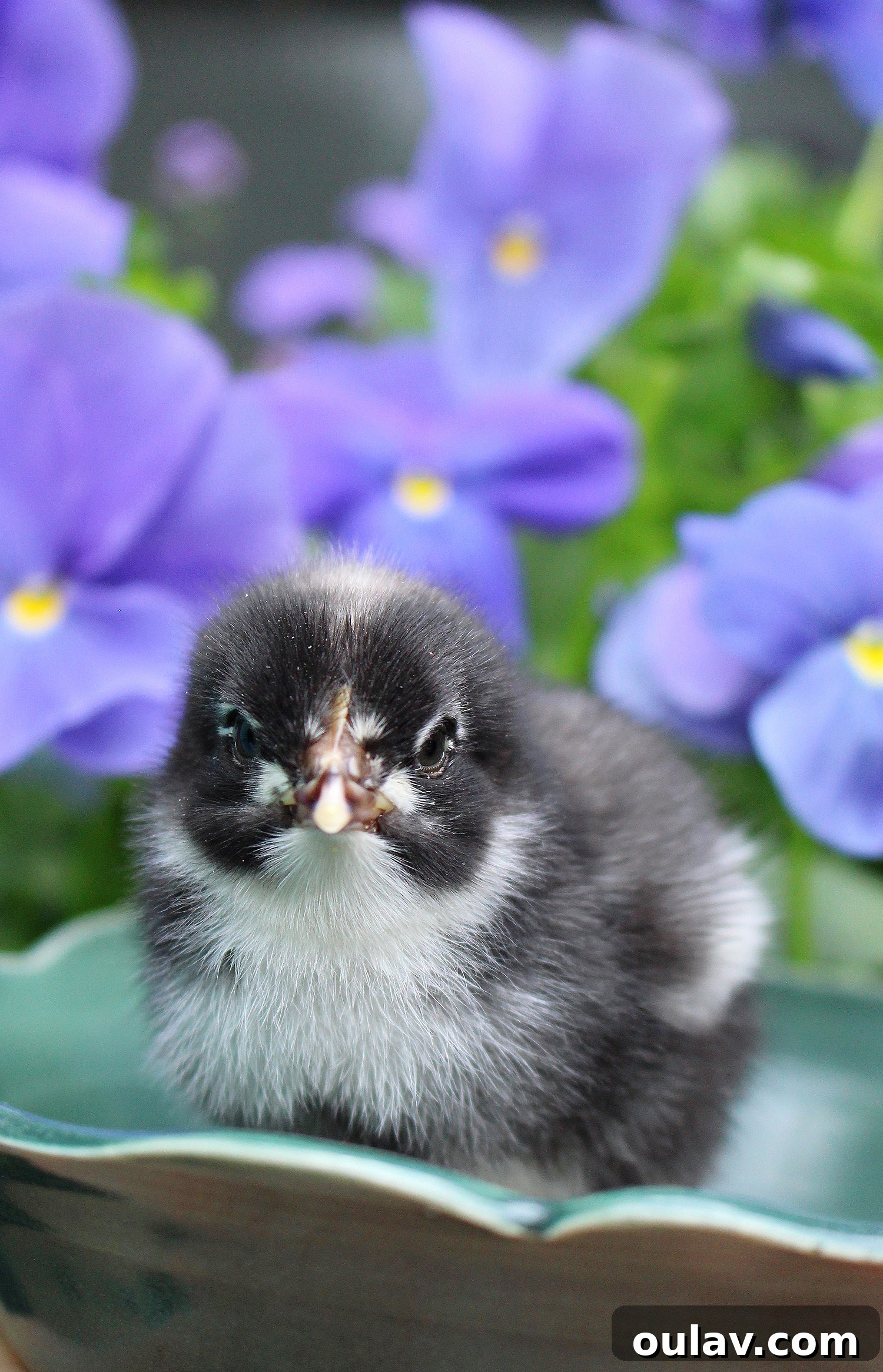
However, the moment I gently place them back down, they instinctively run straight back to her protective embrace. This is a stark contrast to my previous mail-order chicks, some of whom developed a strong attachment to me and would run to me for comfort. While I won’t deny that personal bond was lovely, seeing them flock back to their mother feels inherently right, embodying the natural order of things.
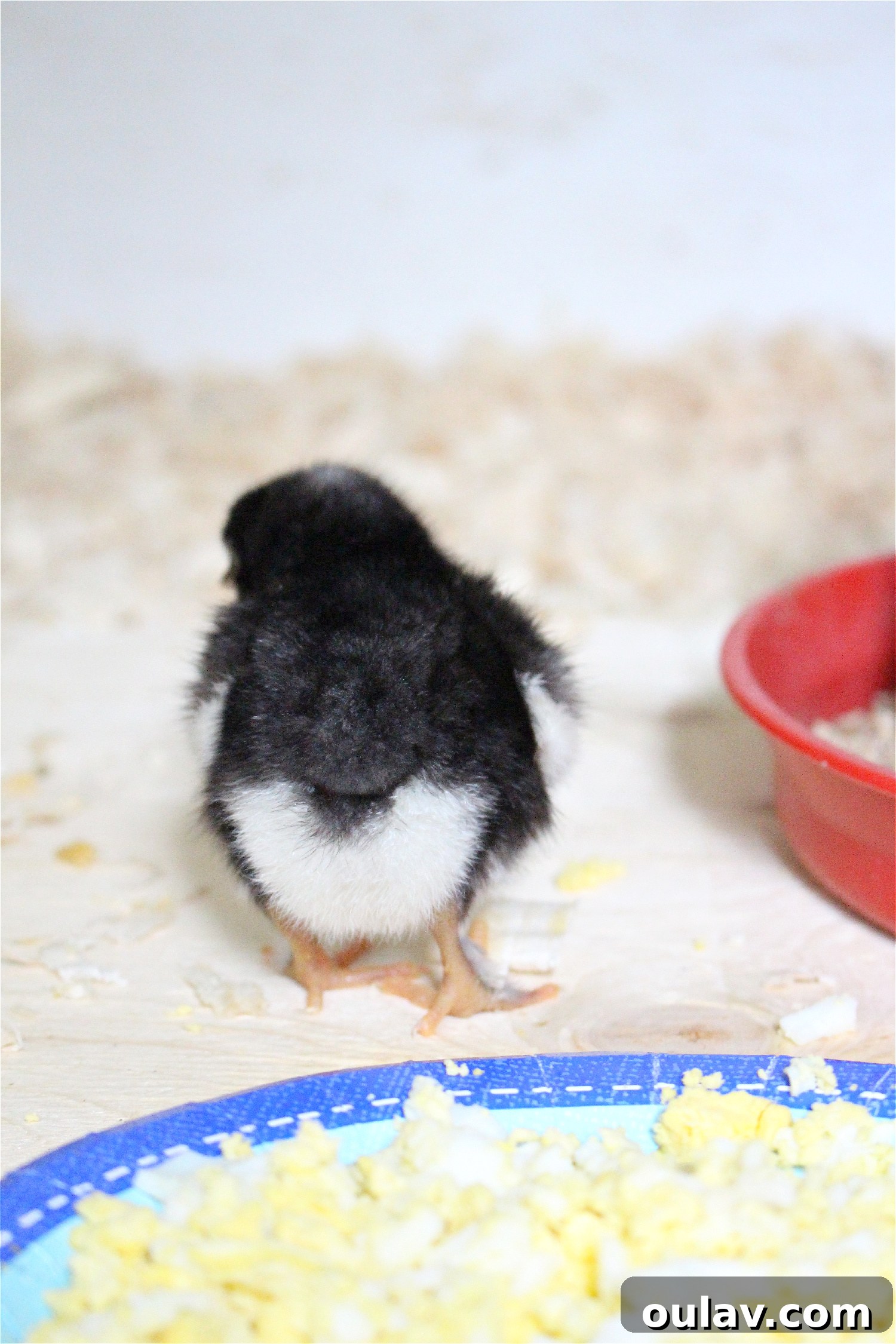
Witnessing a broody hen with her chicks has also provided some unexpectedly hilarious moments.
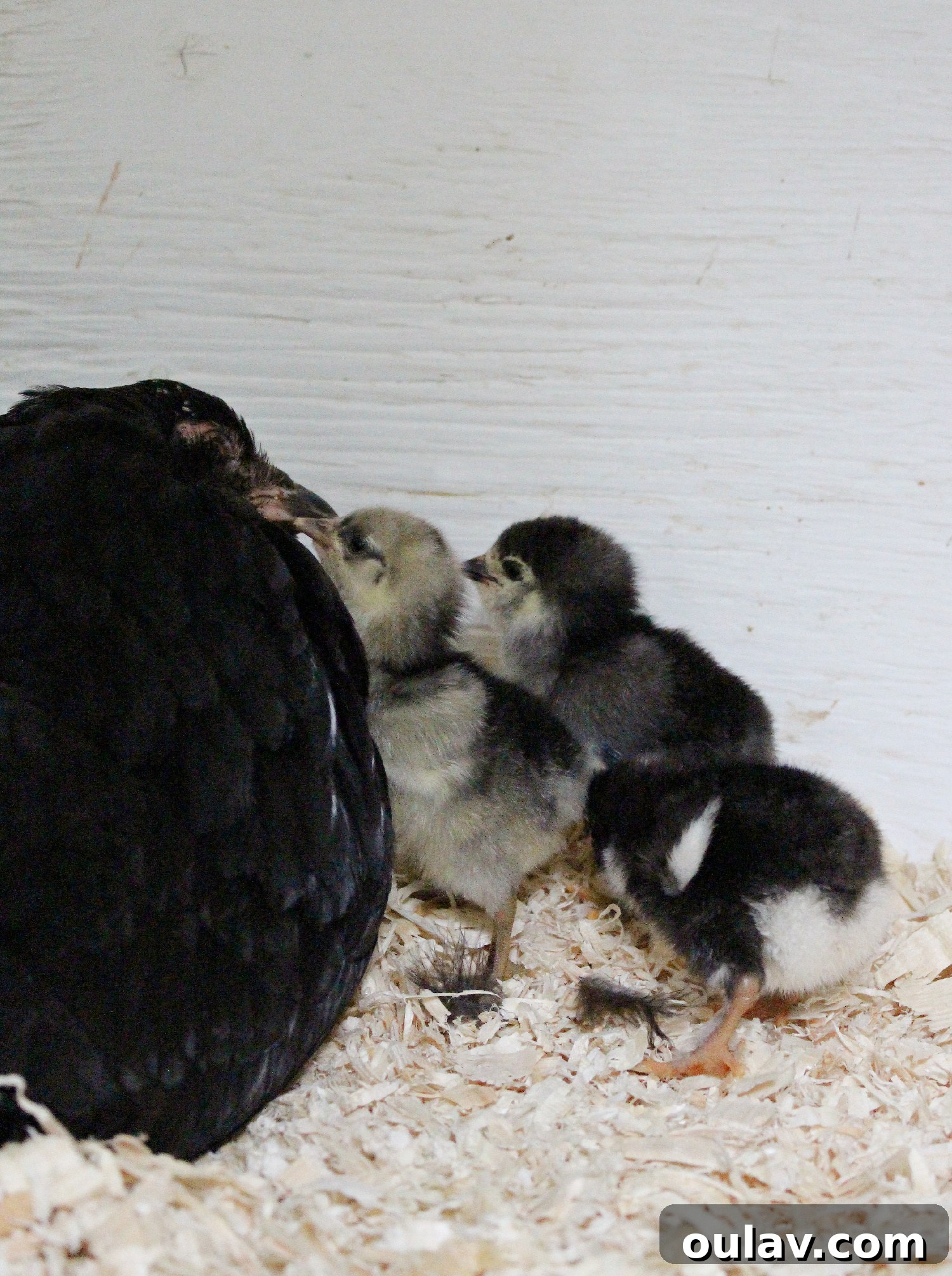
One memorable occasion involved Broody with a few chicks happily sleeping beneath her. Suddenly, she let out the most enormous, incredibly smelly, diarrheal poop. The sheer volume and odor were shocking, and the chicks beneath her responded with a synchronized “SCREAM” of protest! My husband and I were doubled over in laughter; I desperately wish I had captured that moment on camera. (Rest assured, I promptly cleaned up the mess).
Later that same day, as she was eating some egg, the chicks, with their insatiable curiosity, kept trying to snatch bits directly from her beak. One particularly bold chick even poked her in the eye, while another was precariously hanging off her feathers. With a swift, almost exasperated whip of her head, Broody sent the offending chick flying a short distance. It was quite a sight, especially considering how carefully and gently I try to handle them, while she simply sends them airborne when their antics become too much!
The Lingering Mystery: Candling the Remaining Egg
Broody’s unwavering focus remains fixed on that one final egg, though I have a growing suspicion it might not be viable. When I carefully moved her to count the newly hatched chicks, she became intensely agitated, not about her babies, but purely because of that single egg. She adamantly pushed it back under her body with her head, her determination still strong.
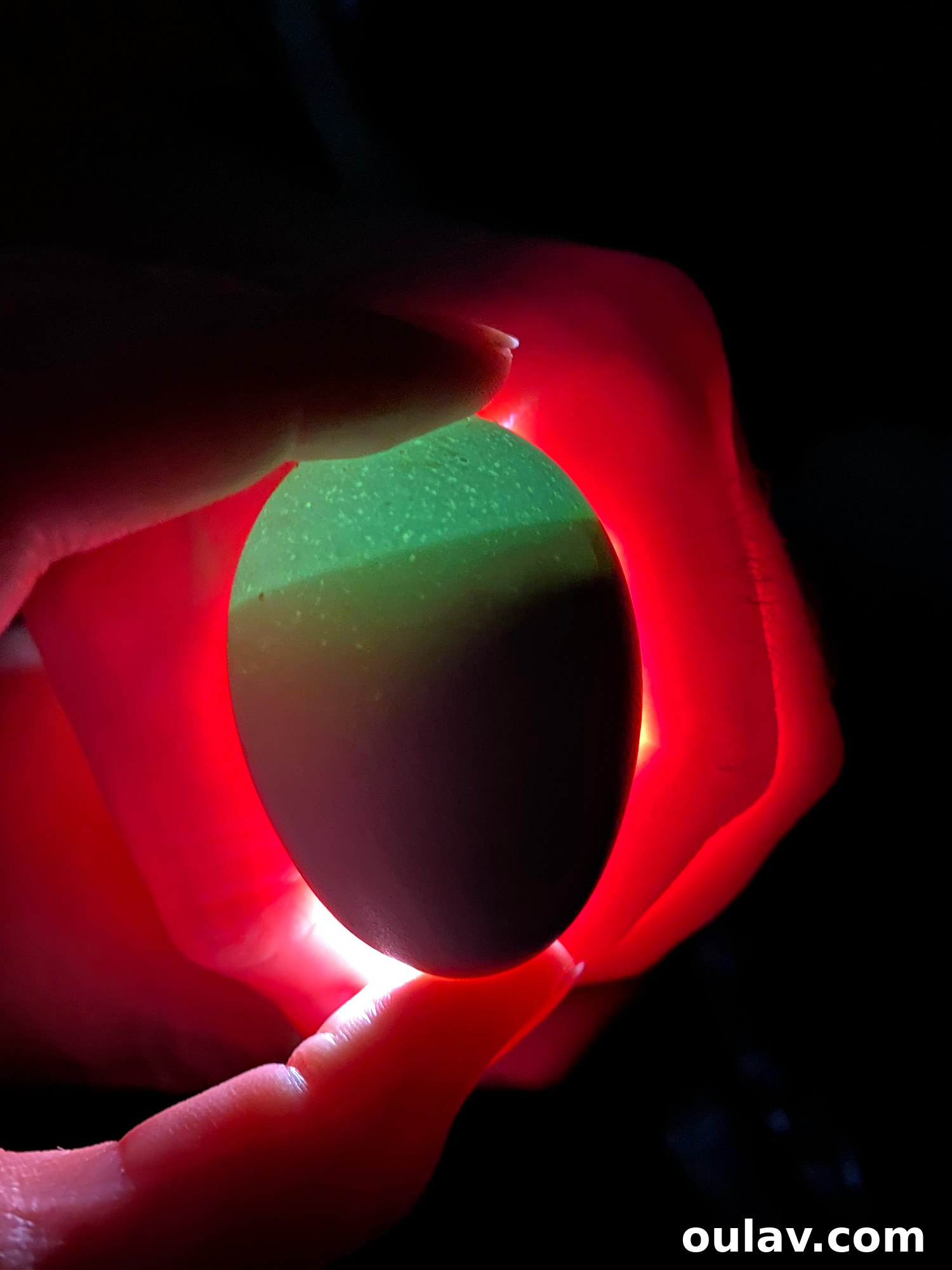
We decided to candle the egg to check for development. Candling involves holding the egg up to a bright light in a darkened room, allowing you to see through the shell. It helps identify development, viability, and sometimes even movement. While the egg appeared as it should at 19 days – showing a vascular network – I regrettably didn’t observe any internal movement under the light, nor did I hear any peeping. Despite this, we’ve decided to wait until Day 25. I’ve read that some eggs can take a bit longer to hatch, and Broody’s dedication deserves that extra patience.
Overall, this entire hatching experience has been absolutely spellbinding to witness firsthand. I’ve found myself spending an extraordinary amount of time in here:
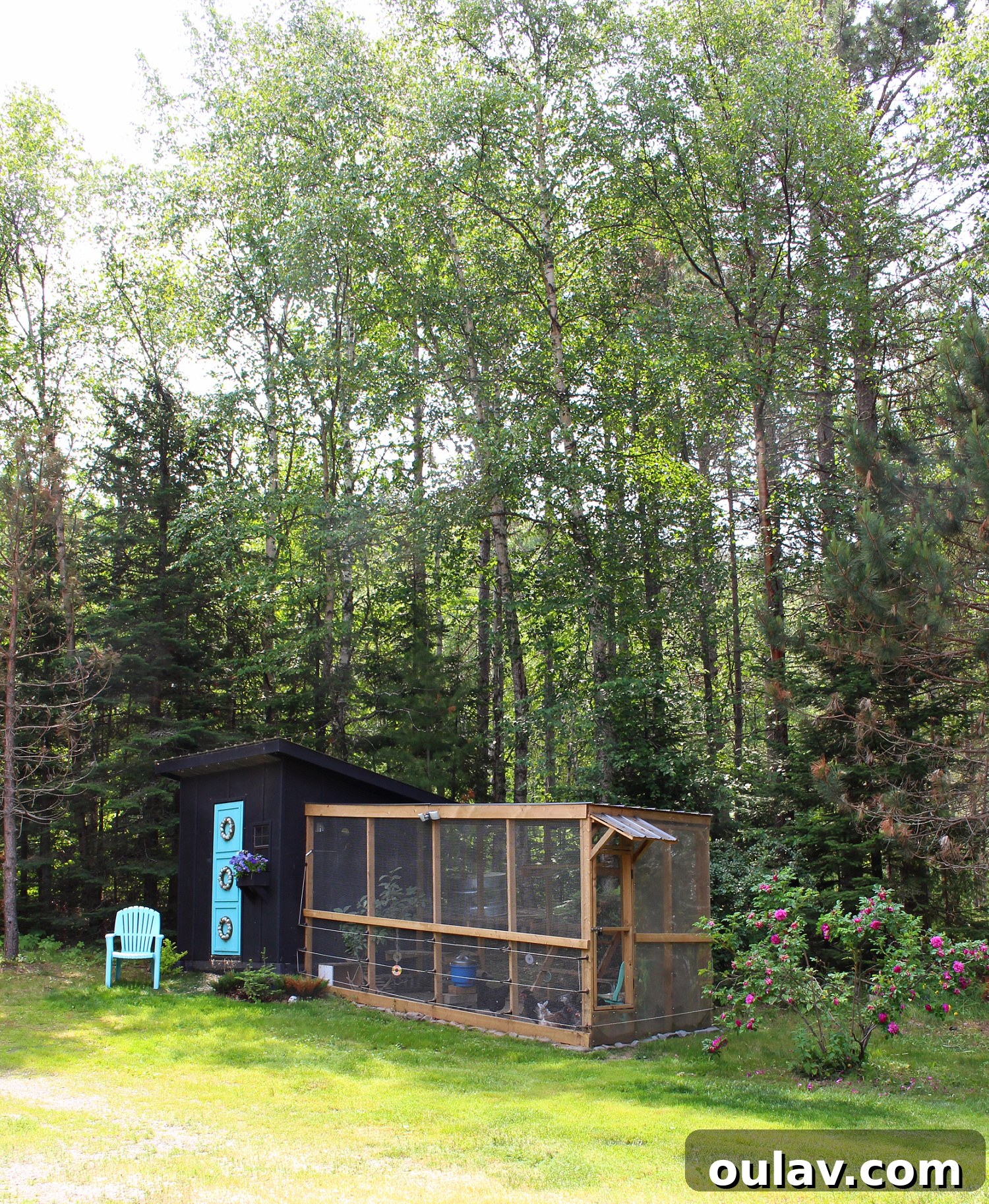
My next plan is to capture a short video of at least one of the chicks every single day, compiling these snippets into a comprehensive video showcasing their growth over 30 days. I am incredibly thrilled to welcome new chicks into our flock again and to have experienced the profound joy and excitement of natural egg hatching under the care of a devoted broody hen. Are you eager to delve deeper into the fascinating world of chicken keeping? You can find all of my past posts about chickens by clicking here.
Experience 21 Days of Hatching in Under 3 Minutes!
For a dynamic visual summary of this incredible journey, here’s a little video I compiled for Instagram, beautifully chronicling the entire process in less than three minutes!
View this post on Instagram
A post shared by Tanya | Decor, DIY & Thrifting (@danslelakehouse)
P.S. Don’t Forget to Pin this Wonderful Experience for Later!