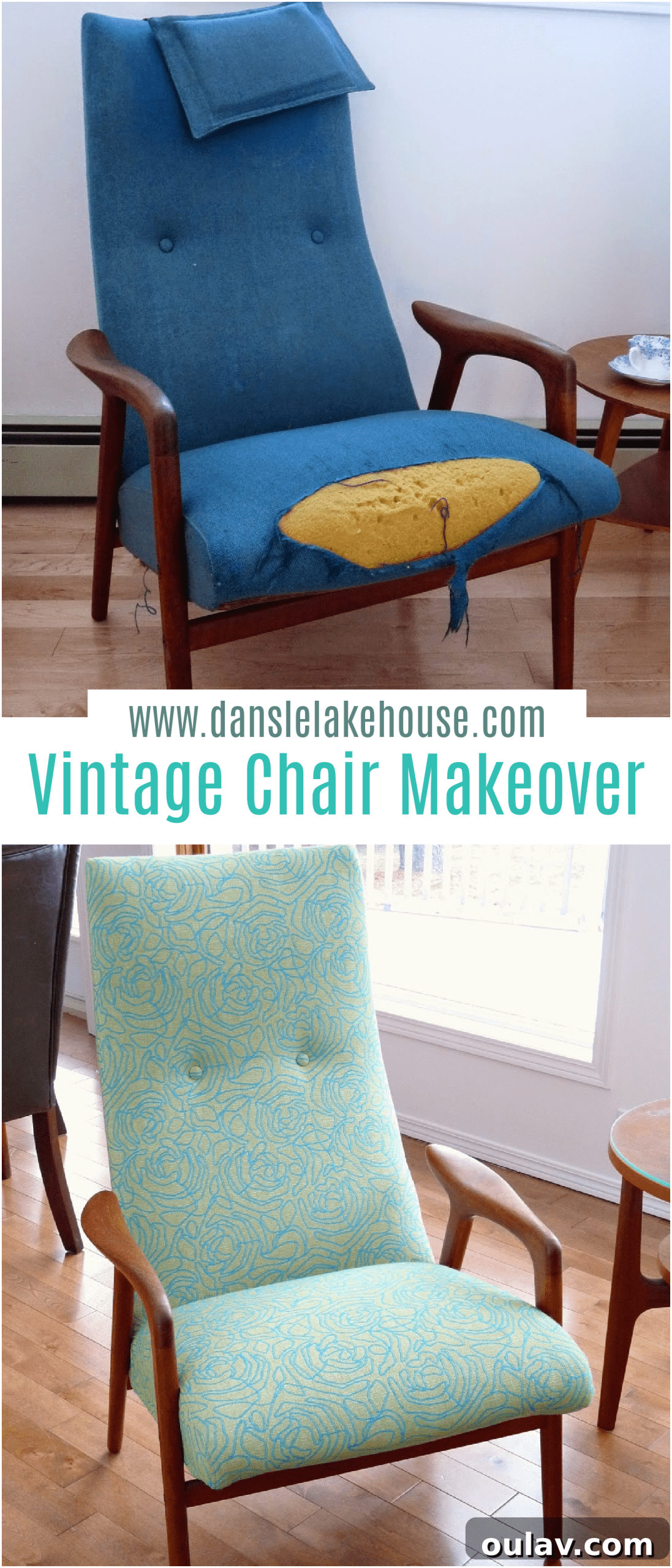
The allure of mid-century modern furniture is undeniable. Its clean lines, functional design, and inherent warmth from natural materials like teak have captivated enthusiasts for decades, myself included. I’m not a purist by any means; my approach to vintage pieces is about mixing, personalizing, and making them truly mine. While I cherish the craftsmanship of designs like my Yngve Ekstrom Mingo chair, I confess to a less-than-romantic view of original upholstery. Call it juvenile, but the thought of decades of trapped “memories” in vintage foam is enough to send me straight to the upholsterer, steam cleaning notwithstanding! This hands-on philosophy extends to maintenance, which is an often-overlooked aspect of owning these beautiful, solidly built pieces from the 1950s and 60s. Teak, in particular, demands consistent tender loving care to retain its lustrous appeal. Recently, I dedicated an entire afternoon to rejuvenating our teak dining table, my beloved minty teak chair, and even a humble velvet chair I rescued from the curb. The process was incredibly rewarding, and during this session, I made an intriguing discovery about my favorite chair that elevated its story even further. Join me as I share the simple yet effective steps I took to bring these pieces back to their former glory, along with the fascinating revelation about my cherished Yngve Ekstrom Mingo.
Long-time readers might recall the story of how this distinctive mint-colored chair entered my life. Years ago, I scoured the Ottawa classifieds, placing a “want ad” with a photo of a similar chair, secretly hoping to find a companion piece for my orange tweed chair. The quest for matching pairs of vintage chairs has always been a challenging one for me, often leading to delightful, unexpected discoveries instead. One day, a fellow mid-century collector contacted me, offering a chair she believed matched my description. Eager with anticipation, I drove across the provincial border to Quebec to pick it up. From the moment I saw its elegantly curved arms and experienced its surprising comfort, I was smitten. Unlike some mid-century designs that prioritize form over function, this chair was clearly designed for genuine lounging, making it the perfect reading nook companion. However, its beauty was marred by time: the original foam was disintegrating, and the upholstery was ripped and worn. It was clear that this exceptional piece was ripe for an Yngve Ekstrom Mingo chair makeover, even if I didn’t know its illustrious name at the time.
The deteriorating upholstery didn’t deter me; in fact, it was an invitation to infuse the chair with a fresh personality. My goal was always to replace both the foam and fabric, creating a piece that was both aesthetically pleasing and hygienically pristine. With the chair awkwardly squeezed into our Versa, I made the journey back to Ottawa, already envisioning its transformation. The next step involved a visit to Kessels, my trusted upholsterer, where I immersed myself in a world of fabric samples. Choosing the right fabric is a crucial decision that can entirely redefine a piece of furniture. I spent hours poring over swatches, agonizing over patterns, textures, and colors. This wasn’t my first rodeo with Kessels; they had previously performed magic by sourcing the perfect houndstooth tweed for my kitchen chairs, a fabric that numerous other Ottawa shops had declared non-existent in upholstery grade. Kessels presented me with at least twenty options, proving their unparalleled expertise. So, when it came time to select the fabric for the minty chair, they were my immediate and only choice. I credit the wonderful women there for gently nudging me towards a bold, abstract floral pattern. Their vision was impeccable, as this vibrant fabric has utterly transformed the chair into a much-loved focal point in our home, adding a playful yet sophisticated touch to its classic mid-century lines.
On a related note, the process of selecting fabrics for furniture, especially vintage pieces, is an art form in itself. It’s not just about what looks good, but also what complements the era of the piece, withstands daily use, and reflects your personal style. I recently revisited and significantly updated a comprehensive post I wrote specifically on this topic. It’s now enriched with more visual examples and practical tips gathered from years of experience in furniture restoration and fabric selection. I invite you to delve into the revised guide, which covers everything from understanding fabric durability to choosing patterns and textures that enhance your vintage finds. Your insights and experiences are invaluable, so please read the revised post here and share your tips in the comments; I always love to learn from fellow enthusiasts!
The initial investment for the chair was $250, a sum that seemed reasonable for a comfortable, stylish piece of vintage furniture. The cost of the new fabric (which I, unfortunately, don’t recall precisely) and the labor for upholstery, which amounted to $400, brought the total investment to around $650. For years, I simply enjoyed my unique find, unaware of its true origins or potential value. Without any markings or labels, its history remained a mystery. After realizing just how exceptionally comfortable it was, I embarked on a mission to find a matching pair or at least gather more information about its design. I placed “want ads” on Kijiji across Ottawa, Toronto, and Montreal, but my efforts yielded no specific leads about its designer or style, though I did receive hundreds of emails admiring the new upholstery! The internet, however, holds a unique magic. Thanks to the keen eye of a fellow vintage lover who spotted my chair on Instagram, a surprising discovery unfolded. They directed me to this Etsy listing, which unequivocally identified my chair and changed everything I knew about it.
It turns out my cherished “minty chair” is an authentic Yngve Ekstrom Mingo chair, designed by the renowned Swedish master and produced in Sweden in the late 1950s. The chair in the Etsy listing had sold for an impressive $1200, confirming its rarity and desirability among collectors. This revelation brought a mix of emotions: immense satisfaction knowing that my initial investment and restoration efforts were more than justified, but also a touch of wistfulness, as acquiring a matching pair now seems like a distant, expensive dream. The sheer joy of finally knowing its pedigree was immense. It was incredibly exciting to Google “Mingo” – the specific style name for this design – and see countless images of these chairs, my chair! – pop up on the screen. This discovery deepened my appreciation for its craftsmanship and historical significance, transforming it from a mere comfortable seat into a true piece of design history. The Mingo chair, with its distinctive profile and ergonomic design, is a testament to Ekstrom’s innovative vision, making it a highly sought-after item in the world of mid-century modern furniture.
Learning about the illustrious background of this chair amplified my affection for it, but it also stirred a twinge of guilt. I realized I hadn’t been as diligent with its care as I should have been. During our last move, a small smudge of paint had unfortunately transferred onto the delicate teak frame when the chair brushed against a wall. Teak, despite its renowned durability, is a relatively soft wood, making it susceptible to such marks. Furthermore, I hadn’t oiled the wood since the chair had been reupholstered, primarily out of a cautious fear of accidentally dripping oil onto the pristine new fabric. Consequently, the beautiful teak had begun to look noticeably dry and dull, losing its characteristic warmth and luster. This neglect, however minor, became a persistent visual reminder, especially prominent in photographs, that this valuable piece deserved better. The deep grain and rich color of teak are its signature, and without proper nourishment, it begins to lose its protective qualities and aesthetic appeal. It was time for a dedicated spa day for my Mingo chair, a task I knew would bring both aesthetic improvement and renewed peace of mind.
I knew I had to address the neglected teak immediately. My first step was to meticulously protect the new upholstery. I draped several old towels over as much of the fabric as possible, creating a barrier against any potential oil drips. For the paint scuff, I gently sanded the affected area with a very fine-grit sandpaper, carefully working to lift the surface mark without damaging the wood beneath. Once the minor blemish was resolved, it was time for oiling. Using a clean, lint-free rag, I applied a generous but even coat of teak oil to the legs and frame. The key is to allow the oil to penetrate the wood, typically for about five minutes, as per most manufacturer instructions. After this absorption period, I diligently wiped off any excess oil, ensuring a smooth, non-tacky finish. Over the years, I’ve experimented with various brands of teak oil, most recently a bottle from Canadian Tire, and while I’m still searching for ‘the one’ perfect product, I’ve learned that instructions can vary. Therefore, always defer to the manufacturer’s specific recommendations for soaking times and application techniques. While I have occasionally let the oil sit for slightly longer than five minutes without issue, strict adherence to the directions generally yields the best results, preventing any residue or unevenness.
With the house temporarily filled with the distinct aroma of wood oil, the furnace blasting, and windows wide open (a slightly regrettable choice on a chilly day – why didn’t I tackle this when it was warmer?), I decided to make the most of the ventilation and extend my maintenance efforts. My attention turned to the solid wood arms of the velvet chair, a piece I had literally heaved from a curbside garbage pile years ago. I still know nothing of its history or designer; I highly doubt it boasts any fancy lineage, unlike my newly identified Mingo. Its charm lies purely in its unique character and the satisfaction of giving it a second life. The challenge with this chair, however, was its integrated wood arms – they are firmly embedded into the velvet upholstery. To protect the fabric during the oiling process, I meticulously applied low-tack painter’s tape along the edges where the wood met the velvet, supplementing this with strategically draped towels. For these arms, I opted for Danish oil, a product I first used when my husband and I refinished them years ago. Danish oil, unlike teak oil, often provides a slightly more satin finish and penetrates deeper to protect and enhance the natural beauty of the wood, making it ideal for non-teak woods. The process was nerve-wracking, given the proximity to the delicate velvet, but the results were undeniably worth the extra care and precision, bringing a rich, rejuvenated look to the arms.
The arms on the velvet chair, once looking dull and somewhat neglected, now gleam with a renewed richness. This transformation, though simple, brings an incredible sense of satisfaction. It’s a testament to how proper care can unveil the inherent beauty of even the most unassuming pieces of furniture. Similarly, the minor paint transfer on the minty Yngve Ekstrom Mingo chair, which might have gone unnoticed by others but was always the first thing my eye caught in photographs, has been entirely erased. Now, the teak wood on my Mingo chair no longer appears dry or lifeless; instead, it exhibits a deep, healthy luster, reflecting the light beautifully. The natural grain is accentuated, and the warm tones of the wood complement the bold floral upholstery perfectly. Both chairs, standing side by side, now radiate the charm and elegance that only well-maintained vintage furniture can. It’s these small acts of preservation that not only extend the life of these pieces but also deepen our connection to them, transforming them from mere objects into cherished elements of our home’s story.
You might have never noticed the subtle paint transfer on the minty chair before, but to my eyes, it was a glaring imperfection, always drawing my attention first in any photograph. Now, that imperfection is gone, and the wood truly gleams. The painstaking care has brought out the inherent beauty of the teak, showcasing its rich, warm tones and intricate grain patterns. It’s a joy to see how a little attention can restore such significant character to these mid-century treasures. The transformation is not just superficial; it’s about preserving the integrity and historical value of these pieces for years to come. The satisfaction derived from seeing the wood gleam, free from blemish, makes every minute of the oiling process worthwhile. It truly highlights how much of an impact focused maintenance can have on the overall aesthetic and longevity of vintage furniture.
As glorious as the now-gleaming wood arms and legs look on my two revitalized mid-century chairs, I’d like to invite you for a moment to shift your gaze and appreciate my carefully curated woodpile. After dedicating an hour to filling up the cubby, a task that one might assume would take mere minutes, I found myself thoroughly engrossed in the process. I spent a considerable amount of time rustling through our outdoor woodpile, meticulously selecting only the finest, perfectly rounded pieces. While these “rounds” undoubtedly create a visually stunning and picturesque stack, they do come with a practical drawback: they take considerably longer to catch fire and burn efficiently compared to more irregularly shaped logs. The visual appeal was simply too tempting to resist. However, I know this aesthetic indulgence is fleeting. Our plans involve burning through a rather “janky” pile of really hacked-apart pieces that were left with the house, meaning the next iteration of the cubby will likely be a chaotic jumble of various shapes and sizes. So, for now, I’m thoroughly enjoying the beautifully stacked, almost sculptural, woodpile while I still can, a small moment of natural artistry amidst the practicality of home ownership.
P.S. Don’t Forget to Pin for Later!