The Ultimate Guide to Protecting Your Sofa and Upholstered Furniture During a Move
Moving day is often cited as one of life’s most stressful events. Amidst the chaos of packing boxes, coordinating logistics, and saying goodbye to an old space, one significant concern looms large for many homeowners: how to ensure your beloved furniture arrives at its new destination in pristine condition. This is especially true for upholstered pieces, and even more so for light-colored sofas, where a single smudge or tear can be devastating. Have you ever wondered about the secret to keeping a light-colored sofa immaculate during a move? Or perhaps, how to truly protect any upholstered furniture and transport it without incurring damage?
For those of us who cherish our home decor, safeguarding our investments, particularly during a challenging relocation, is paramount. From accidental rips and unsightly stains to dust and grime accumulation, the risks to your furniture during transit are numerous. Whether you’re moving across town or across the country, proper preparation is the key to a successful, damage-free furniture transport. This comprehensive guide will reveal an indispensable trick and provide actionable advice, drawing from years of real-world moving experience, to ensure your furniture, especially that cherished cream-colored sofa, remains picture-perfect from start to finish.
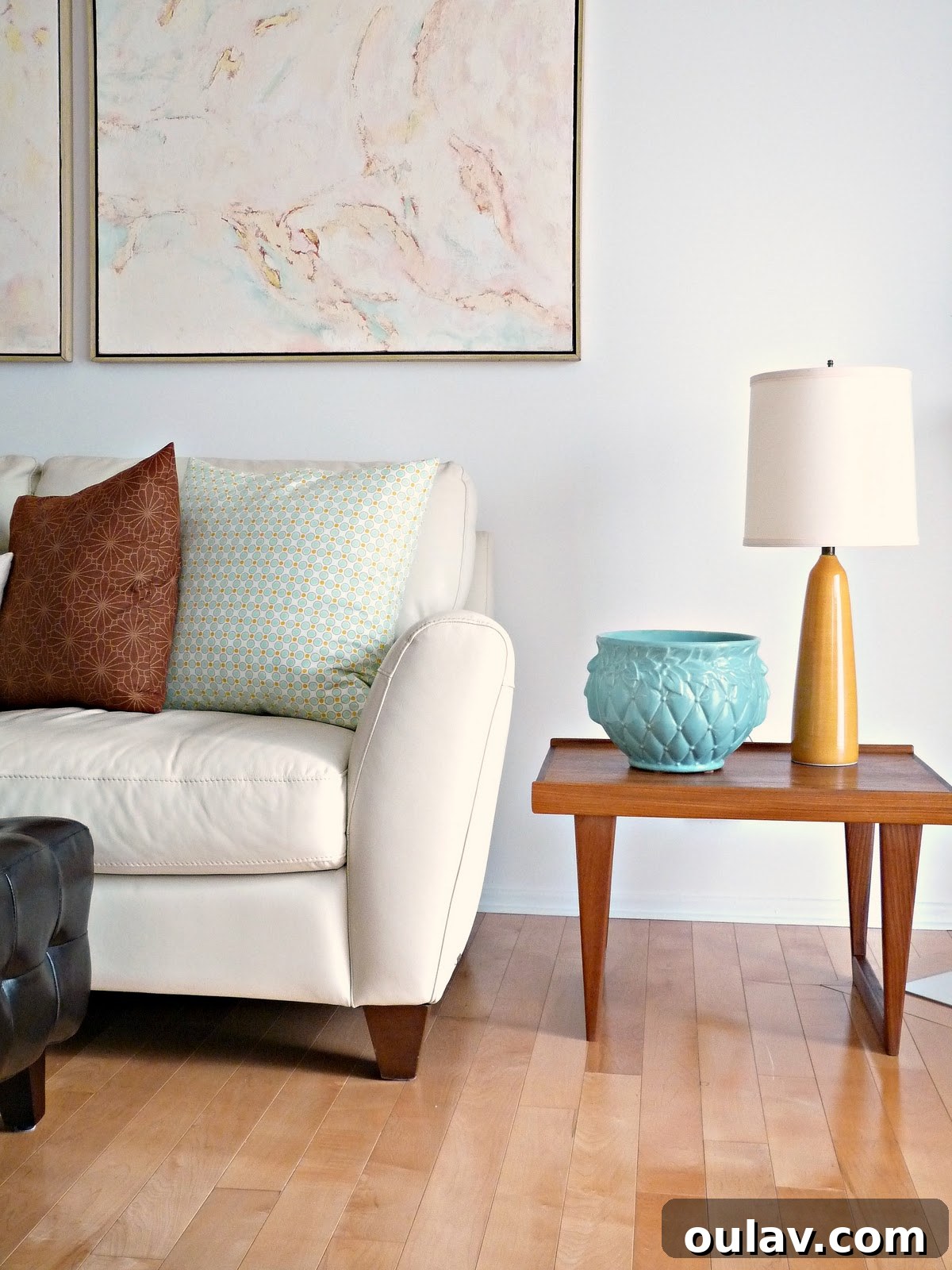
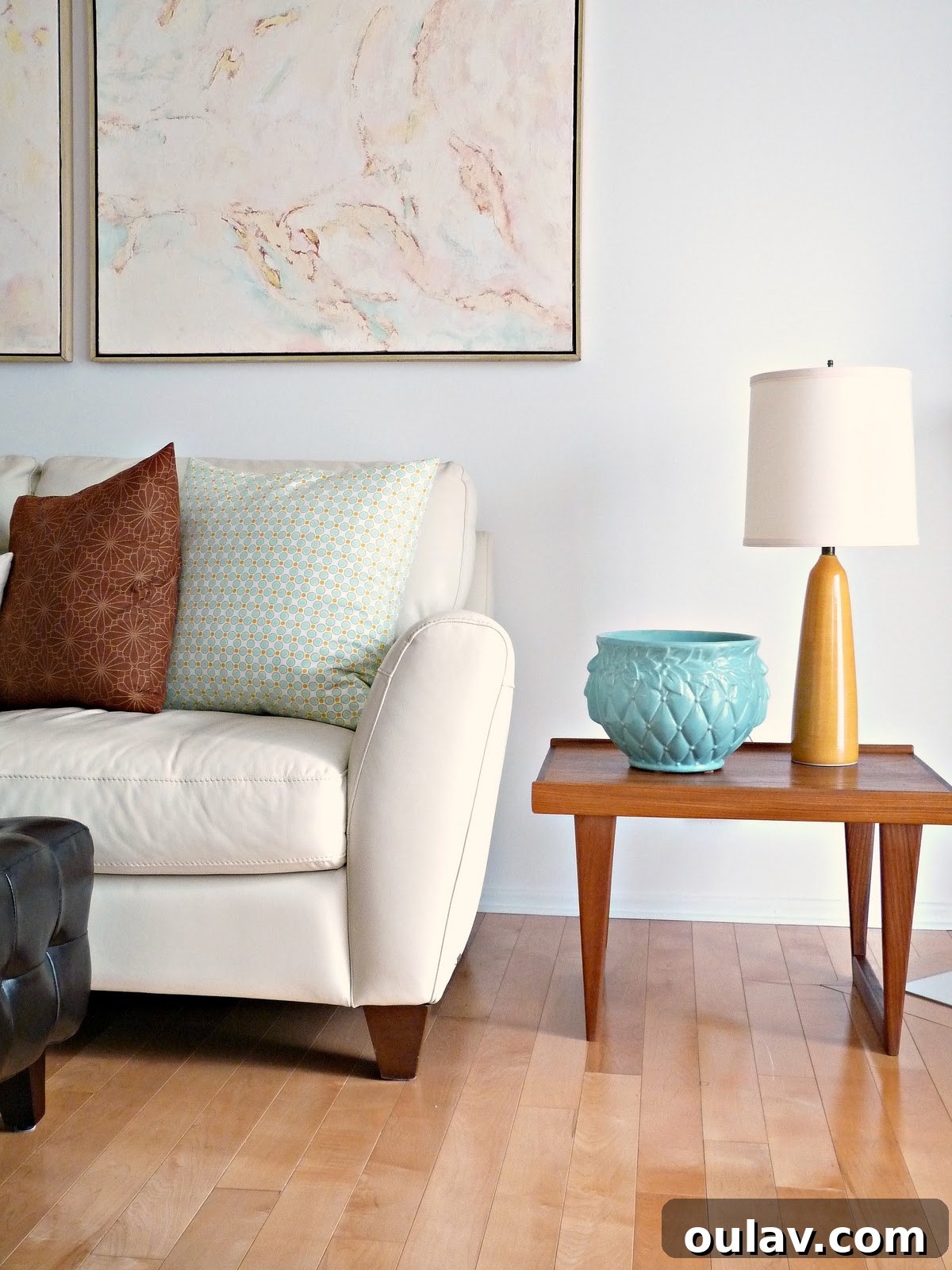
Just recently, my partner and I embarked on a personal sofa swap journey, saying goodbye to an old piece and welcoming a beautiful new-to-us sofa into our home. The particular challenge? This new addition was a stunning cream color, making protection from dirt, fingerprints, and accidental damage an absolute priority. We’ve honed our moving strategies over seven moves in ten years, picking up invaluable tips and tricks along the way, and we’re excited to share our most effective solution for furniture protection with you.
The Challenge: Protecting Delicate Furniture During Transit
Before diving into the ultimate solution, let’s briefly consider the common pitfalls of moving furniture. When we initially looked into hiring professional help for our sofa transport, we found a range of prices on local classifieds, typically $50-85 for a 15 km journey, even with us providing half the muscle. One mover eventually agreed to $40, but upon closer inspection, his van, though generally clean, wasn’t what you’d call cream-sofa clean. His hands, too, seemed to have seen their share of grime. While leather might be forgiving and easy to wipe down, the thought of our brand-new, light-colored sofa arriving with pre-existing smudges or dirt was enough to make me cringe. This experience underscored the importance of taking matters into our own hands and relying on proven methods to ensure our furniture’s safety and cleanliness.
The journey from the seller’s house to our home could expose the sofa to a myriad of potential hazards: dust from the road, unexpected rain or splashes, greasy fingerprints from handling, minor bumps against doorframes, or even incidental contact with other items in the moving vehicle. For a light-colored fabric, any of these scenarios could lead to indelible marks, diminishing its beauty and our excitement before it even settles into its new space. This is precisely why having a robust protection strategy in place is non-negotiable for a smooth and stress-free relocation.
The Essential Secret for Protecting Furniture During a Move
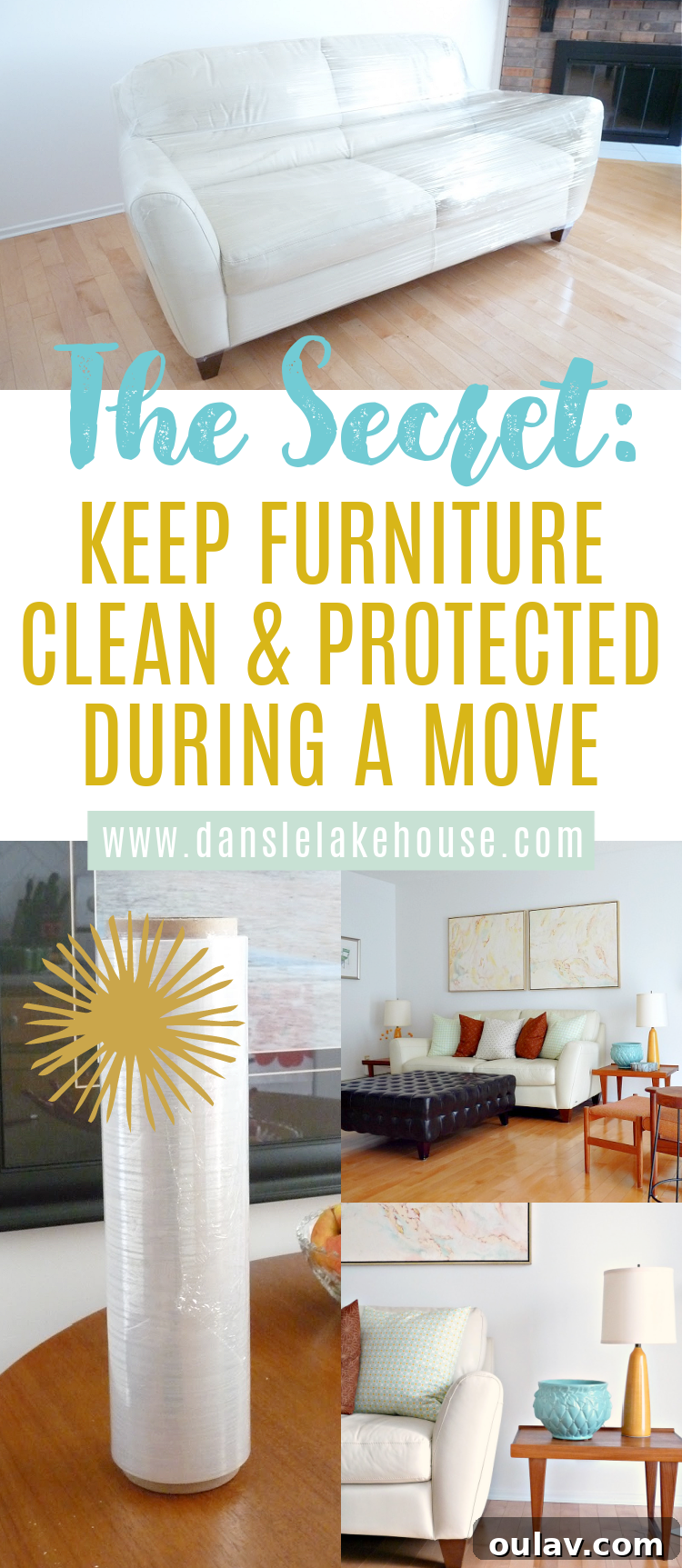
So, what’s our go-to, tried-and-true tip for safeguarding furniture during relocation? The answer lies in a remarkably simple yet incredibly effective product: furniture-sized plastic wrap! Often referred to interchangeably as stretch wrap, moving wrap, or pallet wrap, this large, clingy material is an absolute game-changer for anyone undertaking a move, whether it’s for a single piece of furniture or an entire household. You can readily find this invaluable item at various retailers, including office supply stores, wholesale clubs like Costco, home improvement centers such as The Home Depot, and, of course, online marketplaces like Amazon. We’ve relied on it countless times to securely wrap furniture, protect artwork, and effectively cover anything that’s too large or oddly shaped to fit into a standard moving box.
Its versatility extends beyond just covering surfaces. For instance, when moving dressers, we often remove the drawers to lighten the main frame for easier and safer transport. Once the dresser frame is carefully loaded into the truck, we then meticulously slide the drawers back into their respective slots. Subsequently, we use this powerful cling wrap not only to protect the dresser’s exterior surfaces from scratches, scuffs, and dirt but also to tightly secure the drawers in place, preventing them from sliding out, opening, or falling during transit. This dual functionality — surface protection and component stabilization — makes it an indispensable tool for any DIY mover or even when working with professionals. If you’re planning a move in the near future, or simply have a passion for acquiring and transporting furniture, investing in a roll or two of this large cling wrap is an absolute must-have in your moving arsenal. Some versions even come equipped with longer, ergonomic handles, making the process of wrapping large, bulky items significantly easier, more efficient, and less strenuous on your back and arms.

How to Effectively Wrap Your Furniture for Maximum Protection
Now that you know the secret weapon, let’s talk about the precise technique for utilizing furniture wrap to its fullest potential. Properly applying this material is absolutely crucial to its effectiveness in safeguarding your cherished items. This wrap is highly clingy, very much like the food-grade plastic wrap you use in your kitchen, but on a much larger, more robust, and significantly more durable scale. The key to successful application is to pull the wrap really tightly and consistently as you go. As it stretches under tension, it creates a powerful grip, adhering securely to the underlying surface and to itself, thereby forming a resilient and robust protective layer. Here’s a detailed, step-by-step guide to mastering the art of furniture wrapping:
- Preparation is Paramount: Before you even begin to unroll the plastic wrap, ensure your furniture is as clean as possible. For upholstered items, a quick but thorough vacuuming can remove loose dust, pet hair, and surface debris. For hard surfaces like wood, metal, or glass, a gentle wipe-down with a clean, dry cloth is highly recommended to prevent trapping dirt against the surface. Crucially, remove any loose cushions, pillows, or decorative elements that can be packed separately in boxes. If applicable, secure any cabinet doors or dresser drawers with a strip of painter’s tape (always test tape on an inconspicuous area first to ensure it won’t damage the finish) or simply plan to secure them firmly with the wrap itself.
- Initiate the Wrap with Strength: Begin wrapping at either the top or the bottom of the furniture piece, depending on what feels most practical for the item’s shape and your working height. Anchor the initial end of the wrap securely by tucking it tightly under itself or by making a few extra rotations in one spot until it adheres. While its natural clinginess often suffices, a small piece of masking tape can be used temporarily to hold the start if you find it necessary.
- Consistent Overlap and Envelopment: As you steadily move around the furniture, continue the wrapping process, always ensuring a significant overlap of the previous layer of cling wrap. A good rule of thumb is to overlap by at least 50% (half the width of the roll) to guarantee that the wrap clings to itself effectively and creates a seamless, impenetrable protective barrier. This consistent overlapping technique is absolutely vital for comprehensive coverage, structural integrity of the wrap, and maximum protective strength.
- Maintain Optimal Tension Throughout: Pull the wrap taut with consistent and firm tension with each rotation you make. This sustained tension is what allows the wrap to grip firmly, conform precisely to the unique shape of the furniture, and provide its superior protective qualities. Avoid leaving any slack areas or loose sections, as these can snag, tear, or become less effective in preventing damage during the rigors of transit.
- Special Attention to Vulnerable Corners and Edges: Pay extra close attention to corners and edges, as these are frequently the most vulnerable points for damage, such as chipping, denting, or scuffing. For added protection on delicate or valuable pieces, you might want to apply extra layers of wrap here, or even consider adding specialized cardboard corner protectors or strips of flattened cardboard underneath the plastic wrap before the final layers, especially for wooden furniture.
- Ensure Complete Coverage: Continue the wrapping process systematically until the entire item is fully ensconced and completely covered in plastic wrap. For upholstered pieces, ensure that absolutely all fabric surfaces are meticulously covered to protect against dirt, dust, moisture, and accidental snags. For hard furniture, make sure all exposed surfaces that could be scratched or scuffed are thoroughly protected.
- Secure the Final End: Once you’ve completed wrapping and are satisfied with the coverage, simply tear the wrap from the roll and press the end firmly against the previous layers of plastic. The wrap’s inherent clinginess and the tension you’ve maintained will ensure it holds securely in place without the need for additional tape.
This meticulous and strategic approach is precisely how our cream-colored sofa remained absolutely fingerprint-free, dust-free, and spotless throughout its entire journey from the seller’s house to its new home. It was so pristine upon arrival, we even joked that perhaps we should have left the plastic wrap on permanently to maintain its impeccable condition!

Does Plastic Wrap Really Protect Furniture? A Deeper Look
The short answer is a resounding “Yes!” Wrapping furniture in shrink wrap or large cling wrap provides a substantial and highly effective layer of protection against a multitude of moving-day hazards. This durable plastic material, once securely and properly applied, offers numerous invaluable benefits during a move:
- Exceptional Defense Against Stains and Dirt: This is arguably its most critical and appreciated function, especially for upholstered furniture and light-colored fabrics. The plastic acts as an impenetrable physical barrier, diligently preventing dust, dirt, grime, accidental smudges, and even minor liquid spills from ever reaching the delicate fabric or finish underneath. This was paramount for our cream-colored sofa, where even the slightest blemish would be immediately noticeable and detract from its appeal.
- Guards Against Minor Scratches and Scrapes: While it’s not a magical shield against heavy impacts or sharp punctures, the wrap provides a slick, resilient, and protective surface that can effectively absorb and deflect minor abrasions. This prevents unsightly scuffs and scratches on polished wooden finishes, painted surfaces, metal parts, or even the fabric itself. It effectively acts as a sacrificial layer, taking the brunt of light, incidental contact, preserving the original surface beneath.
- Keeps Component Parts Securely Together: As vividly demonstrated with our strategy for dresser drawers, the wrap is exceptionally effective for consolidating and holding together multiple components of a single furniture item. It can securely contain loose cushions, ensure cabinet doors remain tightly shut, and prevent various items from shifting, separating, or falling apart during the dynamic forces of transport. This minimizes the risk of lost parts or damage caused by pieces knocking against each other.
- Acts as a Robust Moisture Barrier: Moving often involves unpredictable weather conditions, from unexpected rain showers to high humidity. Plastic wrap offers a crucial and reliable defense against moisture, which can cause significant and often irreversible damage to wooden furniture (leading to swelling, warping, or finishes peeling) and can foster mildew growth, unpleasant odors, or permanent water stains in upholstered items.
- Provides Dust and Minor Pest Control: For furniture being stored temporarily in a moving truck, garage, or even a storage unit, the wrap significantly helps in keeping dust, debris, and airborne particles out. Furthermore, it can offer a slight deterrent against minor pests, preventing them from settling into or on your furniture during transit or storage.
Advanced Protection for Delicate and Valued Pieces
While furniture-sized plastic wrap is incredibly effective for general protection, it’s vital to understand its inherent limitations. It provides excellent surface protection but is not a standalone solution for safeguarding against heavy impacts, drops, or protecting truly delicate items such as fragile thin wood veneers, intricate glass elements, or valuable antiques. For these more vulnerable and irreplaceable pieces, a comprehensive, layered approach to protection is not just recommended, but absolutely essential:
- The Critical Cushioning Layer (First Line of Defense): Before you even think about applying plastic wrap, consider adding a substantial cushioning layer directly around the furniture. This initial layer is paramount for absorbing shock and impact:
- Moving Blankets/Pads: These thick, durable, padded blankets offer excellent shock absorption for wooden furniture, tabletops, and upholstered items, providing robust protection against dents, dings, and surface abrasions.
- Bubble Wrap: Ideal for fragile surfaces, glass tops, mirrors, lamps, or items with intricate, protruding details. Multiple layers of large-bubble wrap can provide significant impact resistance and prevent scratching.
- Foam Sheeting: Thin foam sheets are superb for protecting highly polished or sensitive surfaces from direct scratches, especially when placed underneath bubble wrap or moving blankets.
- Edge and Corner Protectors (Critical Impact Zones): Furniture corners and edges are notoriously prone to chipping, denting, or getting crushed during handling. This makes their protection a critical step:
- Cardboard Corner Protectors: These readily available, sturdy protectors fit snugly over furniture corners, providing robust defense against direct impacts and crushing forces.
- Layered Cardboard Strips: For long, exposed edges (like table tops or dresser fronts), cut strips of thick corrugated cardboard and secure them with tape or smaller pieces of wrap before the main wrapping process begins.
- The Final, Secure Seal with Plastic Wrap: Once your furniture has been thoroughly cushioned and its vulnerable points meticulously reinforced with corner and edge protectors, then, and only then, apply the furniture-sized plastic wrap. The wrap will perform a dual function: it will not only provide an ultimate outer barrier against dirt, dust, and moisture but, crucially, it will also securely hold all the underlying protective layers (moving blankets, bubble wrap, cardboard) firmly in place, ensuring they don’t shift, unravel, or become dislodged during the entire transport process.
Specific Considerations and Advanced Techniques for Various Furniture Types:
- Tables with Glass Tops: Always remove glass tops if they are detachable. Wrap them heavily in multiple layers of bubble wrap, secure them within a specialized mirror/glass box, and then wrap the entire box in plastic for an additional layer of moisture and minor impact security. For wooden table bases, utilize blankets and corner protectors before the final stretch wrap.
- Dressers and Cabinets: For extremely heavy dressers, remove drawers entirely for separate, lighter transport. Otherwise, secure them tightly with stretch wrap as described earlier. Always protect the top surface with a moving blanket or a thick piece of cardboard.
- Chairs with Delicate Legs: Wrap each delicate leg individually with bubble wrap or foam sheeting, then secure these protective layers with plastic wrap. Protect the arms and backs of chairs with moving blankets.
- Mirrors and Artwork: These highly fragile items should always be placed in specialized mirror or art boxes after being meticulously wrapped in multiple layers of bubble wrap. The entire box can then be wrapped in stretch wrap for added protection against moisture, dust, and minor scuffs to the box itself.
- Mattresses: While not strictly furniture in the traditional sense, mattresses are a major item to move. Invest in specific heavy-duty mattress bags (thick plastic covers) to protect them comprehensively from dirt, dust, stains, tears, and moisture.
- Appliances (e.g., Refrigerators, Washers, Dryers): Use stretch wrap to firmly secure doors, power cords, and hoses, preventing them from swinging open or snagging. It also protects the exterior surfaces from scratches and scuffs.

Beyond Wrapping: Essential Moving Day Tips for Furniture and a Smooth Relocation
While proper, comprehensive wrapping is undeniably crucial for furniture protection, a truly successful, damage-free move involves several other best practices that contribute to overall efficiency and safety:
- Clear the Path and Measure: Before attempting to move any large piece of furniture, meticulously ensure that all pathways, hallways, and doorways are completely clear of any potential obstacles. It’s wise to measure tight spots, stairwells, and doorframes in advance to plan your route and identify any pieces that might need disassembly.
- Disassemble When Possible: For items like bed frames, dining tables, modular shelving units, or entertainment centers, disassembling them can make transport significantly easier, lighter, and much safer, dramatically reducing the risk of damage to both the furniture and your home’s architecture. Always keep all associated hardware (screws, bolts, washers) in clearly labeled, sealable bags, ideally taped to the corresponding furniture piece.
- Lift with Your Legs, Not Your Back: Always prioritize safety and use proper lifting techniques to prevent personal injury. Bend at your knees, keep the item as close to your body as possible, and lift powerfully with your legs, not your back. Never hesitate to ask for help; two or more people are almost always better for heavy items.
- Utilize Moving Equipment: Invest in or rent essential moving equipment. Dollies (hand trucks), furniture sliders, and moving straps can greatly simplify the daunting process of moving heavy or bulky items, significantly reducing strain on your body and preventing scrapes or damage to floors and furniture alike.
- Load Strategically into the Moving Vehicle: When packing the moving truck or van, adopt a strategic loading approach. Always load the heaviest, largest, and sturdiest items first, positioning them securely against the cab wall. Distribute weight evenly across the vehicle’s floor. Delicate, lighter, or oddly shaped items should be loaded last and secured against any potential shifting or falling during transit.
- Secure Items in Transit: Even if furniture is perfectly wrapped, it can still be damaged if it shifts violently in the truck. Use robust moving straps or ropes to tie down furniture securely within the moving vehicle. This critical step prevents items from sliding, shifting, or falling over during braking, acceleration, or turns, which can cause significant damage even to well-protected pieces.
- Protect Floors and Walls in Both Homes: Use protective floor runners, old blankets, flattened cardboard, or heavy-duty tarps to shield floors from scratches, scuffs, and dirt, especially in high-traffic areas. Consider using doorway protectors or padding around doorframes to prevent unsightly scuffs or chips during tight maneuvers.
- Label Everything (Even Furniture Direction): While furniture itself doesn’t need detailed labels in the same way boxes do, consider marking the top or front of larger pieces with a temporary sticky note (e.g., “Dining Room – Up”) to streamline the unloading process and ensure items are placed in the correct orientation in their new rooms.
Conclusion: Invest in Protection for a Stress-Free and Damage-Free Move
Moving doesn’t have to be a nightmare scenario fraught with anxiety over your cherished furniture. By understanding the inherent risks involved and diligently implementing smart, highly effective protection strategies, you can significantly reduce moving-day stress and ensure your valuable belongings arrive safely and in absolutely perfect condition at your new home. The humble yet incredibly powerful roll of furniture-sized plastic wrap, when utilized correctly and perhaps in conjunction with other crucial protective layers like moving blankets, bubble wrap, and cardboard corner protectors, is an indispensable tool in achieving a truly damage-free and smooth relocation.
Our personal experience with the cream-colored sofa vividly proved that with a little thoughtful preparation, a small investment in the right materials, and a methodical approach, even the most vulnerable and easily soiled pieces can be transported without a single hitch or blemish. Never underestimate the transformative power of thorough protection – it’s not just an expense, but a wise investment that pays off immensely in terms of peace of mind, the preservation of your furniture’s value, and the longevity of your beloved pieces. So, as you meticulously prepare for your next relocation adventure, remember these expert tips and make comprehensive furniture protection a top, non-negotiable priority. Your sofa, your other cherished possessions, and indeed, your overall sanity will undoubtedly thank you profusely.
P.S. Don’t Forget to Pin This Indispensable Tip for Later! Sharing this knowledge is caring, and this proven hack could genuinely save someone else’s furniture from heartbreaking moving day mishaps and unnecessary stress!