
Protecting Your Lakefront Sanctuary: Our Journey to Combat Shoreline Erosion with a Stone Revetment Wall
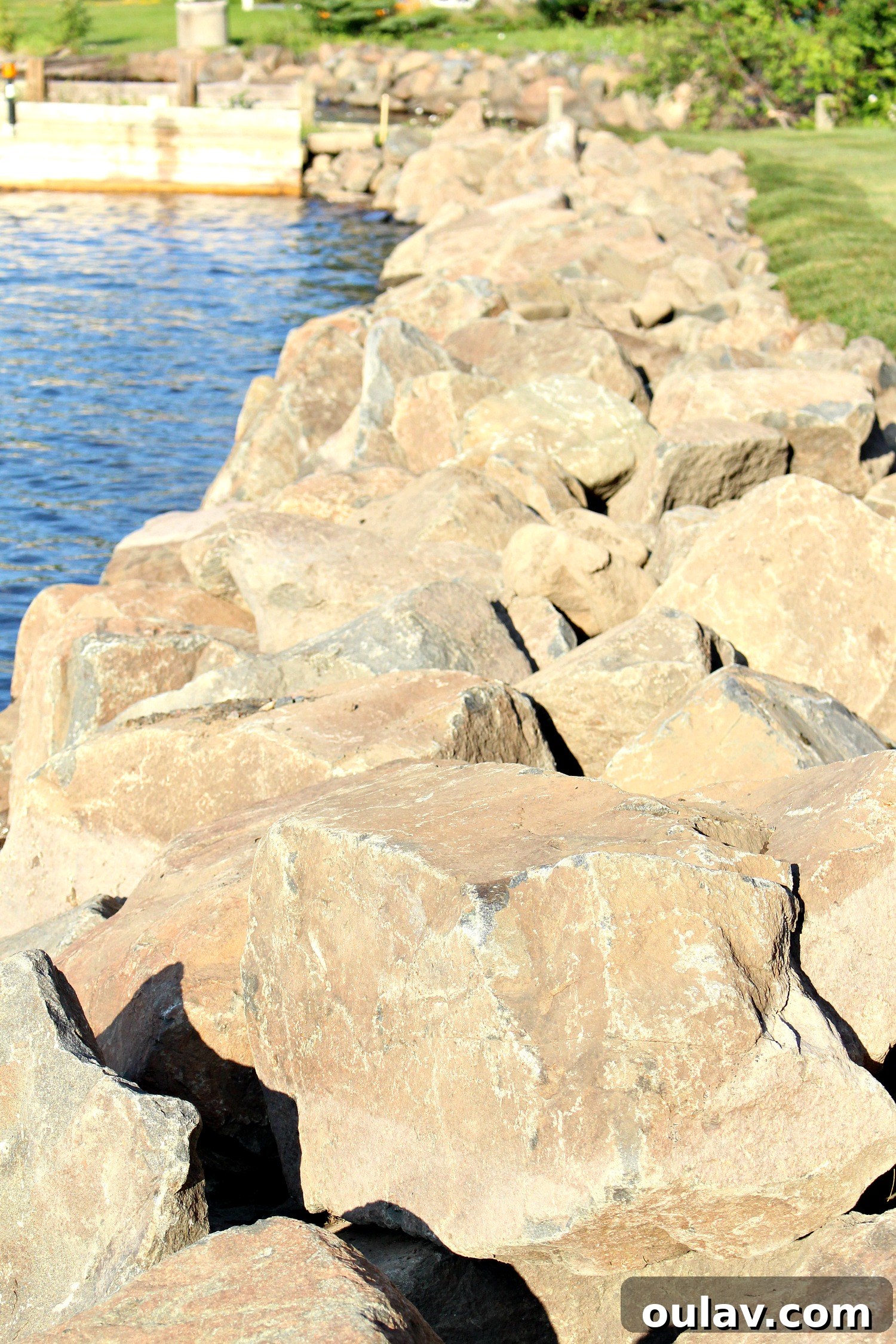
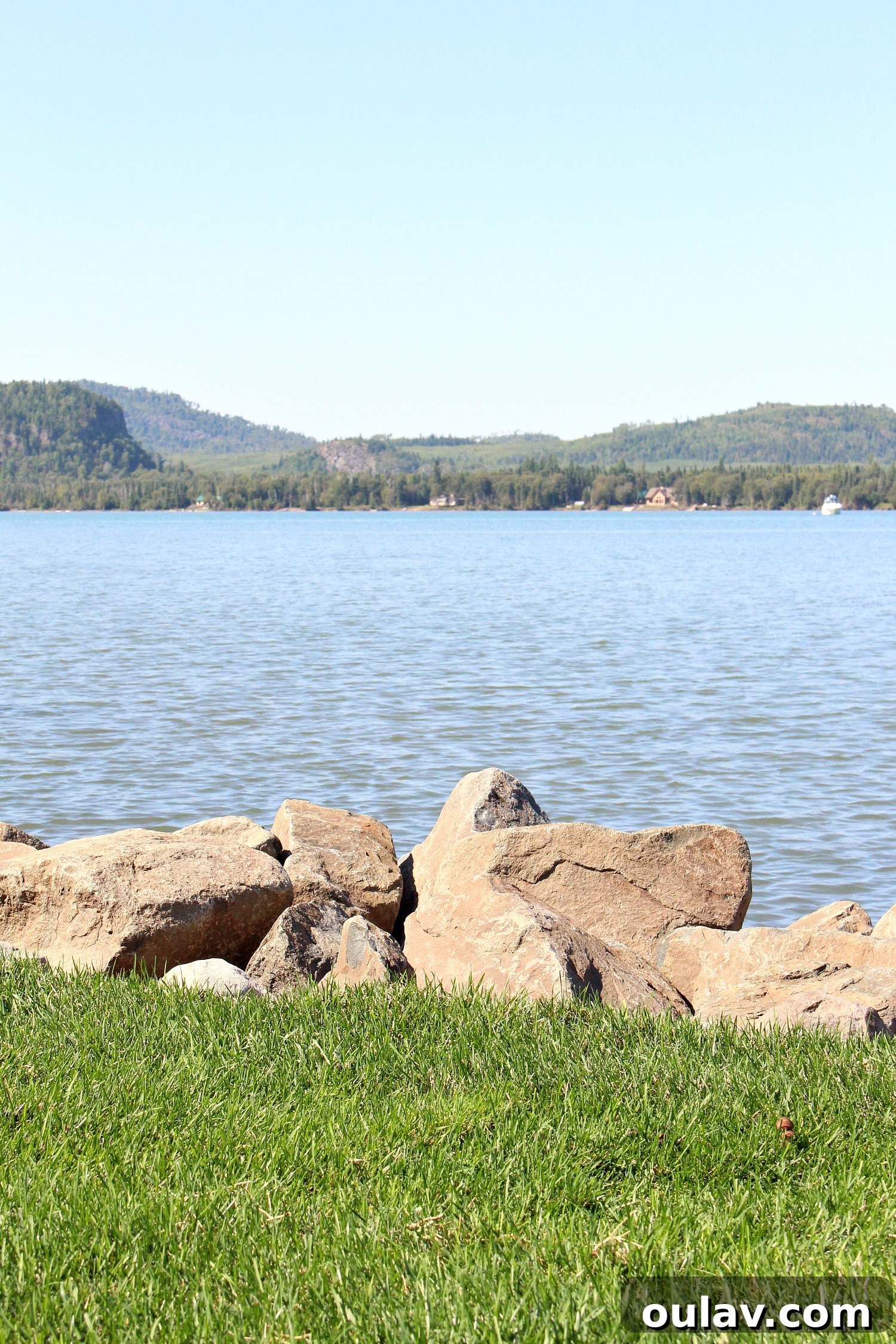
For years, the relentless forces of nature chipped away at our precious lakefront property on Lake Superior, threatening to erase our idyllic lawn. I’ve spoken extensively about the escalating problem of shore erosion, and after considerable deliberation and exploring various strategies to safeguard our waterfront, we finally decided to take decisive action. Our chosen solution was the construction of a robust stone shore erosion structure, also known as a riprap revetment wall, designed to withstand the mighty waves and fluctuating water levels. However, like many significant home improvement projects, especially those involving environmental regulations, this endeavor was far from straightforward. What began as a practical solution quickly spiraled into a complex saga involving neighbor disputes, the unexpected intervention of the Ministry of Natural Resources (MNR), and a series of personal struggles that truly tested my resolve. This challenging process became my breaking point, leading me to vigorously defend the placement of our meticulously planned stone revetment wall. Essentially, it was a fierce battle over a collection of large rocks. This seemingly simple project transformed into a colossal ordeal, dragging on for months, but I am thrilled to report that, despite the numerous hurdles, we were (mostly) victorious. Our shoreline now boasts a stunning and functional erosion control structure, and the bureaucratic dust has finally settled. Even if you don’t reside by a lake or are indifferent to the intricacies of preventing shore erosion, I believe you’ll find our escapades — and the impressive feat of moving 45 tonnes of colossal rocks across our property — quite entertaining. And for those who have admired my serene sunset lake photos on Instagram, you might appreciate knowing that this picturesque view comes at a significant investment: these specialized erosion control rocks alone cost $6,000.
The Relentless Threat: Understanding Lake Superior Shoreline Erosion
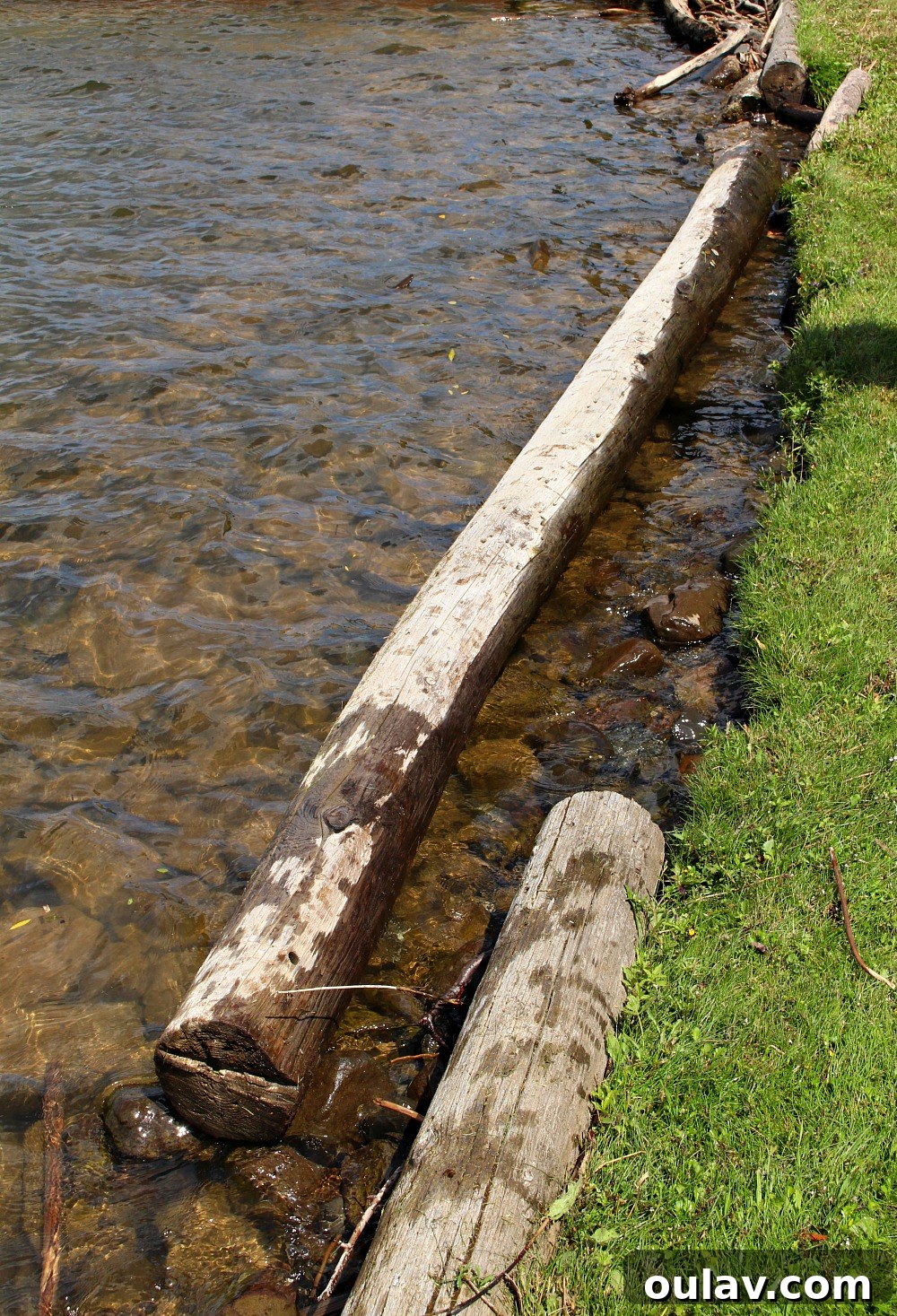
When we first moved into our beloved lakehouse, the shoreline presented a picture of charming tranquility and careful maintenance. Our lawn extended gracefully to the water’s edge, neatly secured by a retaining wall crafted from old telephone poles and smaller rocks. The docks were solid, perfectly intact, and the entire yard radiated a sense of peace and order. It was the quintessential lakefront dream, a testament to thoughtful property management.
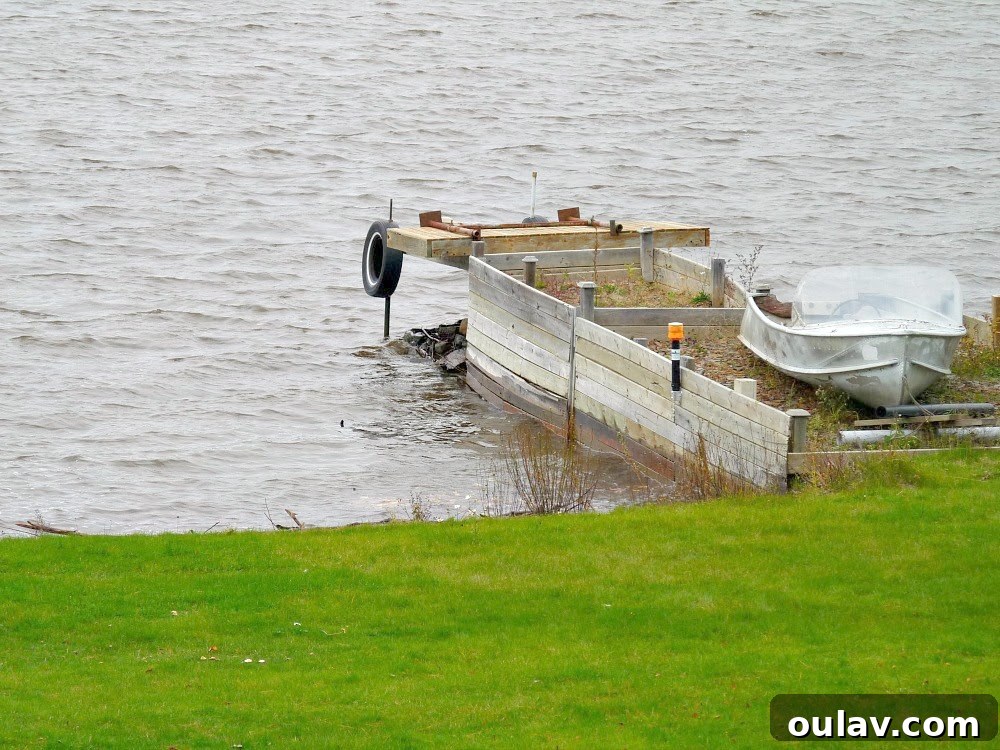
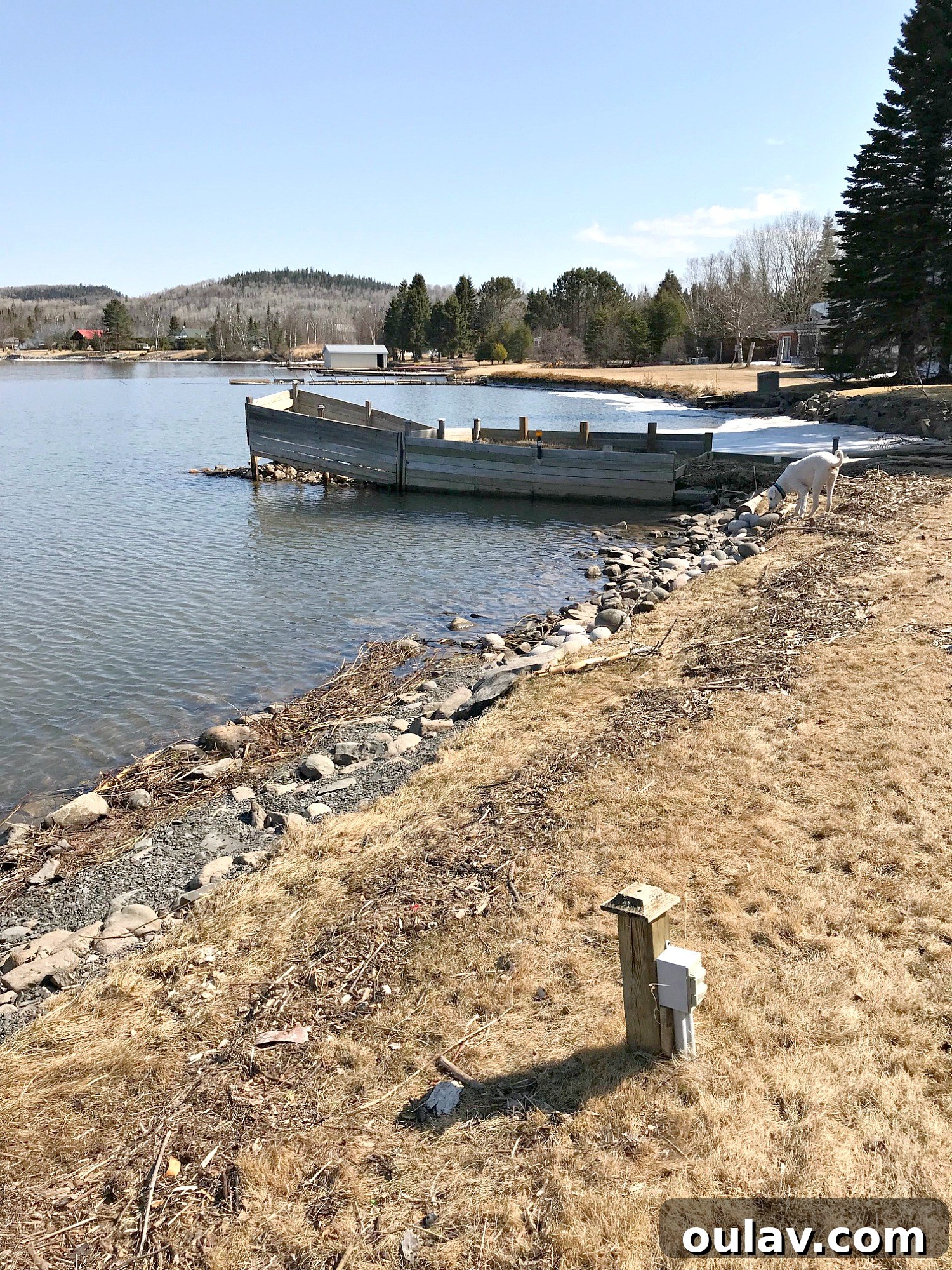
However, this idyllic scene was short-lived. The subsequent two summers brought unprecedented challenges, with Lake Superior experiencing record high water levels. The sheer volume and force of the water proved devastating. What began as a slow, insidious loosening of our telephone poles quickly escalated into their dramatic removal, with all but one swept away by the lake’s power. Our once-pristine lawn suffered severe erosion, its edges gnawed away by the persistent waves. Our docks, which had seemed so robust, were utterly demolished; one was completely carried off, while the other was heaved and twisted beyond any hope of repair. The initial signs of this rapid deterioration can even be glimpsed in this amusing post about our dog, Szuka, during her ambitious attempt to swim across the bay, illustrating just how quickly things can change on a dynamic waterfront.
The last remaining dock now stands wonky and unstable, a stark reminder of the lake’s immense power, yet we were advised to keep it in place once our stone revetment project received approval. To proactively address the critical issue of shore erosion, we contacted a reputable local gravel company known for their expertise in shoreline stabilization. They had successfully remedied our neighbors’ erosion problems with a similar stone structure, a solution we had observed holding strong for years. This gave us immense confidence in the efficacy of this particular method. Our only initial apprehension was the significant cost involved in such an undertaking. Across the bay, many neighbors had experimented with various methods to protect their lawns from Lake Superior’s relentless onslaught: concrete blocks proved ineffective as they shifted with the waves; smaller rocks were simply swept away; and even labor-intensive DIY wire mesh boxes filled with smaller stones offered only temporary relief. Through these observations and our own research, it became unequivocally clear that massive, strategically placed rocks offered the most durable and aesthetically pleasing solution for our lakefront property, blending seamlessly with the natural environment.
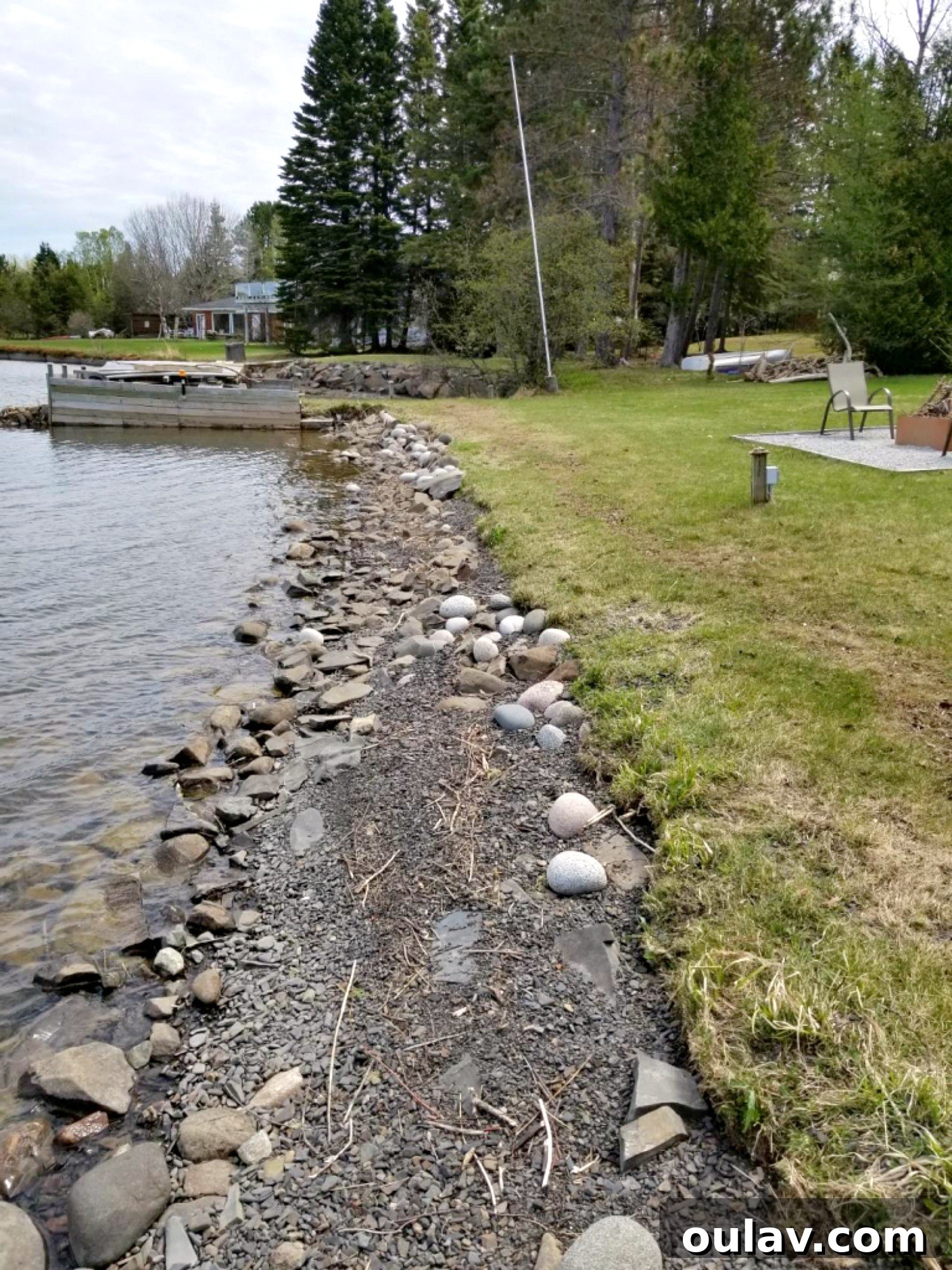
The following images capture our shore in early spring, just prior to the commencement of work, when water levels were temporarily lower. In previous years, the water had been consistently lapping over the grass, relentlessly accelerating the erosion of our valuable lakefront land.
Navigating the Waters of Permits and Planning: Our Stone Revetment Project Takes Shape
The company we entrusted with building our stone shore erosion structure informed us that, within our specific municipality, a permit from the local conservation authority was absolutely essential. Diligently, we secured this permit, believing we had taken all the necessary legal steps. The early spring, with its characteristically low water levels, seemed to be the perfect window for this crucial work. We were advised that the rocks ideally needed to be placed approximately one foot from the water’s edge to be most effective and compliant. This timing was critical, given the fluctuating nature of the lake’s waterline. However, the chosen company’s expertise meant they were in exceptionally high demand, leading to significant delays. Even with our permit firmly in hand, the actual work wouldn’t commence for several months. During this agonizing waiting period, Lake Superior’s water levels began their inexorable rise, gradually engulfing the very beach area where we had initially planned to position the rocks. Once again, the water was lapping aggressively at our lawn, accelerating the erosion that we were so desperately trying to prevent. When we finally received the long-awaited call to schedule the rock delivery and installation of our stone revetment wall, I voiced my profound concerns. The rising water levels meant there was no longer any discernible gap between our lawn and the lake. I cautiously suggested postponing the project until the following spring, especially since our permit remained valid for two years. The company owner, however, dismissed my apprehensions with a confident chuckle. He assured me, based on his extensive experience with numerous shoreline projects, that the rocks could still be placed exactly as planned. His unwavering confidence, coupled with the difficulty we’d already faced in securing a timeframe—some neighbors had waited an entire year for work—made me reluctant to risk further delays. I feared that postponing might mean the project would never materialize. So, despite my nagging doubts, I agreed to schedule the installation. Just a few weeks later, an impressive 45 tonnes of massive stones were delivered, and within a mere two days, they were skillfully transported to our backyard and meticulously arranged to construct our vital stone shore erosion structure.
The Art of Installation: Building a Robust Shoreline Protection Structure
Witnessing the installation of these massive stones was truly a captivating experience. Each colossal rock was carefully carried to the backyard, one by one, and then expertly placed into position by the skilled operator. It was a remarkable demonstration of precision and heavy machinery working in harmony.
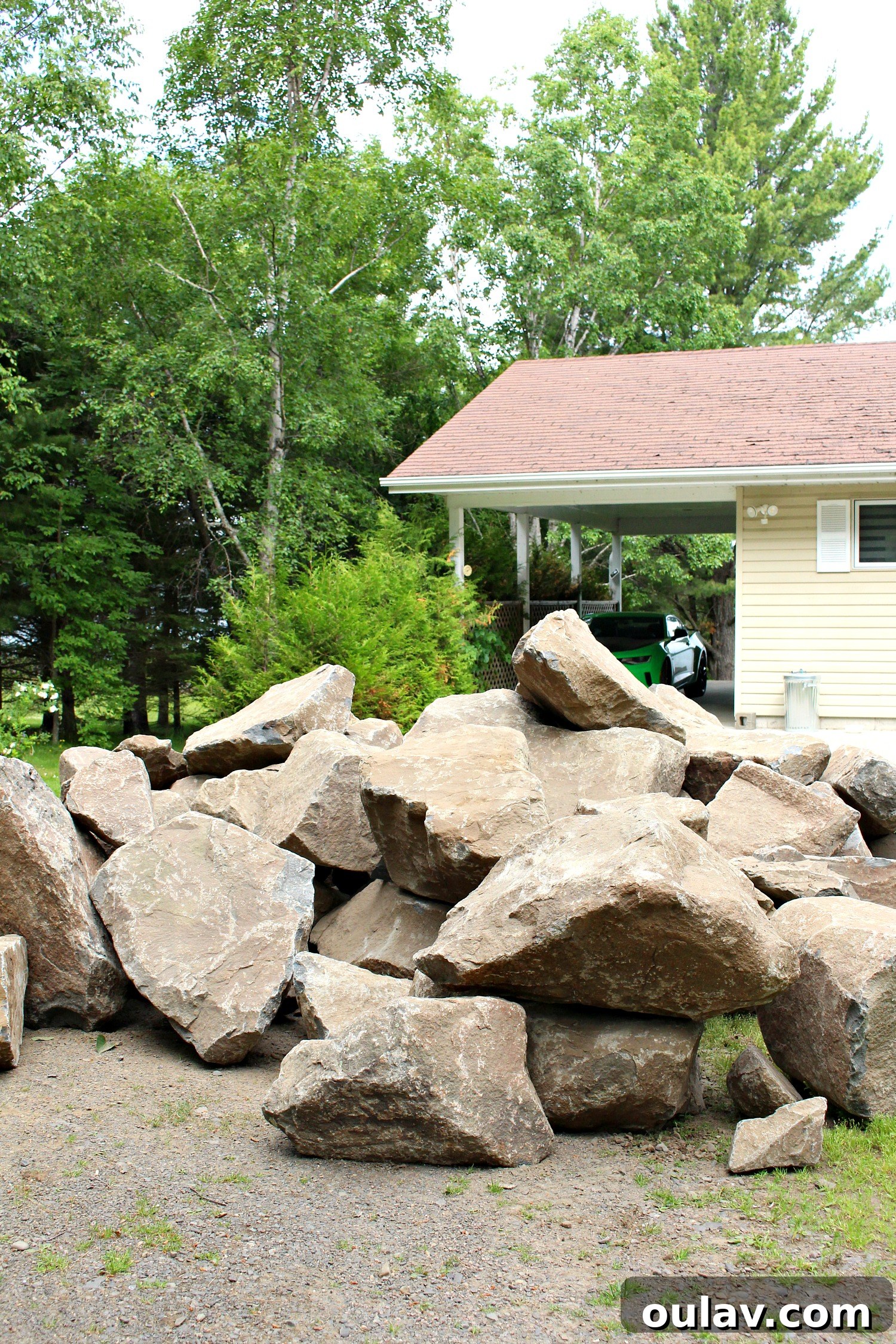
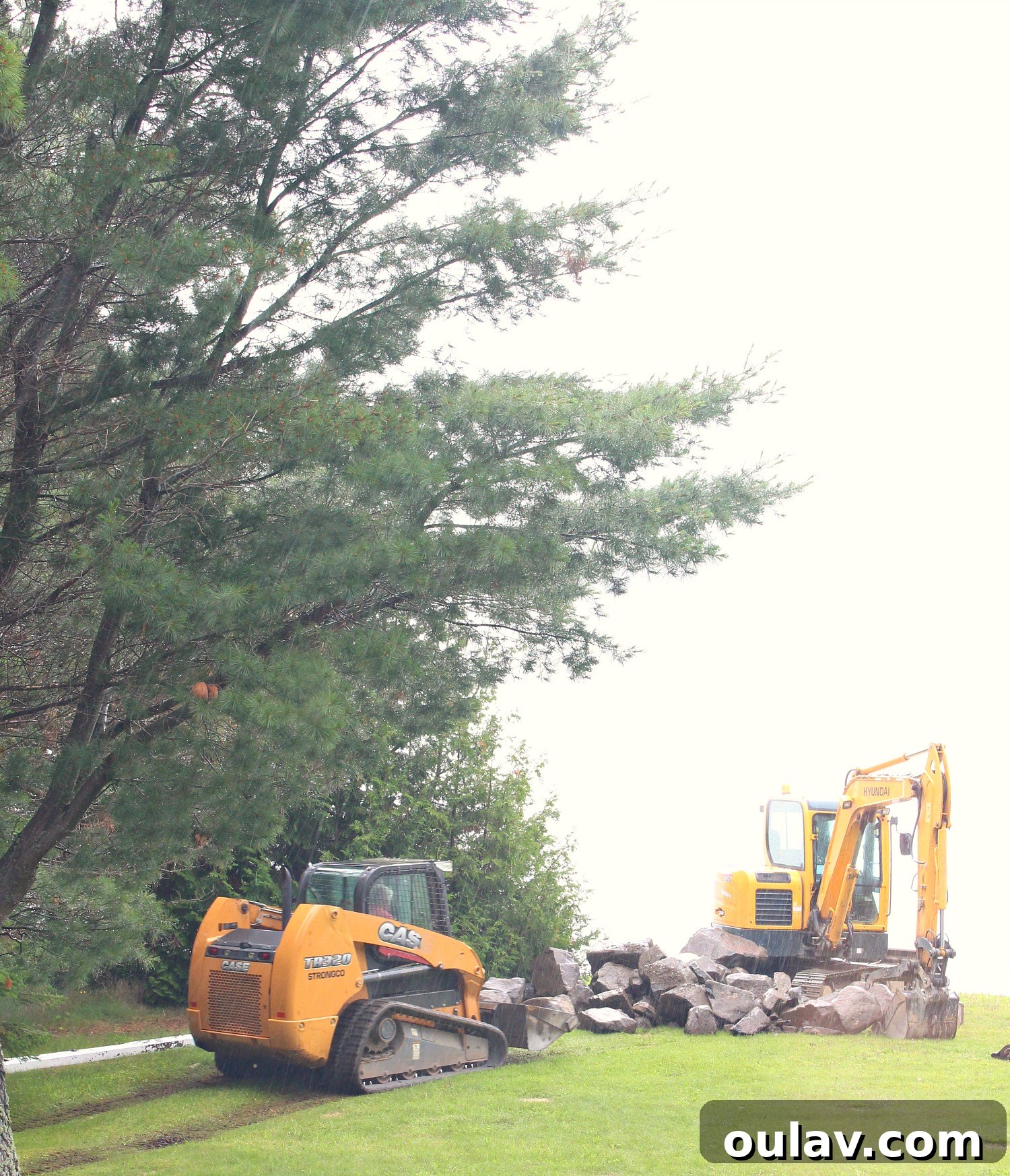
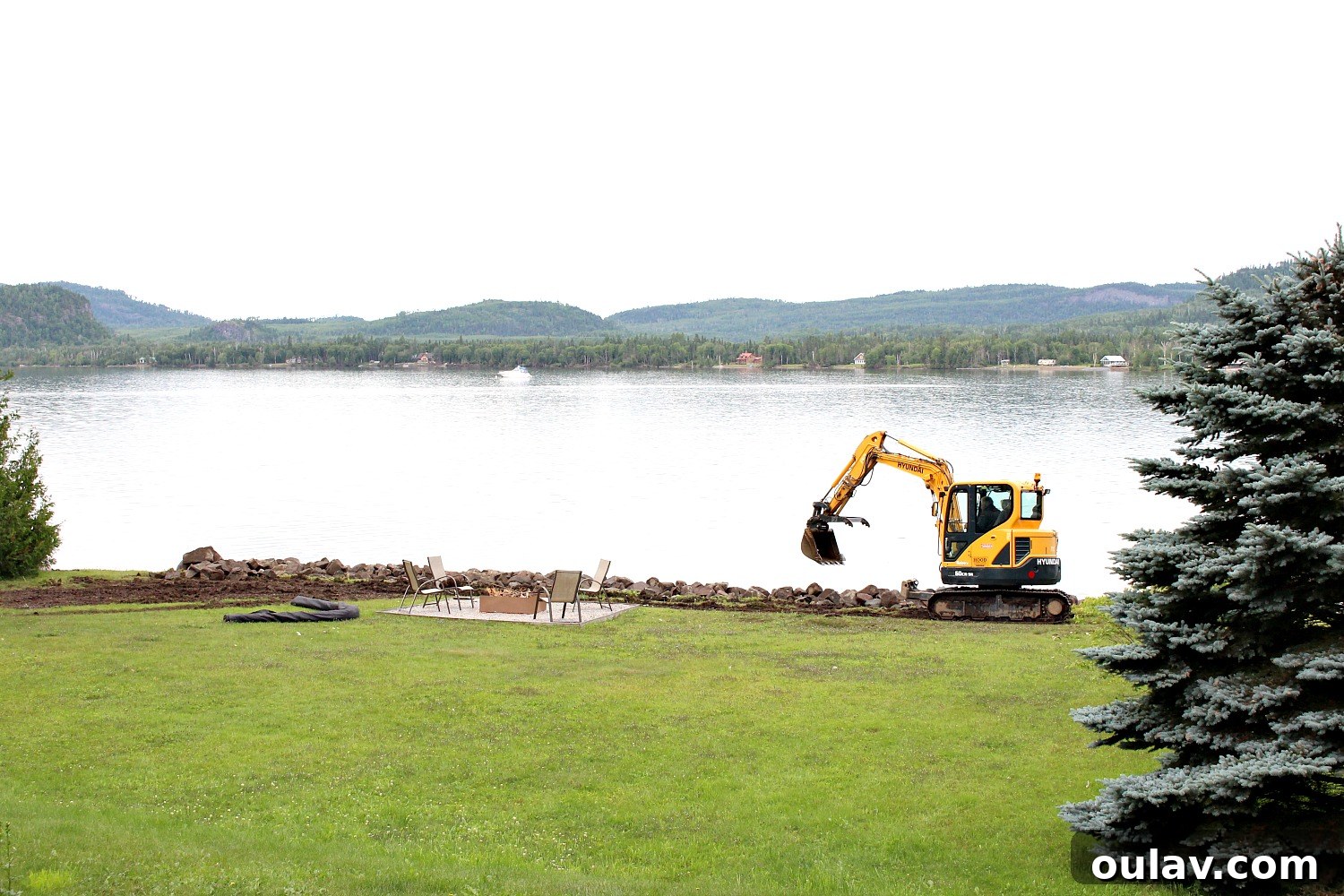
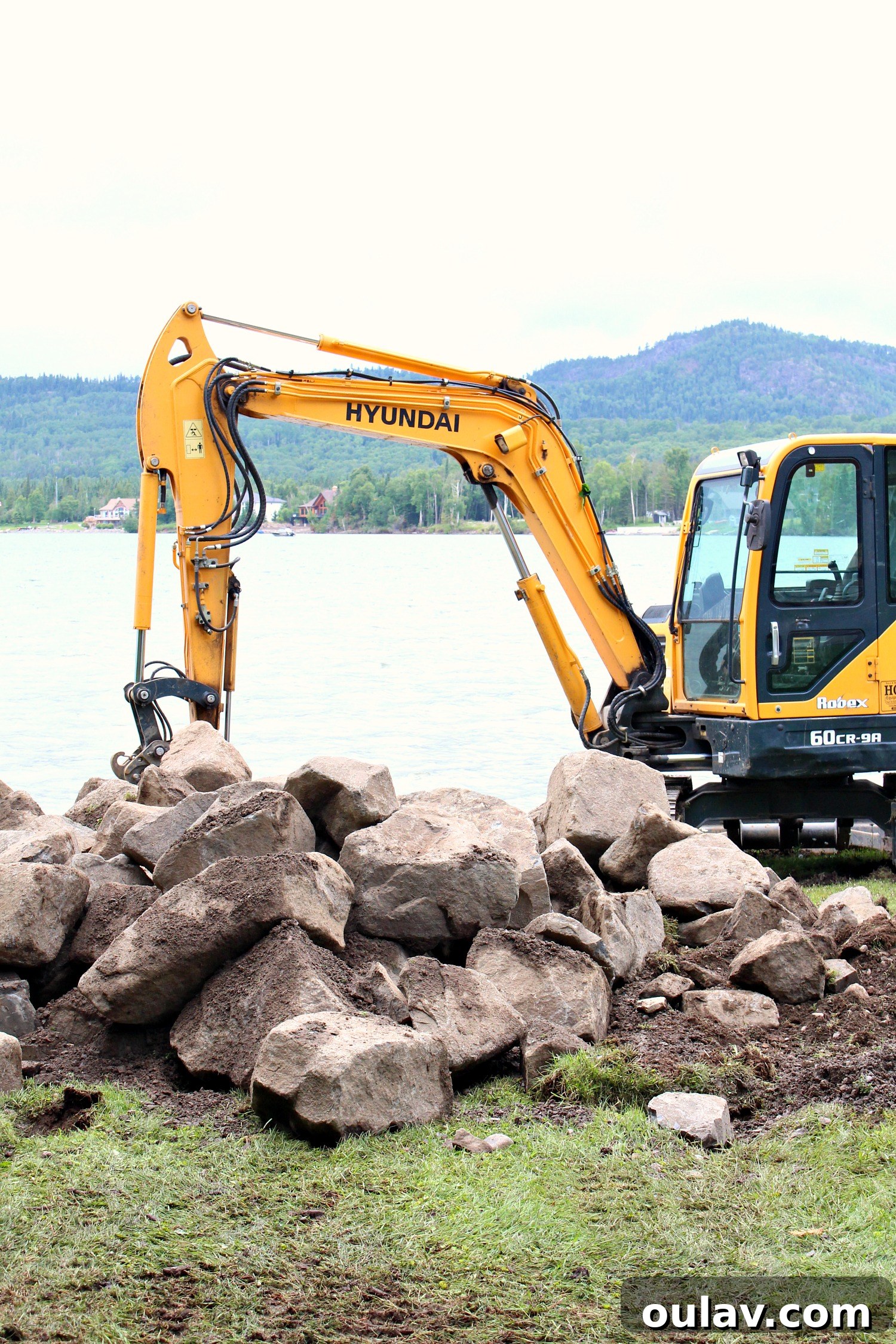
As dedicated DIY enthusiasts, both my husband and I possess an insatiable curiosity about how things are built, even when handled by professionals. While we refrained from pestering the operator during his work, those who follow me on Instagram might have caught a glimpse of just how eager I was to inspect his progress the moment he finished for the day! You can clearly tell this was before the ensuing drama with the MNR, judging by my genuine smile and carefree demeanor.

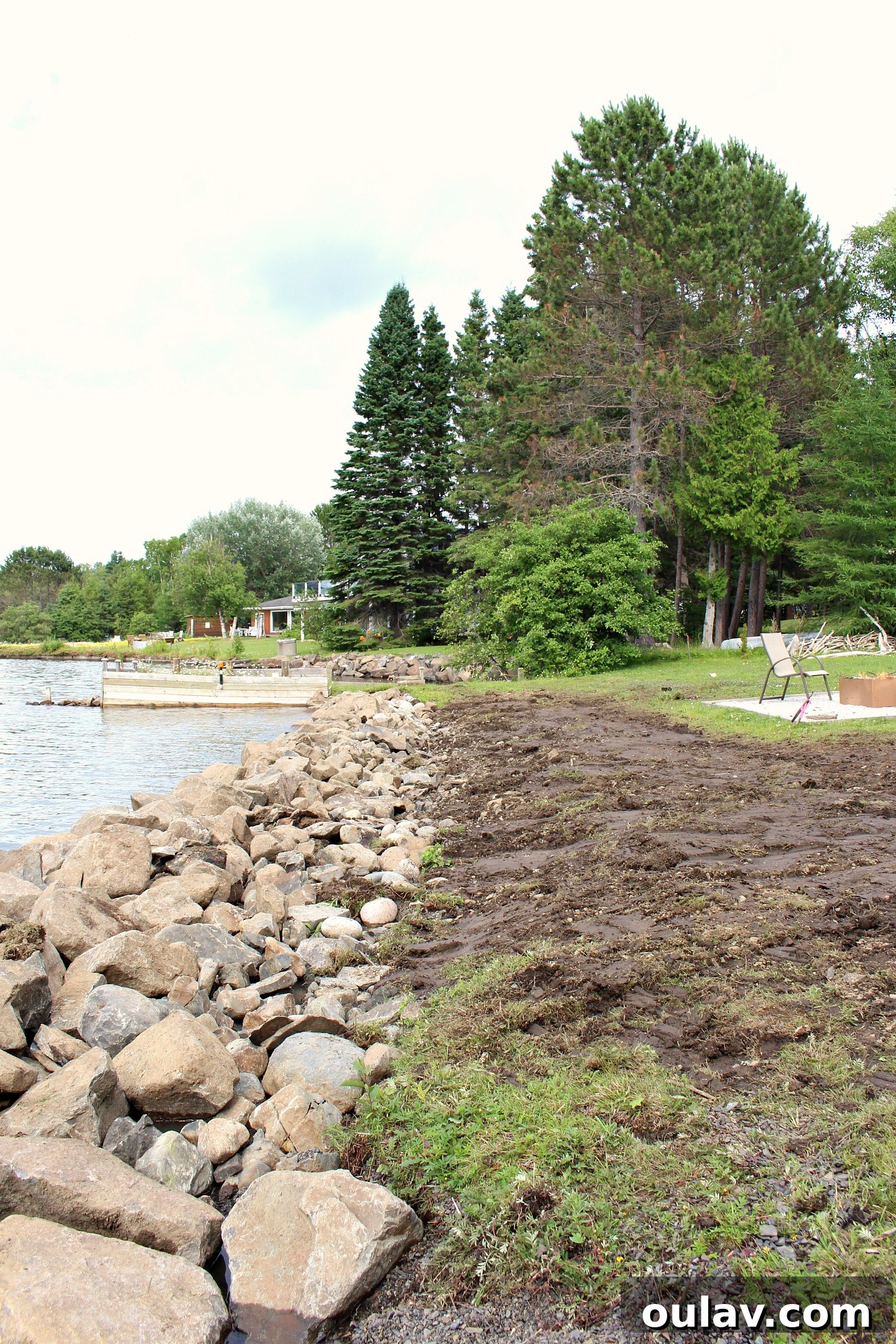
Upon the initial completion of the stone shore erosion structure, we were absolutely thrilled. It presented such a visually appealing and effective method to protect our lakefront lawn from the relentless threat of erosion. Unlike the often artificial appearance of concrete blocks or wire baskets filled with smaller rocks – two commonly seen but less aesthetically pleasing alternatives – our newly installed riprap wall blended seamlessly with the natural environment. It truly looked as if these majestic rocks had always been a part of the shoreline. Here’s how it appeared immediately after the initial work was finished. Look closely, because, spoiler alert, every single one of these painstakingly placed rocks had to be moved!
A Bureaucratic Storm: Our Unforeseen Battle with the Ministry of Natural Resources (MNR)
On the second day of the installation, our project took an unexpected and unwelcome turn. A representative from the Ministry of Natural Resources (MNR) arrived at our door, responding to a report from a neighbor claiming that an excavator was operating in the water – an activity strictly prohibited. While this accusation was entirely false, as our contractor was meticulously working from the shoreline, it immediately triggered a stop-work order, pending a thorough investigation. I will spare you the excruciating details of the countless phone calls, emails, and frustrating back-and-forth exchanges that ensued. The most exasperating aspect was the MNR’s inconsistent and shifting narratives. The initial officer who visited our property seemed dismissive, stating it was likely “no big deal” and that we might just need some additional paperwork or a minor permit. He assured us there was nothing inherently wrong with the work itself, implying it would have been approved had we simply navigated the “proper channels.” A second MNR official echoed these calming sentiments. Yet, in a bewildering reversal, both officers later denied having made such statements. The MNR’s official stance solidified: we were mandated to relocate all 45 tonnes of rock completely out of the water, insisting on a one-foot gap between the water’s edge and our lawn. I tried to explain that, given the elevated water levels during that particular season, achieving a visible one-foot gap was impossible unless the rocks were moved many feet, possibly even meters, further back onto our lawn, necessitating the destruction of existing grass. Such a drastic measure, I argued, could significantly diminish our property value (lot size being a critical factor) and expose our remaining dock to even greater erosion, increasing its likelihood of being lost entirely. I reiterated that the rocks had been placed precisely where we had initially planned, but the lake’s water level had simply changed. I suggested that if they were to revisit our property the following spring, when water levels typically recede, everything would align with their requirements. Their response was unyielding; the primary contact person insisted they could only base decisions on “current water levels” and “couldn’t go back in time.” Bafflingly, however, when I inquired what would happen if we retained the rocks and re-evaluated the situation in May, when water levels are historically low again, the MNR stated they would then refer back to the *high water level* of August 2018. The logical inconsistency was infuriating: today, they couldn’t consider the past, but in the future, they would refer to the present. WHAT?! Many of my legitimate questions went unanswered, and when I pressed for clarity, I was met with thinly veiled threats over the phone. It was an unbelievable experience. With all due respect to the dedicated individuals who are simply enforcing regulations and not creating them, their arbitrary rule-making, inconsistent communication, and immediate resort to threats instead of explanations were incredibly frustrating. My declared willingness to pursue legal action seemed to leave them genuinely baffled.
After a prolonged and exhausting back-and-forth, I reached my breaking point and firmly refused their demands to entirely remove the rocks from the water. We are currently grappling with numerous other complex land issues—our garage was apparently built off our property line in 1992, and we are seemingly liable for a section of road that the municipality refuses to remedy without substantial financial gain, consistently favoring developers over homeowners. These ongoing battles had pushed me to the edge, and I decided to dig in my heels. I conceded that I would have the rocks pulled back a bit, or, as a defiant alternative, I would have the entire stone structure removed completely, thereby allowing dog waste, goose droppings, and whatever else to freely flow into the pristine waters of Lake Superior. While I genuinely did not want to resort to such an extreme measure, as I deeply care about the ecological health of the lake, I was absolutely fed up with being pushed around when it came to the boundaries of my own property.
I dedicated many sleepless nights to extensive research, delving into past lawsuits and Supreme Court of Canada decisions concerning similar riparian rights issues. I learned invaluable insights about the legal definitions of property ownership in relation to high and low water lines, discovering that the MNR’s definitions were often inconsistent with established legal precedents. Considering that the young woman handling our case mistakenly used the term “groin” instead of the proper “groyne” to refer to a protruding piece of our rock formation, I suspected she was not fully prepared for someone as persistent and legally informed as myself. More negotiations ensued, culminating in my sending her a photograph of our shore erosion structure and requesting that the MNR draw a precise line indicating where they wanted the rocks repositioned. Ultimately, I believe a compromise was reached, as the line they drew indicated moving the rocks back a few feet, but crucially, not entirely out of the water. We complied with this revised directive, pulling the rocks back. Interestingly, this adjustment resulted in a taller, more substantial rock wall, an aesthetic improvement we actually preferred. The MNR also requested that we taper the rock wall, which meant we lost our small “groyne” (though I still have my groin, thankfully!). This final compromise left me satisfied. After months of frustrating back-and-forth, agonizing waits, and seemingly endless delays, once we received the official go-ahead, the company swiftly returned to complete the work. This final configuration was approved first via email and then in person by the MNR, officially closing the case! In hindsight, it was certainly our mistake for not also contacting the MNR in addition to the conservation authority. We had simply relied on the information provided by the company we hired, who themselves were equally surprised by the MNR’s intervention. They had always operated based on municipal guidelines and had previously placed rocks in the water for other clients when levels rose post-permit acquisition. Ironically, the MNR was engaged in a similar jurisdictional battle with our municipality over these very regulations, leading the MNR officials to concede that they have a significant amount of “education and bridge-building” to undertake, as even our own municipal office was unaware of the correct rules!
Am I completely foolish for taking such a firm stand over a pile of rocks? Absolutely! Was it unwise not to conduct more thorough research beforehand? Yes. But was it worth the headache? Without a doubt, yes. While I would have preferred to avoid any of this stress, I am profoundly glad I didn’t back down. I would have been utterly miserable losing so many feet of our property simply because the water happened to be high on the day the work was completed.
Reclaiming Our Lakefront: The Transformed Shoreline
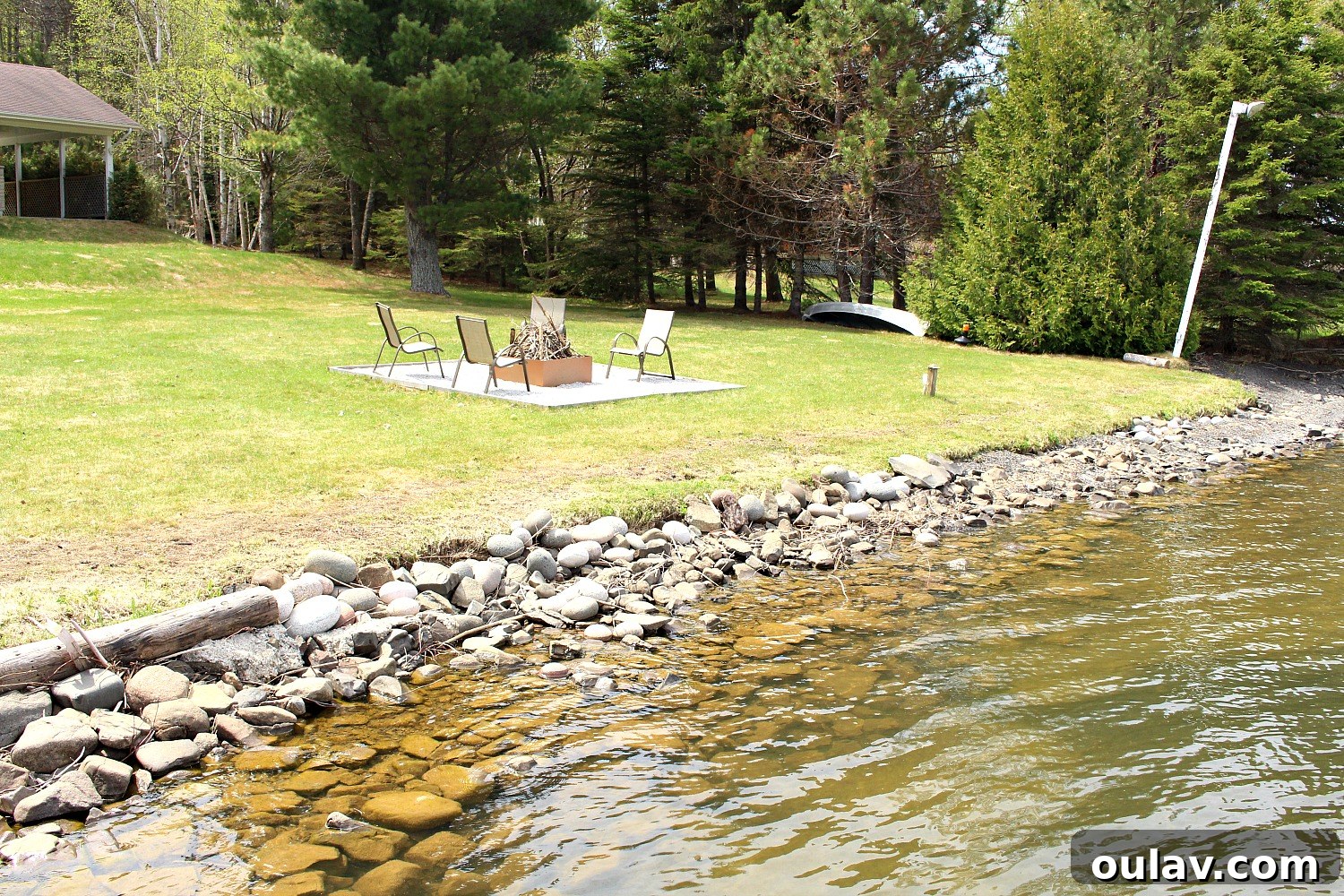
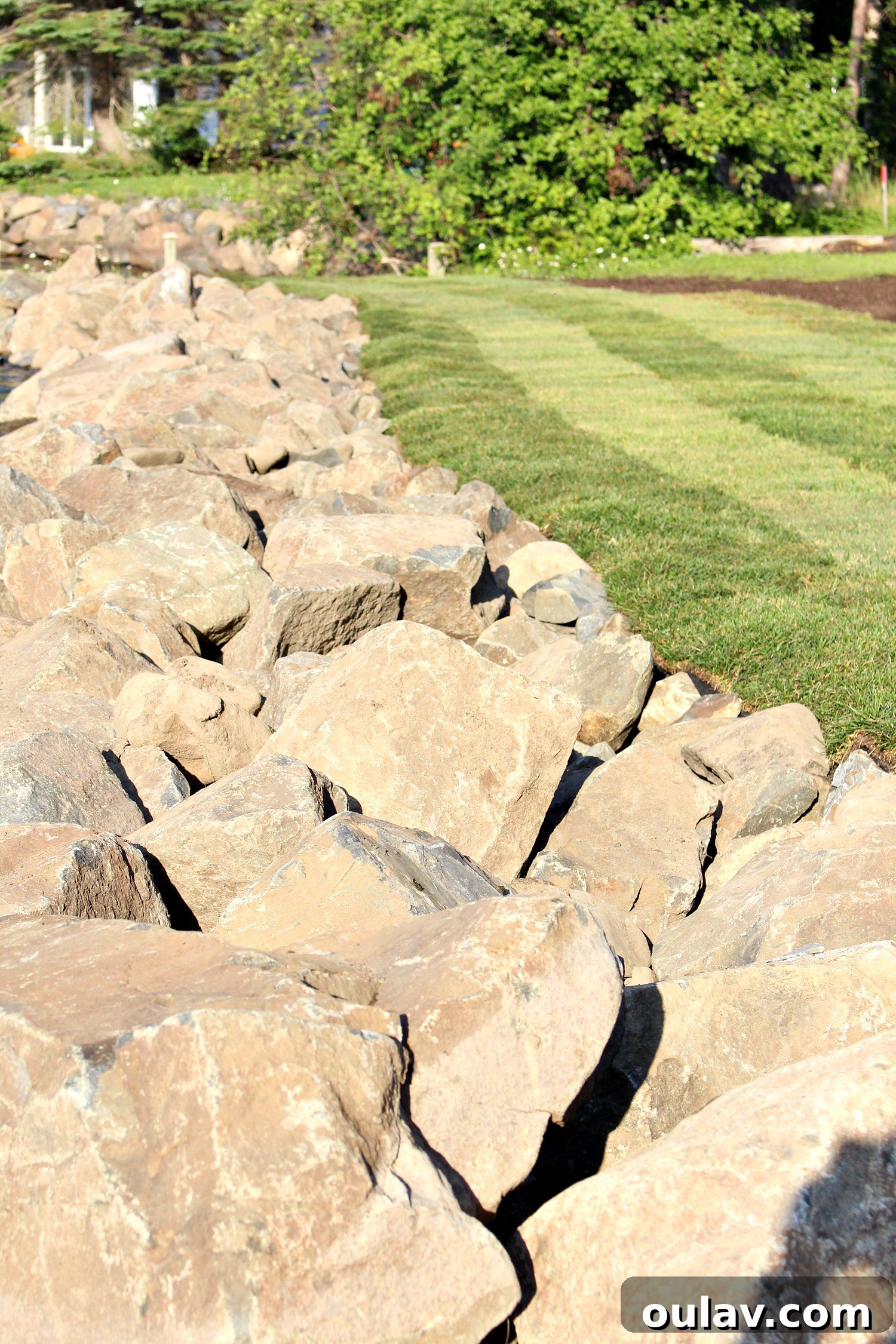
Here’s a look at our revitalized shoreline after the rocks were successfully pulled back to their approved position:
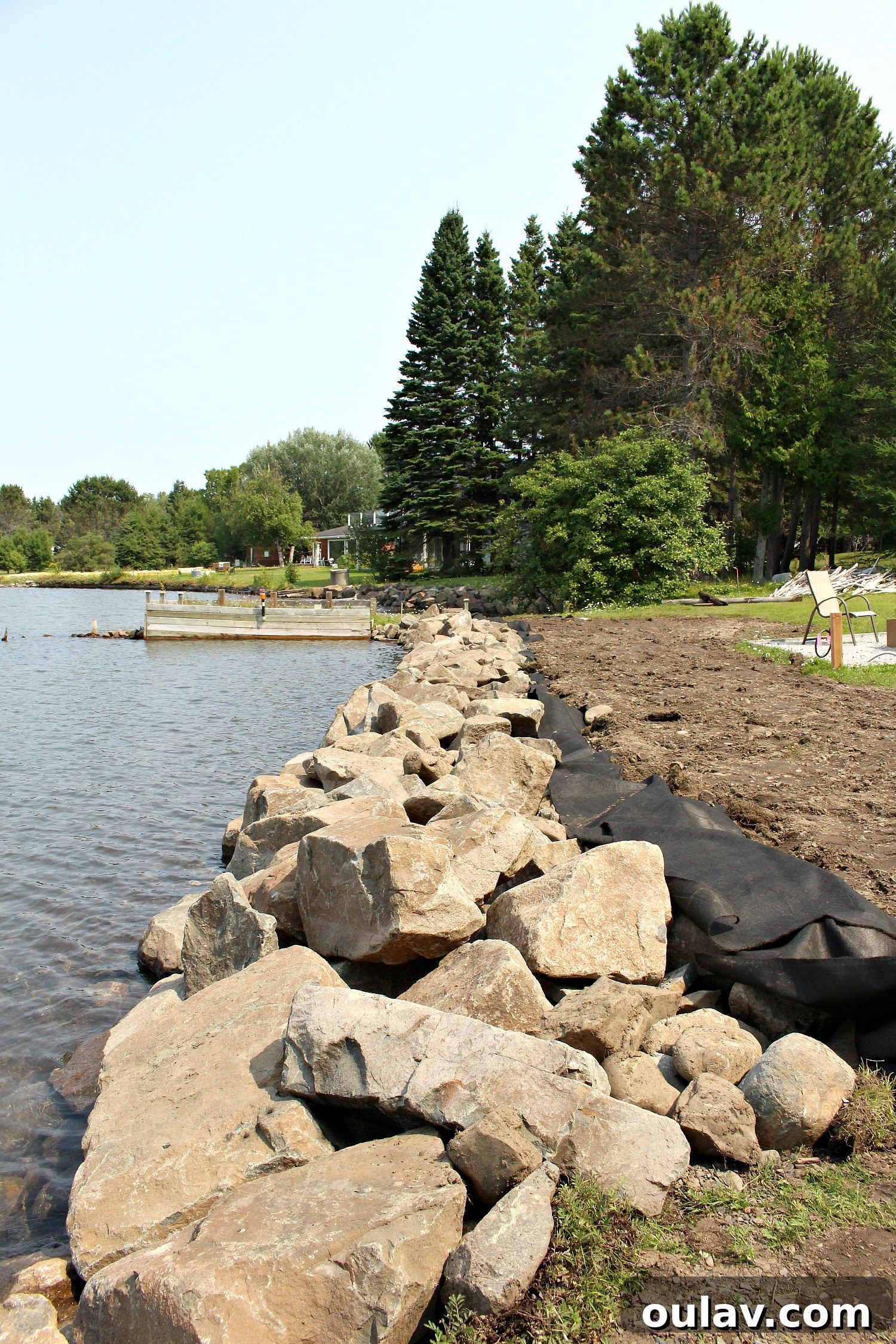
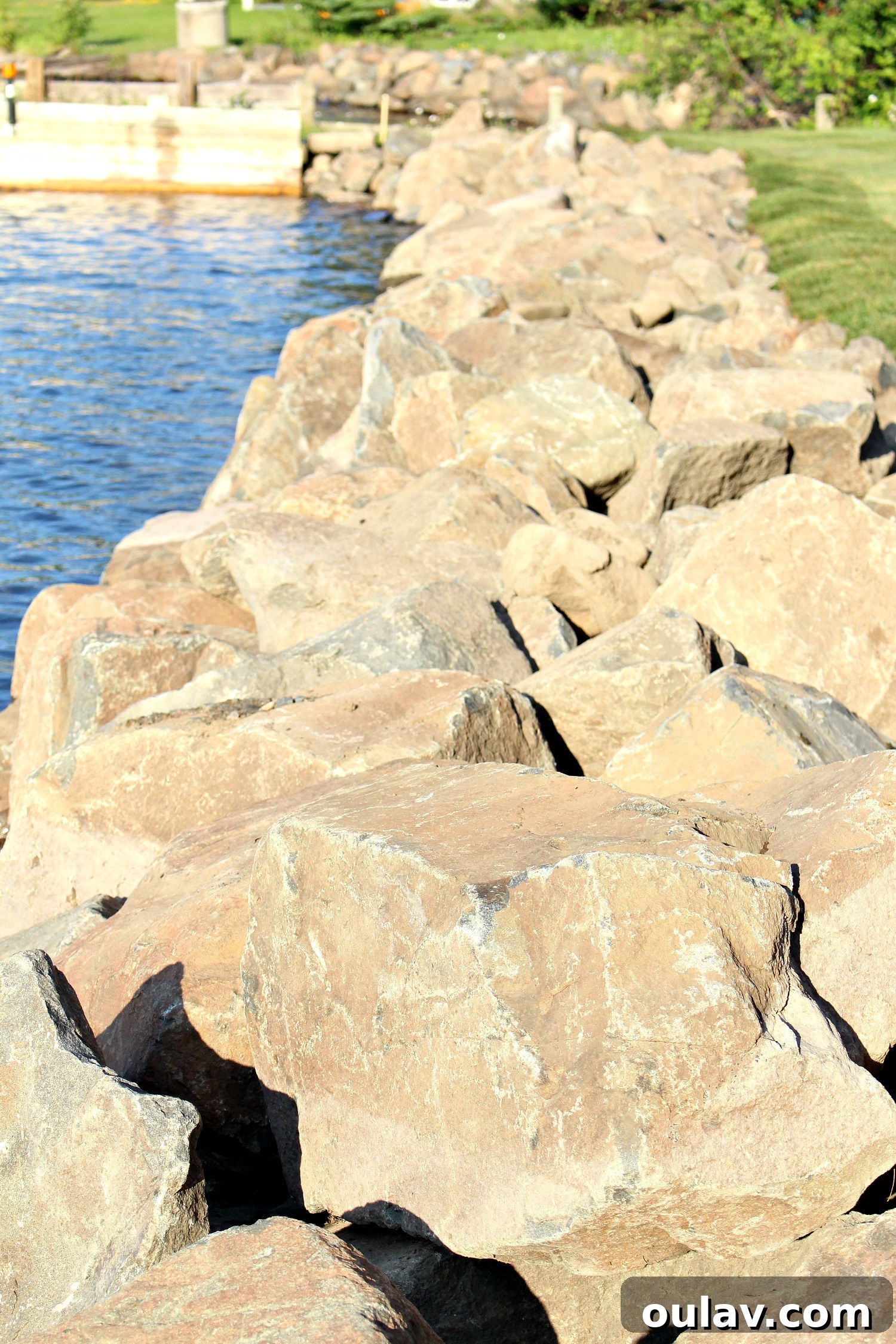
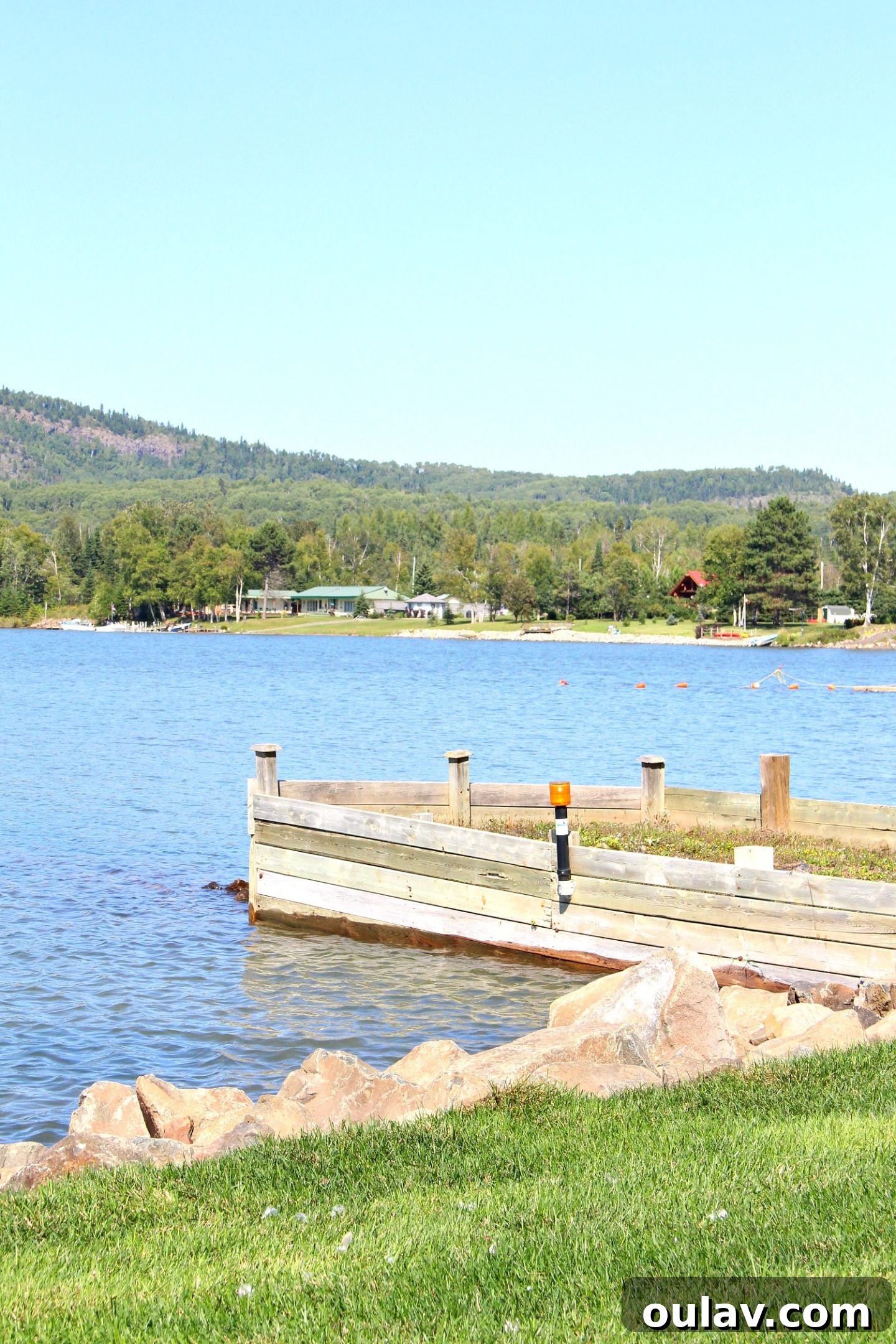
The finished stone shore erosion structure looks absolutely fantastic, and the strategically placed large rocks are performing an exceptional job of containing our once rapidly eroding shoreline. With the integrity of our shore restored, we felt a renewed motivation to address other long-standing issues. We finally tore down the second, rather dilapidated dock, and our plans for next spring include renovating the remaining dock to enhance its appearance and functionality. Furthermore, the leaning flagpole and the yard light, which had annoyingly crowded almost every sunset photograph I attempted to capture, were also removed, dramatically clearing up our panoramic lake view. Here’s how it appeared before these improvements:
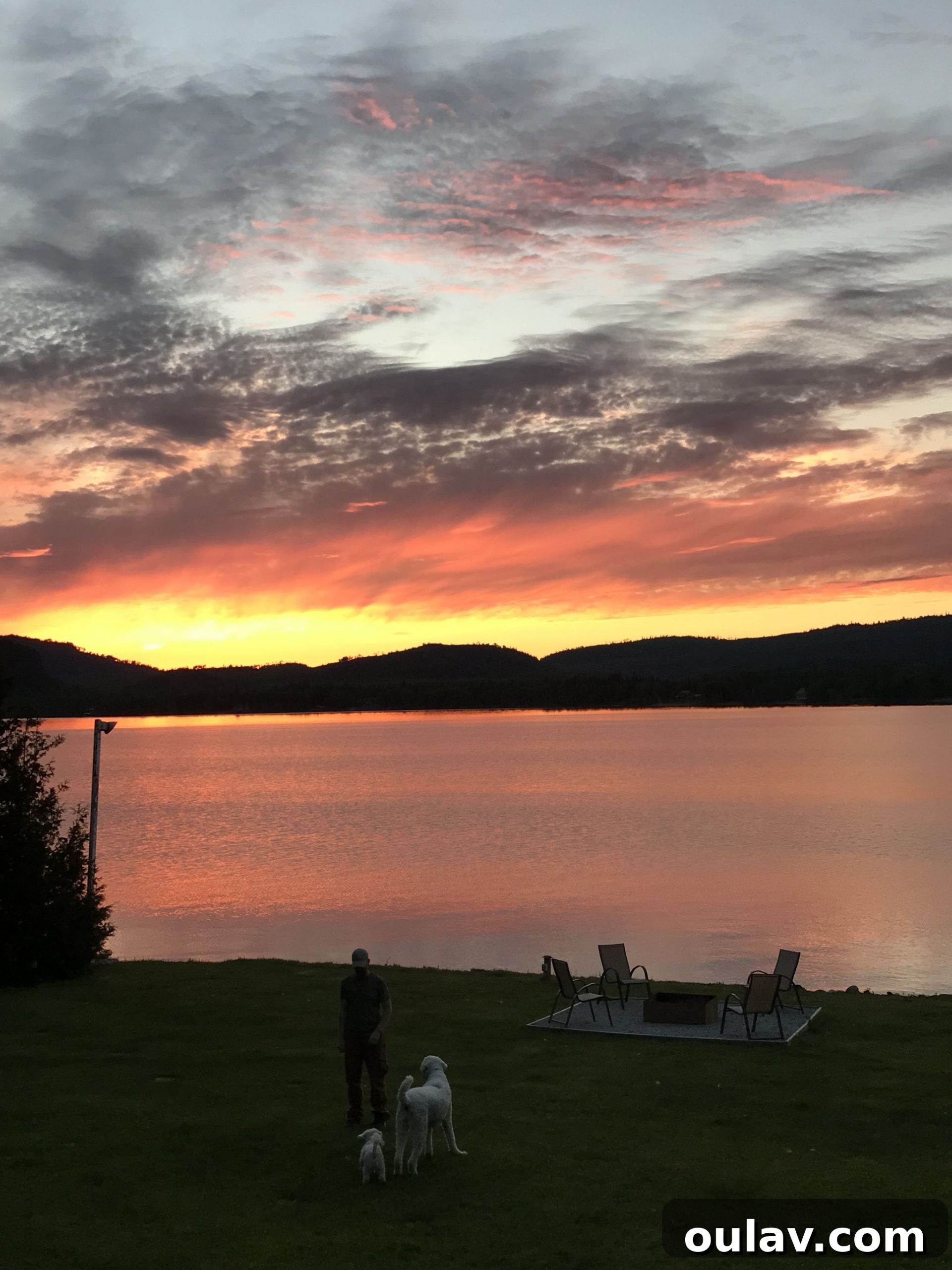
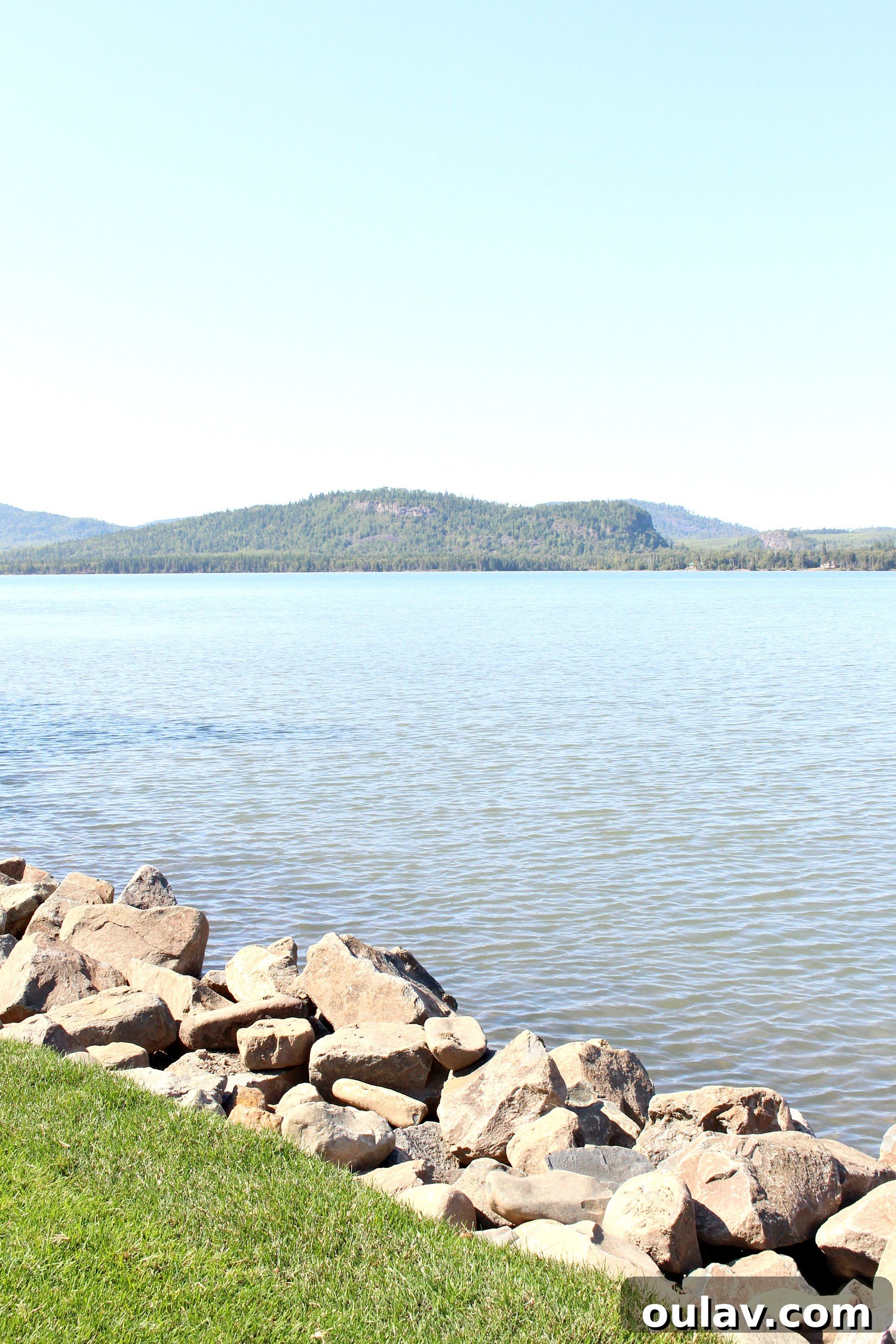
And now, that visual clutter is gone, replaced by an unobstructed vista!
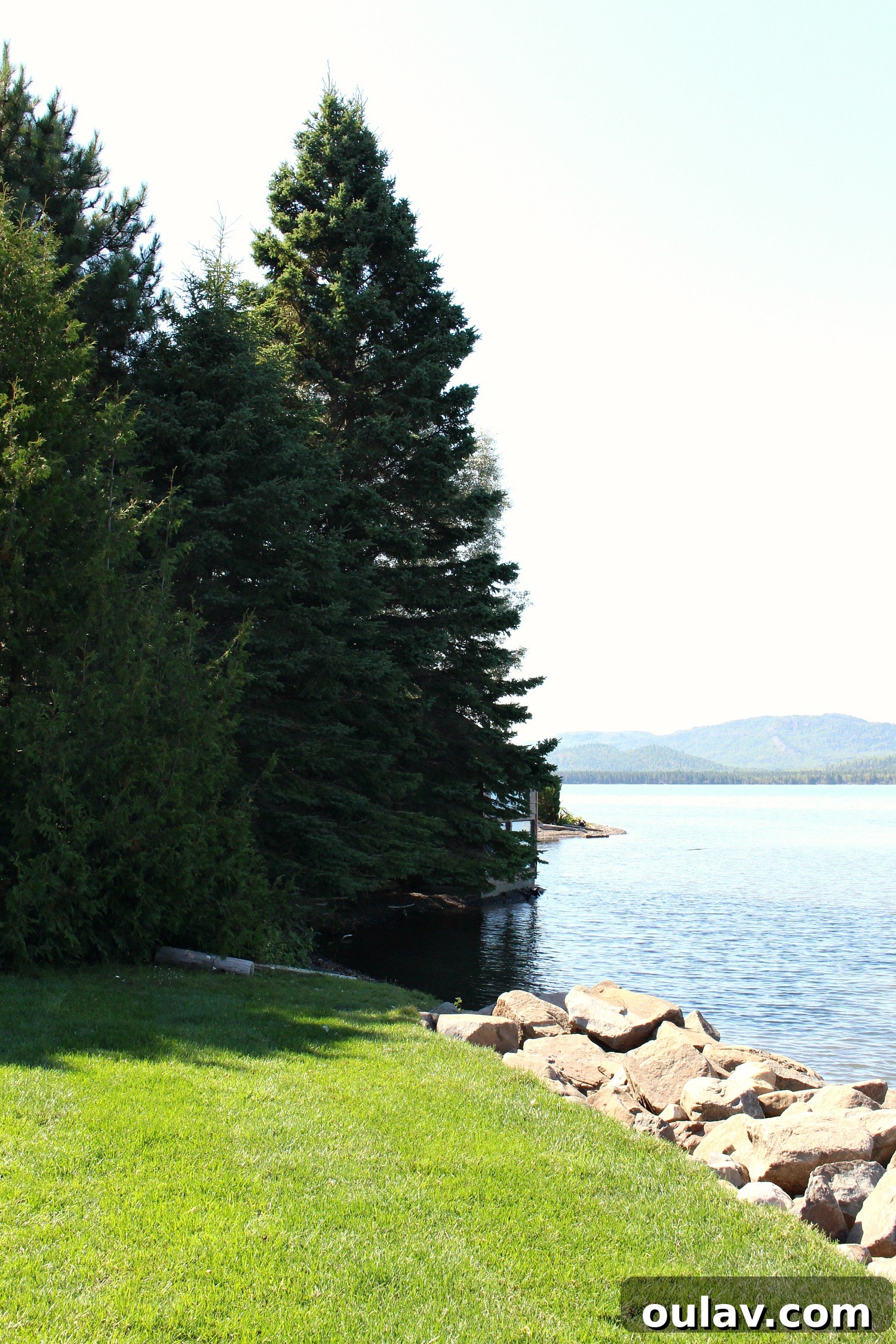
Beyond Erosion Control: Enhancing Our Waterfront Lifestyle
The intense work along the shoreline inevitably left parts of our lawn a bit torn up. To remedy this, we diligently laid down both sod and grass seed, which are now beginning to establish themselves beautifully. Our efforts have been met with enthusiastic approval from the local waterfowl population; approximately 9 out of 10 geese wholeheartedly agree that the new sod is absolutely delicious. While we still need to devise a more permanent and effective strategy to deter these feathered visitors from our property, that particular battle is one we’ve deferred to next year!
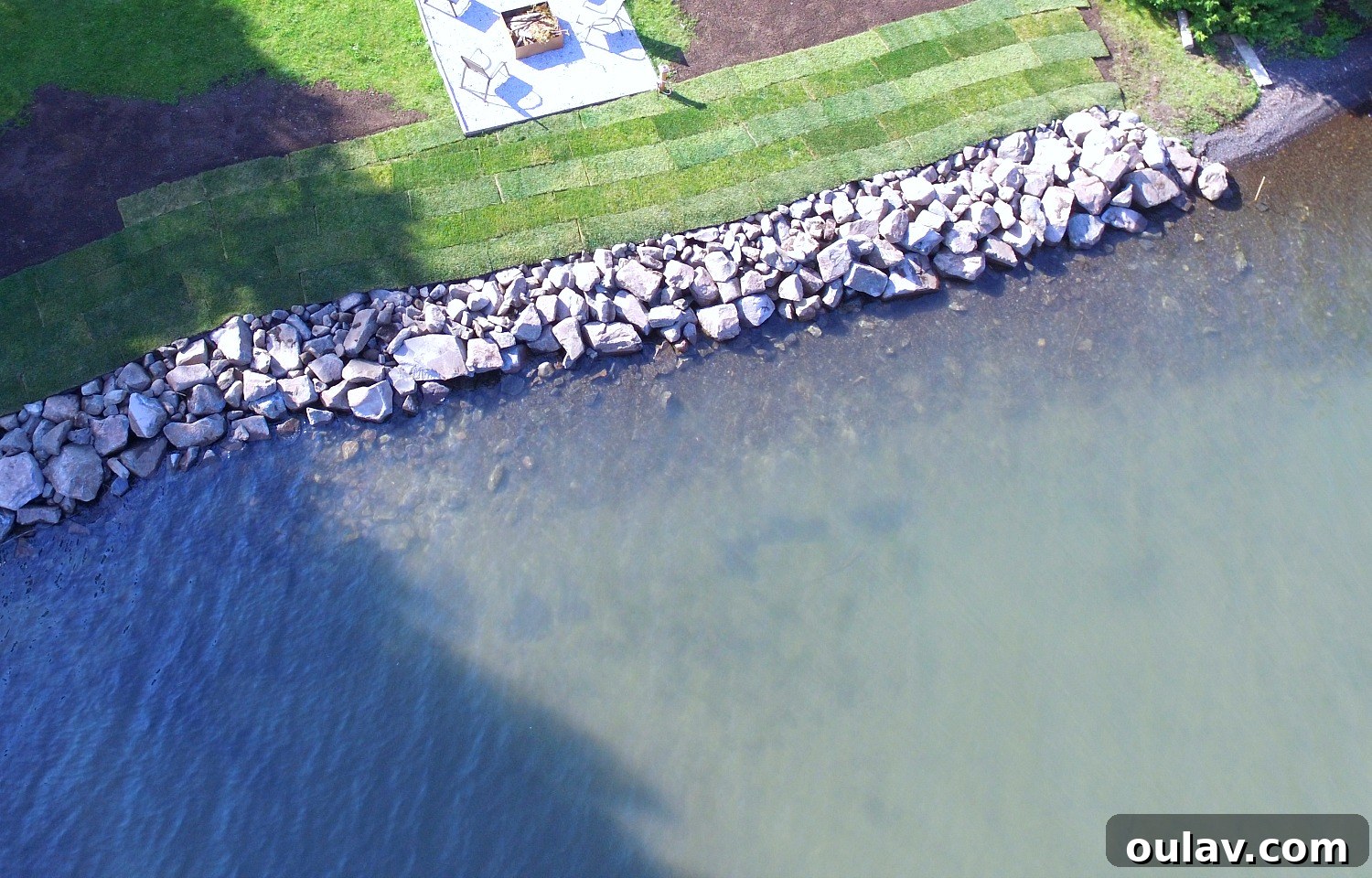
Due to the sheer amount of drama and unforeseen complications this year, I never got around to acquiring the Adirondack chairs I envisioned for our fire pit area. But with the major hurdle of shoreline erosion now firmly behind us, next summer’s agenda includes sprucing up the fire pit area, painting some chairs a cheerful aqua, and transforming the remaining dock into a charming little deck space. Despite these remaining tasks, the progress we made this year in securing and enhancing our lakefront property has been truly monumental!
Final Thoughts: Resilience and the Value of Your Property
In the end, the root cause of our protracted battle with the MNR was, apparently, a neighbor who contacted them in retaliation because I didn’t wave hello to her. While I cannot definitively confirm this, it reinforces my belief that the world is often populated by adults who, at times, behave like children. (And I, of course, am no exception to the occasional lapse in adult decorum). This entire experience, despite its immense frustrations, was a profound lesson in resilience and the importance of advocating for one’s property rights. Standing firm, even when faced with bureaucratic obstacles and confusing directives, proved invaluable. It underscores that sometimes, the fight is indeed worth it, not just for the physical preservation of one’s land, but for the principle of defending what is rightfully yours. Our lakefront property is more than just land; it’s our sanctuary, and protecting it from both natural forces and human folly is a battle I’m ultimately glad we won.