
Heartbreaking Farewell: Mourning the Loss of Jet, My Beloved Ayam Cemani Hen
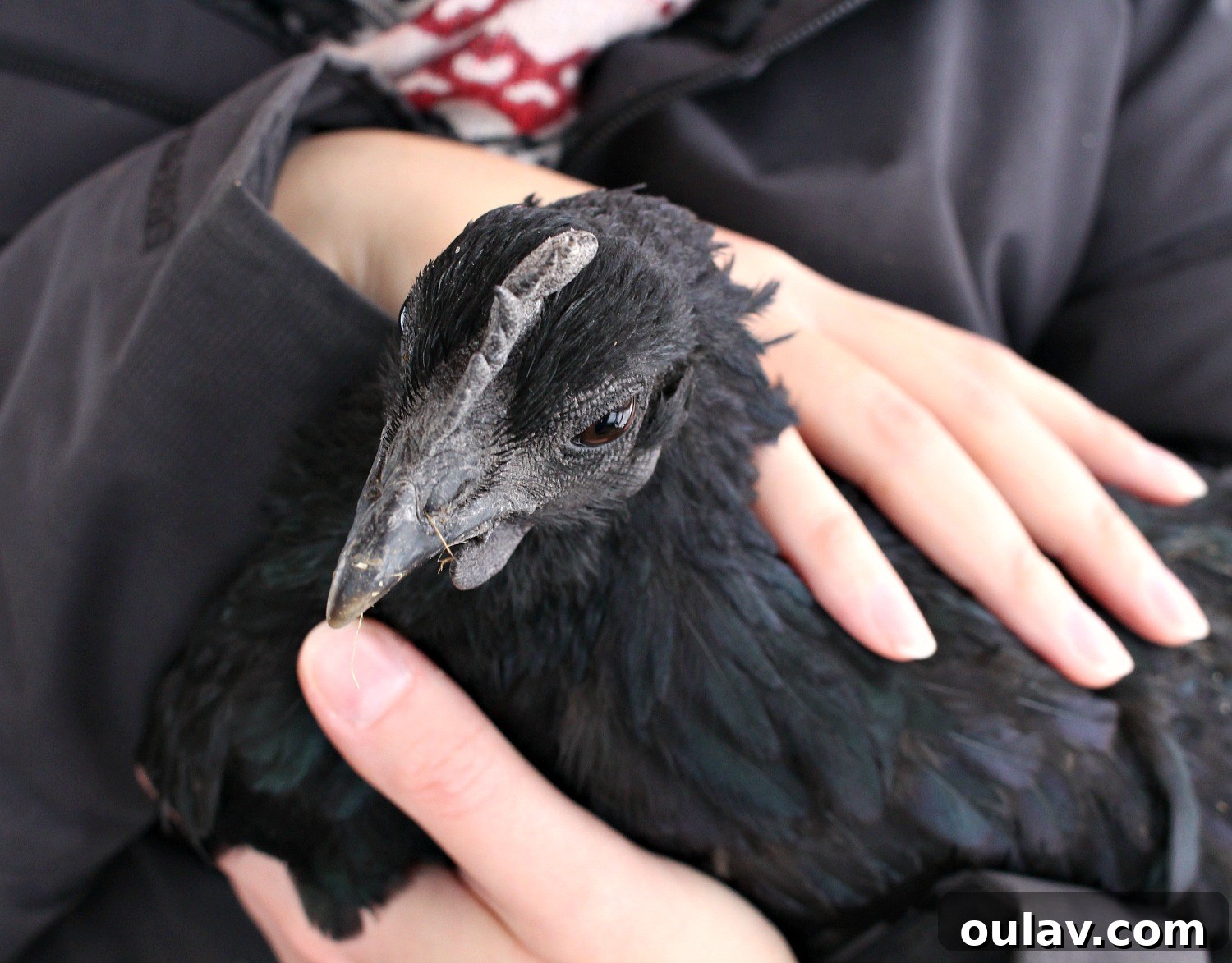
Life with backyard chickens brings immeasurable joy, surprising lessons, and, inevitably, moments of profound sorrow. It is with a heavy heart that I share some truly sad news from our backyard flock: Jet, my exquisite and sweet Ayam Cemani hen, passed away suddenly and unexpectedly. Her absence has left a palpable void, reminding me once again of the deep emotional connections we forge with these remarkable creatures.
The Unexpected Depths of Backyard Chicken Keeping
Keeping backyard chickens has been a journey that has consistently tugged at my heartstrings in ways I never anticipated. When I first embarked on this adventure, I was certainly not emotionally prepared for some of the challenging realities that come with it. I distinctly remember the difficulty of having to make the tough decision to cull a chick, the bittersweet experience of re-homing my beautiful roosters when the flock dynamics became unmanageable, or the concern of having to re-home an ailing hen in hopes she’d thrive elsewhere. These were not mere farm animals; they became cherished members of our family, and my attachment to them grew so unexpectedly strong.
The profound impact of my flock even reshaped my lifestyle. I’ve since stopped eating chicken meat, which used to be a staple in our diet, and I am now almost entirely vegetarian. I never truly realized that chickens are such complex, intelligent, and highly social creatures, each boasting distinct personalities, quirks, and even individual friendships within the flock. Through them, I’ve gained a new perspective on the world and developed a deeper appreciation for animal life.
Jet’s Arrival: A Rare Beauty Joins the Flock
Jet joined our family when I purchased four new pullets this past fall. My original flock, started from chicks, yielded an unexpectedly high number of roosters, leading to a smaller hen-only flock than I had intended. I was concerned that the reduced numbers wouldn’t fare well during the harsh winter months. Chickens generate body heat and can keep each other warm, but a certain minimum number is crucial for their well-being in a coop or run. To ensure my flock’s comfort and safety, I ordered four pullets from a specialized hatchery.
Among these new arrivals was an absolutely stunning and rare Ayam Cemani, an extraordinary chicken breed originating from Indonesia. Ayam Cemanis are renowned for their striking hyperpigmentation, a genetic trait known as fibromelanosis, which causes them to be entirely black – not just their feathers, but also their skin, flesh, bones, and internal organs. This unique characteristic makes them highly sought after and typically very expensive; some hatcheries price chicks at $99 each or even more, often as “straight run” (unsexed), meaning you could potentially pay a premium for a flock of all roosters. As much as I admired them, such prices were beyond my budget. However, I was fortunate to find a hatchery that had a few Ayam Cemani pullets left at a more manageable price point, and I was absolutely thrilled for the chance to introduce this rare and unusual breed to our backyard flock.
Jet’s Unique Personality and Our Growing Bond
From the moment she arrived, Jet exhibited a captivating blend of shyness and protectiveness towards her three new hen companions, though she was never aggressive towards us. It was clear that she hadn’t been handled much, which contributed to her timid nature. During their temporary quarantine period in a separate coop, Jet proved to be quite the escape artist, giving us a few memorable chases. One time, she led us on a merry pursuit around the garage; another, to our utter astonishment, she flew straight up into a tree – that’s when we discovered her extraordinary flying abilities! While chickens generally aren’t known for sustained flight (they usually just flutter to break a fall or reach a low roost), Jet was a definite exception. We eventually cornered her gently under the deck and caught her with a fishing net.
Her aerial prowess became even more evident when we attempted to integrate the new pullets with our established flock. Faced with the inevitable pecking order squabbles, Jet famously escaped the fray by flying up to a high ledge above the man door. The other chickens were hilariously stunned, as if asking, “How on earth did she do that?” While she hid there, I brought her treats. Initially, she nervously pecked at me, but as I gently stroked her neck, her whole body relaxed, and she closed her eyes in contentment. This became our special bonding ritual. She slowly, but surely, warmed up to me, coming to enjoy these gentle pets.
Despite her unique abilities, Jet ended up fairly low in the combined flock’s pecking order. My more assertive Ameraucana hens often prevented her from getting her share of treats. To ensure she wasn’t missing out, I taught Jet a clever trick: if she hopped onto a straw bale near my chair, I would discreetly sneak her some treats while distracting the other hens by tossing a handful of treats on the ground. She was a quick and intelligent learner, and this special arrangement ensured she always got her fill.
The Distinctive Eggs of an Ayam Cemani
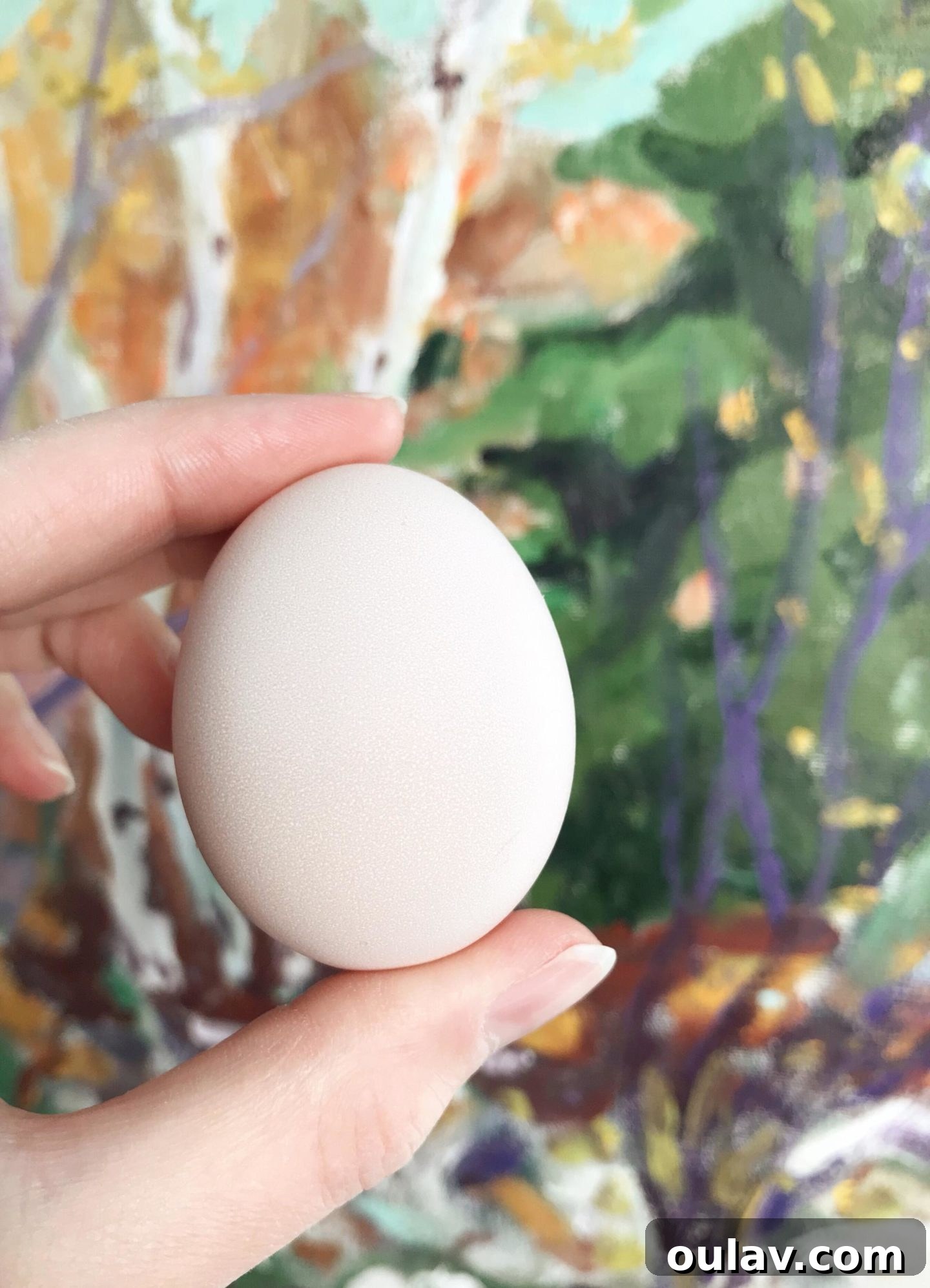
Jet had just begun to lay eggs, a new and exciting milestone in her young life. A common misconception about Ayam Cemani hens is that they lay black eggs, given their striking all-black appearance. However, this is not the case. Ayam Cemani hens typically lay eggs that are a beautiful shade of white, sometimes with a subtle, almost blush pink tint. Each delicate egg was a testament to her health and a small joy to find in the coop.
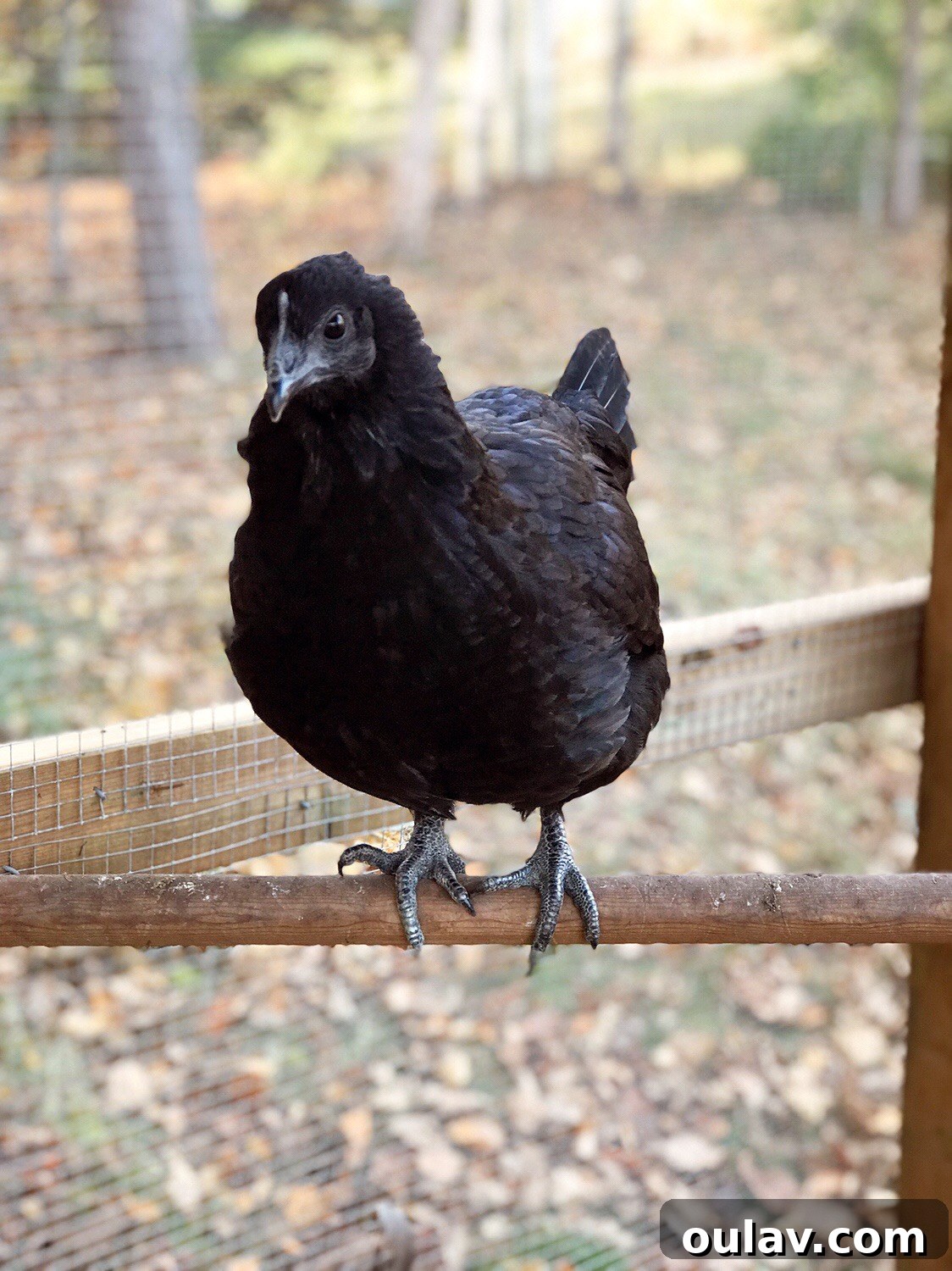
The Unexplained Loss: A Heartbreaking Mystery
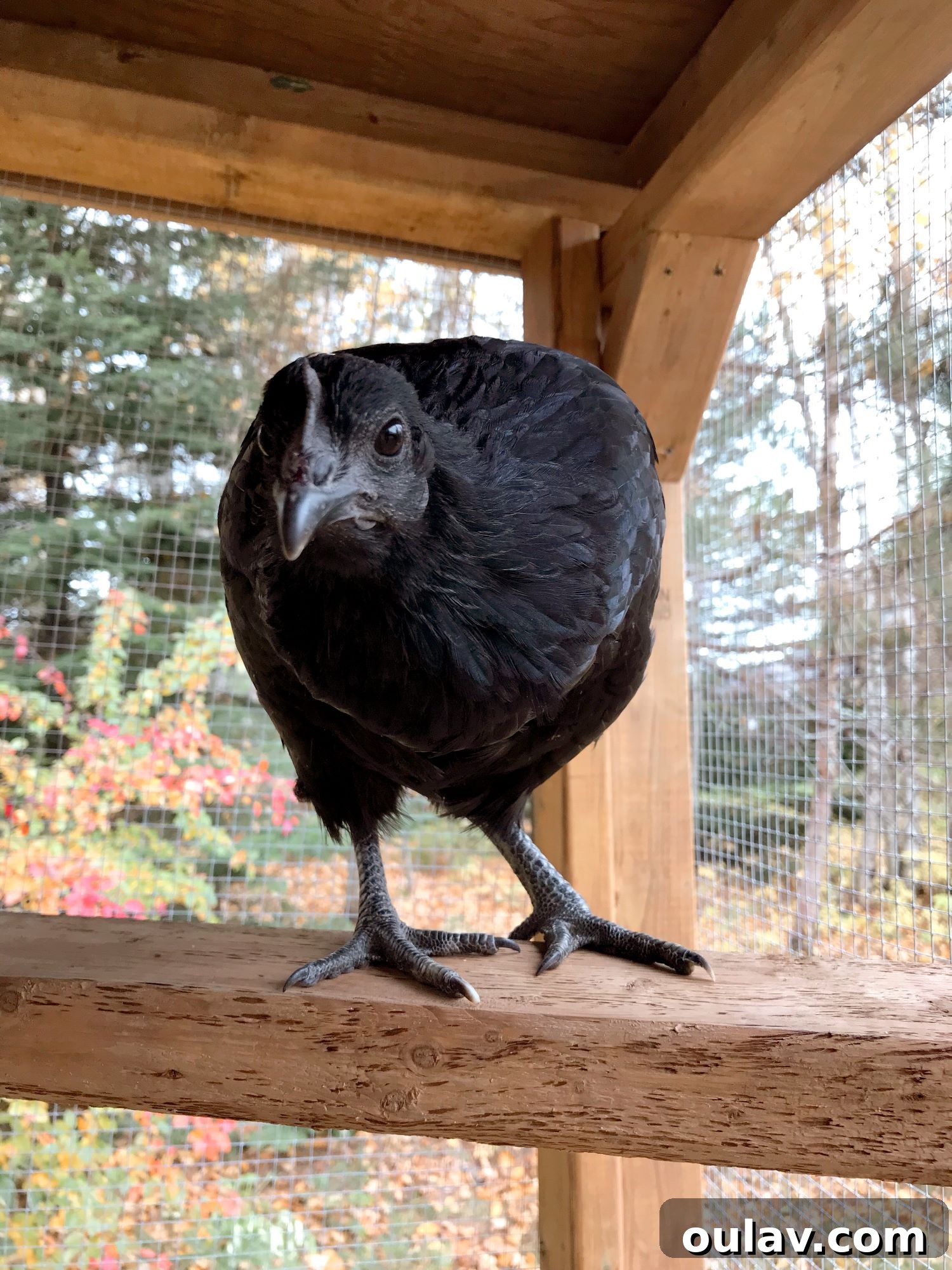
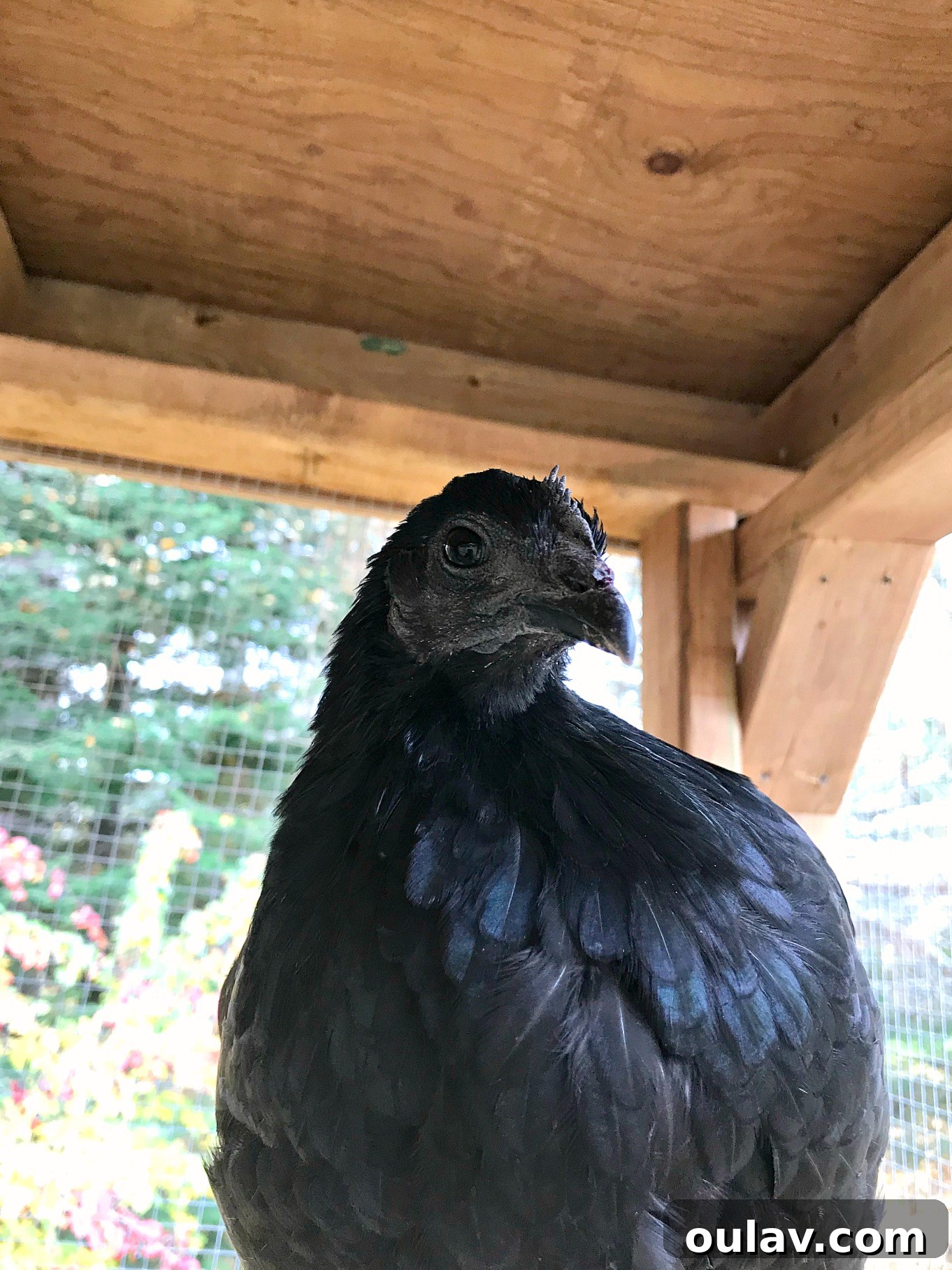
The sudden nature of Jet’s passing makes her loss even more difficult to process. I diligently try to educate myself on common chicken ailments and symptoms so I can spot potential problems early. My routine involves visiting the flock twice a day for a quick inspection, and when the weather permits – meaning it isn’t arctic cold – I spend a good chunk of time sitting out in the run with them, feeding treats and observing them more closely for any subtle changes in behavior or appearance. Just a few days before her death, my husband and I had enjoyed a particularly nice day outside, spending a good amount of time cleaning out the coop and run, replacing the straw and pine shavings, and checking on everyone. I’m so grateful that we took the time to snap a few photos that day, as I didn’t have many of her unique beauty.
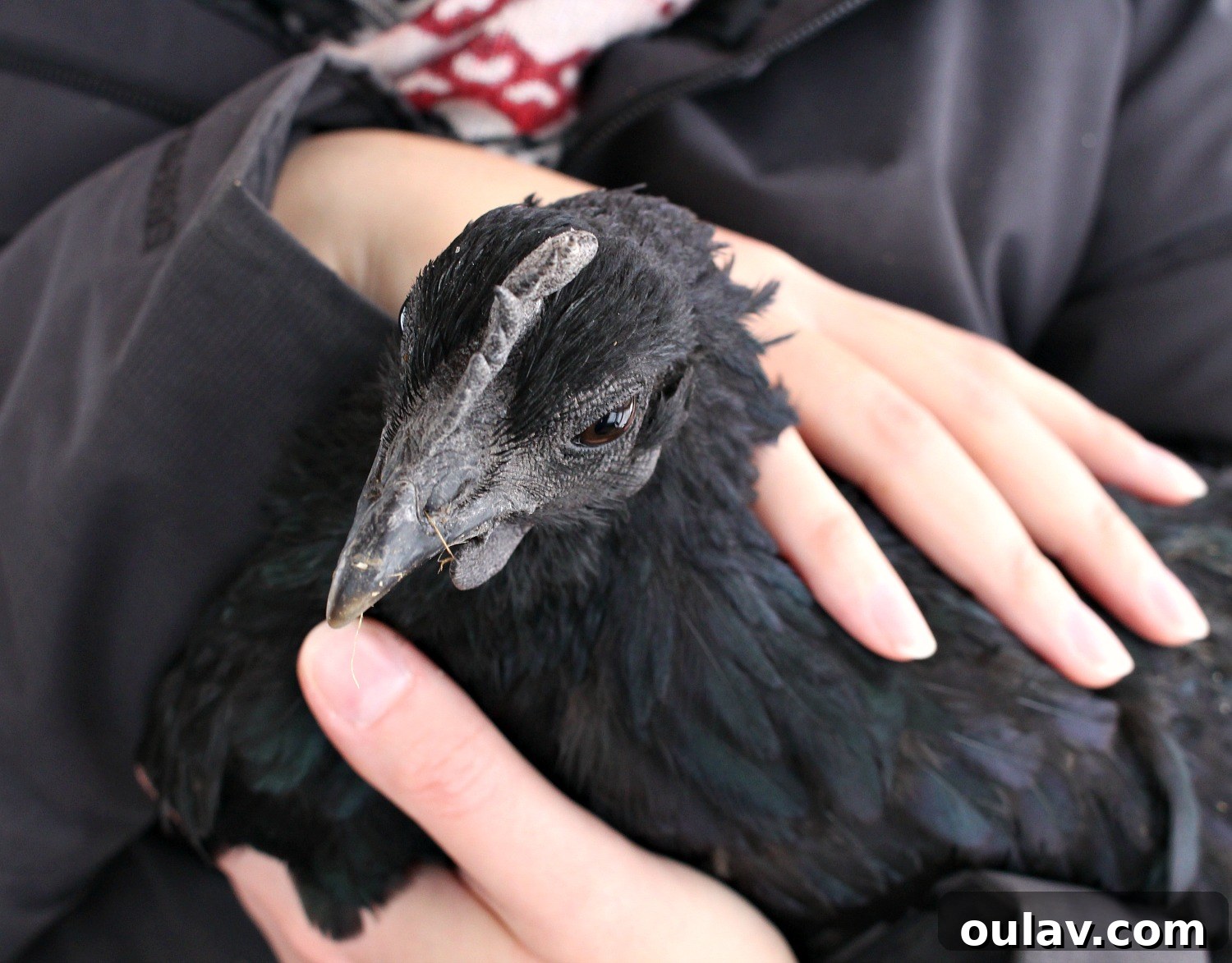
I genuinely thought we would have so much more time together. The Ayam Cemani breed is simply striking, with their sleek features, petite build, and feathers that shimmer with vibrant purple and teal sheens in the sunlight. I truly wish I had more, and better, pictures to remember her by. The last times I saw her, she was her usual self: sweet, curious, and sprinting around the run with her characteristic energy.
The Day She Was Found
On the morning of her death, my husband checked for eggs, and all the chickens appeared perfectly fine. It was a crisp, clear day, but certainly not one of the dangerously cold winter days we’ve sometimes experienced. There was absolutely nothing unusual or worrisome about her behavior or the flock’s general state. We were just about to head out the door for an errand. I was putting on my coat when my husband rushed in, his voice tight with shock, and blurted out that one of the chickens was dead. It was around noon. We found Jet lying stiffly on her side on the ground.
I simply couldn’t believe she was gone. In a state of denial, I convinced myself she just needed to be warmed up, so my husband brought her inside. But it was unmistakable; she had definitely passed. I stroked her soft neck one last time, tears blurring my vision. I know it might seem silly to some, but I truly loved my chickens, and Jet held a special place. Our dogs, usually so boisterous, were incredibly curious about her still form. My husband showed her to them, and I braced myself for a potentially crude reaction. Instead, they sniffed her gently, then looked up at me, their expressions worried and agitated. I believe they recognized her as one of our own, a member of our extended household family.
As difficult as it was to look at her, I desperately needed to understand why she died. Frustratingly, I couldn’t find any clear signs of an attack or any discernible disease symptoms. The mystery of her passing is heartbreaking because I don’t know what happened or what, if anything, I could have done to prevent it. There was only a tiny sign of pecking on her comb, leading me to wonder if, after she collapsed, the other chickens gently pecked at her, perhaps trying to rouse her. That thought truly breaks my heart. I’ve read that chickens do “miss” their flock mates, and I experienced something similar when I re-homed the roosters; the flock’s behavior visibly changed.
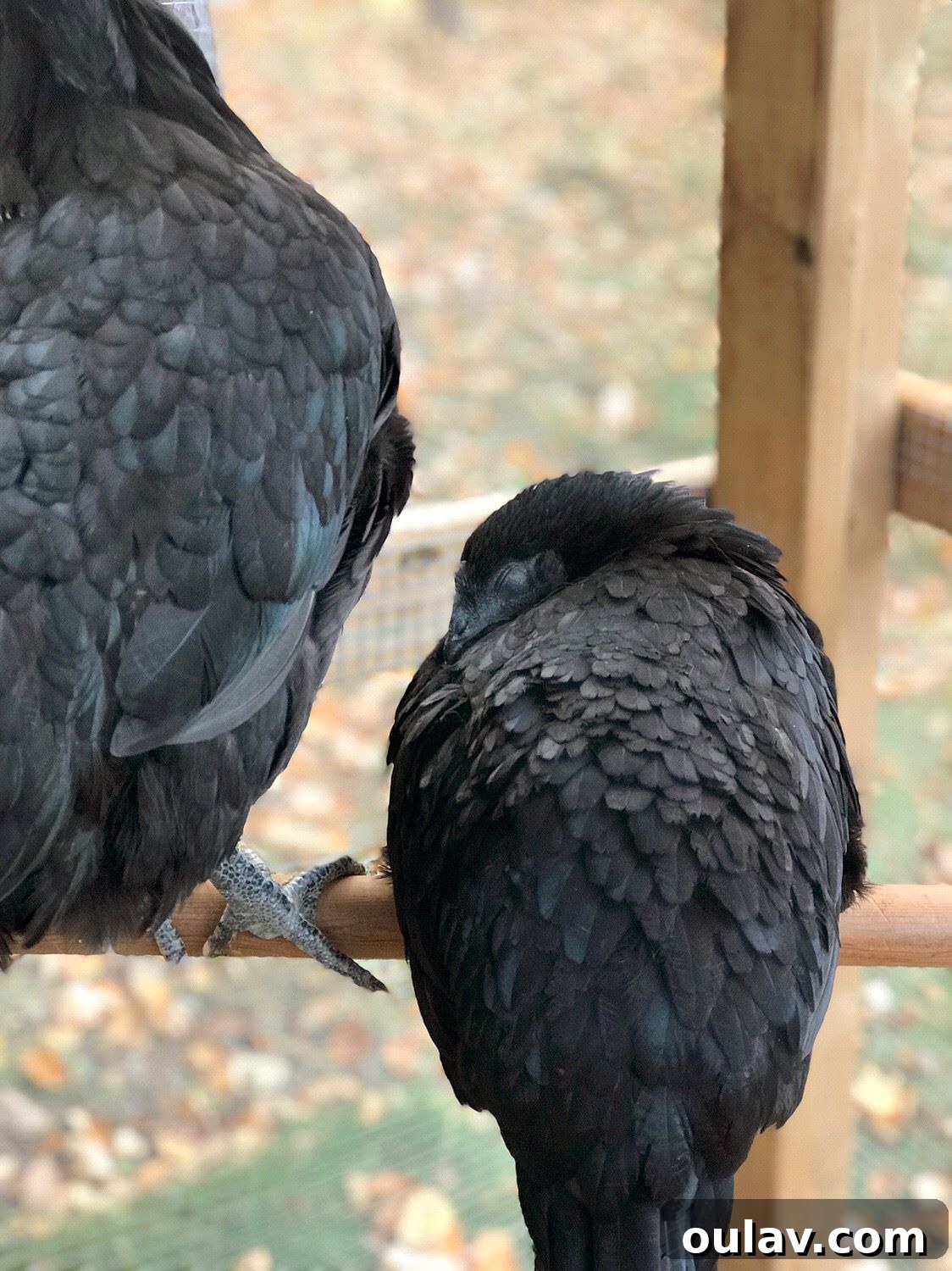
The Ripple Effect: Grief in the Flock
The days following Jet’s death brought subtle yet unmistakable changes to the flock. Pewter, my impressive rooster, had a particularly interesting reaction the very next day. When my husband had retrieved Jet’s body from the run, he was wearing his tan and black work gloves (similar to these). We each keep a pair in the truck for grubby work or emergencies. The following day, when I went to feed the chickens, I instinctively grabbed my identical pair of work gloves, and Pewter went absolutely nuts. He attacked the gloves, flapping his wings wildly and bumping his chest against them. He was visibly, and genuinely, distressed, refusing to come near my hands, even though they were offering up a tempting plate of oatmeal. The next day, I switched to plain black mittens, and he was completely fine: calm, friendly, curious, and, of course, a greedy piglet for snacks. It seemed clear to me that he associated the specific gloves with the sudden and unexplained disappearance of a flock member, demonstrating a surprisingly complex level of animal cognition and perhaps even grief.
The general mood in the coop has been noticeably more mellow since Jet’s passing. There’s a subtle but distinct difference: the remaining flock members are truly eager to see me these days. While they are always curious when I arrive, anticipating treats, now they rush quickly to me and stay close by my side whenever I’m in the run. They crowd around the door so anxiously that I can barely step inside without a flurry of feathers. There is one notable exception: Dolly (short for Dolomite), who was Jet’s closest companion, her BFF. Dolly has always been a shy hen, but now she seems even more reserved, almost a little lost without her friend. From that mini flock of new pullets, she now only has one other hen, a confident Australorp who has fit in well with the larger group. Thankfully, my sweet Silkies, known for their gentle and cuddly nature, keep Dolly warm at night. For some reason, Dolly and the Silkies don’t like to roost on the high perches; instead, they snuggle together in a soft heap. Chickens are profoundly social creatures, and the sight of my Silkies comforting Dolly gives me hope that she has found some companionship within the intricate hierarchy of the flock, which, in its complex social dynamics, is eerily similar to a high school pecking order.
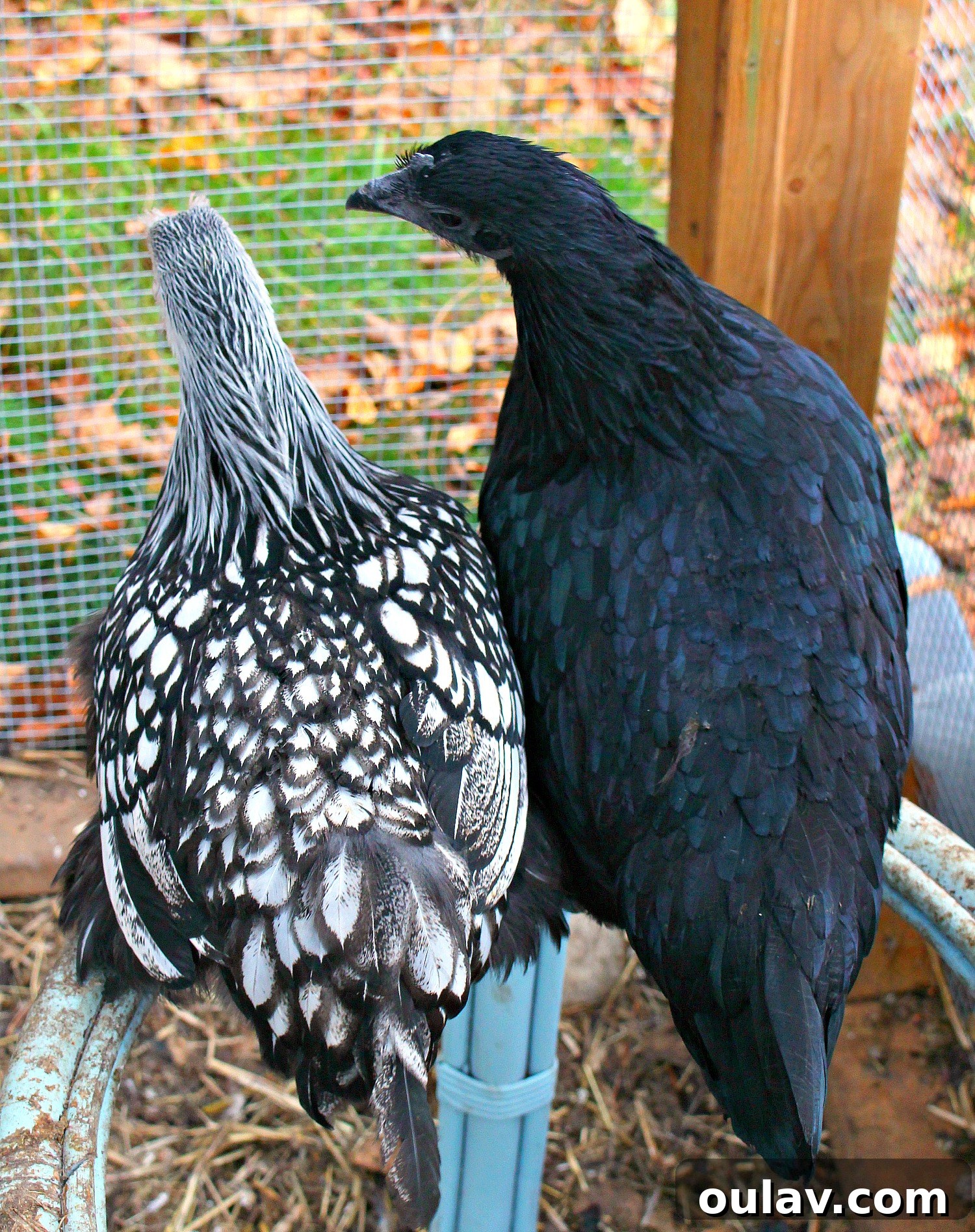
Sorry about the poop. Chickens = so much poop.
Remembering Our Jet
I am deeply saddened that we lost Jet so unexpectedly. She was truly a gem – a beautiful, unique, and intelligent hen who brought so much joy and warmth to our backyard. Her presence taught me even more about the rich personalities of chickens and the surprising depth of their emotional lives. She may be gone, but the memories of her quiet companionship, her surprising flights, and her gentle neck-pets will forever remain in my heart. She will be dearly missed.