Homemade Rose Water Spray: Your Ultimate Guide to a Refreshing DIY Elixir
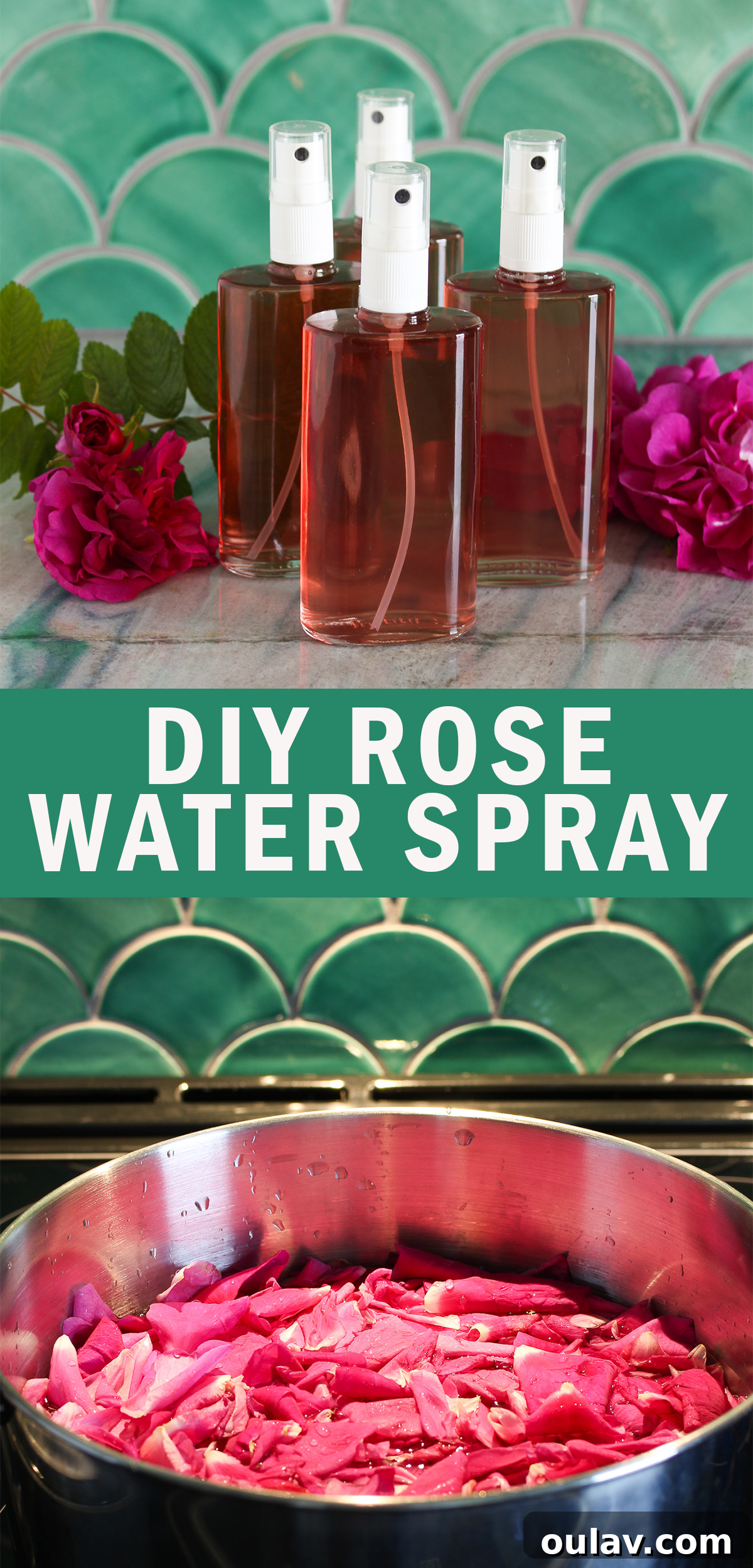
For years, the allure of crafting my own rose water spray lingered, a delightful notion I finally brought to life this past summer. It was a perfectly timed endeavor, just as the last delicate blooms graced my rose bush. Among the various methods for concocting this fragrant elixir, I opted for the simple yet effective infusion or simmering technique. This approach, remarkably akin to brewing a soothing rose petal tea, is not only quick and straightforward but also yields a product that promises an indulgent sensory experience.
Stored conveniently in the refrigerator, homemade rose water transforms into a sublime treat, offering a cooling sensation and an enchanting aroma that revitalizes both skin and hair. Throughout the summer months, I’ve revelled in its refreshing mist. However, the versatility of this simple rose water recipe extends far beyond a personal spray; it’s also a wonderful ingredient for facial care and even culinary adventures.
Why Embrace DIY Rose Water? The Benefits of Crafting Your Own
In a world brimming with commercial products, choosing to make your own rose water stands out for several compelling reasons. Firstly, it offers unparalleled freshness. When you make rose water at home, you know exactly what goes into it – pure, natural ingredients, free from synthetic fragrances, preservatives, or other additives often found in store-bought versions. This control ensures a product that is not only gentle but also highly potent, capturing the true essence and therapeutic properties of fresh roses.
Beyond the purity, the process itself is a therapeutic and rewarding experience. From carefully selecting and rinsing the petals to watching the water transform into a delicate pink hue, each step is a mindful connection to nature. And, of course, the cost-effectiveness cannot be overlooked. With just a handful of rose petals and some distilled water, you can produce a generous supply of rose water that would otherwise be quite expensive to purchase commercially. This guide will help you unlock the magic of this homemade treasure, ensuring you harness its full potential for beauty, wellness, and even gastronomy.
The Simmering Method: Your Easiest Path to Homemade Rose Water
While other methods like distillation exist, the simmering or infusion technique is by far the most accessible for the home enthusiast. It requires no specialized equipment, just a pot, water, and your precious rose petals. This gentle heating process extracts the fragrant oils and beneficial compounds from the petals, infusing them into the water. It’s a method that minimizes complexity while maximizing the delightful output, making it perfect for beginners and seasoned DIYers alike. The result is a vibrant, aromatic rose water that retains much of the plant’s natural goodness, ready to be incorporated into your daily routine.
Essential Rose Water Recipe & Supplies for Your DIY Project:
- 5 cups fresh rose petals*: The heart of your rose water. Ensure they are vibrant and fragrant.
- 9 cups distilled water: Crucial for purity, preventing mineral build-up and extending shelf life.
- 4 tsp vodka (optional): Acts as a natural preservative, helping to prolong your rose water’s freshness.
- Fine mesh strainer or paper coffee/tea filter: For achieving a crystal-clear, petal-free solution.
- Small glass jars or spray bottles: Ideal for storage and convenient application. Sterilized glass is best.
- Large pot with a lid: To gently simmer your petals and water.
- Funnel: Essential for mess-free transfer into your chosen storage containers.
*I utilized approximately 5 cups of rose petals simply because that was the abundance my garden provided at the time. However, feel free to adjust this quantity based on your available petals. The key principle is to use enough water to just cover the petals. Overwhelming the petals with too much water will result in a diluted rose water with a less potent aroma and fewer beneficial properties.
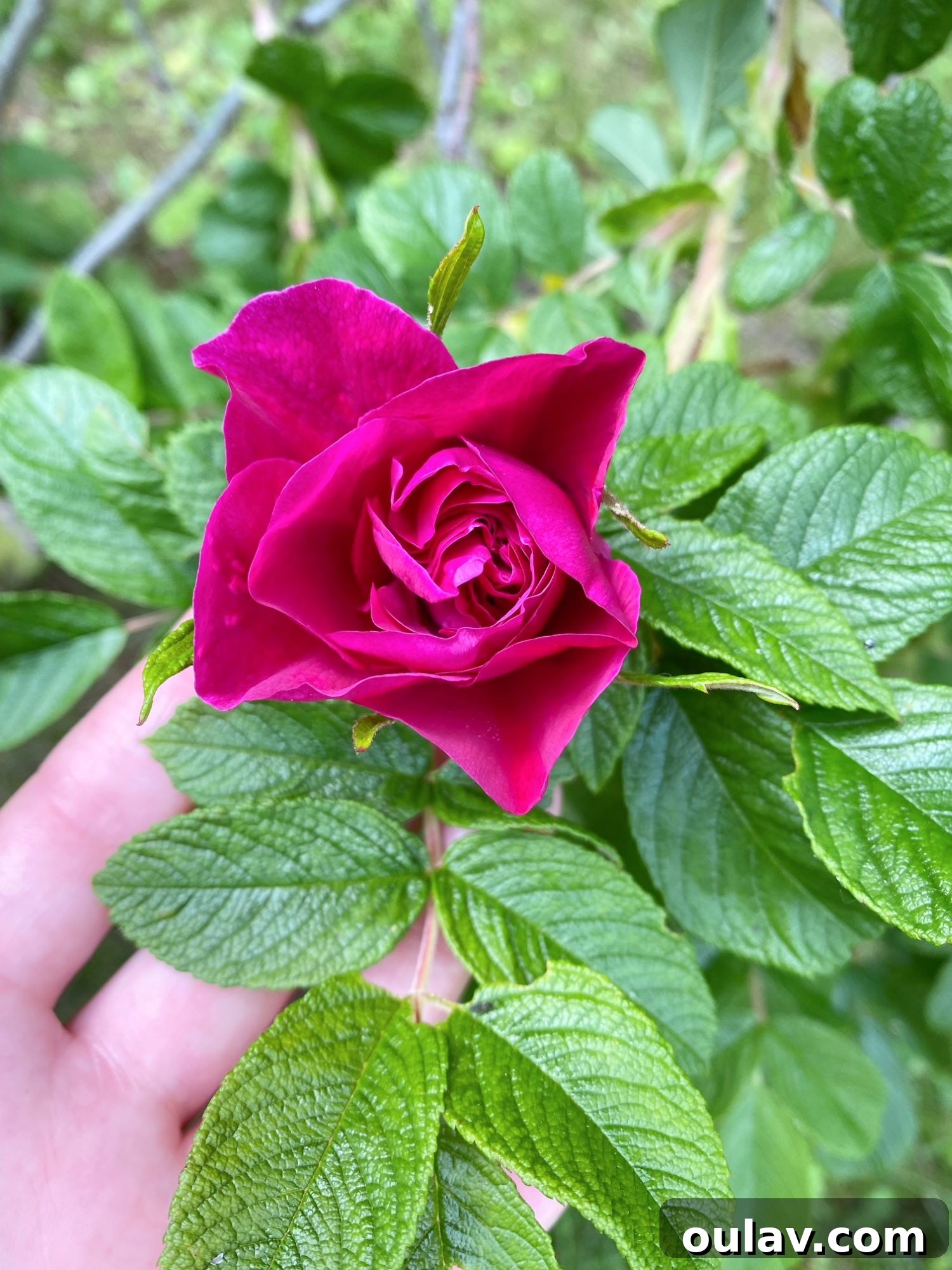
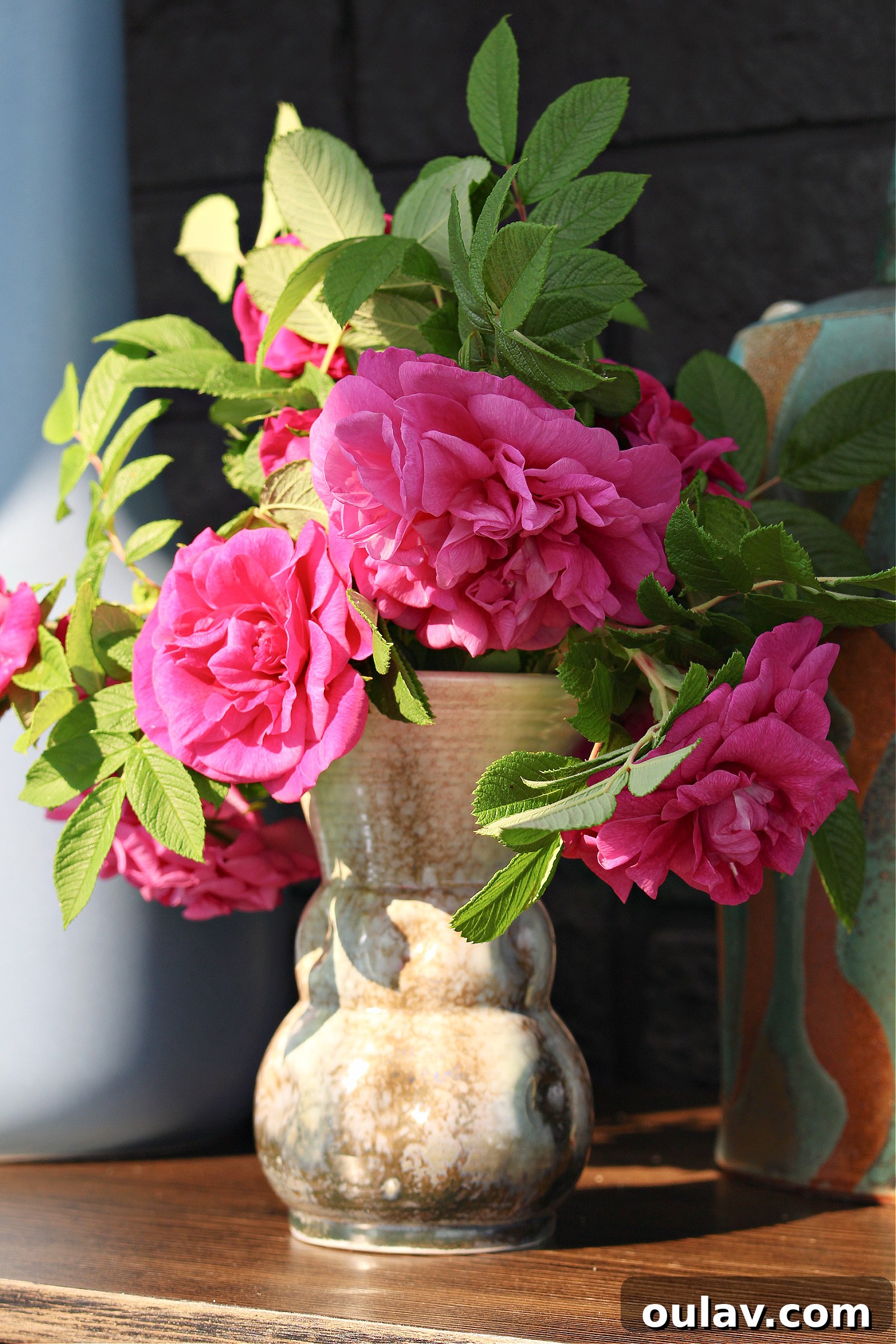
Crucial Note on Rose Petals: The quality and source of your rose petals are paramount. Always use pesticide-free rose petals. If you’re harvesting from your own garden, ensure no chemicals have been used on them. For those without backyard access to fresh blooms, seek out food-grade or food-safe roses from reputable sources. This precaution is vital, especially if you intend to use your DIY rose petal spray on your skin, hair, or for culinary purposes, guaranteeing it is safe and pure.
Step-by-Step Guide: Crafting Your Own Homemade Rose Water Spray
- Prepare the Petals: Gently remove the petals from your roses. Rinse them thoroughly under clean, cold water to eliminate any dust, dirt, or tiny insects. A salad spinner (using just the strainer basket and bowl) is an excellent tool for quickly rinsing and draining your delicate rose petals without bruising them.
- Combine Ingredients: Transfer the clean rose petals into a clean, wide-bottomed pot.
- Hydrate the Petals: Pour the distilled water over the rose petals, ensuring they are just submerged. This ratio is important for concentrated rose water.
- Add Preservative (Optional): If you choose to use vodka, add the specified amount now. It acts as a natural preservative, enhancing the shelf life of your rose water.
- Begin Simmering: Place the pot on your stovetop over low heat. The goal is to gently simmer the solution, not to boil it vigorously, as high heat can degrade the delicate compounds and alter the fragrance.
- Gentle Infusion: Allow the rose petal solution to simmer gently for approximately 20 to 40 minutes. You’ll know it’s ready when the rose petals have visibly lost their vibrant color, indicating that their essence has been infused into the water. The water itself should have taken on a beautiful, delicate pink or pale amber hue.
- Strain the Elixir: Carefully remove the pot from the heat. Strain the infused rose water into a clean bowl using a fine mesh strainer. For an even clearer result, a drip coffee filter or several layers of cheesecloth work exceptionally well. Using a bowl with a spout can make the next transfer step much easier.
- Bottle and Store: With the help of a funnel, carefully pour the strained rose water into your sterilized glass spray bottles or jars. Ensure all containers are impeccably clean to prevent contamination.
- Refrigerate for Freshness: Store your homemade rose water in the refrigerator. When properly stored, it will maintain its freshness and potency for up to 4 weeks, ready to refresh and soothe whenever you desire.
Preserving Your Homemade Rose Water: Extending Freshness
To maximize the lifespan of your beautiful homemade rose water, proper preservation is key. As mentioned, I incorporated about 4 teaspoons of vodka. A general guideline often suggests 1 teaspoon of vodka for every two cups of water used in the recipe. This alcohol acts as a mild, natural preservative, helping to inhibit bacterial growth and keep your rose water fresh for longer in the refrigerator.
For those interested in longer-term preservation beyond a few weeks in the fridge, other natural methods can be explored, such as adding a small amount of witch hazel or opting for a more complex distillation process next time. My initial venture was a last-minute project, making vodka a convenient and accessible choice for immediate preservation. Next year, I am eager to experiment with alternative methods, hoping to create a batch that could last throughout the colder winter months, ensuring a continuous supply of this delightful facial mist.
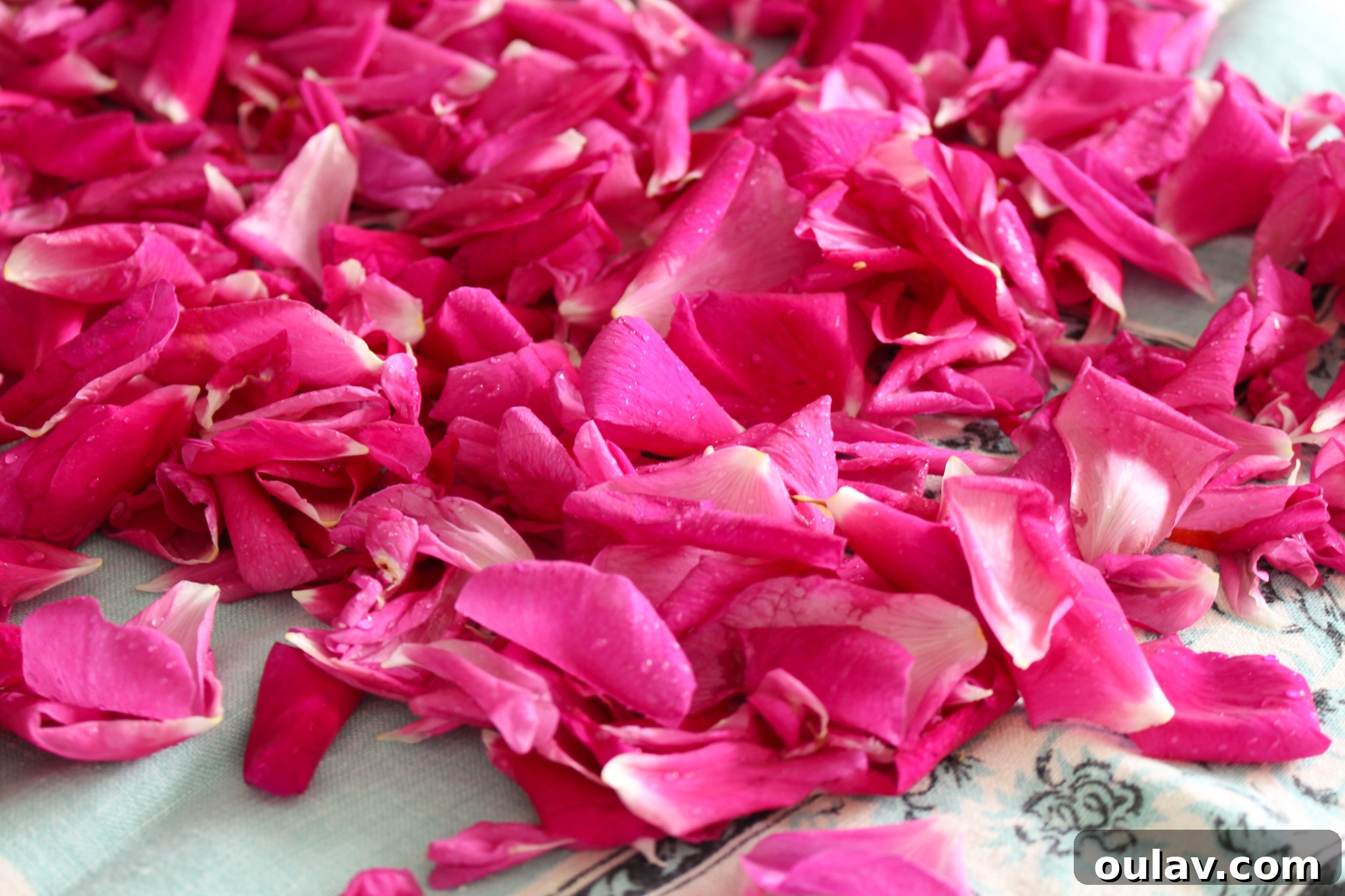
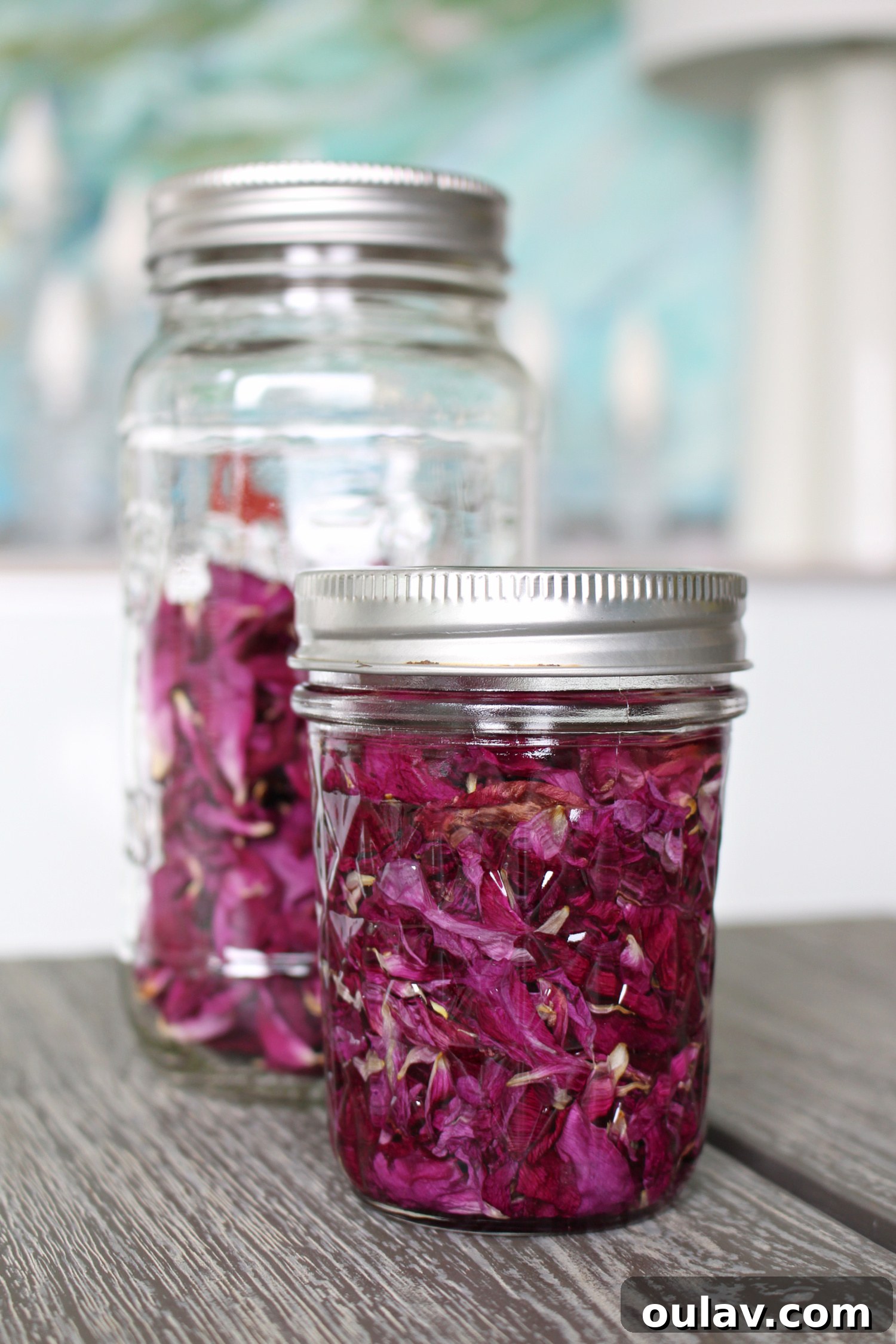
Remove rose petals and rinse thoroughly.
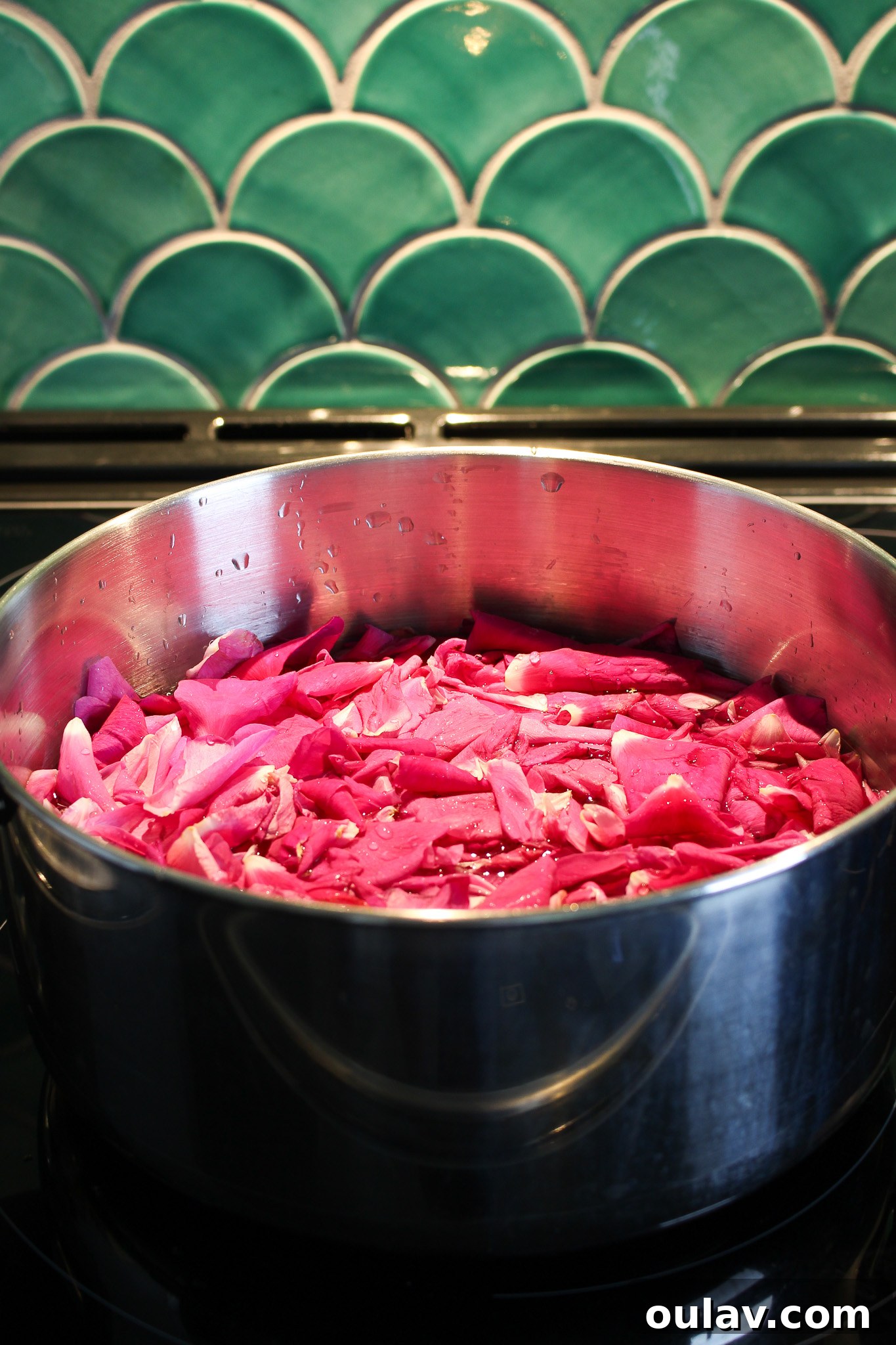
Cover rose petals with water and simmer gently for 20-40 minutes.
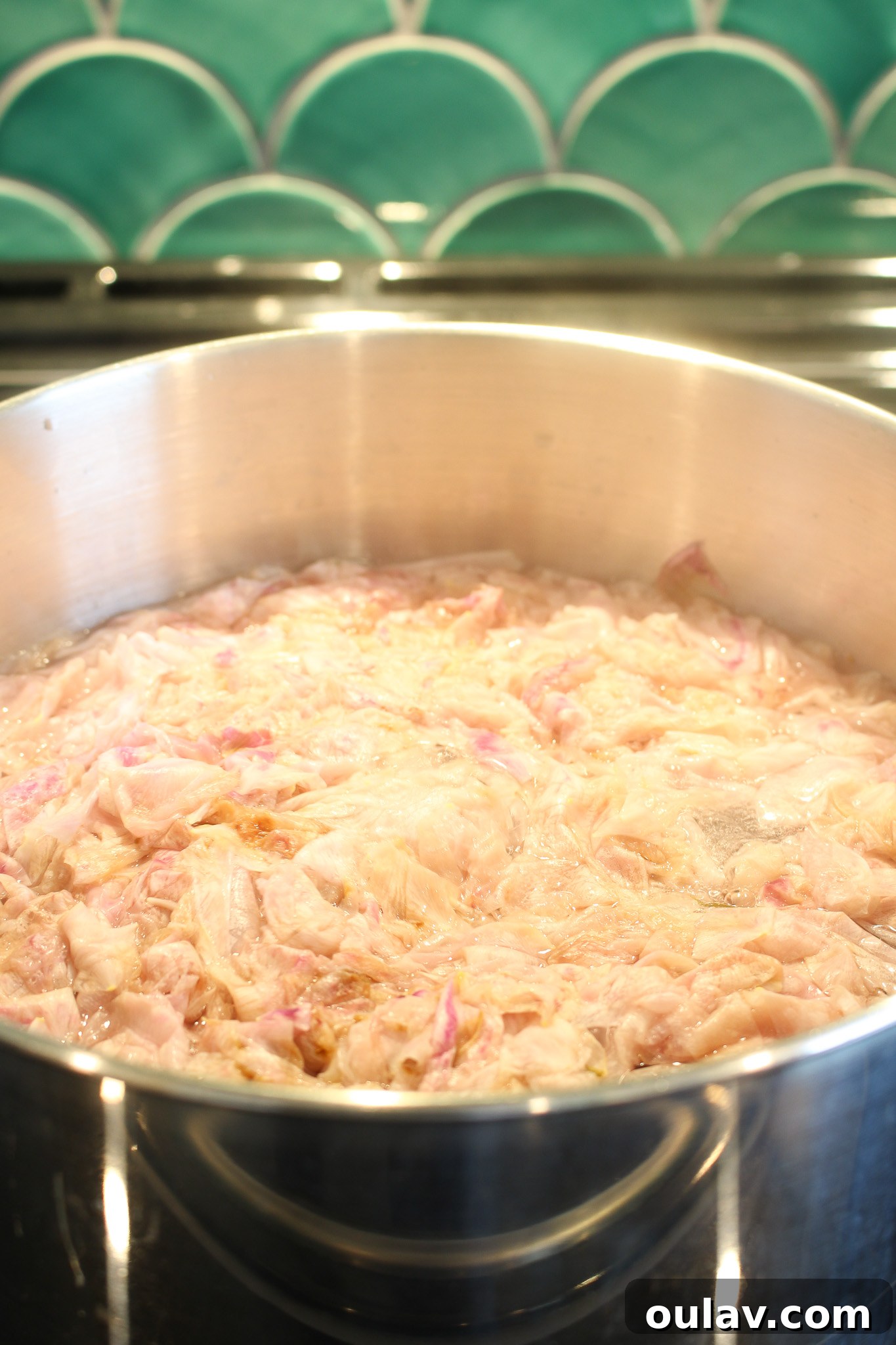
Once the petals have lost their color, remove from heat and strain.
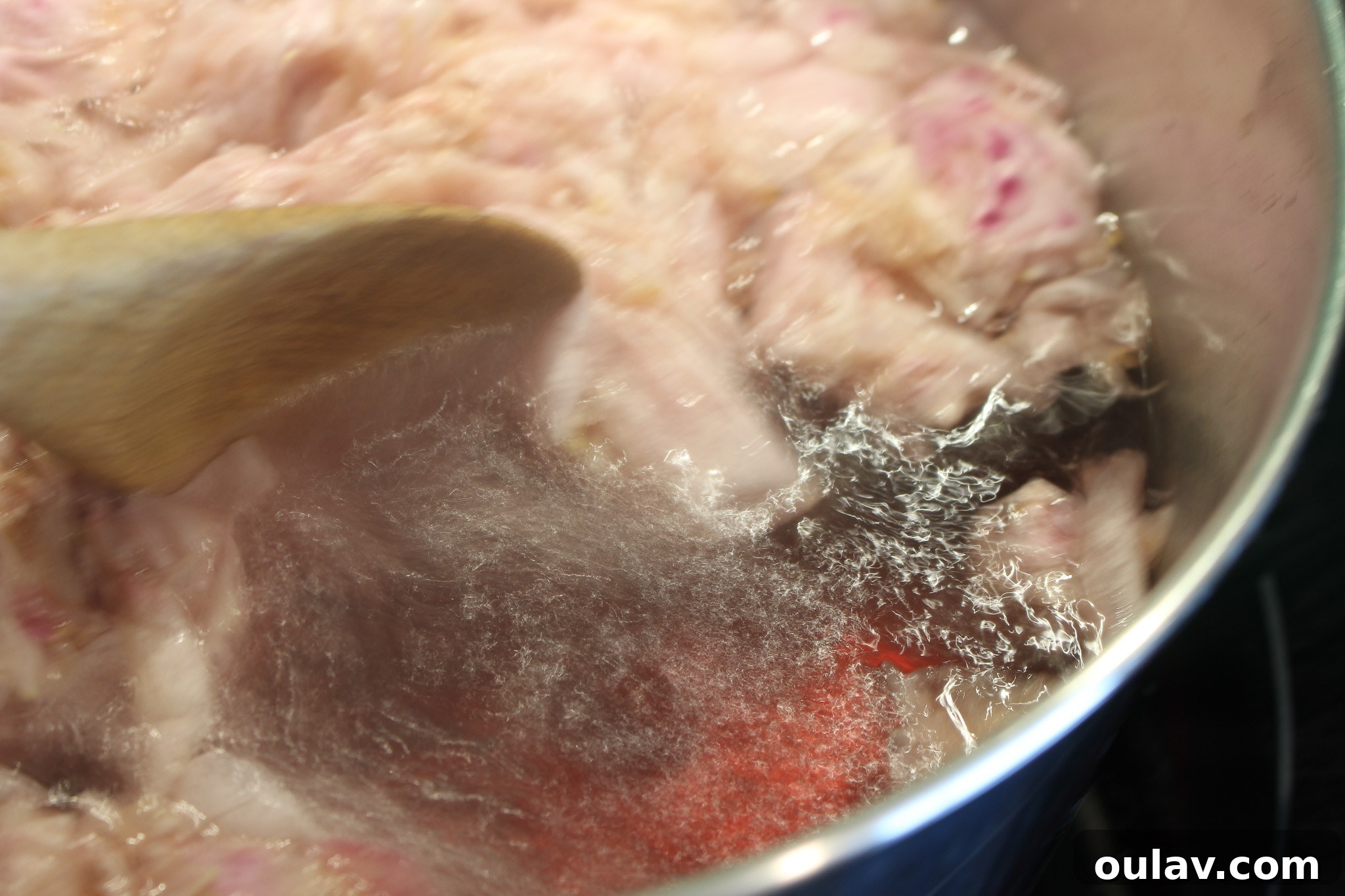
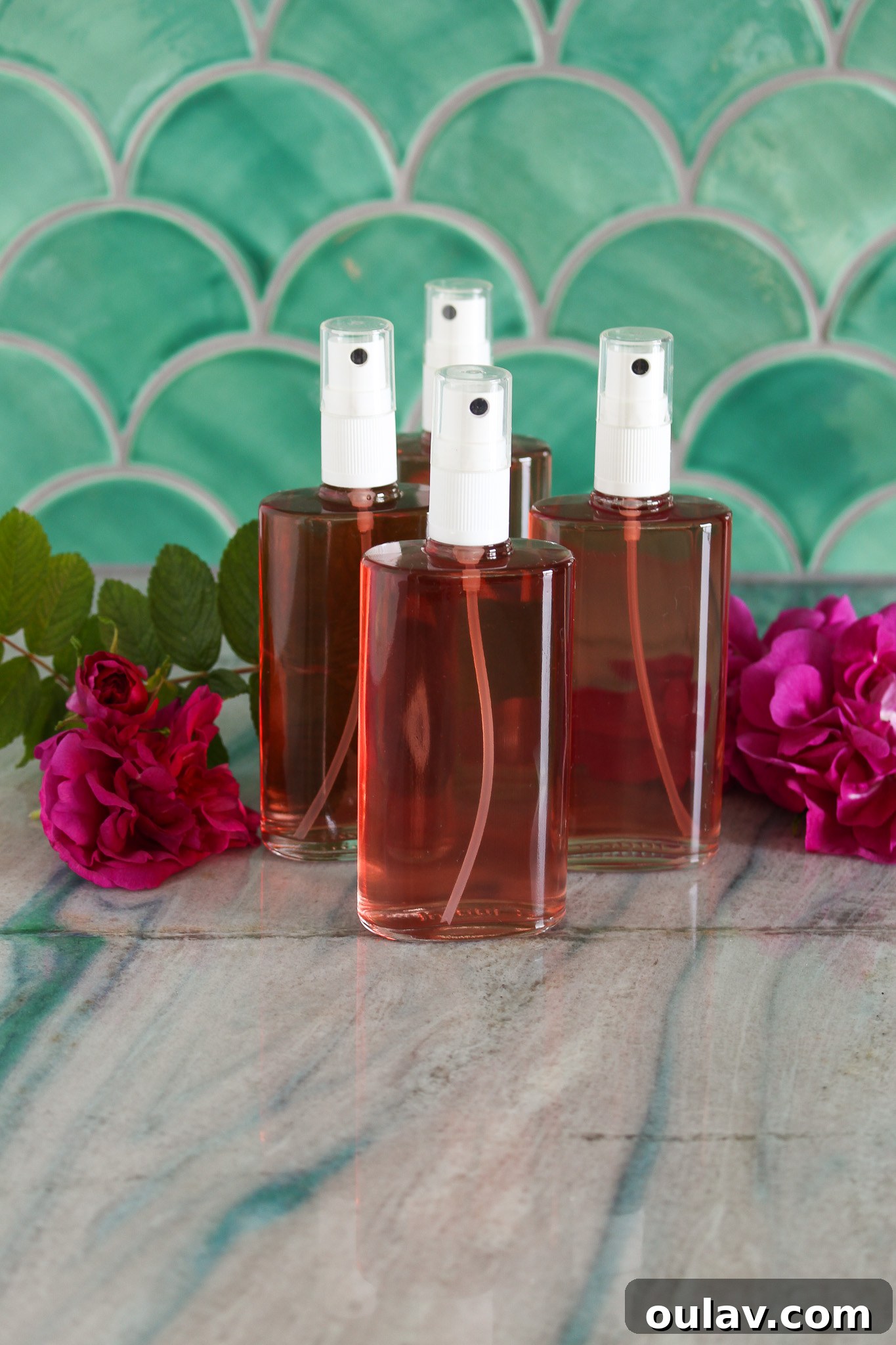
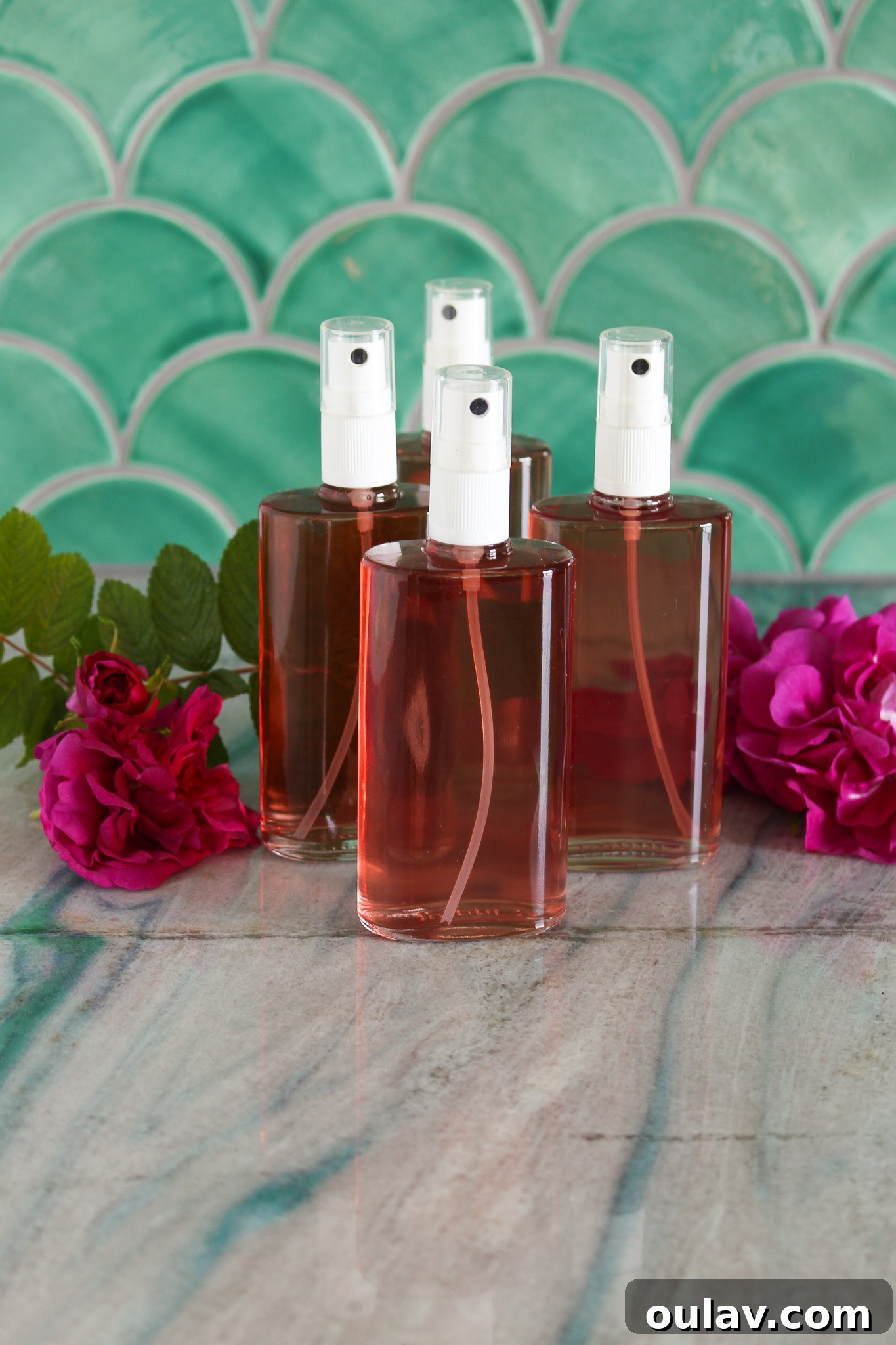
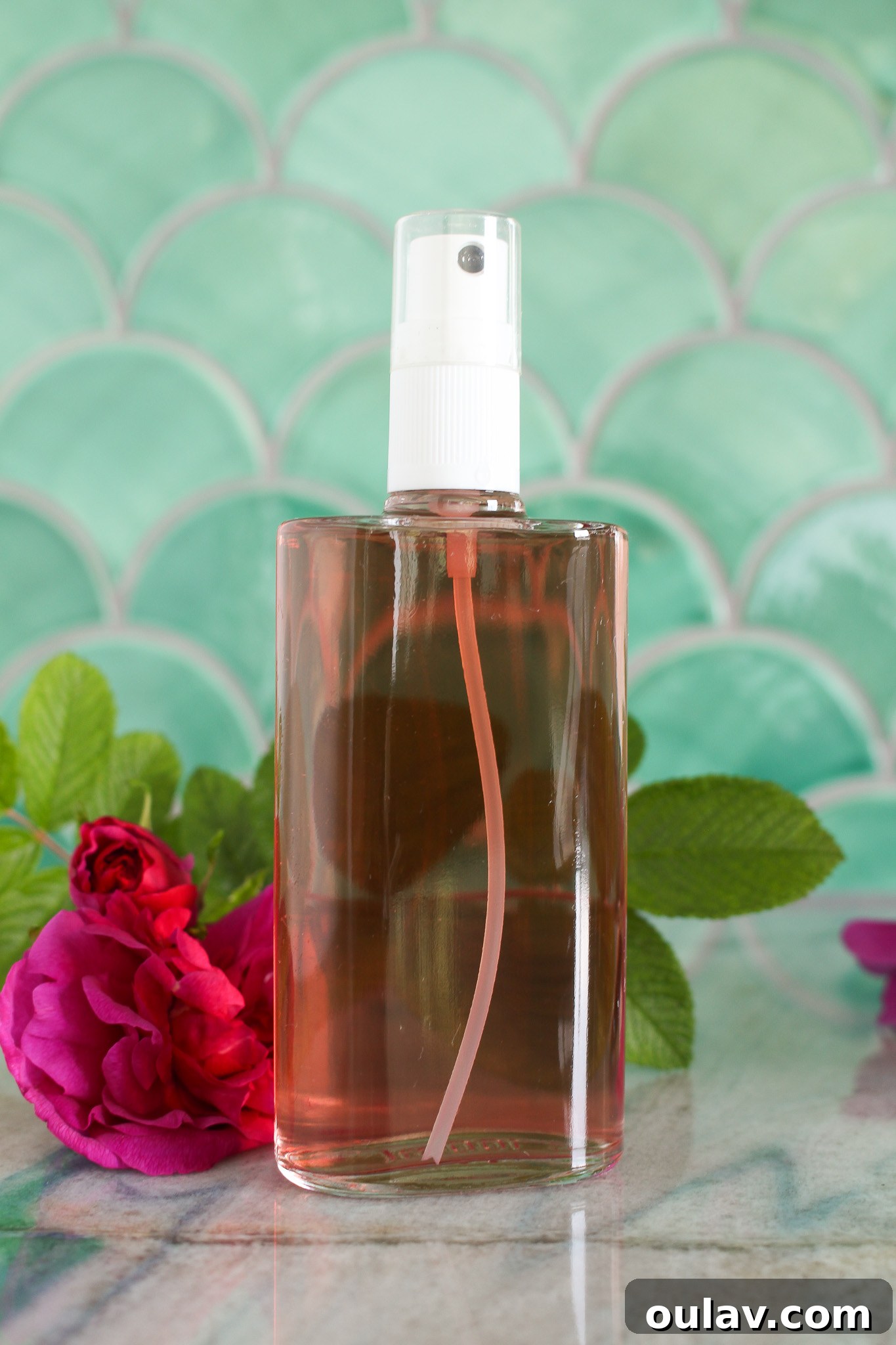
The resulting rose petal spray from my first attempt turned out to be an absolutely perfect, delicate shade of pink – a visual delight as much as a fragrant one! Continue reading to explore the myriad ways you can utilize your homemade rose water spray, delve into its remarkable benefits for skin and hair, and discover how to creatively incorporate this natural wonder into your favorite foods and drinks.
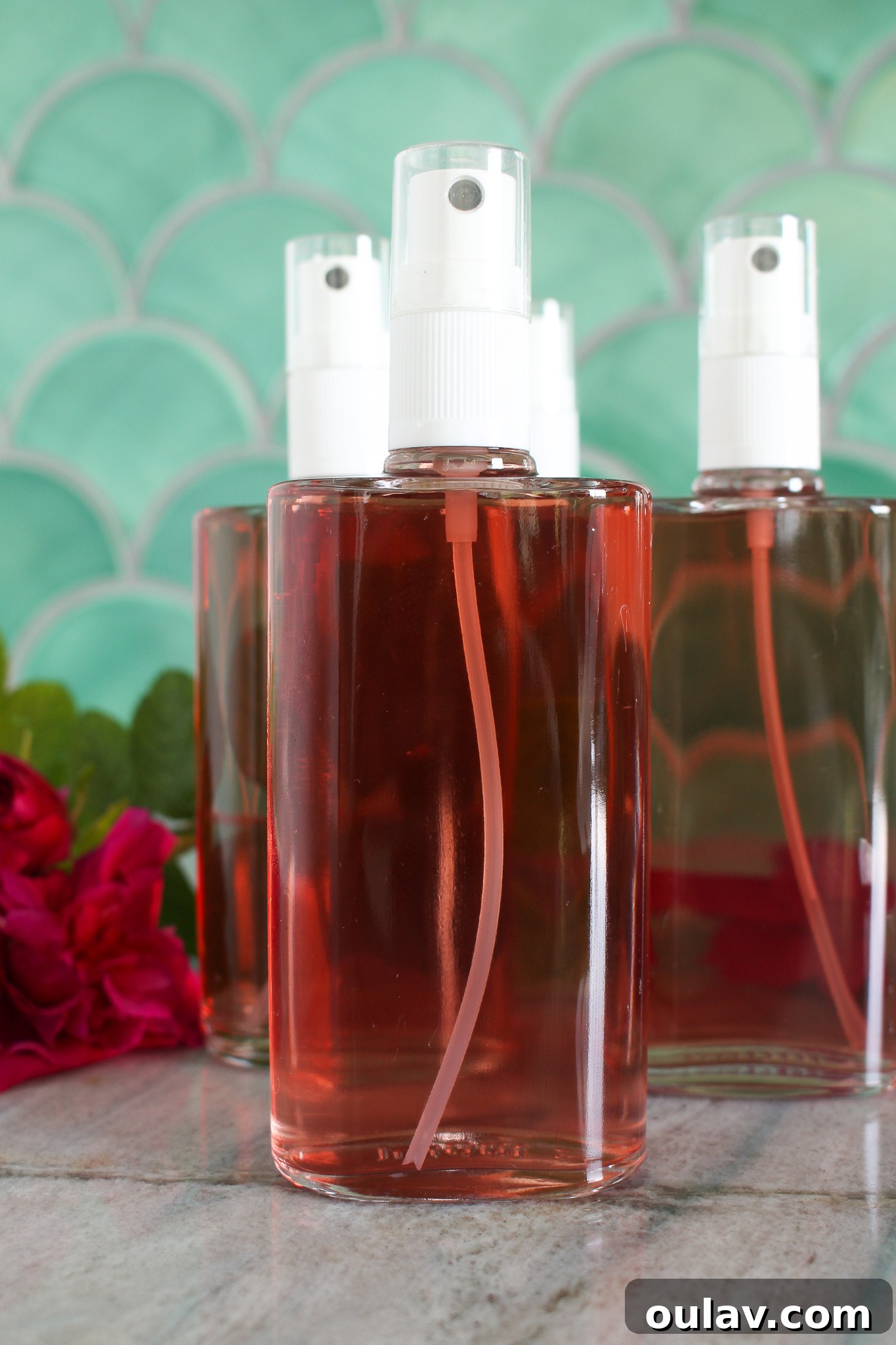
Beyond the Bottle: Diverse Uses of Your Homemade Rose Water
Once you’ve successfully crafted your simmered rose water, a world of possibilities opens up. This versatile elixir can be integrated into numerous aspects of your daily routine:
- Skin Toner: A natural, gentle toner that refreshes and balances your complexion.
- Refreshing Facial Spray: A quick mist to hydrate and revive your skin throughout the day.
- Scalp Spray: Soothes irritation and leaves your scalp feeling invigorated.
- Tea Additive: A subtle floral note to enhance your favorite tea blends.
- Recipe Flavor Enhancer: Imparts a unique, delicate taste to various dishes and desserts.
- Room Spray: A natural way to freshen your living spaces with an authentic rose scent.
- Pillow Spray: Spritz on your pillow for a calming, aromatherapy experience before sleep.
- Aromatherapy: Inhale its gentle fragrance for stress relief and mood elevation.
- Stress Relief: A moment of calm and sensory delight to ease tension.
For Radiant Skin: The Healing Properties of Rose Water
Is rose water good for skin? Absolutely! Rose water is celebrated for its impressive array of skin-benefiting properties. It possesses significant anti-inflammatory qualities, making it excellent for soothing skin irritation, calming redness, and reducing puffiness. For many, rose water can also offer relief and improvement for common skin conditions such as acne, eczema, and rosacea due to its gentle yet effective nature.
In my personal experience, while I didn’t observe a dramatic change in my long-standing rosacea or acne after weeks of application, I was genuinely amazed by its effect on an irritating rash on my wrist. In just two applications, the painful and itchy rash, which nothing else had alleviated, completely cleared up. This remarkable result is likely attributed to rose water’s inherent antibacterial and antiseptic properties. Furthermore, I noticed that the rose spray helped manage summertime oily skin and left my complexion feeling consistently refreshed after each use.
Is Rose Water a Toner? Yes, rose water makes an exceptional natural skin toner. It’s widely recognized for its ability to help balance the skin’s pH, which is crucial for maintaining a healthy skin barrier and preventing issues like dryness or excessive oiliness.
When to Apply Rose Water? For optimal benefits, integrate rose water into your skincare routine after cleansing your face and before applying any serums or moisturizers. Allow it to fully air dry on your skin before moving on to the subsequent steps of your regimen. This ensures maximum absorption and efficacy.
Before incorporating rose water into your regular routine, always perform a small patch test on a discreet area of skin to check for any sensitivities. Naturally, avoid use if you have a known allergy to roses. If you suffer from severe skin problems or conditions, it is always advisable to consult with a dermatologist prior to using any new topical treatment.
How to Use Rose Water on Your Skin Effectively:
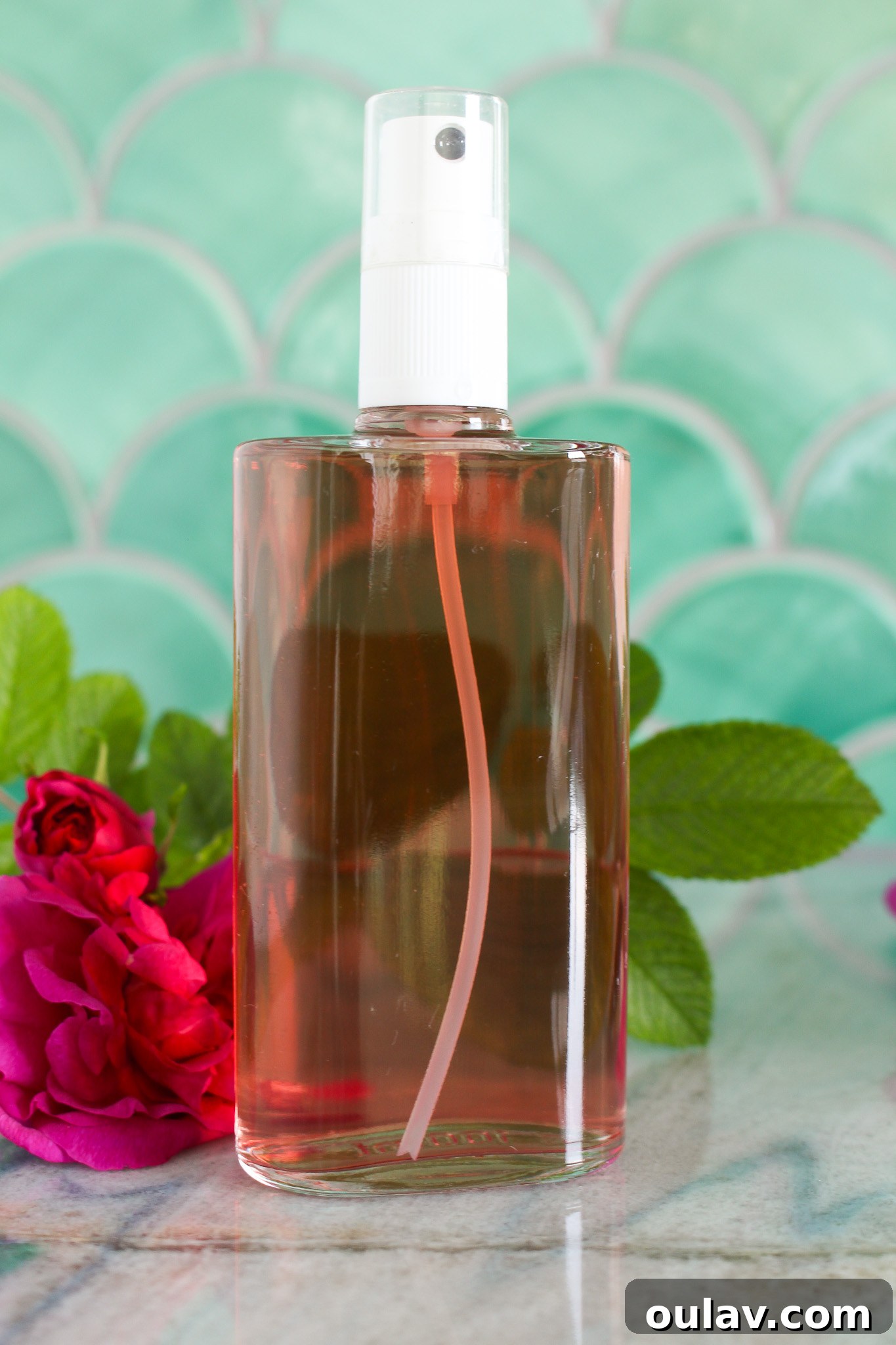
If you’ve decanted your rose water into a convenient spray bottle, hold it approximately 6 inches away from your skin. Apply a few gentle sprays, allowing the fine mist to settle and absorb naturally. You can reapply as needed throughout the day for an extra boost of hydration or refreshment. Be mindful not to drench your face, as this can lead to the product beading off rather than sinking into your skin. Rose water can be sprayed on your face, neck, décolletage, limbs, or any other external skin area that could benefit from its soothing properties.
Alternatively, if you prefer using a cotton ball or pad, ensure you use a generous amount of rose water. The cotton should be thoroughly saturated so that it glides smoothly over your skin without any dragging or pulling, which can be harsh on delicate facial skin.
For Healthy Hair: Rose Water’s Benefits for Your Tresses and Scalp
Is rose water good for hair? Absolutely! Rose water is not only beneficial for skin but also offers fantastic conditioning properties for your hair and scalp. Just as it soothes facial irritation, it can effectively calm an irritated or itchy scalp. I personally integrated this rose water spray into my summer hair routine, spritzing it onto my scalp and through my hair. The result was a consistently refreshed scalp and notably smoother, softer hair.
Furthermore, there’s growing interest in rose water’s potential to promote hair growth. I’m keen to observe my ‘baby hairs’ in the coming months and will certainly share any findings regarding this exciting prospect!

Culinary Delights: Is Rose Water Edible?
As highlighted, rose water boasts a wealth of beneficial properties for external use. But its versatility doesn’t stop there – rose water is indeed edible and can add a unique, sophisticated flavor to your culinary creations! The simplest way to consume it is by making a refreshing rose water drink.
After bottling some of my rose water for personal care, I stored the remainder in a large canning jar and experimented by adding it to a fruity iced tea, transforming it into a delightful summer beverage. While I found the taste of plain rose water to be quite distinct on its own, when blended into the tea infusion, its flavor became beautifully subtle and incredibly refreshing. You can also ingeniously incorporate rose water into any recipe that calls for regular water, infusing your favorite dishes with a delicate, aromatic rose note that will surprise and enchant your taste buds.

Unleashing Flavor: How to Cook with Rose Water
Rose water is a staple in many Middle Eastern, Indian, and Mediterranean cuisines, particularly in desserts, but its application extends far beyond. You’ll discover numerous recipes specifically featuring rose water, but don’t hesitate to experiment! It can be a fantastic substitute for a portion of the liquid in almost any recipe where water or a light liquid is required. Think about adding a dash to fruit salads, yogurts, lemonades, or even subtle savory dishes like rice puddings or chicken tagines for an unexpected aromatic twist. This excellent article on Epicurious provides further inspiration for cooking with rose water. I plan to delve deeper into culinary experimentation next summer when I can produce more batches, and I’ll be sure to share some of my favorite recipes with you then!
The Scent of True Roses: What to Expect from Your DIY Creation
Does homemade rose water truly smell like roses? The answer is a resounding YES! Years ago, I attempted to make rose petal-infused oils for homemade lip and skin balms. To my disappointment, the subtle fragrance of the rose petals was completely overshadowed by the aroma of the carrier oil, resulting in balms that lacked that authentic, delicious rose scent. This DIY rose petal water, however, is a completely different story. It captures the true, unadulterated essence of fresh roses. The aroma is nothing short of amazing, offering a pure, natural fragrance that elevates the entire experience.
Commercial Rose Water vs. Homemade: A Quick Look
If the myriad benefits of rose water—from its skin-healing properties to its unique flavor—intrigue you but you prefer not to embark on a DIY project, fear not! High-quality rose water is readily available for purchase online and in specialty stores. You’ll find versions specifically formulated for cooking, like this popular option, and others tailored for use as a facial spray, such as this refreshing mist. Store-bought rose waters are often produced using a distillation method, which typically yields a more concentrated and longer-lasting product compared to the home simmering technique. You might also encounter rose water sprays that incorporate additional beneficial ingredients, such as the Fresh Rose Hydration Pore-Minimizing Mist, which combines rose water with Damask Rose Extract for enhanced skincare benefits. Understanding these options can help you choose the best rose water for your needs.
Frequently Asked Questions About Rose Water
How long does homemade rose water last?
When stored in the refrigerator, homemade rose water typically lasts for up to 4 weeks. Adding a natural preservative like vodka can help extend its shelf life slightly. Always discard if you notice any changes in smell, color, or the appearance of mold.
Can I use any type of rose petals?
It is crucial to use pesticide-free and ideally food-grade rose petals. Roses from florists often contain chemicals not safe for skin or ingestion. Opt for organic garden roses or those specifically sold as food-safe.
What’s the difference between rose water and rose essential oil?
Rose water is a hydrosol, a byproduct of the essential oil distillation process (or made via simmering as in this recipe). It’s much milder and can be applied directly to the skin or ingested. Rose essential oil is highly concentrated and potent, requiring dilution before use, and is generally not recommended for internal consumption without expert guidance.
Can rose water replace my regular moisturizer?
While rose water is hydrating and refreshing, it generally does not provide sufficient moisturizing properties to replace a dedicated facial moisturizer, especially for dry skin types. It’s best used as a toner or hydrating mist before your moisturizer.
Is homemade rose water as effective as store-bought?
Homemade rose water, especially when made from fresh, high-quality petals, is highly effective and retains many beneficial properties. Store-bought versions, often distilled, can be more concentrated and have a longer shelf life due to different production methods and sometimes added preservatives. Both have their merits depending on your preferences and needs.
Don’t Forget to Pin This Guide for Next Summer!
Embrace the simplicity and beauty of nature by making your own rose water. It’s a rewarding project that promises freshness, purity, and a touch of luxury in your everyday routine. Pin this comprehensive guide so you can revisit it easily next season when your rose bushes are in full bloom!