
Discovering the Majestic Komondor: Our Decade with a Hungarian Sheepdog Companion
For many, the idea of us bringing a dog into our lives, especially given my severe allergies to most breeds, might come as quite a surprise. However, my husband and I are thrilled to introduce you to the newest, and now long-standing, member of our family: a Komondor! This magnificent Hungarian sheepdog, named Szuka (pronounced “Sooka”), has brought an unparalleled joy and unique dynamic to our home. Over the past decade, we’ve watched our sweet Komondor puppy grow into a beautiful, loyal, and somewhat mischievous adult, and she has truly been the best dog we could have ever asked for. This article shares our comprehensive experience, offering insights into what it’s truly like to raise a Komondor puppy and live with this remarkable breed.
Komondor Puppies: An Adorable Introduction to a Majestic Breed
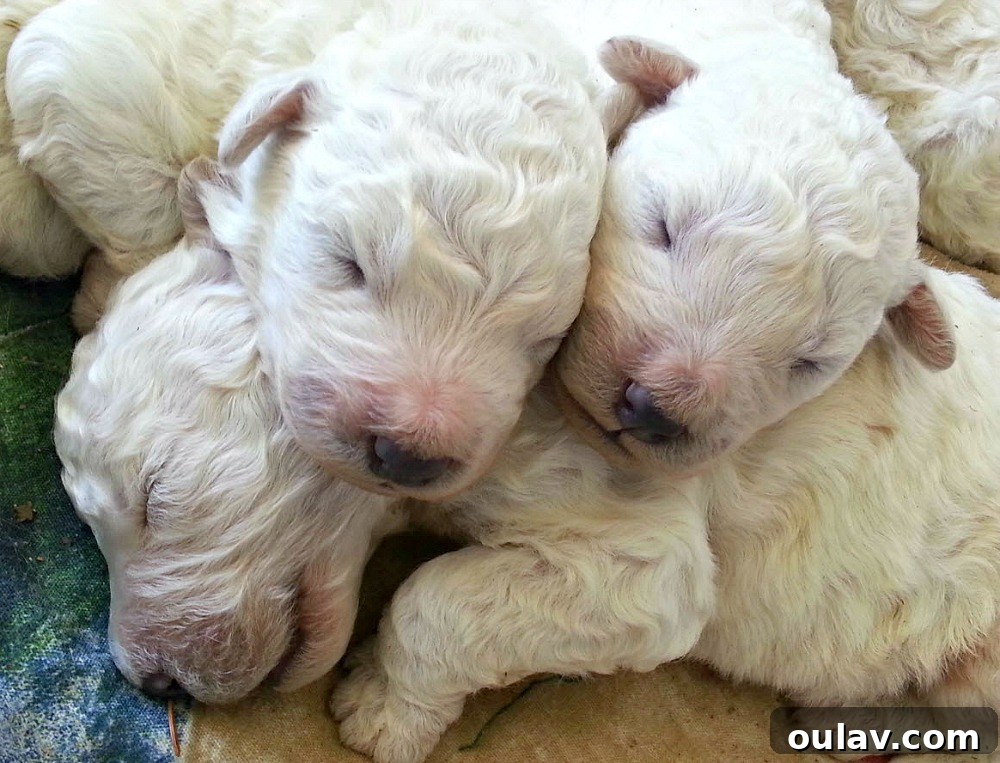
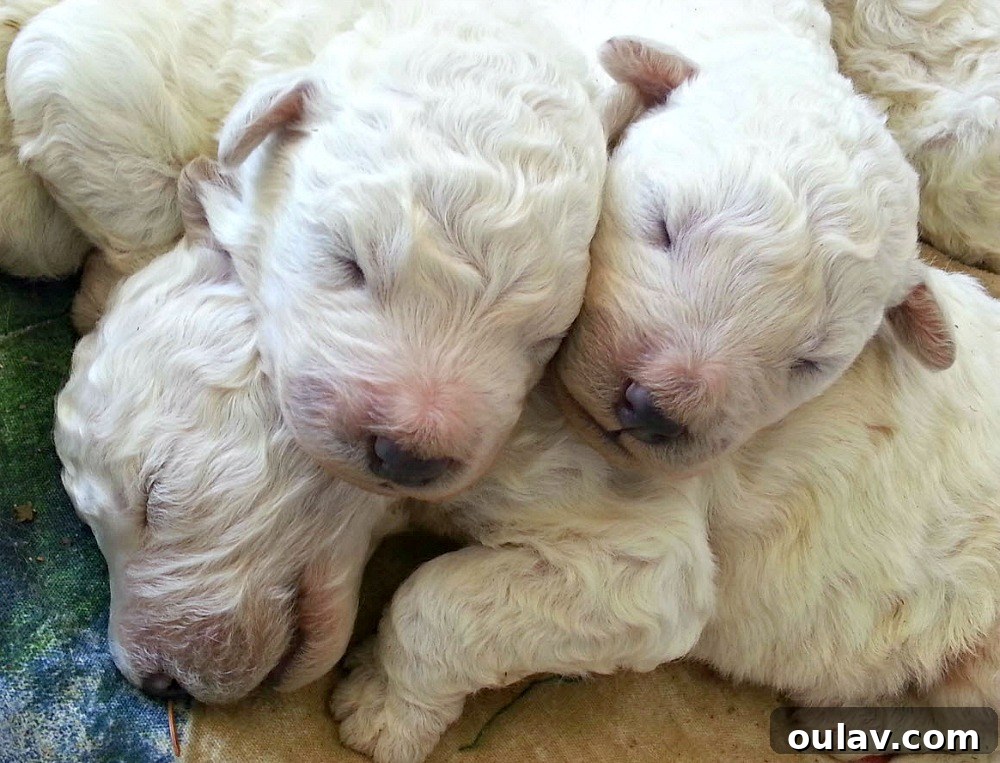
When you first encounter a Komondor puppy, you might do a double-take. With their dark brown eyes, big black noses, and fluffy, curly white coats, they bear a striking resemblance to little lambs. Our Komondor, Szuka, was already four months old when she joined our family. At that stage, she weighed a robust 36 pounds, which often surprises people who expect puppies to be tiny! Indeed, a four-month-old Komondor puppy can often be mistaken for a full-grown doodle due to their impressive size. We affectionately refer to these earlier photos as her “itty-bitty” stage, even though it was already quite substantial. We were fortunate to acquire Szuka from a wonderful couple who run a beautiful farm and breed these magnificent dogs, known in Hungarian as “Komondorok.” Their dedication to the breed gave us a fantastic start with our new companion.
Understanding the Komondor Dog: History, Size, and Unique Appearance
The Komondor is an ancient and distinguished Hungarian sheep-guarding breed, renowned for its protective instincts and formidable presence. Bred over centuries to watch over and protect flocks from predators, these dogs possess a unique combination of strength, intelligence, and an incredibly distinctive appearance. Adult Komondors are large, powerful dogs, typically weighing between 90 to 130 pounds or more. Szuka, for instance, grew to a healthy 114 pounds over her ten years with us, embodying the impressive stature of her breed. They are known for their striking height, often described as “leggy,” and their most iconic feature: a long, dense white coat that naturally mats into unique cords.
This remarkable corded coat isn’t merely for show; it serves several crucial purposes for a working Komondor. Its texture and color allow the dog to blend seamlessly with a flock of sheep, making it difficult for predators to spot them. More importantly, the thick, heavy cords provide exceptional protection against attacks from wolves, bears, and other threats in the wild. A fully corded coat can weigh a surprising 15 pounds, offering an almost impenetrable armor. While some Komondor owners meticulously maintain this traditional corded coat, we opted to keep Szuka clipped in a more manageable “puppy cut” for her comfort as an indoor pet, a topic we’ll delve into further in the grooming section.
Why a Komondor? Our Personal Journey to Choosing This Unique Breed
Our decision to welcome a Komondor puppy into our home was driven by a blend of personal heritage, practical considerations, and undeniable adoration for these fluffy giants. As someone who is half Hungarian, I’ve always been captivated by Hungarian dog breeds. I fondly remember my great aunt and uncle owning a delightful Hungarian Puli/Pumi mix during my childhood – a truly entertaining and smart dog. The thought of having a dog with roots in my own ancestry was always appealing.
However, the most significant factor was my severe allergies to most dog breeds. For years, this put a damper on my dream of dog ownership. The glimmer of hope appeared when I learned that Komondor puppies are often considered hypoallergenic. This sparked years of discussion between my husband and me about eventually getting one, patiently waiting until we had a large enough property to accommodate such a robust breed. Our recent move to a rural lake house provided the perfect environment, and having Szuka around has not only fulfilled a long-held dream but also brought an added sense of security in the country. And, let’s be honest, who could resist the overwhelming cuteness of Komondor puppies? Their charming appearance alone is enough to win anyone over!
Komondor Growth and Development: Managing a Large Puppy
One of the first things prospective Komondor owners realize is just how quickly these puppies grow into impressive adults. While male Komondor dogs can easily exceed 130 pounds, the healthy weight range for females is often cited between 80-100 pounds across various sources. Our Szuka surpassed even that, growing to a substantial 114 pounds! Interestingly, we observed her putting on extra weight after we introduced another dog to the family – perhaps a natural instinct to maintain energy levels and keep up with her new companion. Her relatives are indeed a beefy lot, showing the breed’s natural robust build.
We were fortunate to adopt Szuka at four months old, a stage where she was already quite large, enabling us to immediately treat her like the big dog she was destined to become. This approach was crucial for us. Had we acquired her as a tiny, “itty-bitty” pup, I confess I might not have resisted the urge to spoil her with lap snuggles or allowing her to sleep on our bed – habits that would undoubtedly become challenging once she reached her full, imposing size. Raising a Komondor means being prepared for a significant canine presence in your home, and establishing expectations early on is key to harmonious living.
A Decade with Szuka: Reflections and Frequently Asked Questions
It’s truly incredible to reflect on a decade of having Szuka by our side. She has been an absolutely cherished companion, and my love for her only deepens with each passing year. Having learned so much about the beautiful Komondor breed through our firsthand experience, I wanted to address some of the most frequently asked questions from those considering or curious about raising a Komondor puppy and living with an adult Komondor dog.
Are Komondor Dogs Easy to Train? Navigating Intelligence and Independence
In our experience, our Komondor, Szuka, proved to be remarkably intelligent and relatively easy to train in many aspects. She grasped new tricks with astonishing speed, often learning a command in just one or two tries, and was housebroken almost immediately. This intelligence, however, comes hand-in-hand with a profound sense of independence – a trait deeply ingrained in the Komondor breed over centuries of selective breeding. As livestock guardians, they were required to make critical decisions independently, often without human direction, to protect their flocks. This inherent stubbornness is definitely a prominent part of Szuka’s personality.
While she undeniably knows what to do and what is expected of her, there are times when her wilfulness shines through, particularly concerning her recall (coming when called) and her vigilant protection of our property. Despite these occasional displays of independence, we consider her a very good dog overall. Obedience training was not just an option but a necessity for Szuka, and we diligently worked with her using consistent, positive reinforcement methods. As a direct result of this dedication, she is remarkably well-behaved: she is never destructive, can be left alone in the house without worry, and listens to our commands approximately seven out of ten times – which, for a Komondor, is quite impressive!
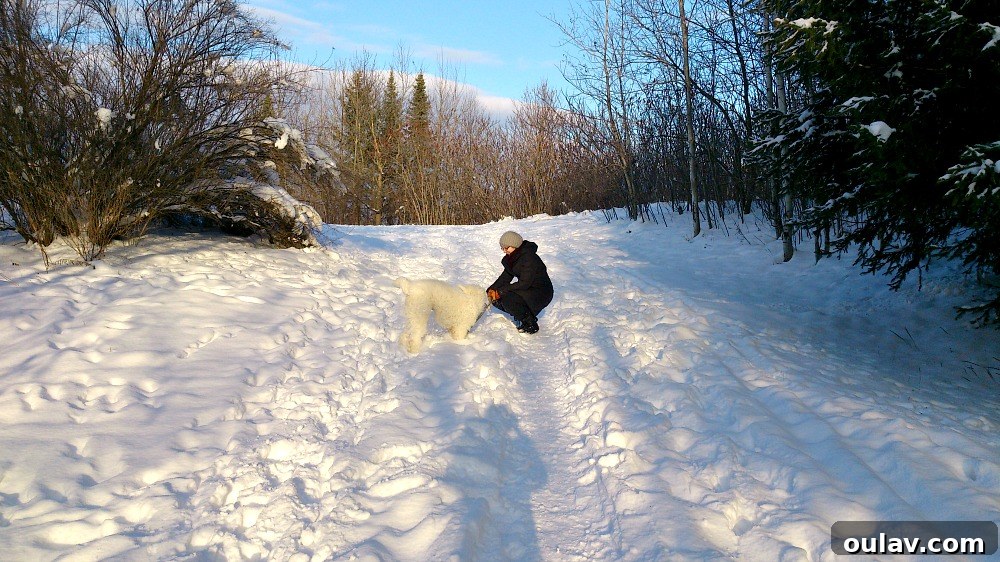
There was a period when our neighborhood was very isolated, allowing us the luxury of having her off-leash in our yard, even without a fence. However, as the area became more populated, we’ve had to adapt and keep her on a leash, even within our property boundaries. Now older and dealing with arthritis, her slower pace aligns well with the need for a leash, and she doesn’t seem to mind. In fact, she often seems to enjoy being right by my side, whether we’re on our property or out for a walk. I do, however, miss the days when she could run freely and wish we could fence our entire property for her – though that would be a significant challenge given our yard’s hills, trees, and lake access.
Is a Komondor a Good Pet for Your Family? Pros and Cons
A Komondor can indeed make a wonderful pet, but it’s crucial to understand the unique characteristics of this beautiful breed before bringing one into your home. When we initially contacted breeders, we appreciated how carefully they matched the specific traits of their Komondor puppies with potential homes. In our case, we weren’t seeking a traditional livestock guardian, so the breeder thoughtfully selected Szuka for us because she wasn’t deemed a candidate destined for success in a working guardian role. While I’m not a breeder myself, it seems, much like all working dog breeds, some puppies naturally exhibit stronger working instincts than others.
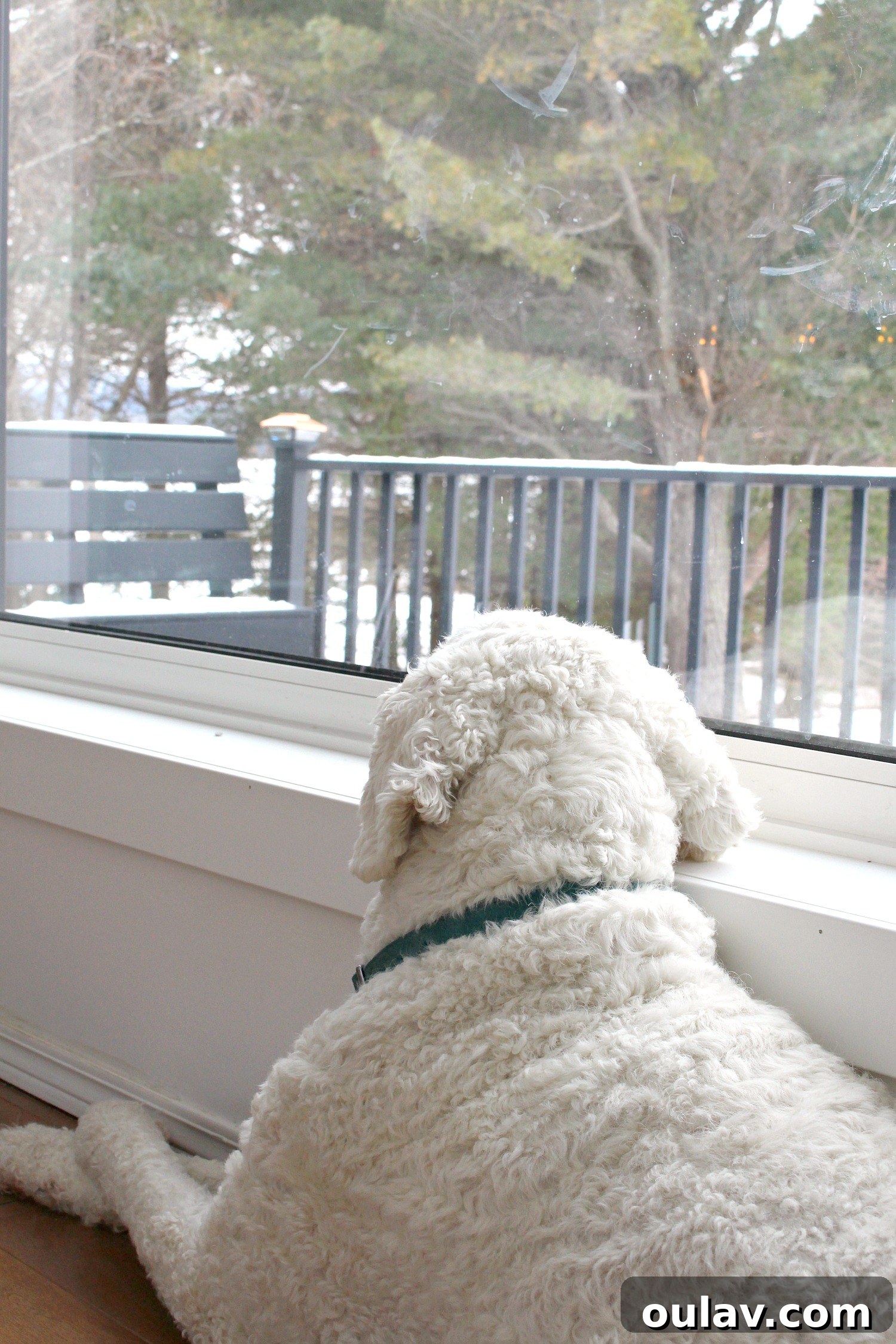
Despite not being a “working” Komondor, Szuka is exceptionally watchful and protective of our home and family, instinctively positioning herself to maintain a good vantage point over us. Yet, she is also incredibly sweet and absolutely adores snuggles and “puppy massages.” This duality is a hallmark of the breed. However, one notable challenge is her wariness of strangers. Despite our diligent efforts to socialize her extensively as a puppy, she simply doesn’t appreciate new people entering our home. She demands the opportunity to thoroughly inspect and acclimate to newcomers before they can comfortably move about the house. Another significant trait is her tendency to bark quite often, throughout both the day and night. Much to my dismay, the sound of snow sliding off our roof in winter often triggers her alarm, leading to long nights of barking as she believes someone is breaking in. While she has learned what “it’s just the snow on the roof” means and will eventually stop, it’s often too late for my sleep cycle!
Is a Komondor a Good First Dog? Crucial Considerations for New Owners
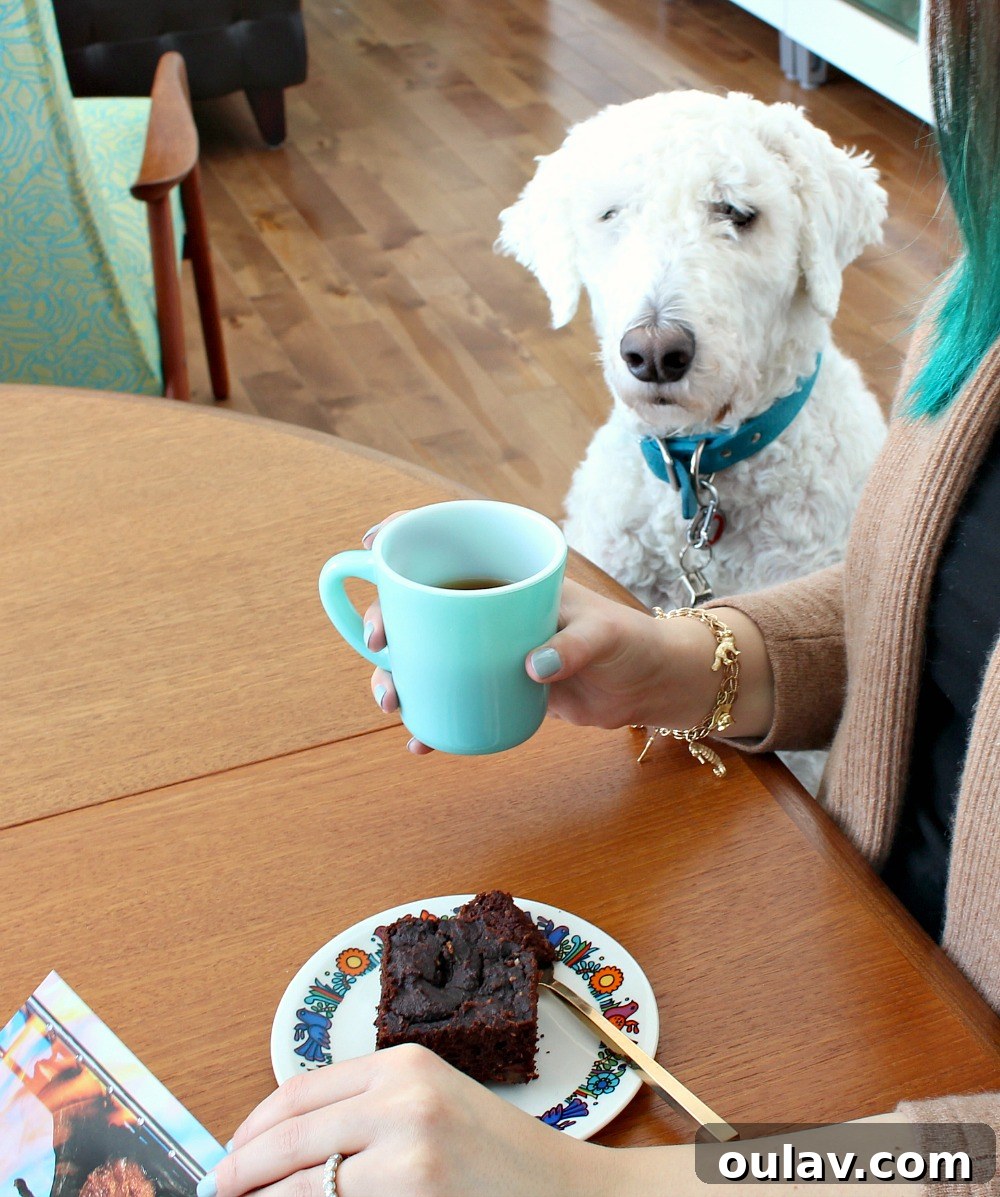
For potential owners, especially those new to large or guardian breeds, it’s essential to carefully consider if a Komondor is the right fit. While Szuka was only my second dog, my husband had extensive experience raising many large dogs. Even so, we embarked on this journey knowing we needed to invest considerable time in research and training. Szuka has also benefited from having me predominantly working from home, meaning she has rarely been left alone for extended periods.
Komondors possess a strong will and, if not properly raised and socialized, can develop stubborn or even aggressive tendencies. Their immense size and strength mean that in the wrong environment, they can be highly destructive. Furthermore, due to their unique needs and reputation, Komondors can be challenging to re-home, which underscores the importance of making an informed, long-term commitment. Their temperament is not suited for everyone; raising a Komondor puppy requires immense patience, consistency, and a firm, confident hand. We cannot stress enough the importance of working with a reputable breeder who understands the nuances of the breed and can help match you with a puppy whose temperament aligns with your household needs. It’s also vital to understand that not all Komondors are destined for livestock guarding roles – especially adult rescues who have lived as house pets, or vice versa. Never assume an adult Komondor accustomed to domestic life will seamlessly transition into a flock guardian, or that a working dog will be content as solely a house pet without proper conditioning.
Are Komondor Dogs Hypoallergenic? Our Personal Experience with Allergies
The term “hypoallergenic dog” is often debated among vets and groomers, who typically assert that no dog is truly 100% hypoallergenic. However, as someone with significant allergies to most dog breeds, my personal experience with Szuka offers a nuanced perspective. While many breeds like German Shepherds, Jack Russell Terriers, and Huskies trigger my allergies, adult Komondors, like Szuka, surprisingly do not. This was a tremendous relief, as I also react positively to Bichons, Poodles, and Schnauzers.
It’s important to note that my journey wasn’t entirely smooth. When Szuka was a puppy, with her much fluffier coat, she *did* occasionally trigger my allergies. This was a source of considerable worry, making me fear a lifetime of allergy pills or even contemplating allergy shots, despite my aversion to needles. Thankfully, these allergic reactions largely subsided as she transitioned into adulthood and her fur texture changed. So, for me, Komondors, particularly as adults, are indeed hypoallergenic.
However, individual experiences can vary. My own mother, who also suffers from allergies, still finds herself struggling with allergic symptoms around Szuka. Therefore, if you are considering this unique breed and have allergies, it is absolutely paramount to spend time interacting with an adult Komondor before making a commitment. I recently saw a heart-breaking case on a Komondor rescue forum: a beautiful nine-month-old Komondor being re-homed due to allergies. I couldn’t help but wonder if that individual’s allergies might have, like mine, subsided closer to the one-year mark. Taking such a risk without prior interaction can lead to devastating outcomes for both the dog and the owner. Before we adopted Szuka, I was fortunate enough to spend several hours with an adult Komondor at a shelter and experienced no allergic reaction, which gave us the confidence to proceed. While we couldn’t adopt that particular dog as she found a perfect farm home, her presence reassured us greatly.

Komondor Coat Development: The Journey from Curly Fluff to Cords
One of the most distinctive features of the Komondor is its unique corded coat, often compared to dreadlocks. However, Komondor puppies are not born with these cords. Instead, they sport a soft, curly coat that remains fuzzy and curly throughout their first year. This puppy coat eventually begins to mat, and it’s at this stage that the mats need to be carefully separated and shaped into the distinctive cords. The appearance of these cords can vary significantly from one Komondor to another – some may have thinner cords, others thicker; some grow long enough to reach the ground, while others remain shorter. The ultimate look of the coat largely depends on how it is groomed and maintained.
Observing photos of Komondor puppies alongside their adult counterparts clearly illustrates this transformation. You’ll notice the puppies, like Szuka’s siblings and her mother (pictured below), typically have very short, curly, and fluffy hair. In contrast, the adult Komondors will show varying degrees of matting and cording. Szuka’s mother, for example, displayed natural matting that had begun to cord, though not in the meticulously shaped and impeccably groomed style often seen in dog shows. This natural progression highlights the specialized care required for a traditionally corded Komondor coat.
To Shave or Not to Shave: Our Approach to Komondor Grooming
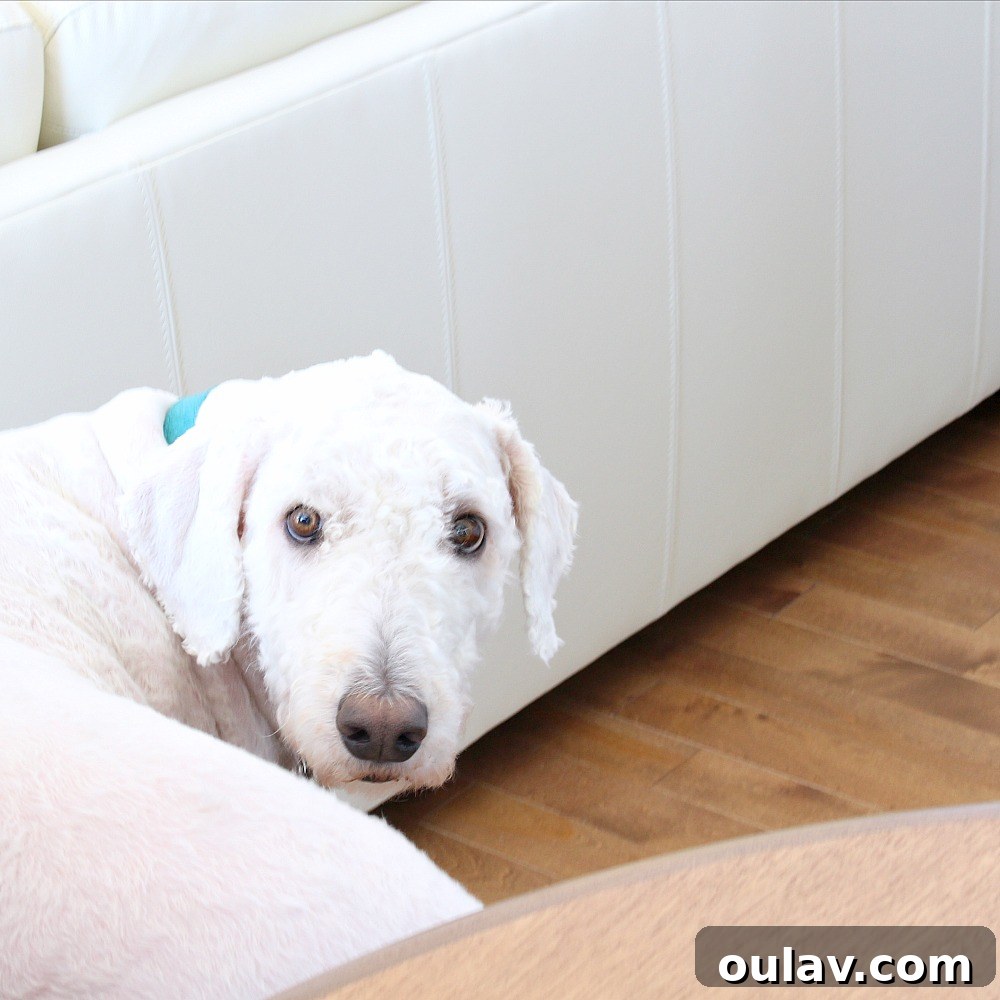
Among the Komondor community, our grooming choice might be considered unconventional, but we have consistently chosen to shave our Komondor, Szuka. When her puppy coat grew out, it was incredibly shaggy and adorable with its little tendrils, but it quickly became matted. We ultimately decided against embarking on the intensive and time-consuming process of cording her coat. So, with a touch of sadness, we bid farewell to her fluffy puppy coat and trimmed it down.
Initially, we struggled with brushing and managing the recurring mats, which led us to the decision to shave her down entirely every few months. While Szuka doesn’t particularly enjoy the shaving process itself, her post-shave behavior speaks volumes: she is invariably happier, more energetic, and significantly bouncier. The traditional Komondor coat serves a vital purpose for outdoor working dogs, protecting them from harsh elements and predators, and even helping to regulate their body temperature. However, for an indoor companion like Szuka, a “Komondor of leisure,” a corded coat proved to be less comfortable and more of a hindrance. We can tell when her coat is getting too long because she becomes lethargic, pants excessively, and generally appears miserable. Her appreciation for being shaved is evident in her renewed zest for life.
From our perspective, the benefits of shaving extend to us as owners too – it significantly reduces the effort required to keep her clean and well-groomed. We have never once regretted our decision. An interesting observation about Szuka’s skin and coat is how oily she can be. If you pet her for an extended period or if she rubs against dark upholstered furniture, she can leave behind a distinct silvery sheen. I often find myself needing to wash my hands after a thorough “puppy massage,” a stark contrast to our Bichon, who has very dry skin and fur.
Here’s a glimpse of her adorable Komondor puppy coat, just before its first big trim (she was incredibly cute then!):
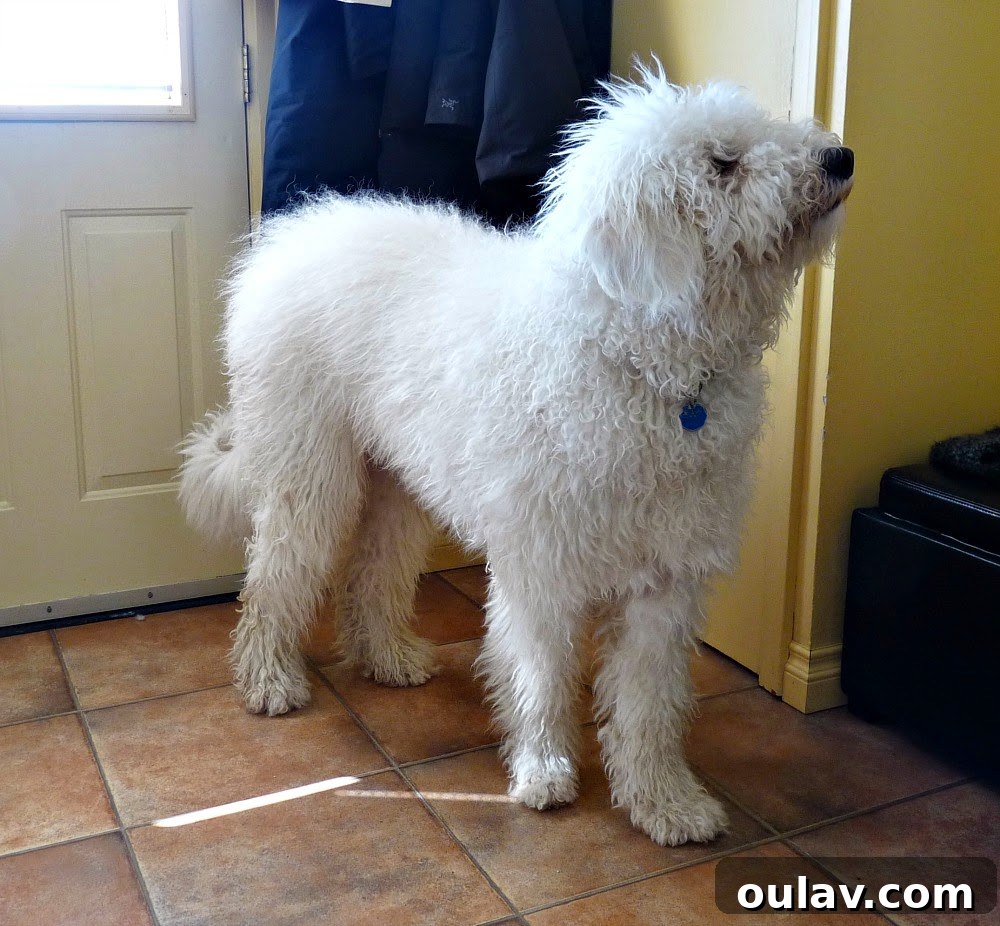
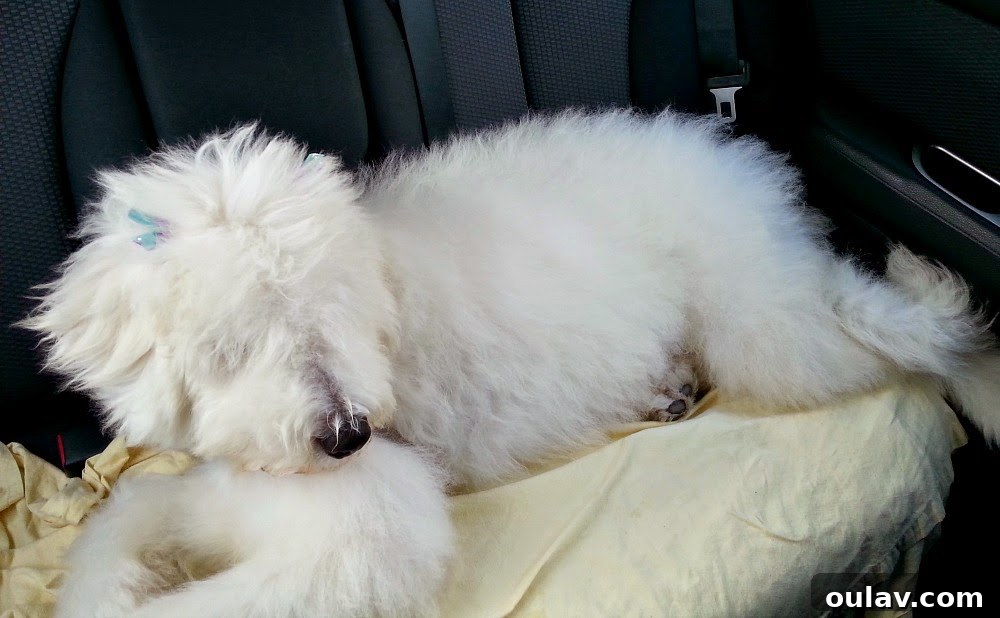
In her very early days, we once took her to a dog groomer for a complimentary bath. They brushed out her coat, which resulted in a truly comical look! Had we intended to cord her, I suspect this brushing would have fundamentally altered her coat’s structure and likely ruined its potential for proper cording, as the process requires very specific and careful handling. Despite her evident displeasure on that particular day, her patience and good behavior for the groomer were remarkable. While we love her shaved look, there’s no denying the charm of a brushed-out Komondor – it’s truly adorable!
Conclusion: A Decade of Unconditional Love and Learning
As I look back on the past ten years with Szuka, my heart swells with love and gratitude. She was an extraordinary puppy and has grown into a truly special dog who fills our lives with joy, protection, and endless laughter. Our journey with this unique Hungarian Komondor has been a profound learning experience, offering insights into the breed’s intelligence, independence, grooming needs, and how they integrate into a family home. For anyone considering welcoming a Komondor into their life, we hope our candid sharing of Szuka’s story provides valuable information and encourages thorough research. These majestic dogs are a commitment, but the rewards of their unconditional love and loyal companionship are immeasurable.