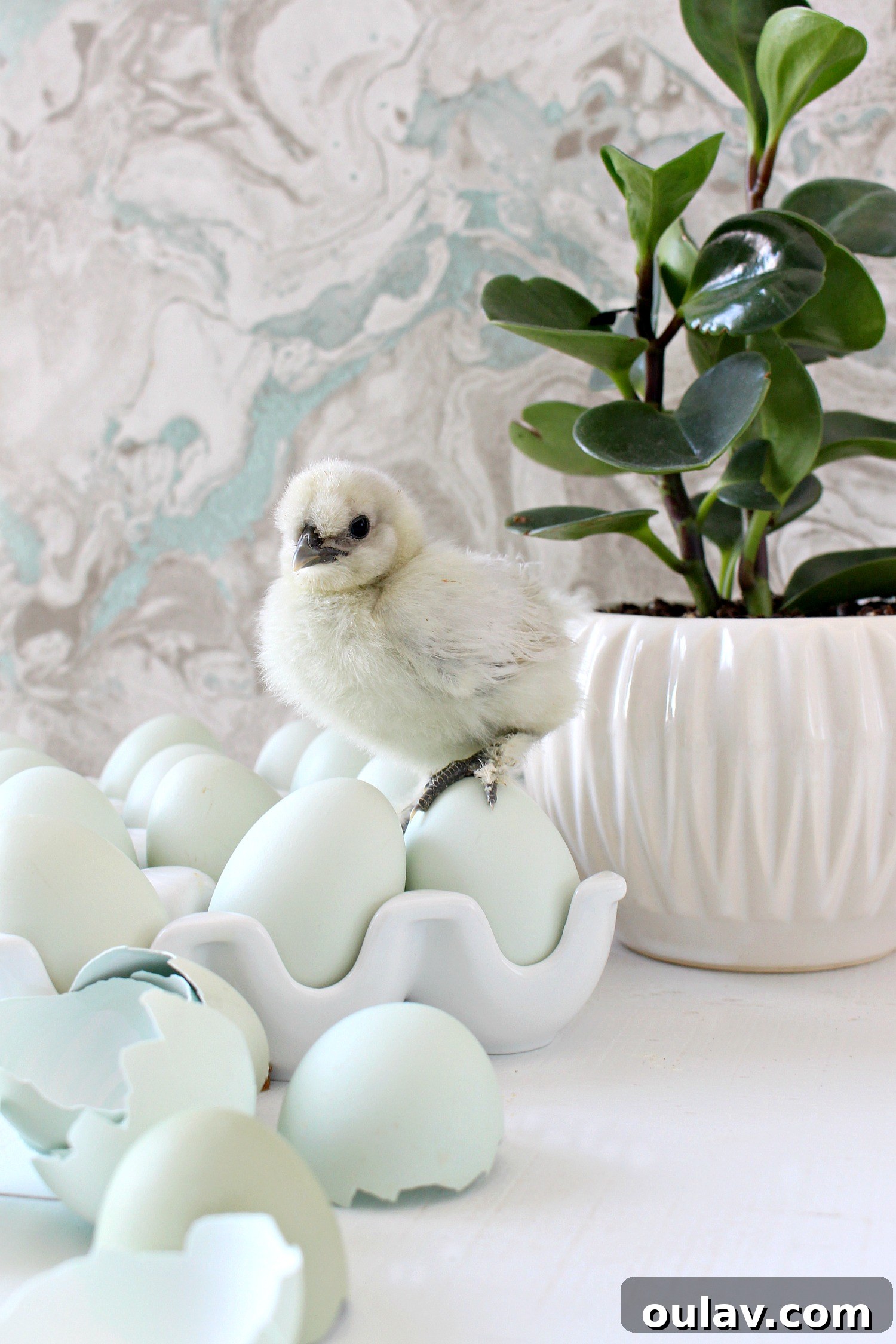
The overwhelming global demand for an extra dose of adorable fluffiness has led us back to the brooder! After sharing the initial round of baby chick photos on my blog and across social media, my Instagram DMs exploded with requests for even more of these charming little creatures. It seems everyone is seeking a delightful escape from the everyday, and what could be more perfect than a collection of the cutest, fluffiest baby chicks posing against vibrant, whimsical backdrops? I completely understand the sentiment – in these uncertain times, a little joy and softness can go a long way. So, consider this your much-needed reprieve: another heartwarming gallery of our newest feathered family members.
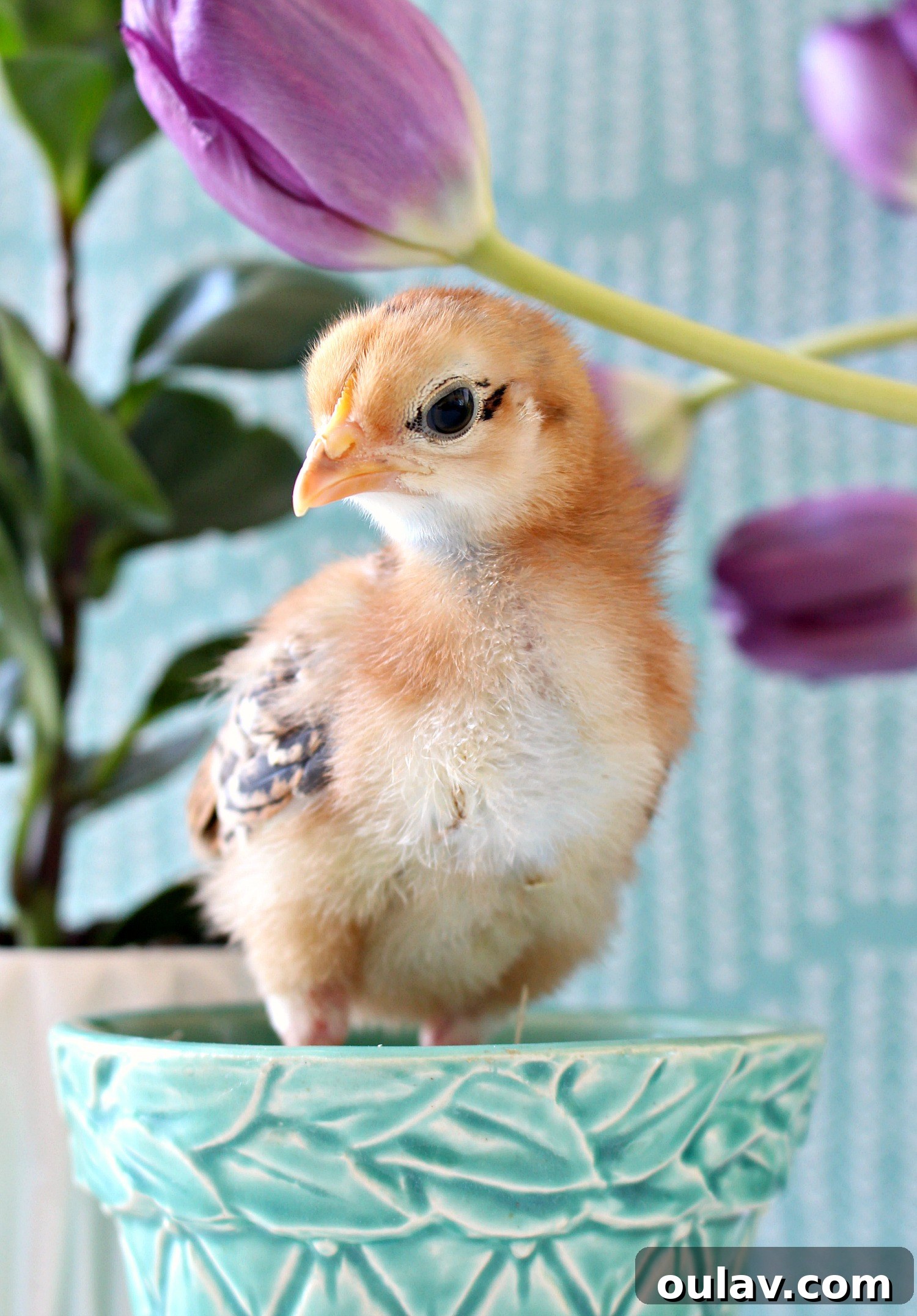
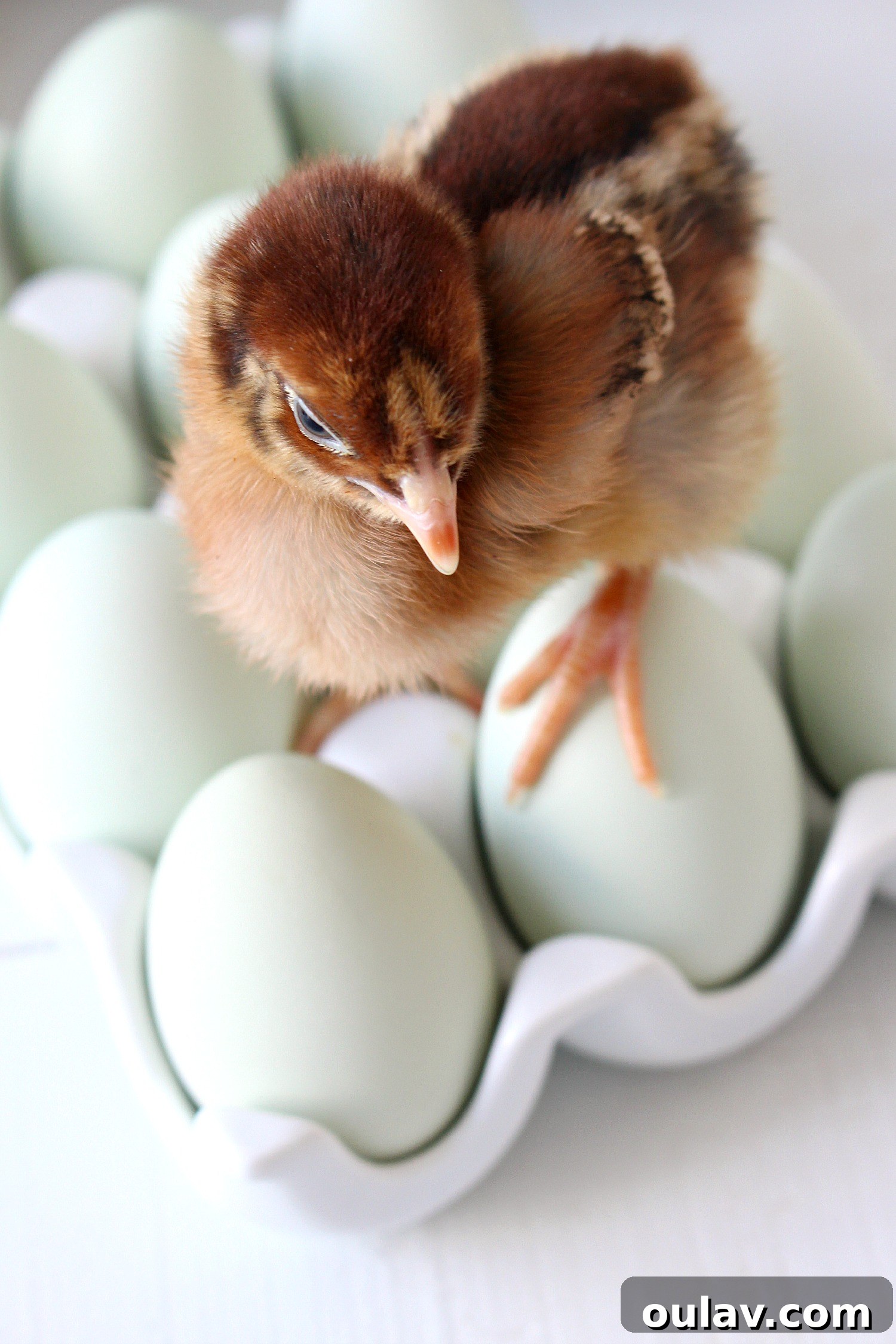
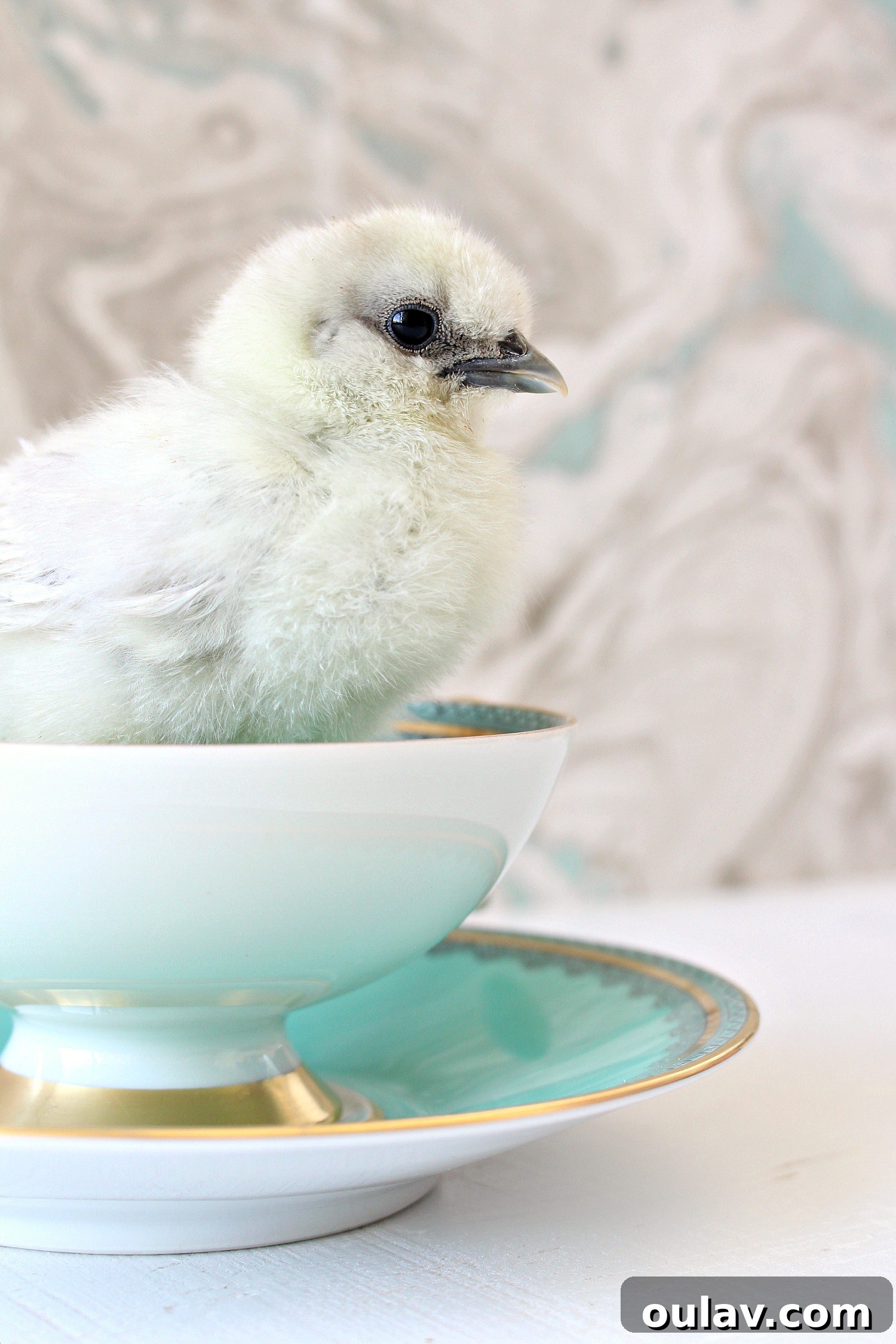
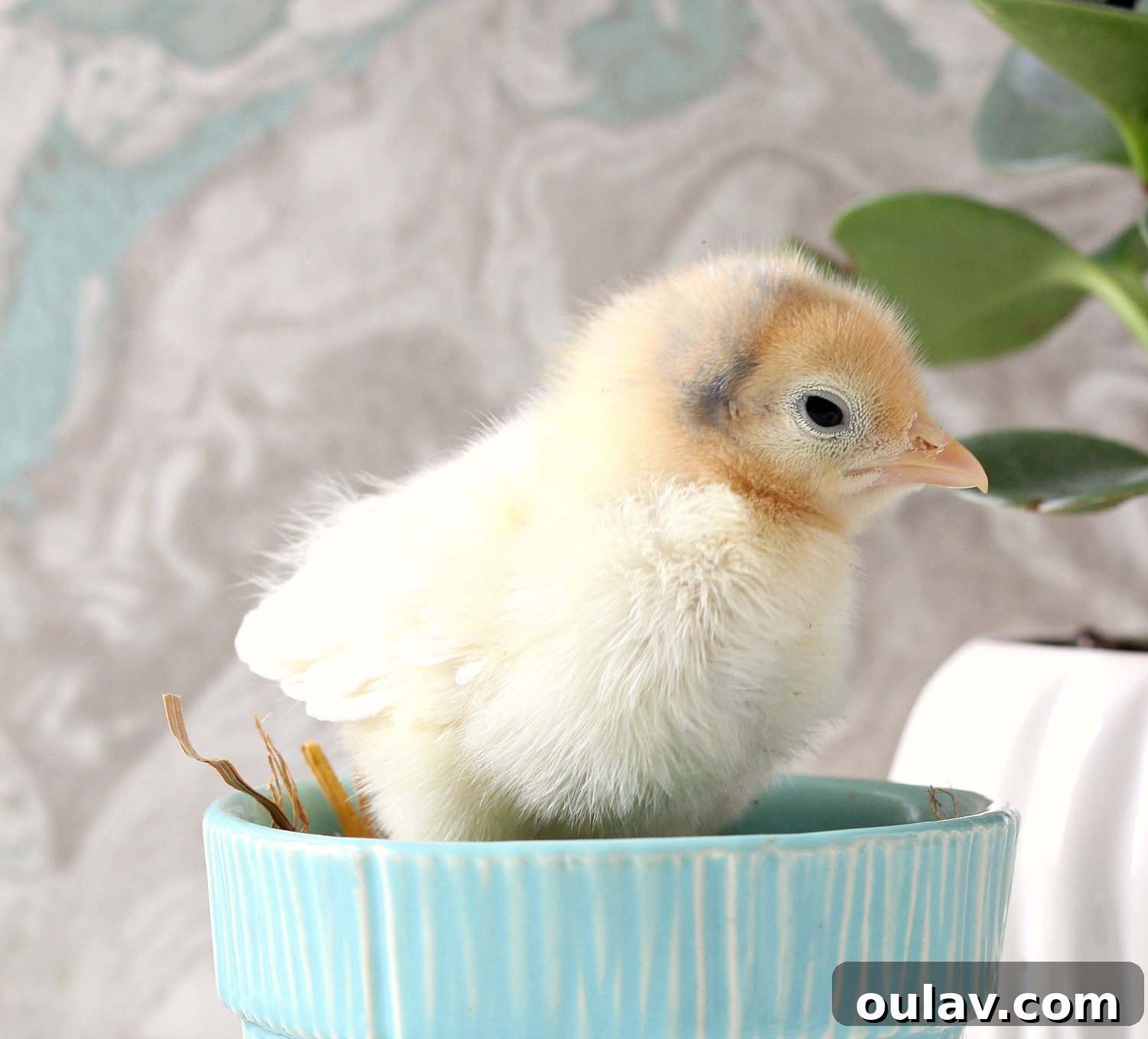
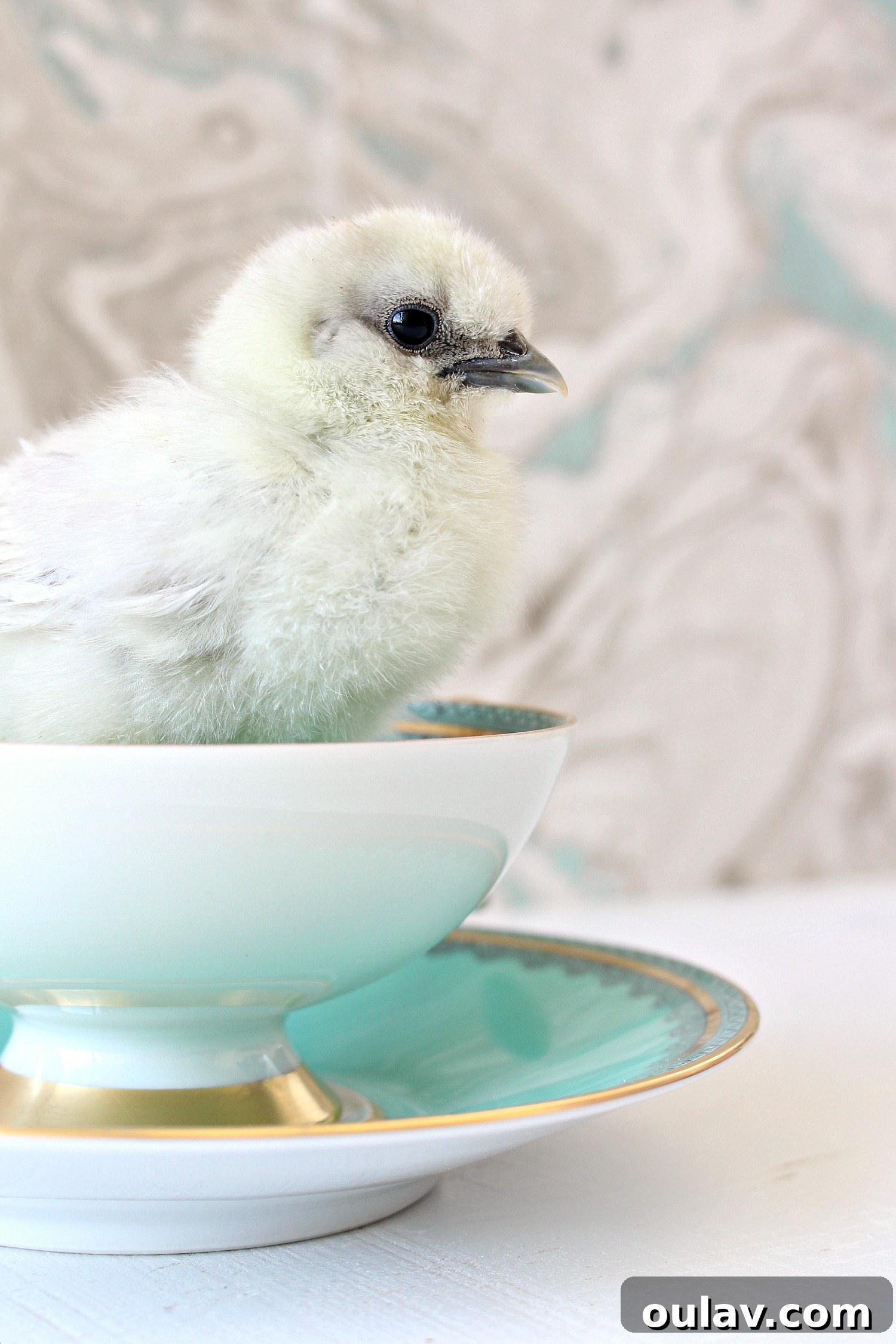
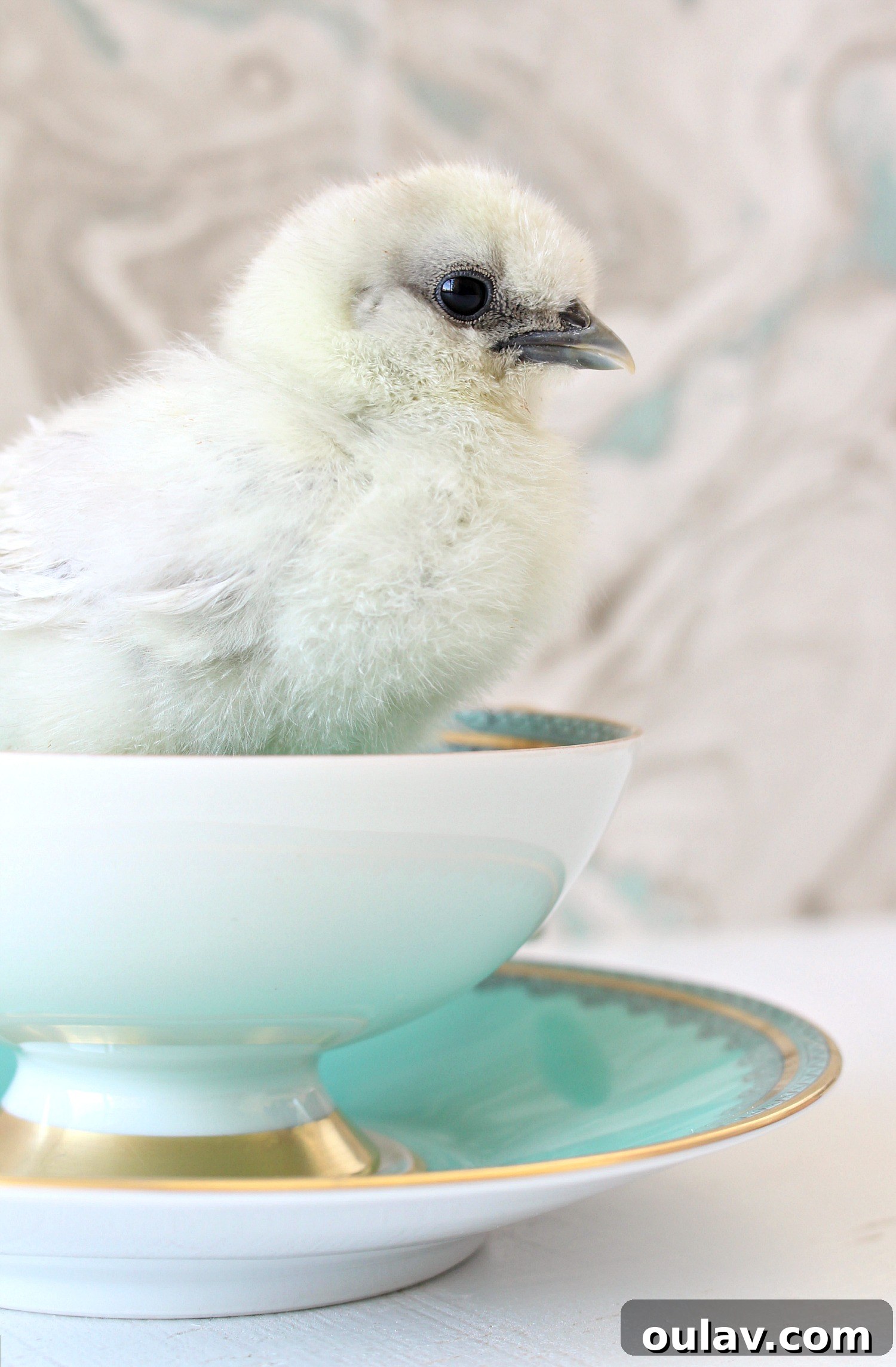
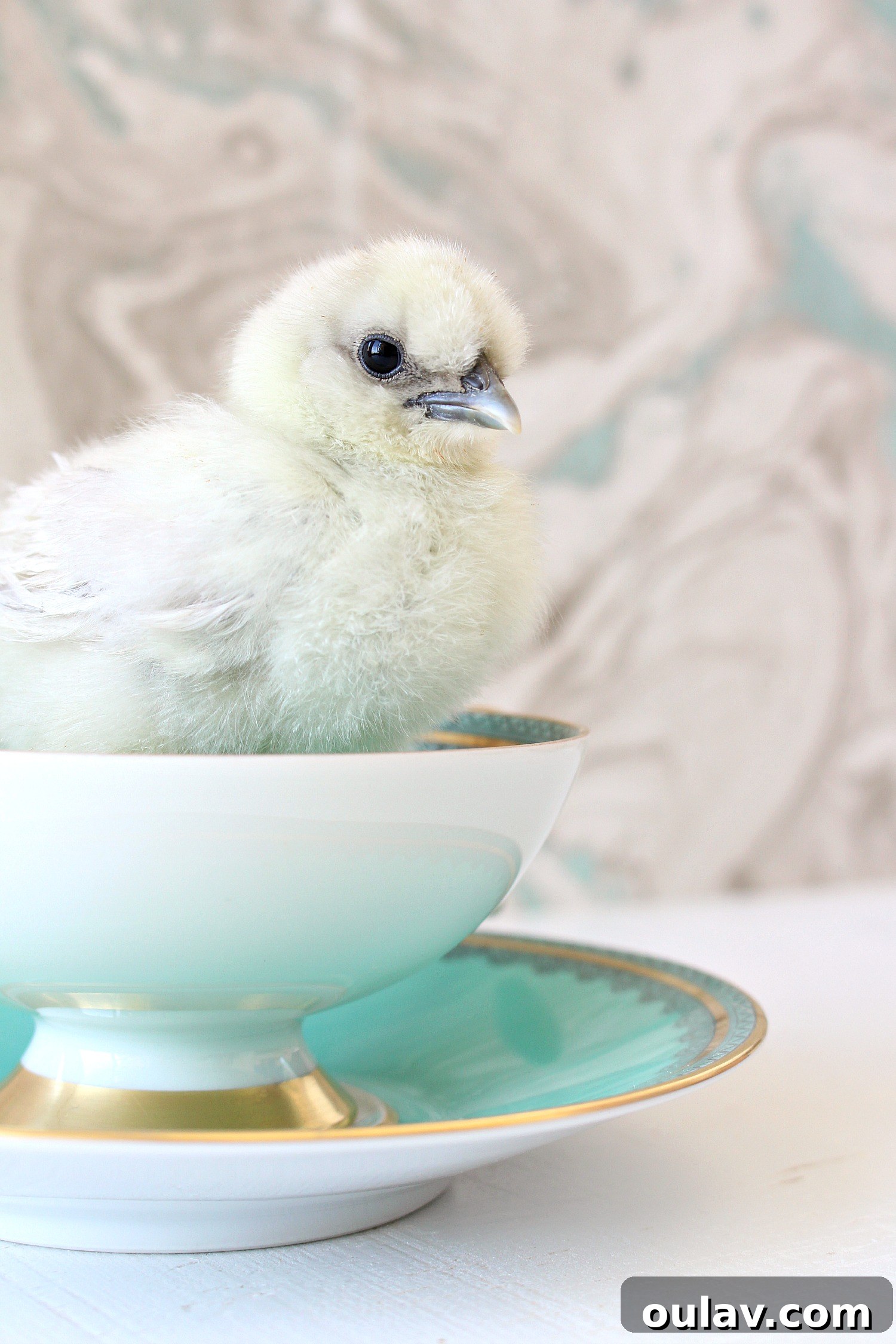
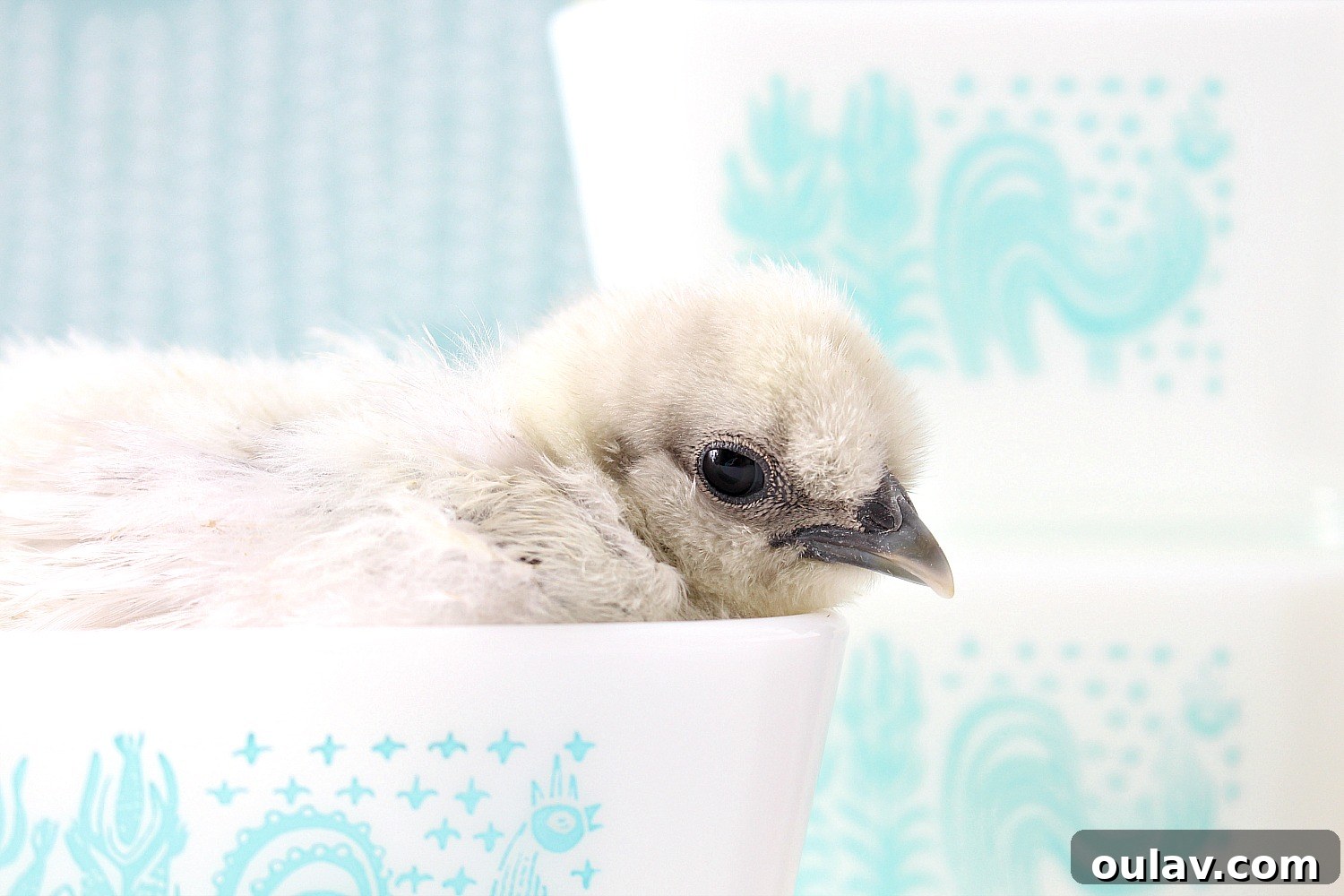
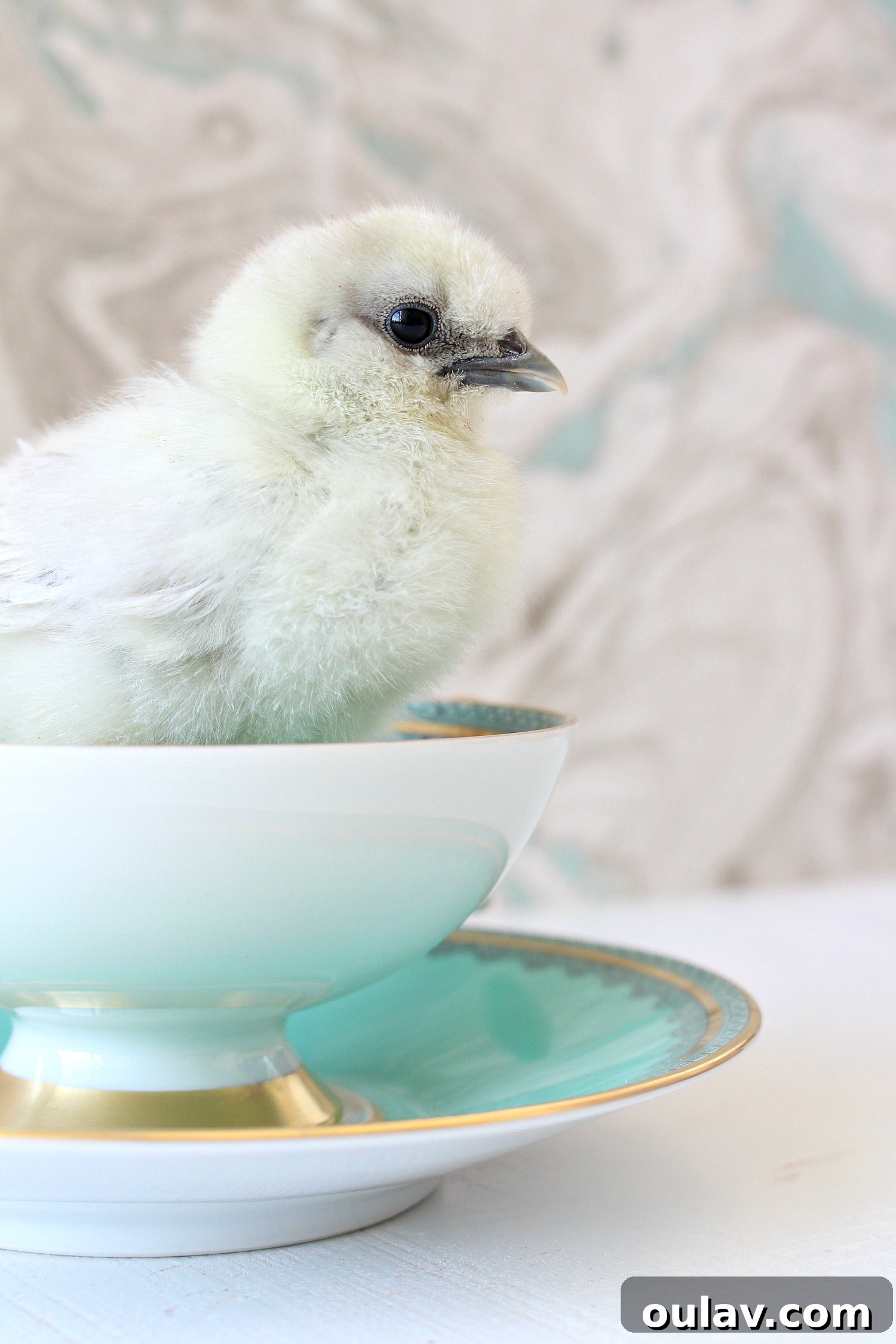
Their innocent charm and irresistible fluff are truly captivating. These aren’t just any chickens; they are tiny bundles of joy, each with a unique personality already beginning to emerge. While they are currently at the peak of their cuteness, we know this phase is wonderfully fleeting. Soon, these delightful little ones will transition into their more awkward “teenage chicken” stage. In fact, some are already showing hints of this transformation, with their down beginning to give way to more developed feathers. But for now, they still possess that undeniable puff of sweetness, making every moment with them a treasure. I’m particularly enamored with our “Silkies in teacups” theme, which beautifully highlights their soft, unique plumage.
The Delightful Mystery of Our Growing Flock
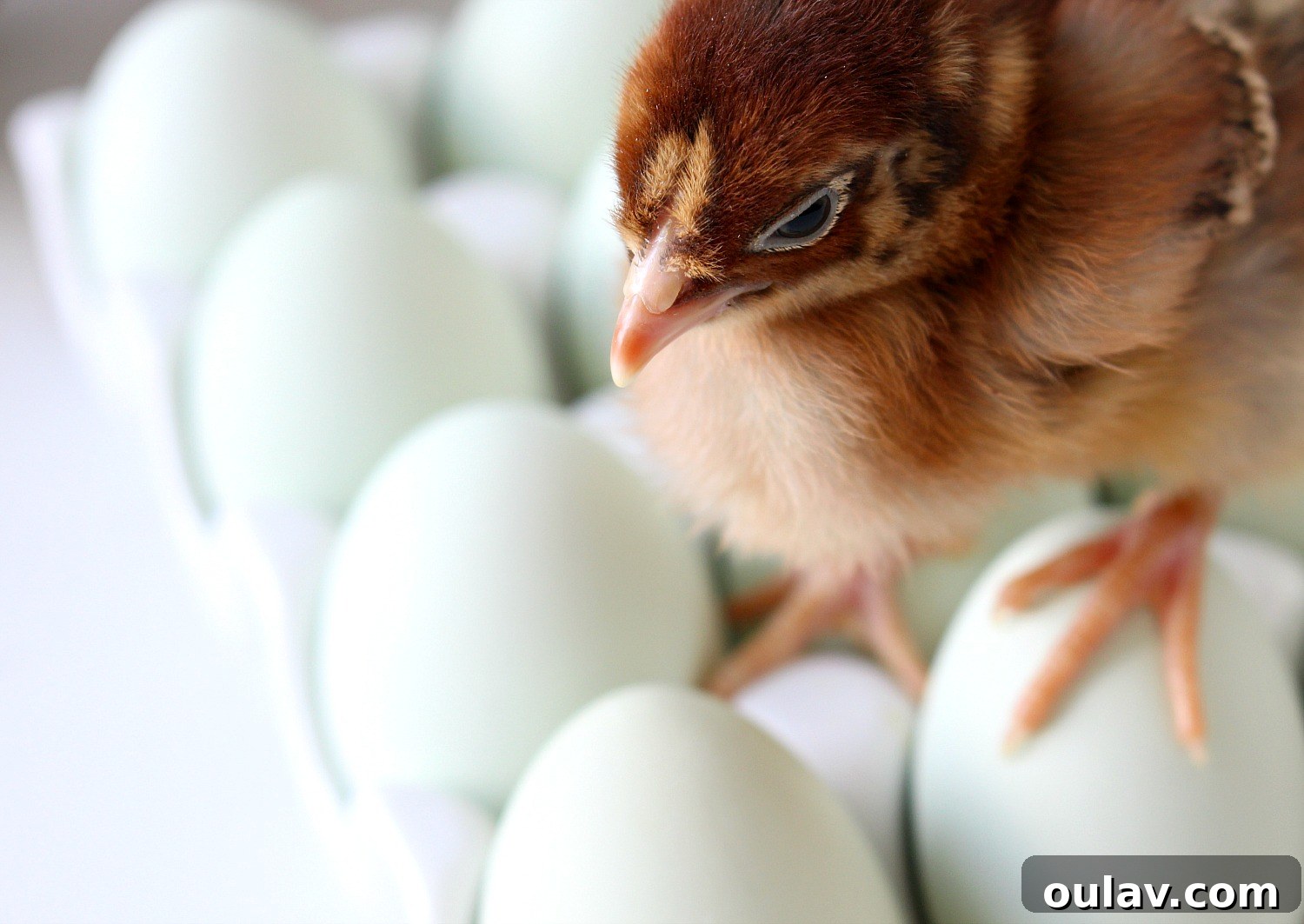
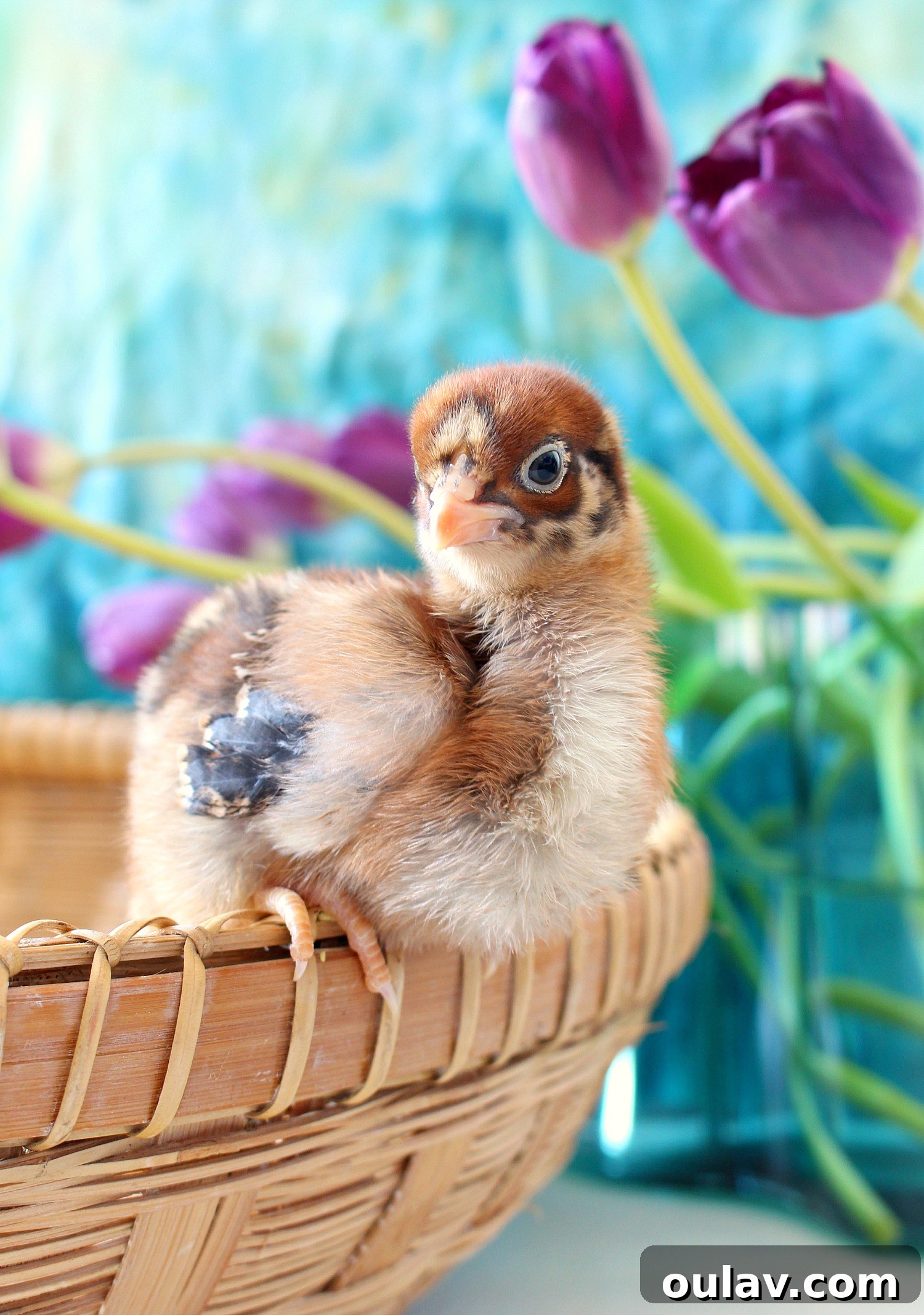
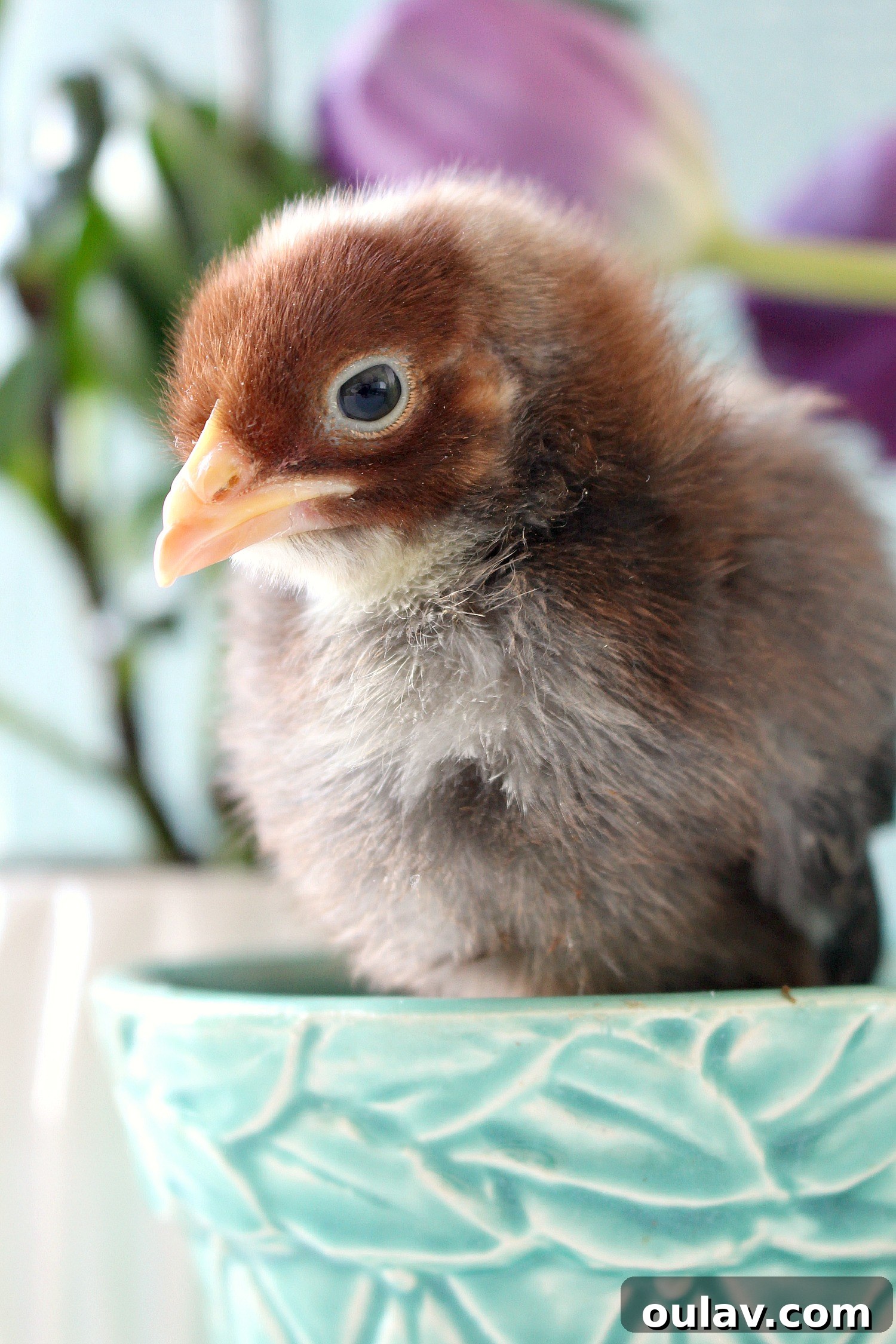
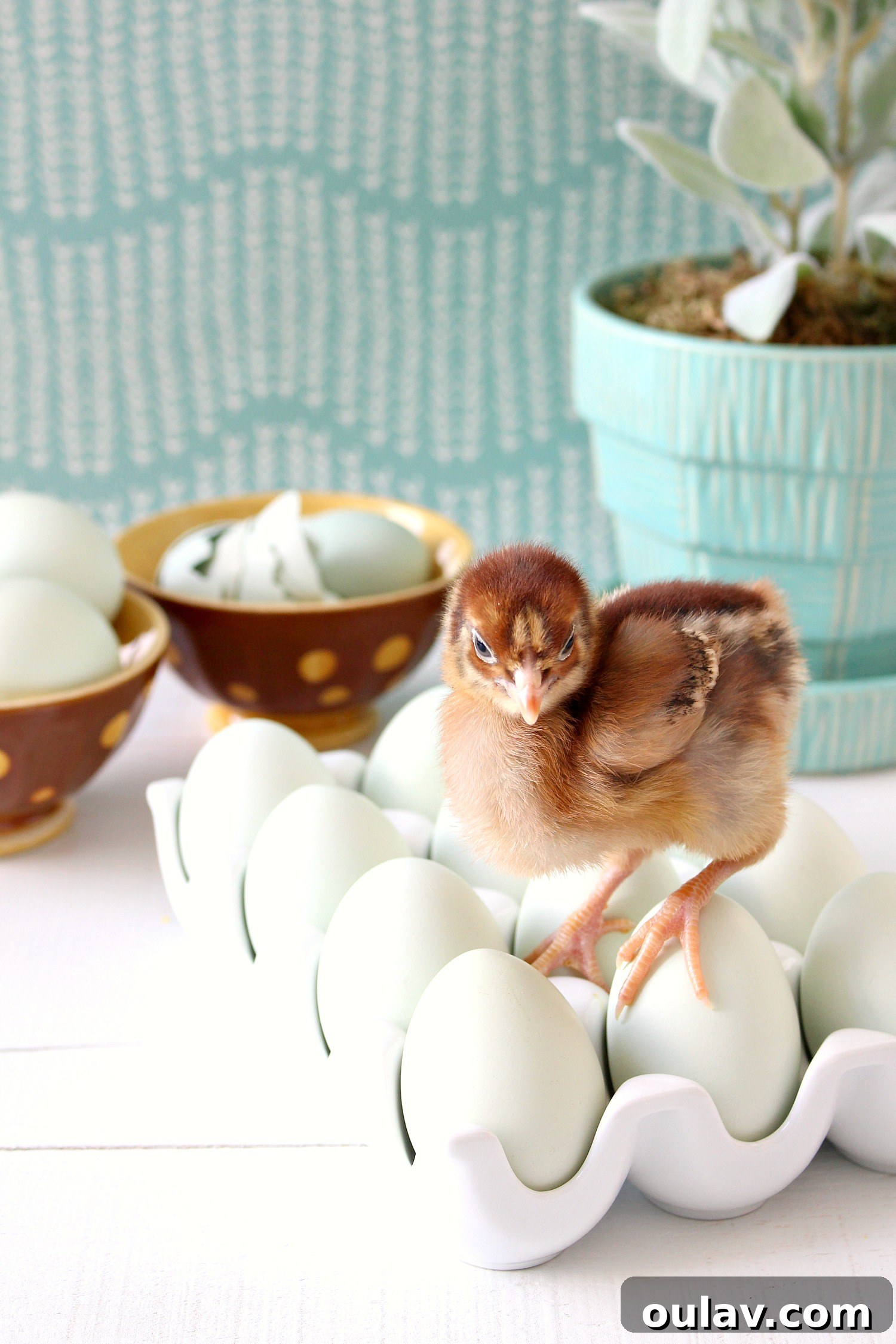
Identifying the exact breeds of all our new arrivals can be quite the puzzle, especially with the brown chicks. While I’ve managed to pinpoint a few, the various shades and subtle markings of the brown ones continue to challenge my detective skills. Every time I delve into Google’s vast poultry archives, convinced I’ve cracked the code, a flicker of doubt sets in, sending me back to square one. It’s a waiting game, really; their distinctive features will become much clearer as they mature. This journey of discovery is part of the fun of raising backyard chickens.
One challenge with these indistinguishable brown chickies is ensuring I give them all equal attention. Just today, I picked up one, and it nestled so comfortably into my hand, let out a tiny, contented chirp, and promptly fell asleep. It was such a sweet, trusting moment. It made me wonder, am I consistently picking up the *same* chick every time, fostering this special bond, or am I truly spreading the love? It’s hard to tell when they look so similar, but these little interactions are truly heartwarming.
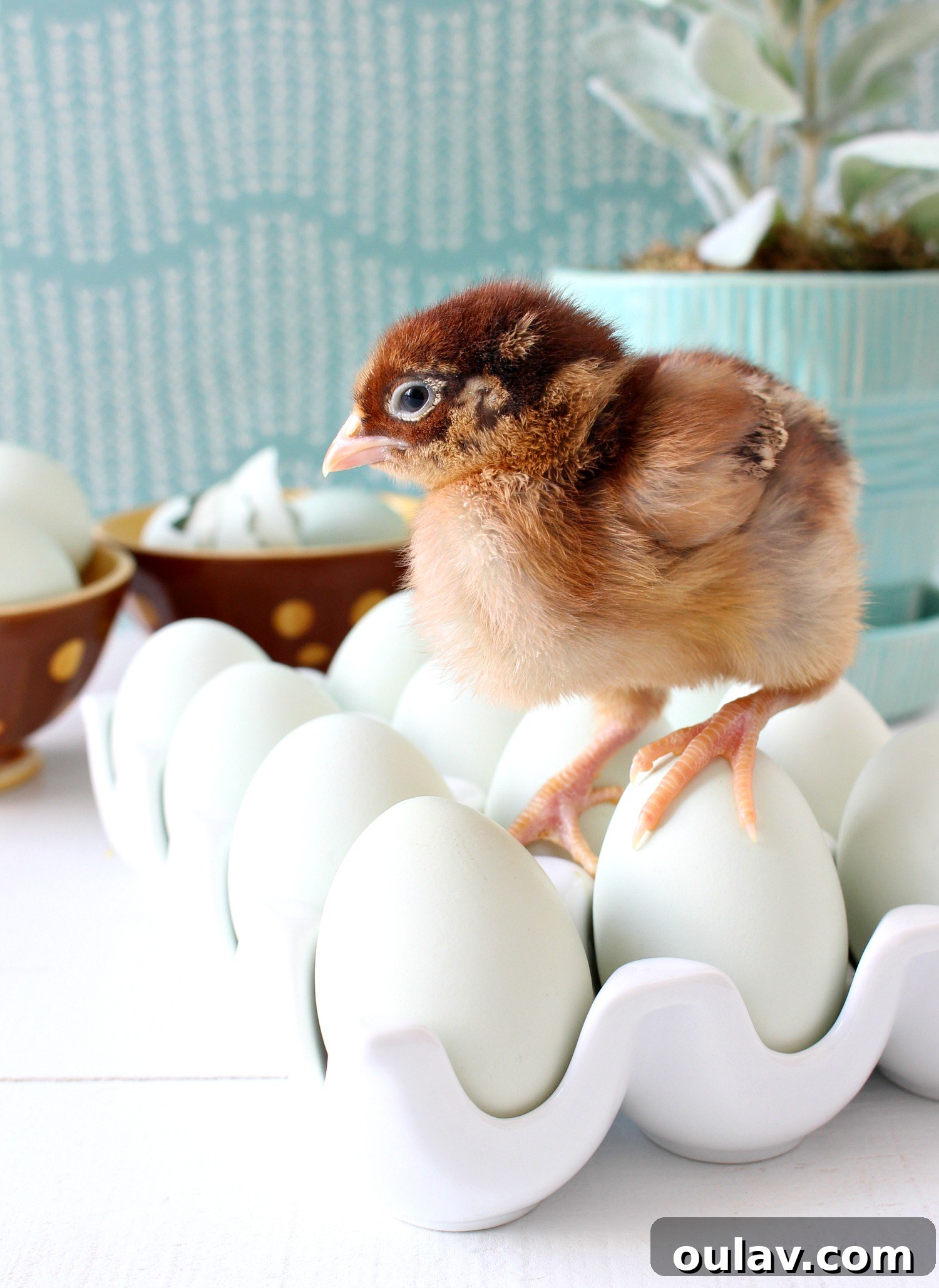
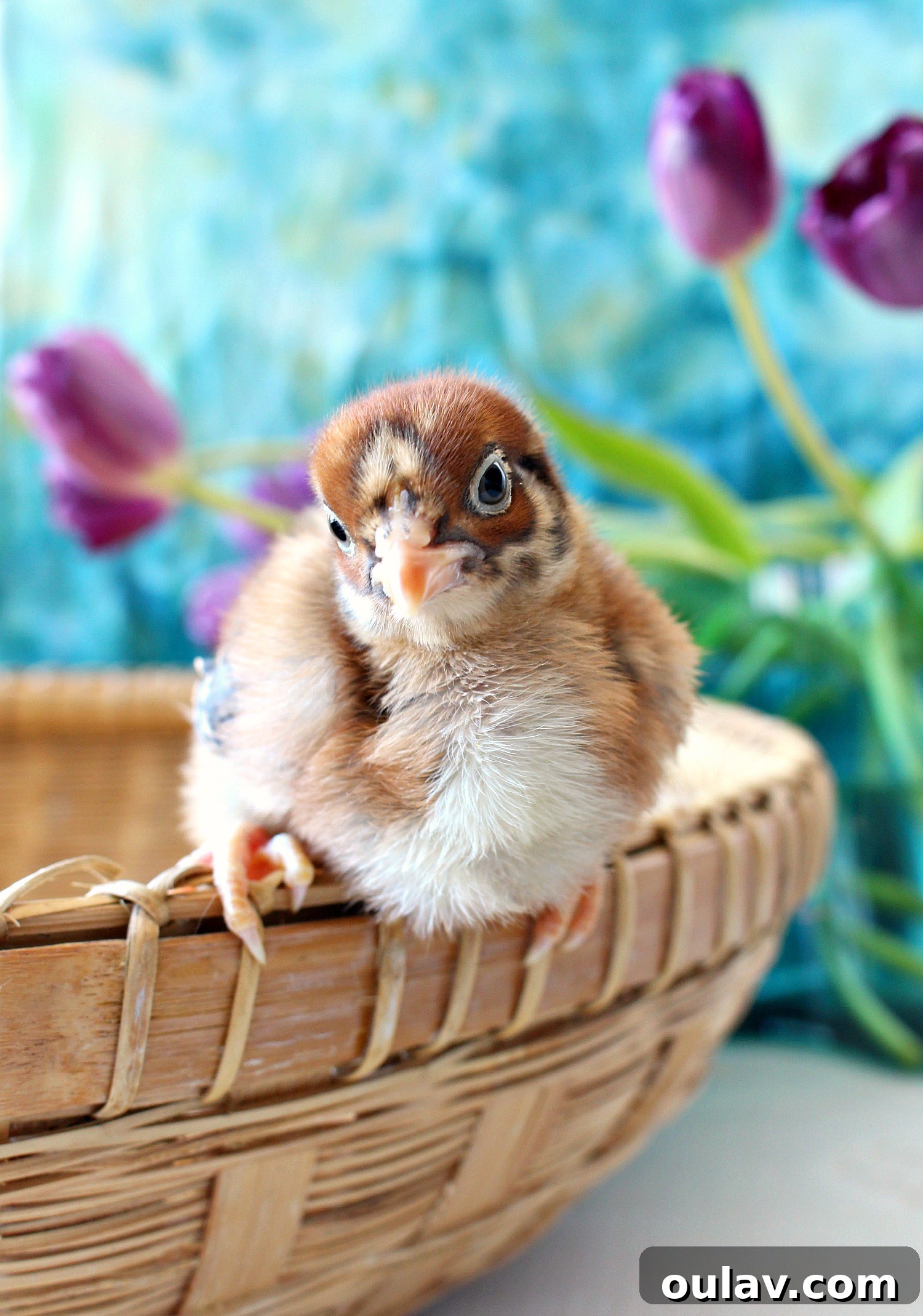
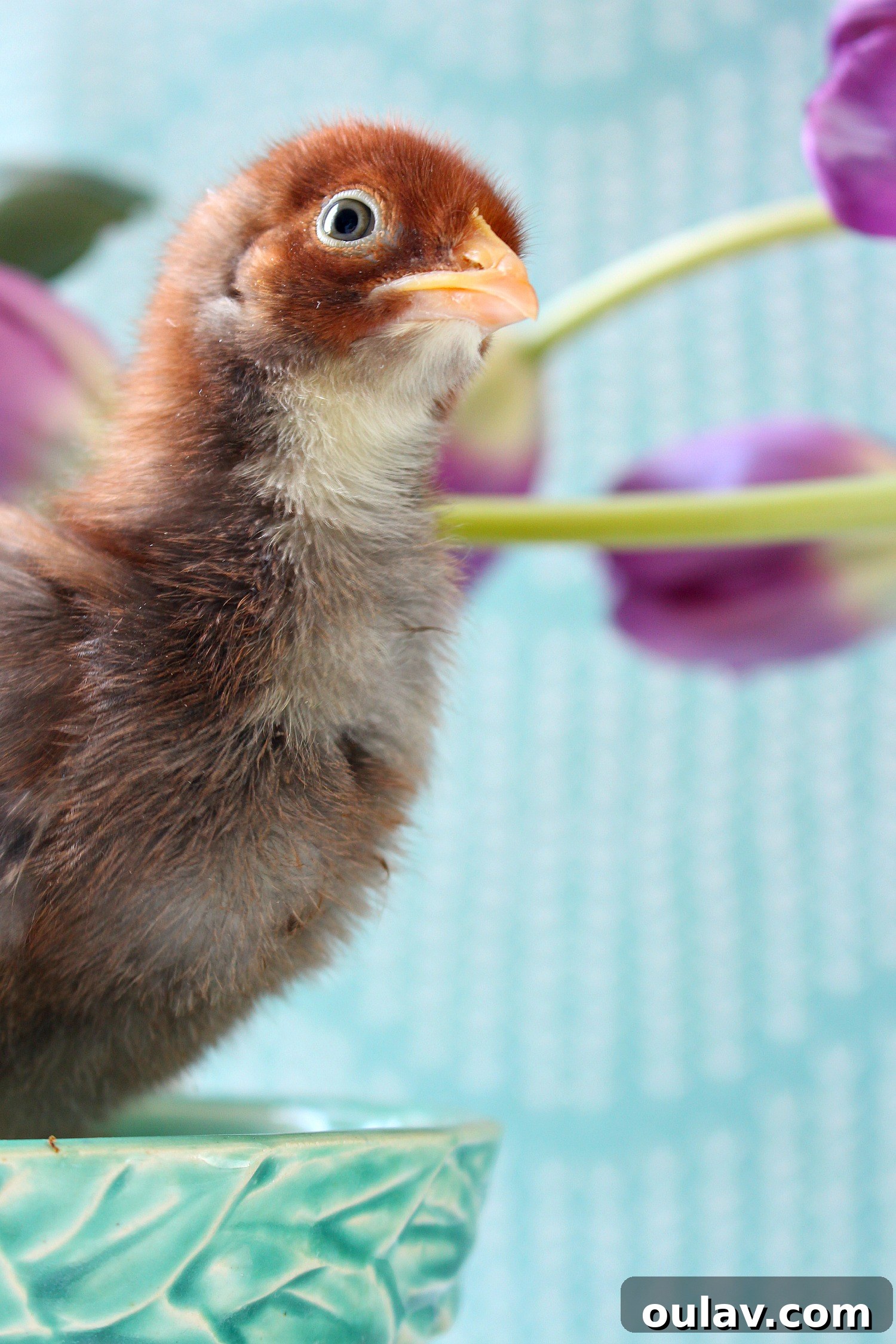
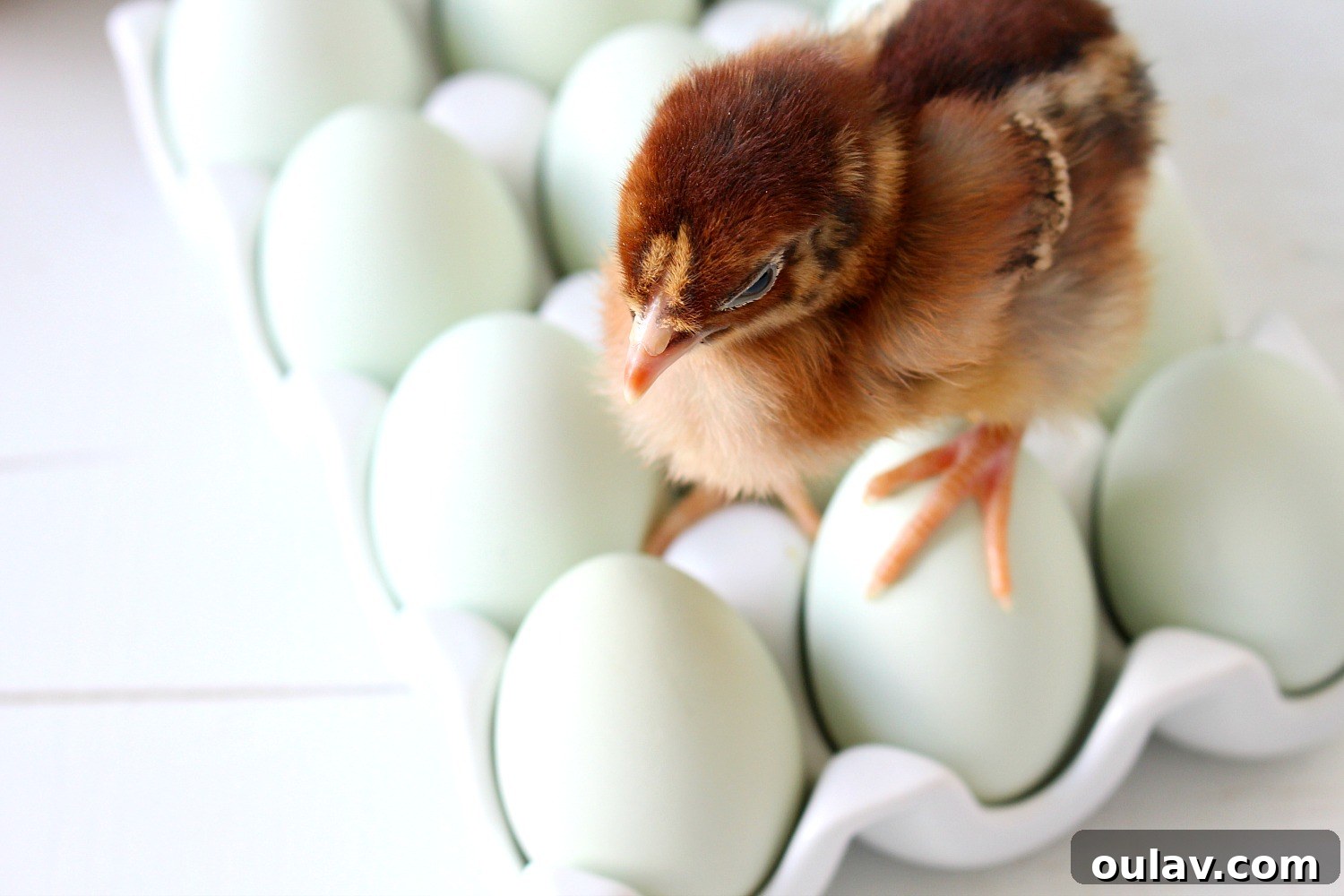
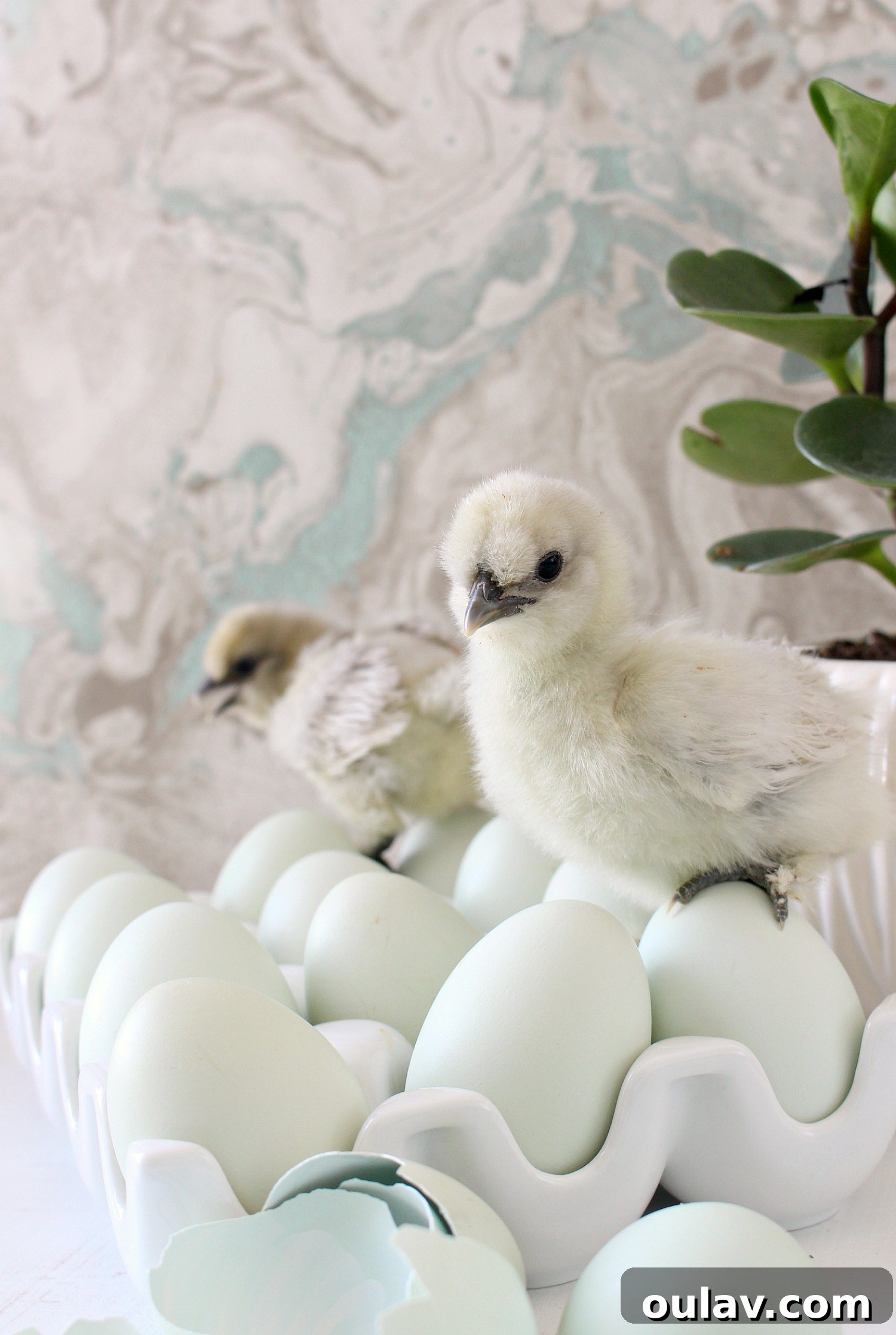
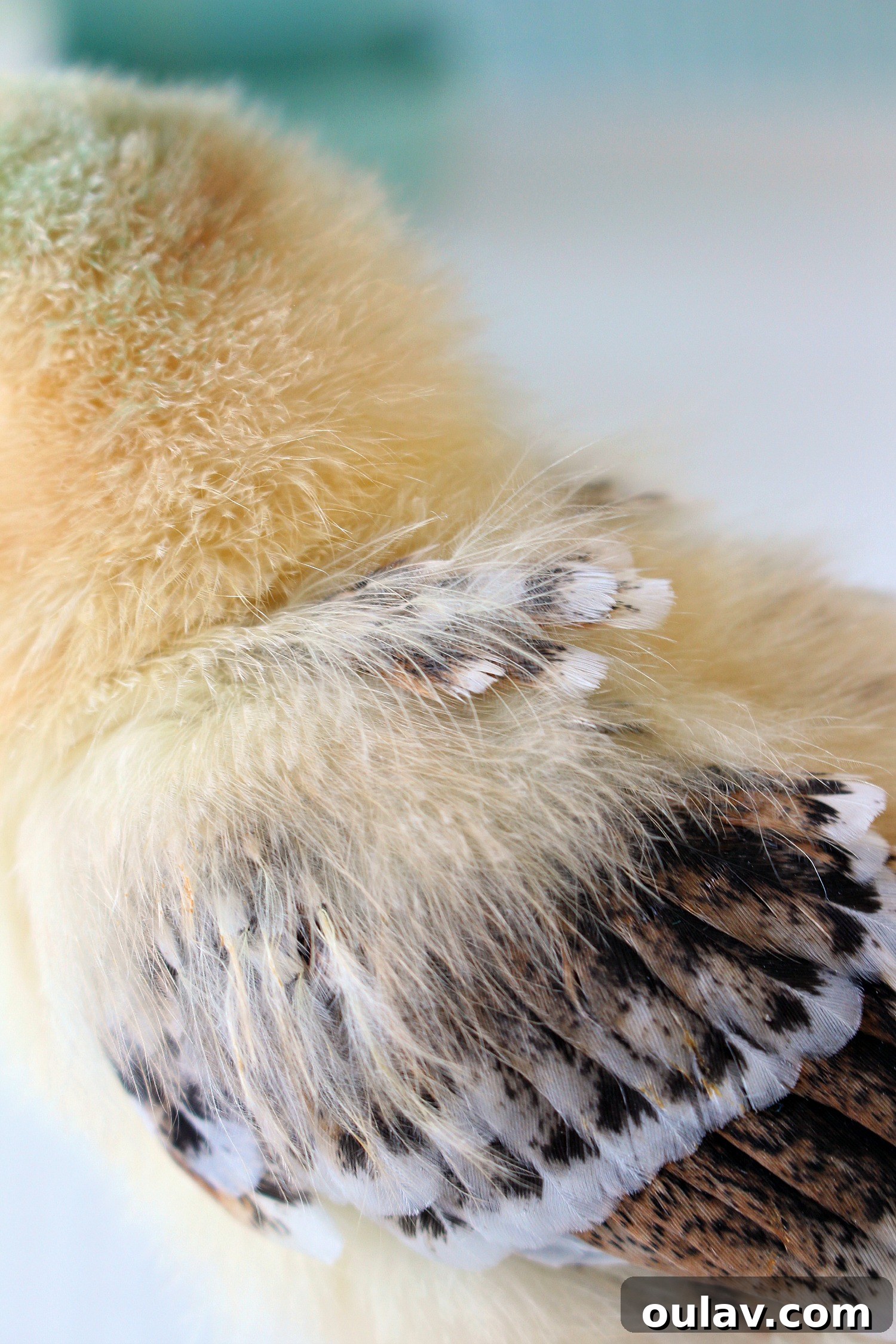
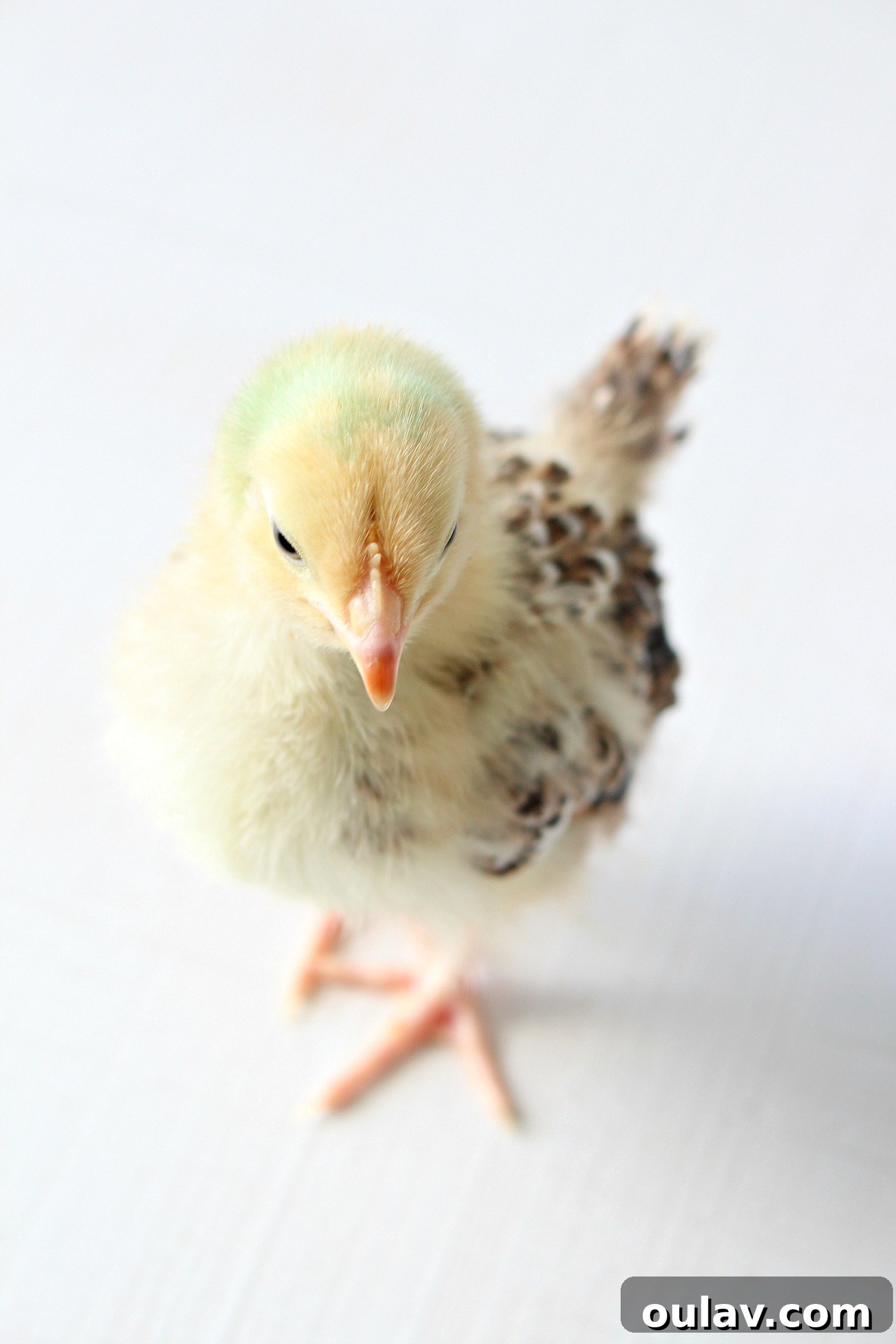
This is where things get a little clearer: I can confidently identify these fluffy wonders as Silkies, specifically with their captivating splash coloring. Silkies are truly unique in the chicken world. They are instantly recognizable by their distinctively soft, downy feathers that feel more like fur than typical plumage. Beneath that fluffy exterior, they possess striking black skin, a characteristic that sets them apart. And as if that weren’t enough, they even have an extra toe, making them truly special members of any flock. Their gentle nature and unusual appearance make them incredibly endearing to chicken enthusiasts.
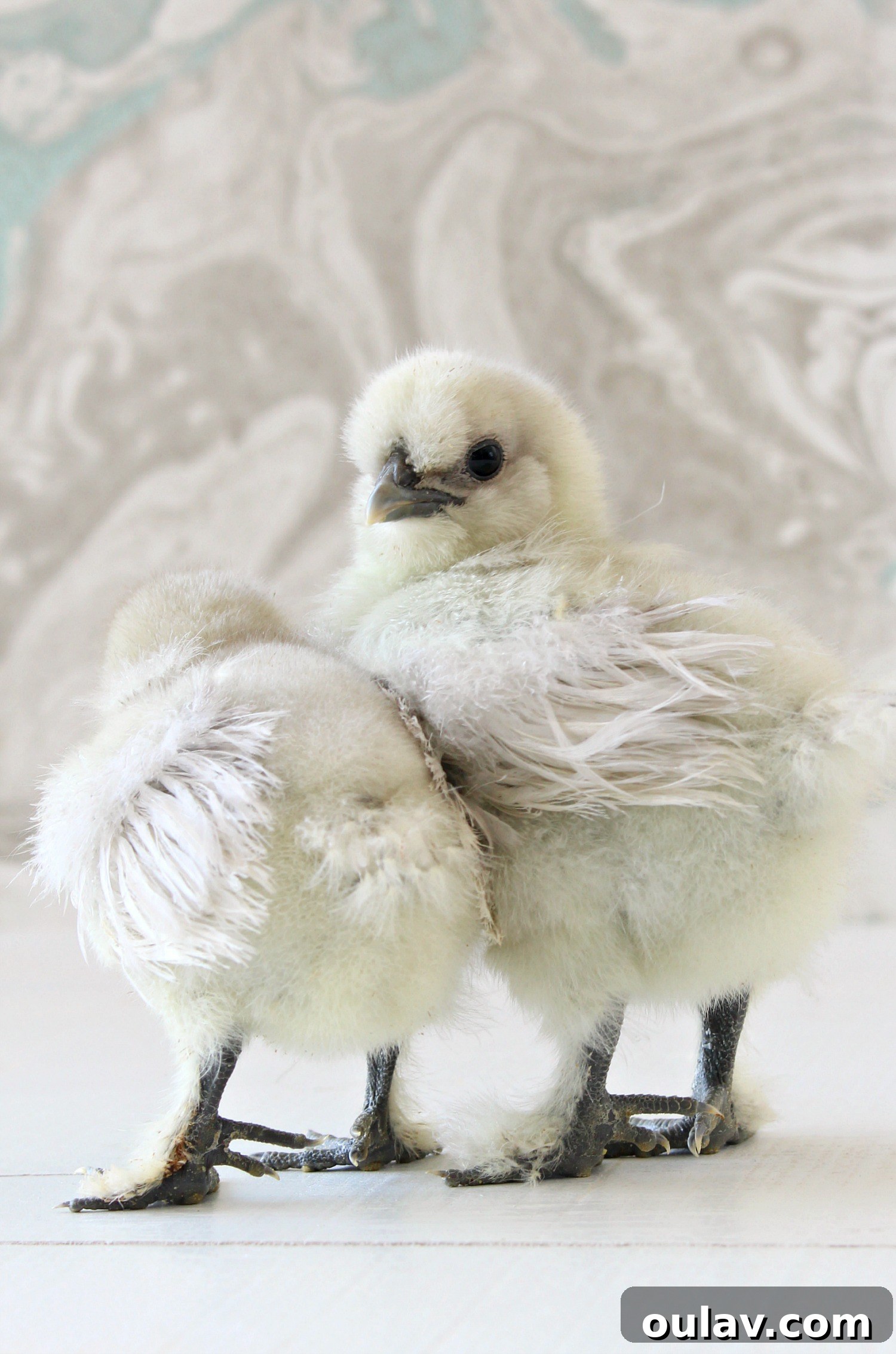
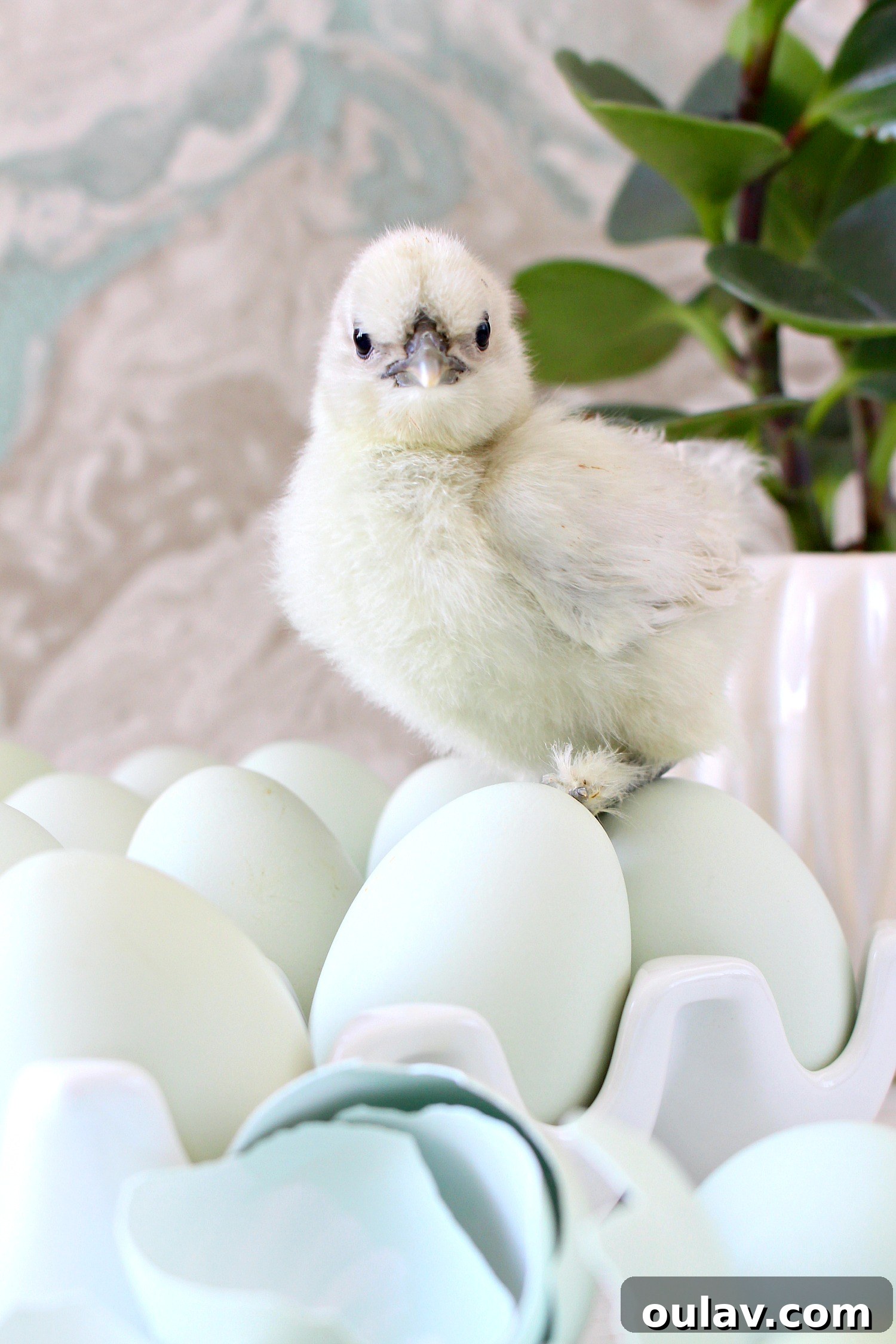
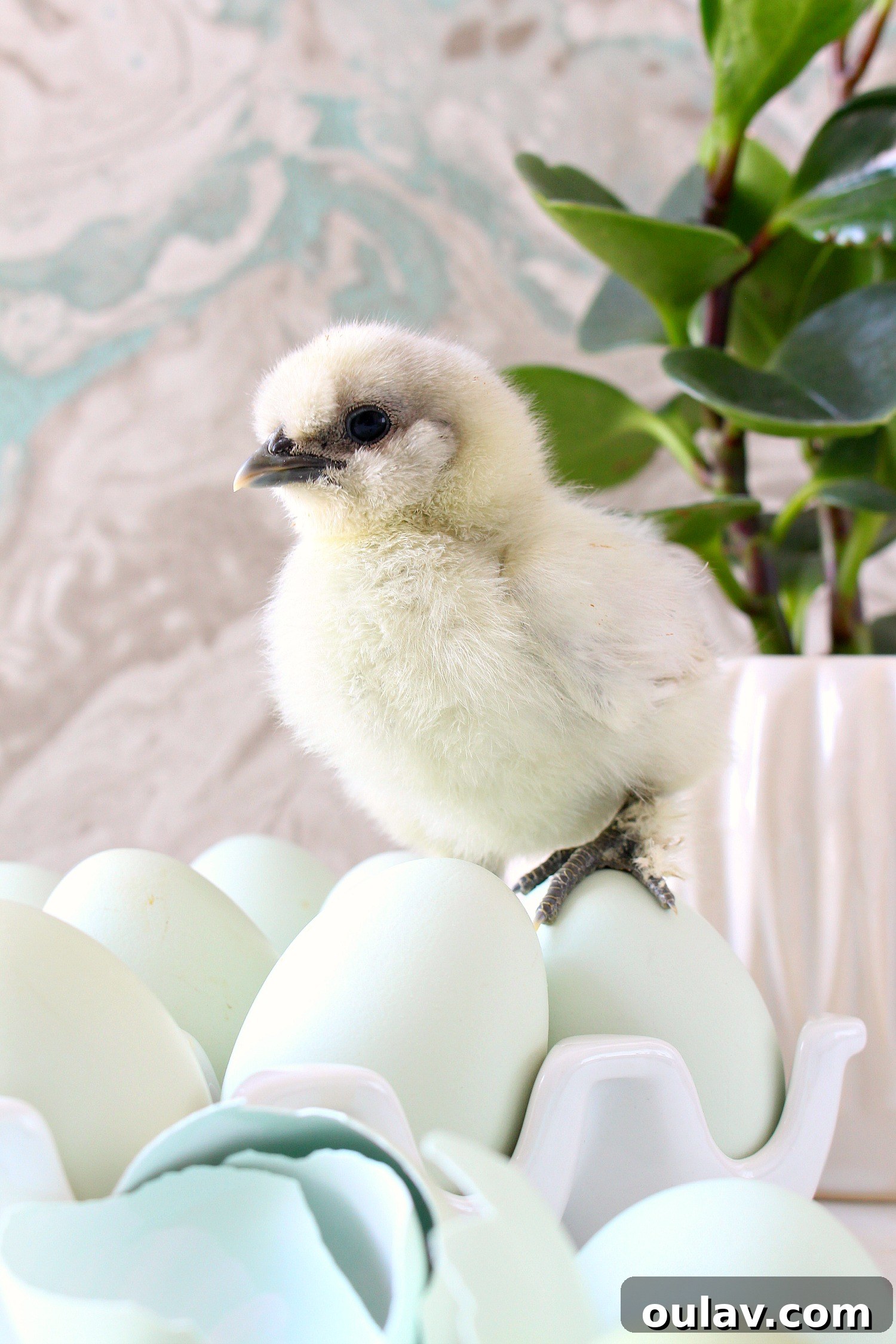
Double the fluff, double the fun! I originally intended to order two different Silkie colors, but due to excellent hatch rates, I received two splash-colored beauties instead. These identical-looking Silkies already display distinct personalities. One is noticeably smaller and shyer, while the other is larger and possesses a remarkably calm demeanor. Based on my past experience with my previous Silkie pair, Coal and Pearl, I’m already making my unofficial bet: the larger, serene Silkie will likely be a hen, and the smaller, more skittish one, a rooster. Time will tell if my predictions are accurate!
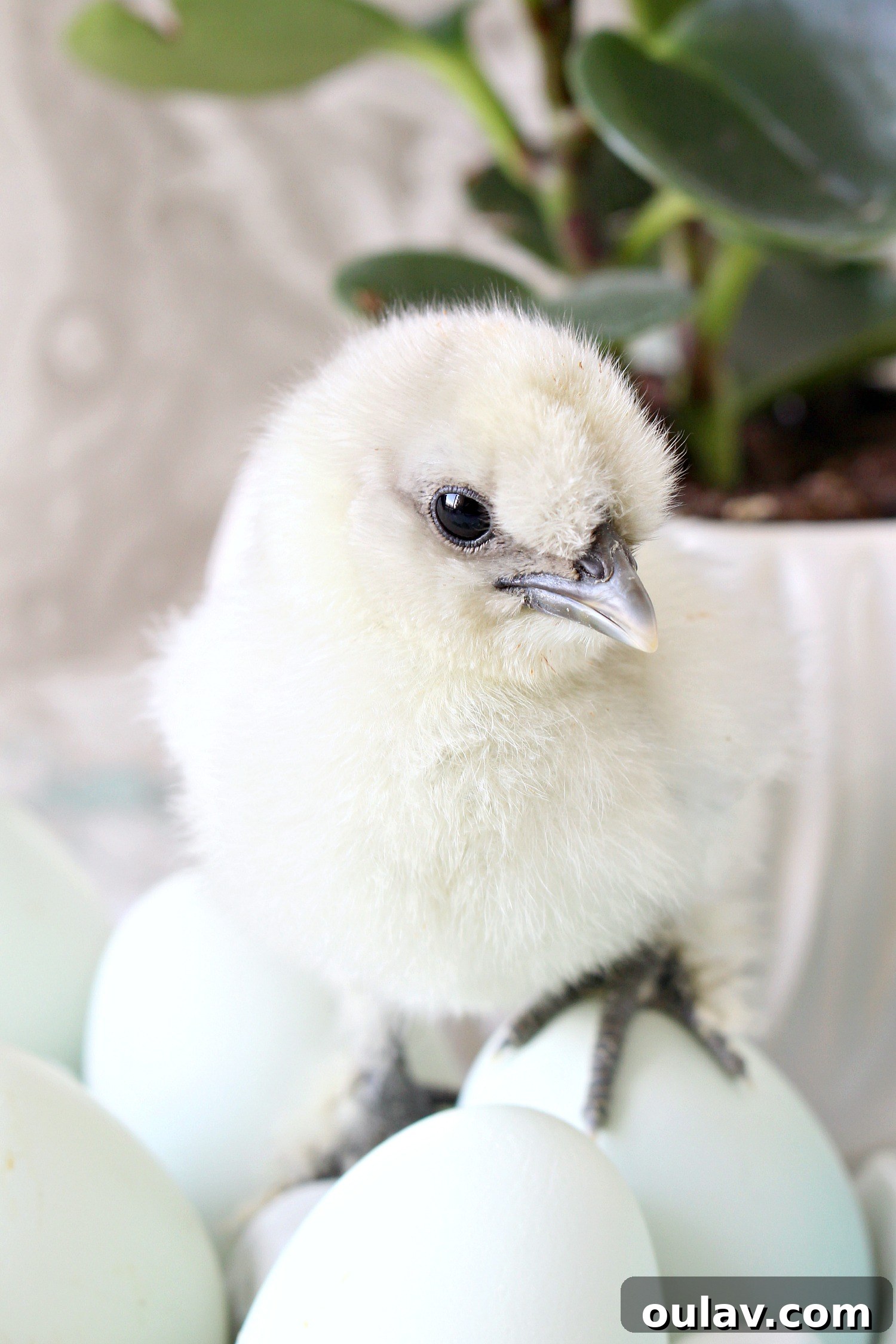
Nurturing Our Little Runt: A Story of Care and Hope
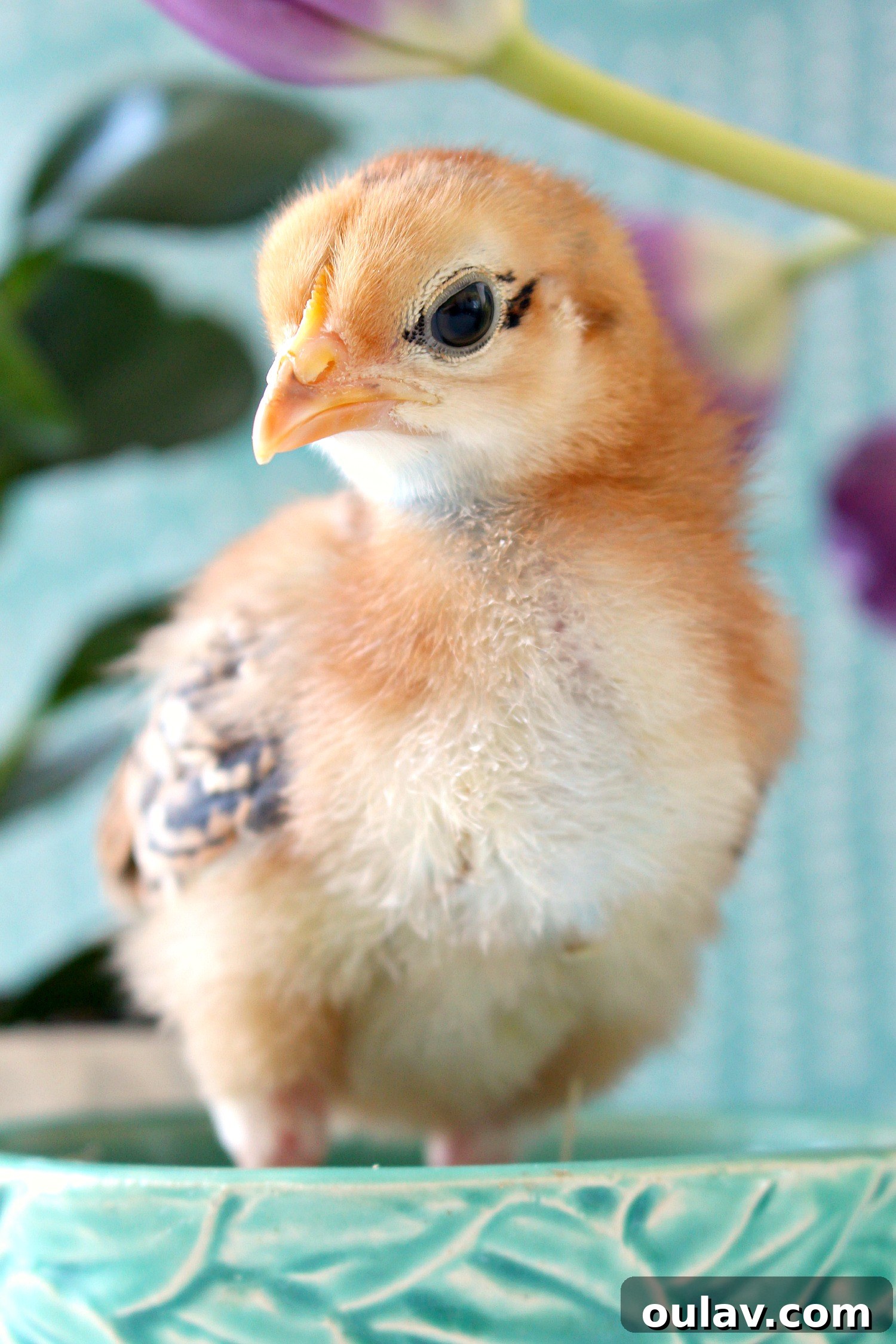
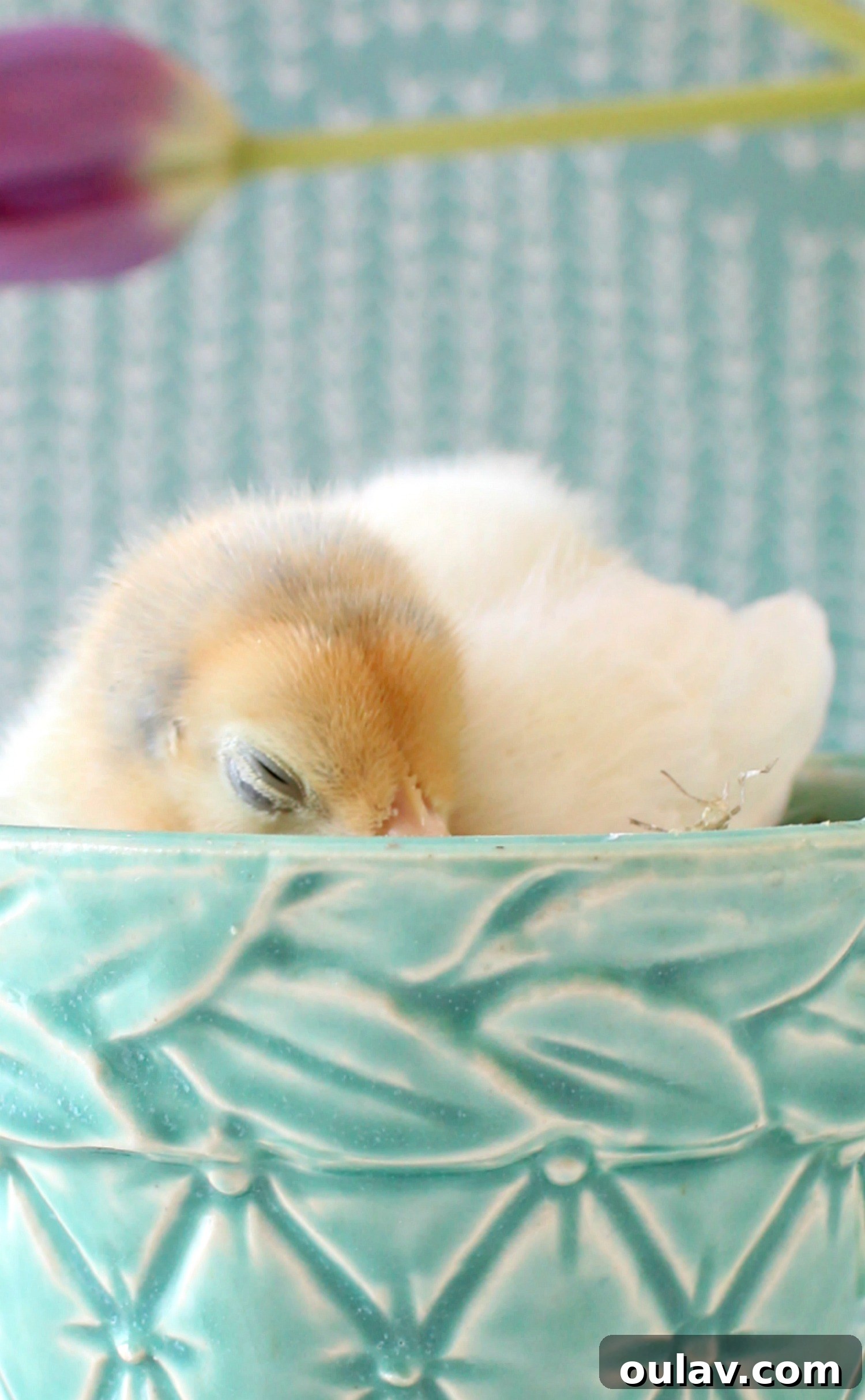
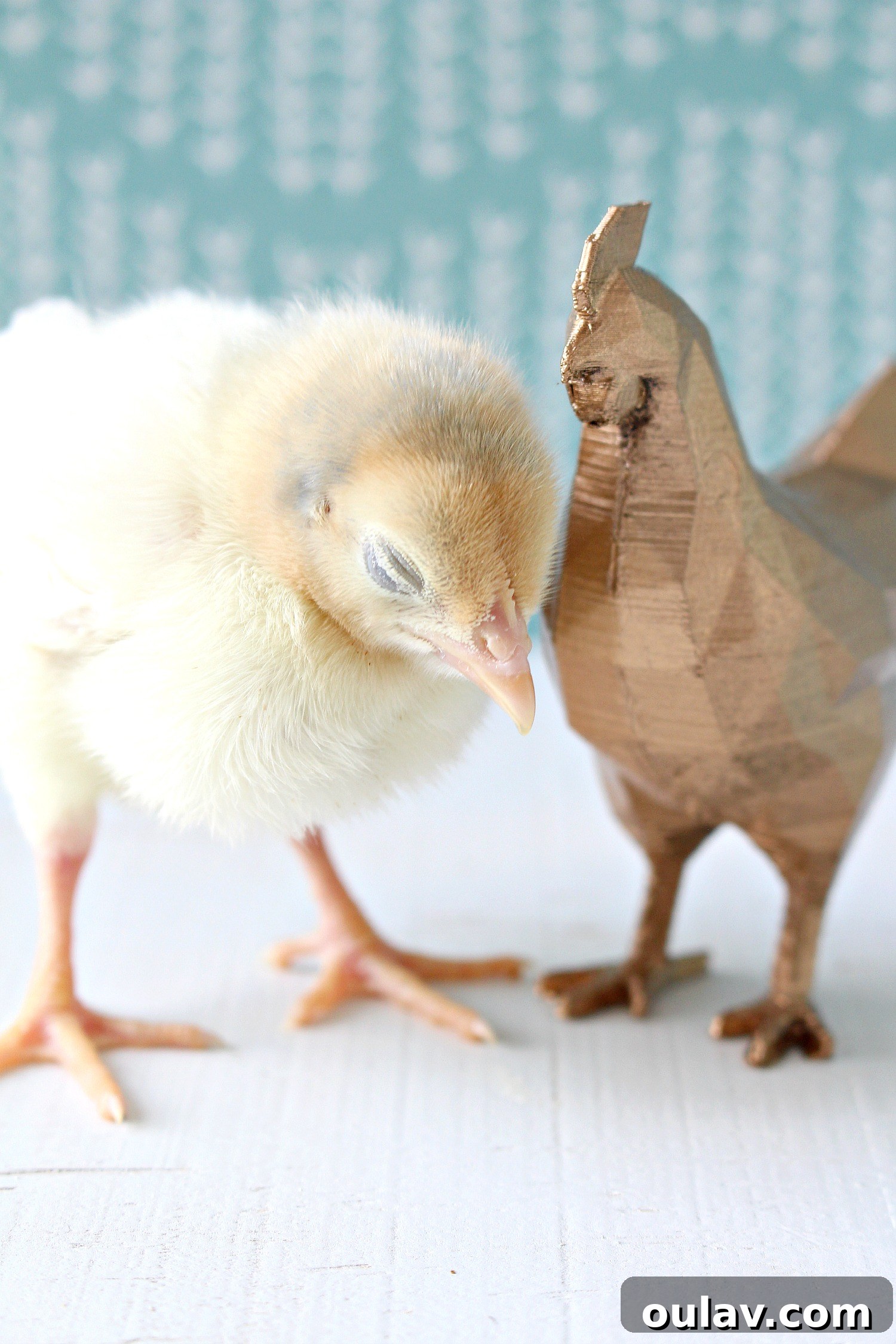
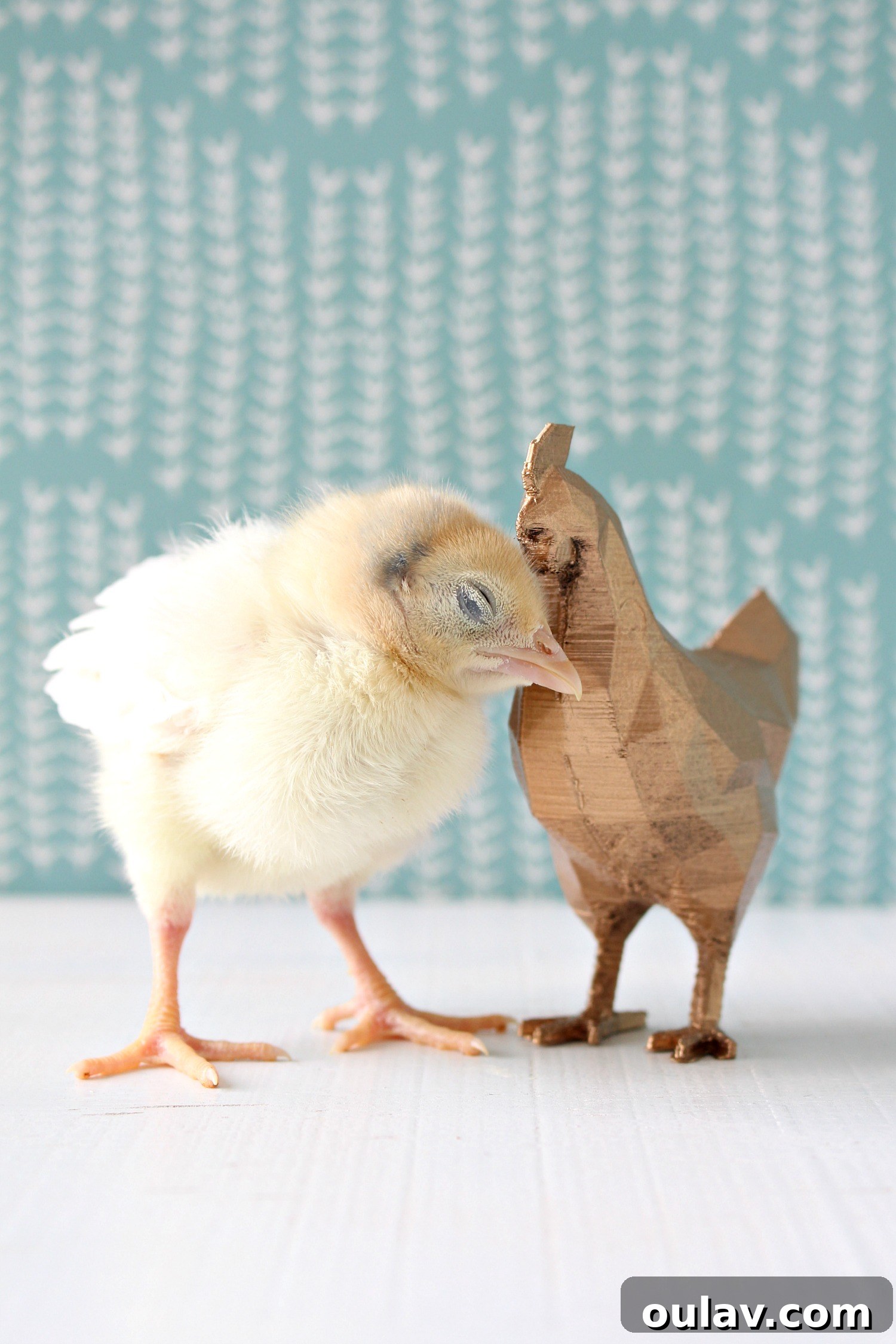
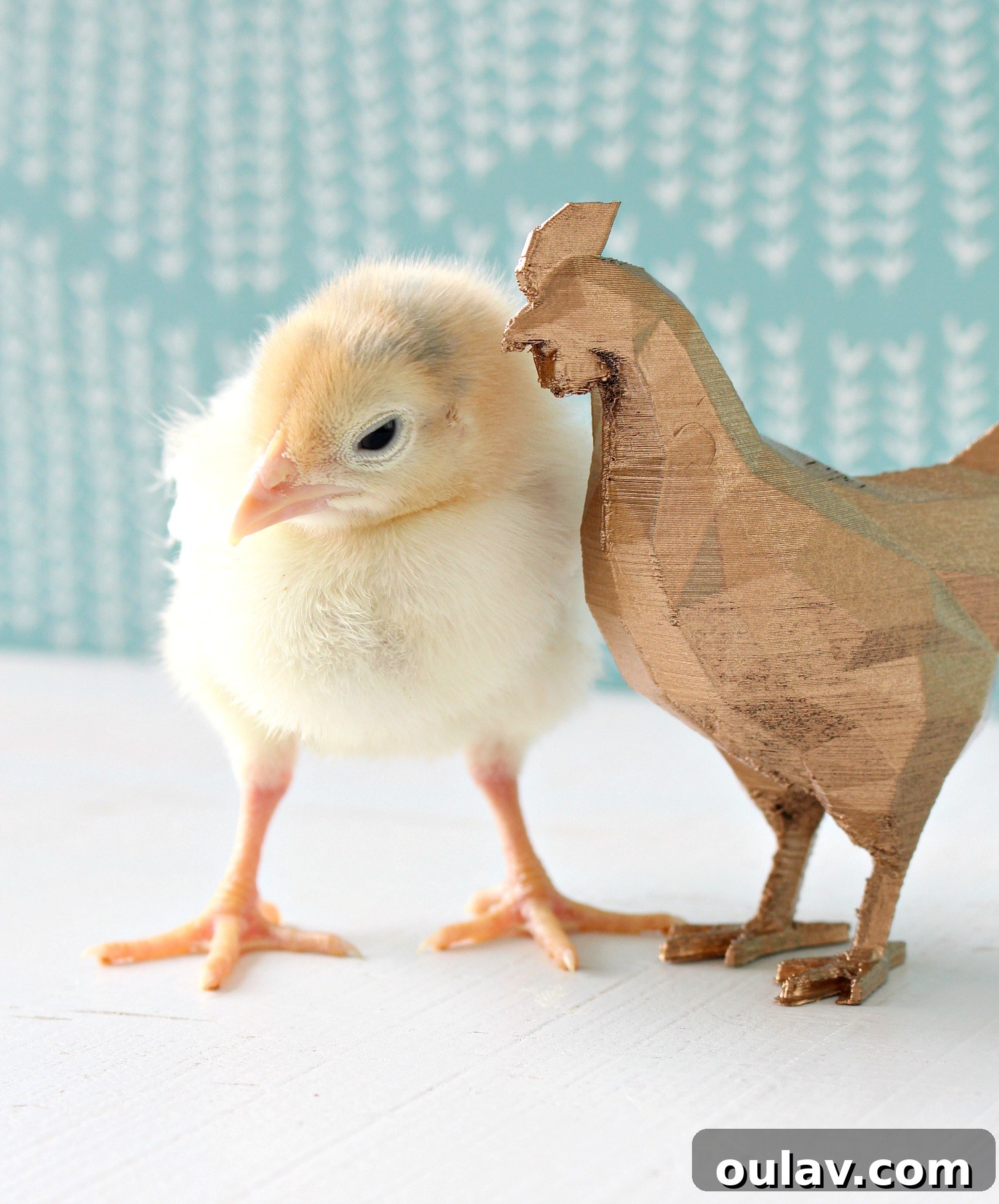
Among our lively brood, there’s a particular little yellow chick that has captured my heart and attention. This precious “runt” often appears sleepier and feels colder to the touch than its siblings. My concern is that it might not have developed optimally within the egg, leading to its smaller size and slightly puffier appearance. To give this little one the best chance, I’m taking extra measures: ensuring it receives additional protein, diligently observing its eating and drinking habits, and most importantly, keeping it consistently warm under the heat lamp. I’ve also added a specialized poultry supplement to their water, packed with extra nutrients and beneficial elements. Furthermore, I boil our well water to eliminate any potential impurities, hoping these efforts contribute to its overall health and vitality. Despite its initial struggles, it is bravely growing feathers, a true testament to its fighting spirit.
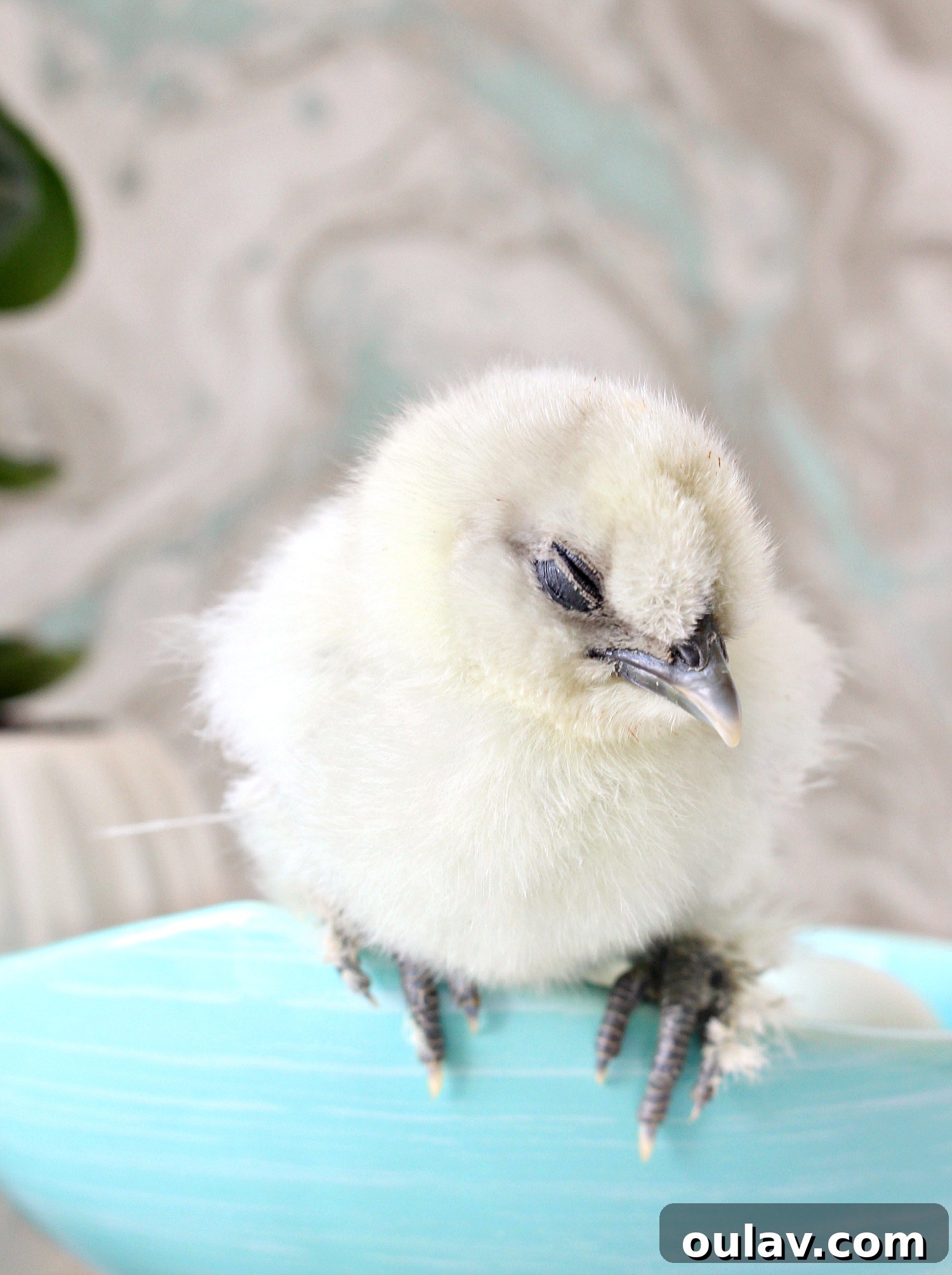
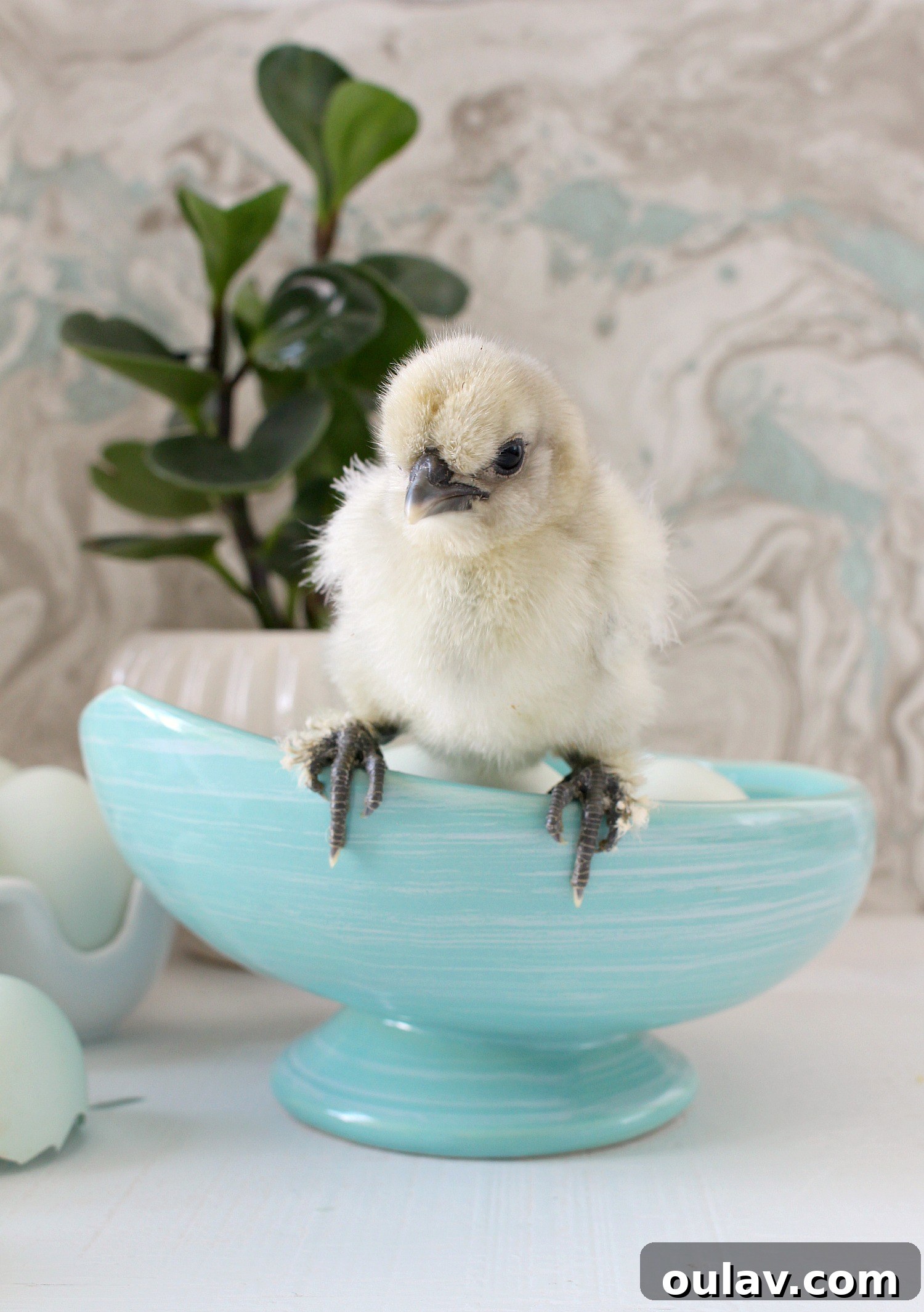
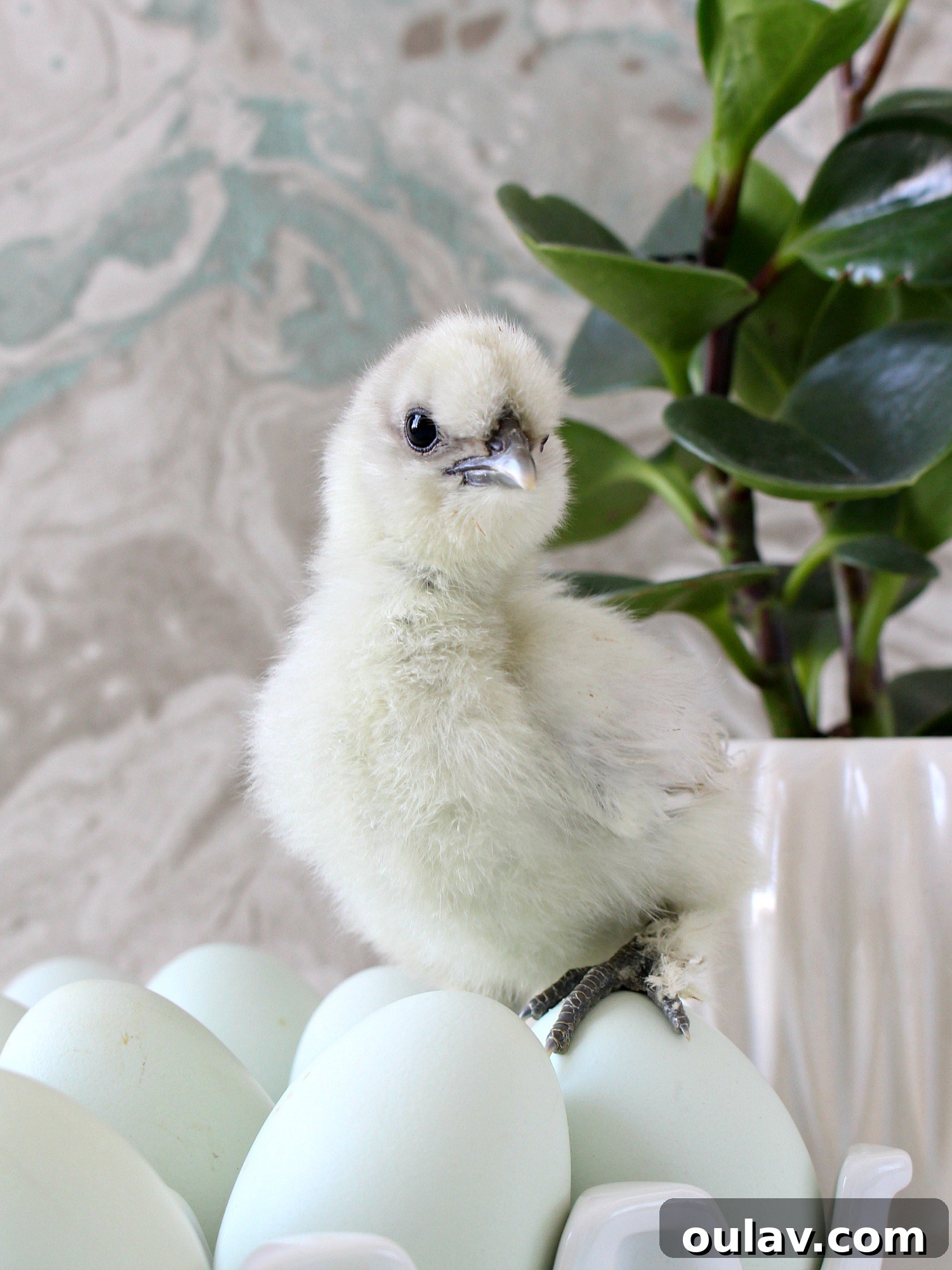
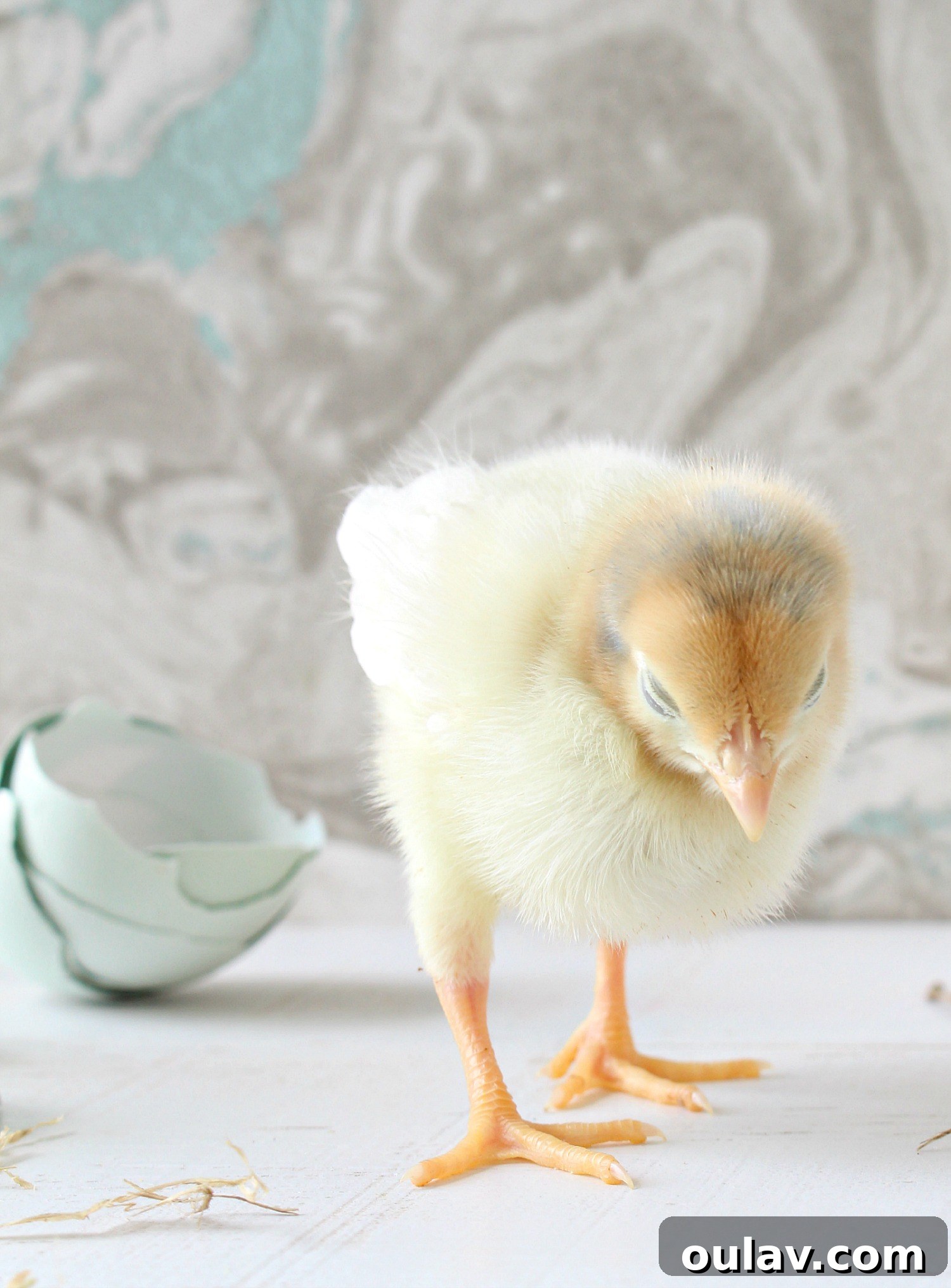
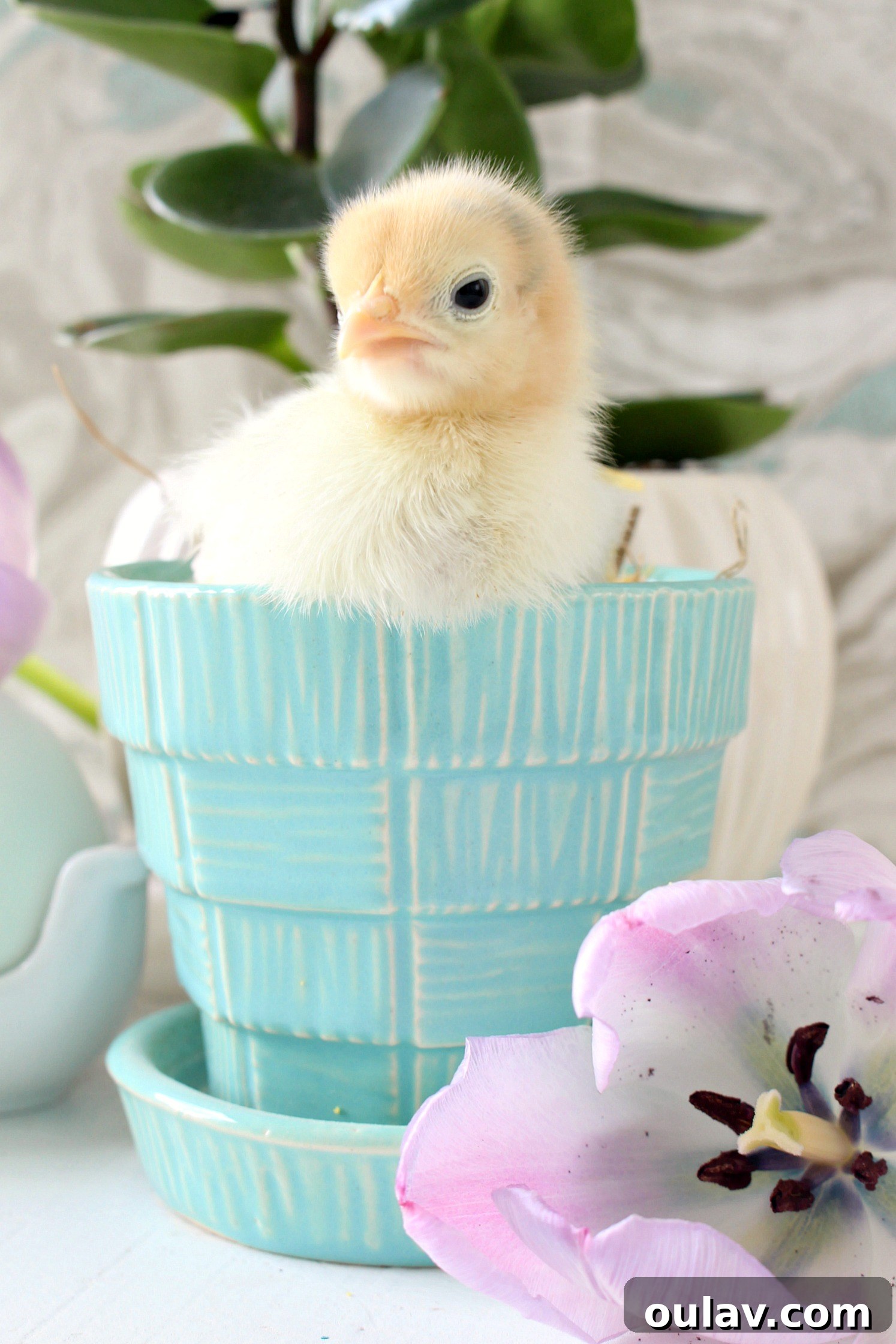
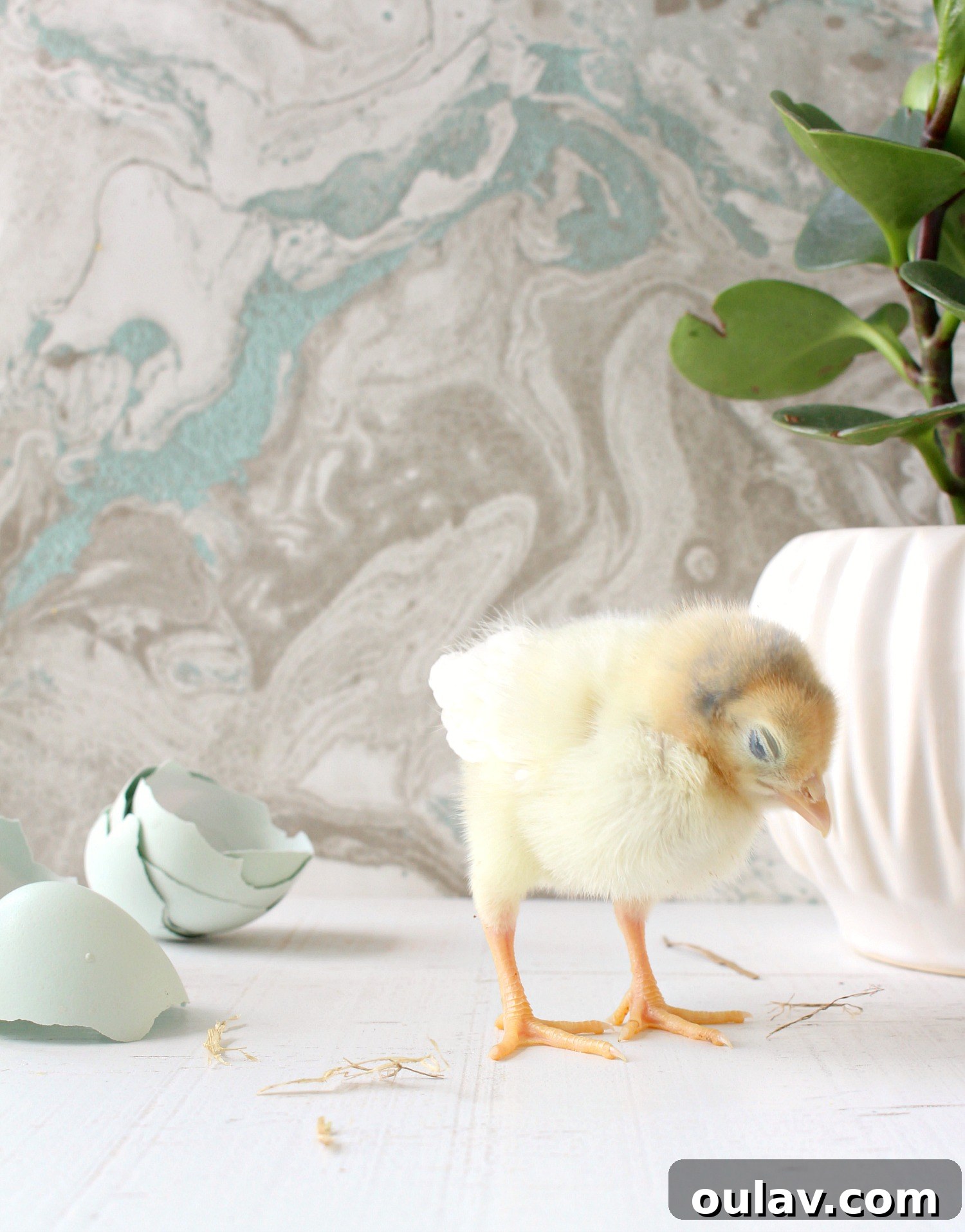
Indeed, the little runt remains quite sleepy. I always make sure its time away from the heat lamp for photos is minimal, just a couple of minutes at most. I carefully observe its behavior: it will eat and drink a bit, maybe even run a short distance, but then it immediately seeks the comforting warmth of the heat lamp, often snuggling aggressively with another chick for extra body heat. A few days later, this sleepiness persists. Our thoughtful friends made us a wonderful 3D-printed chicken, and when I placed it down, my sleepy chick immediately snuggled right up to it. It was an incredibly touching moment that absolutely melted my heart.
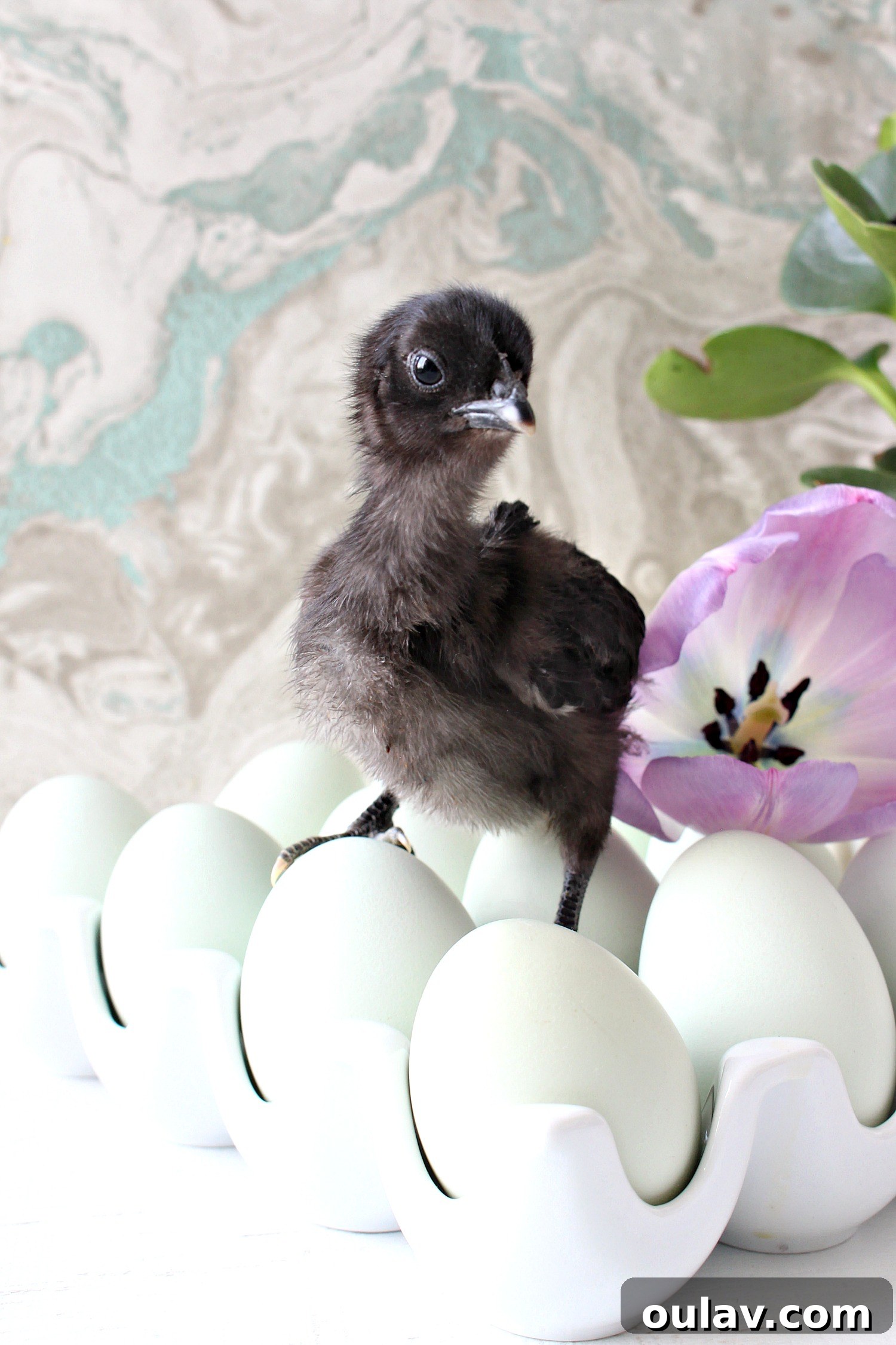
This striking black chick is a Swedish Blue Hen. Tragically, its pair, which I ordered together, did not survive the journey. Swedish Blue Hens are a rare and beautiful breed, characterized by their entirely black plumage, much like my beloved Jet. What makes them even more special is their ability to lay stunning aqua or blue-tinted eggs! I am fervently hoping this one turns out to be a hen, though its unusually boisterous and “annoying” personality currently has me suspecting it might be a future rooster. Only time will reveal its true identity, but regardless, it’s a magnificent addition to our growing flock.
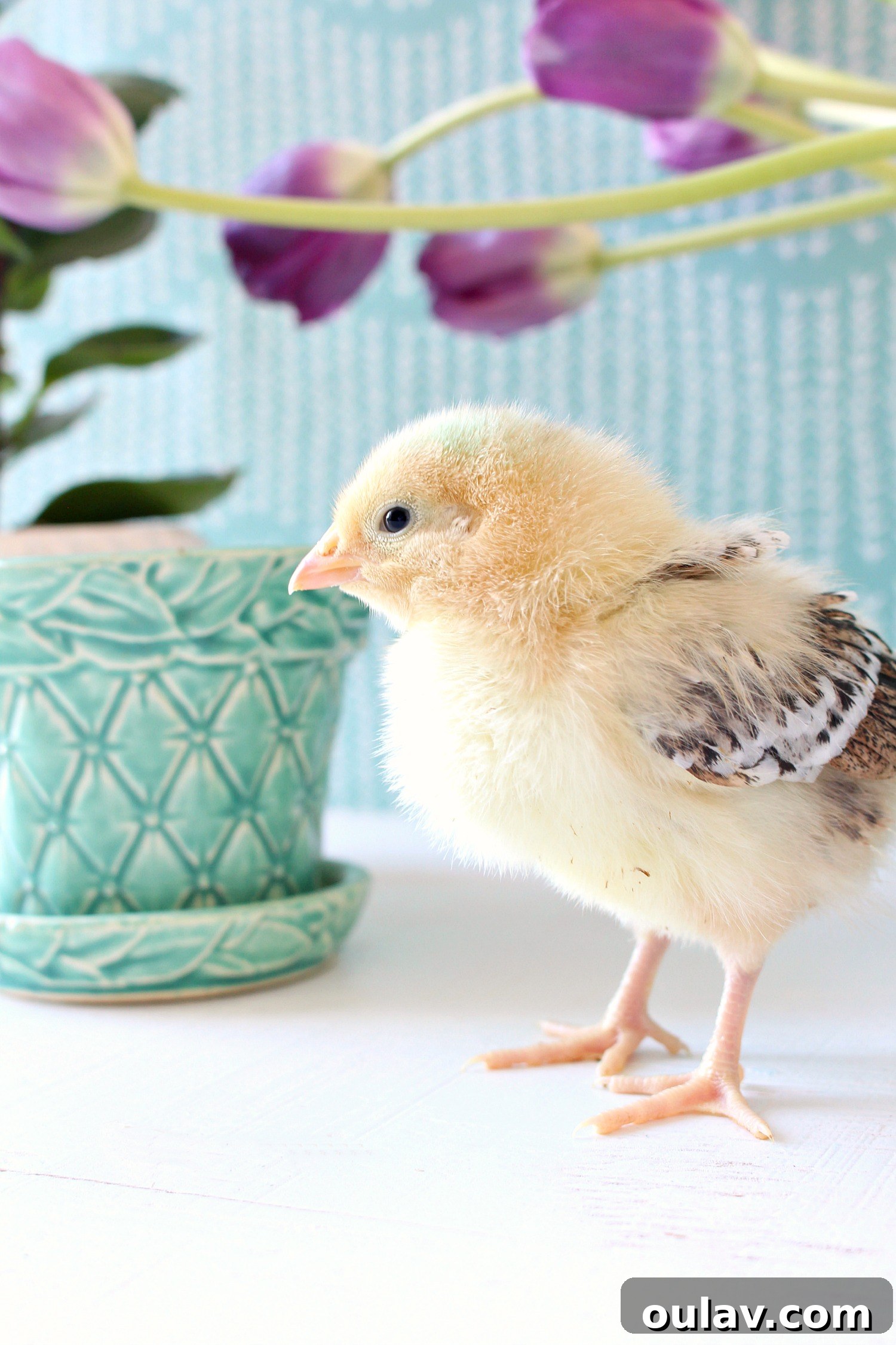
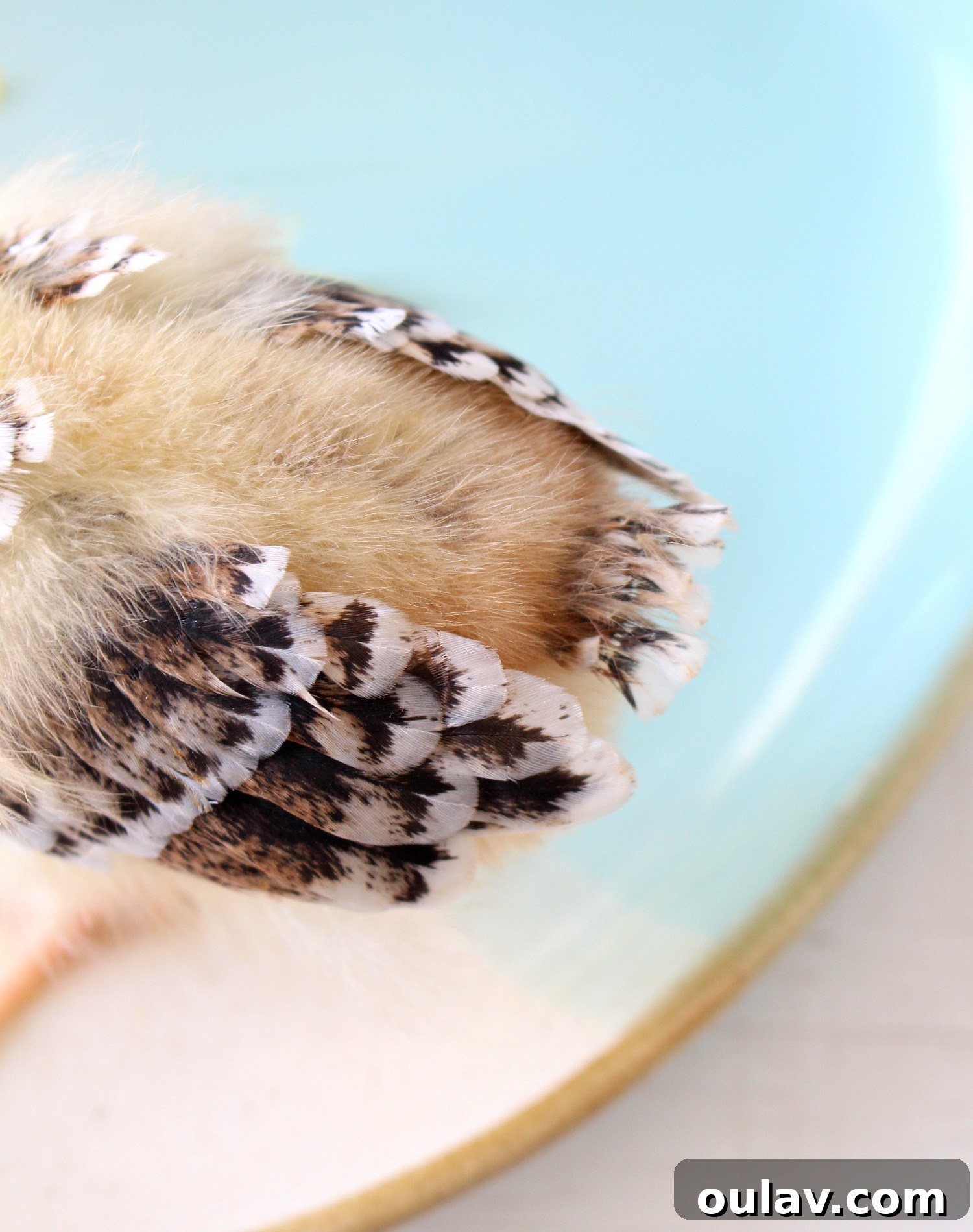
Similarly, another little yellow chick is also a singleton; its companion sadly passed away in my hands. Despite this difficult start, this resilient little one is thriving, growing remarkably strong and healthy. It seems to be developing even faster than the other chicks, a wonderful surprise! Every day, new feathers seem to spring forth. If you observe chicks closely enough, you can almost witness their rapid feather growth in real-time. It’s truly astonishing how quickly chickens develop and mature from tiny, fluffy hatchlings into capable, feathered birds. This rapid development is a constant source of wonder and a reminder of nature’s incredible efficiency.
Behind the Scenes: The Art (and Chaos) of Chick Photography
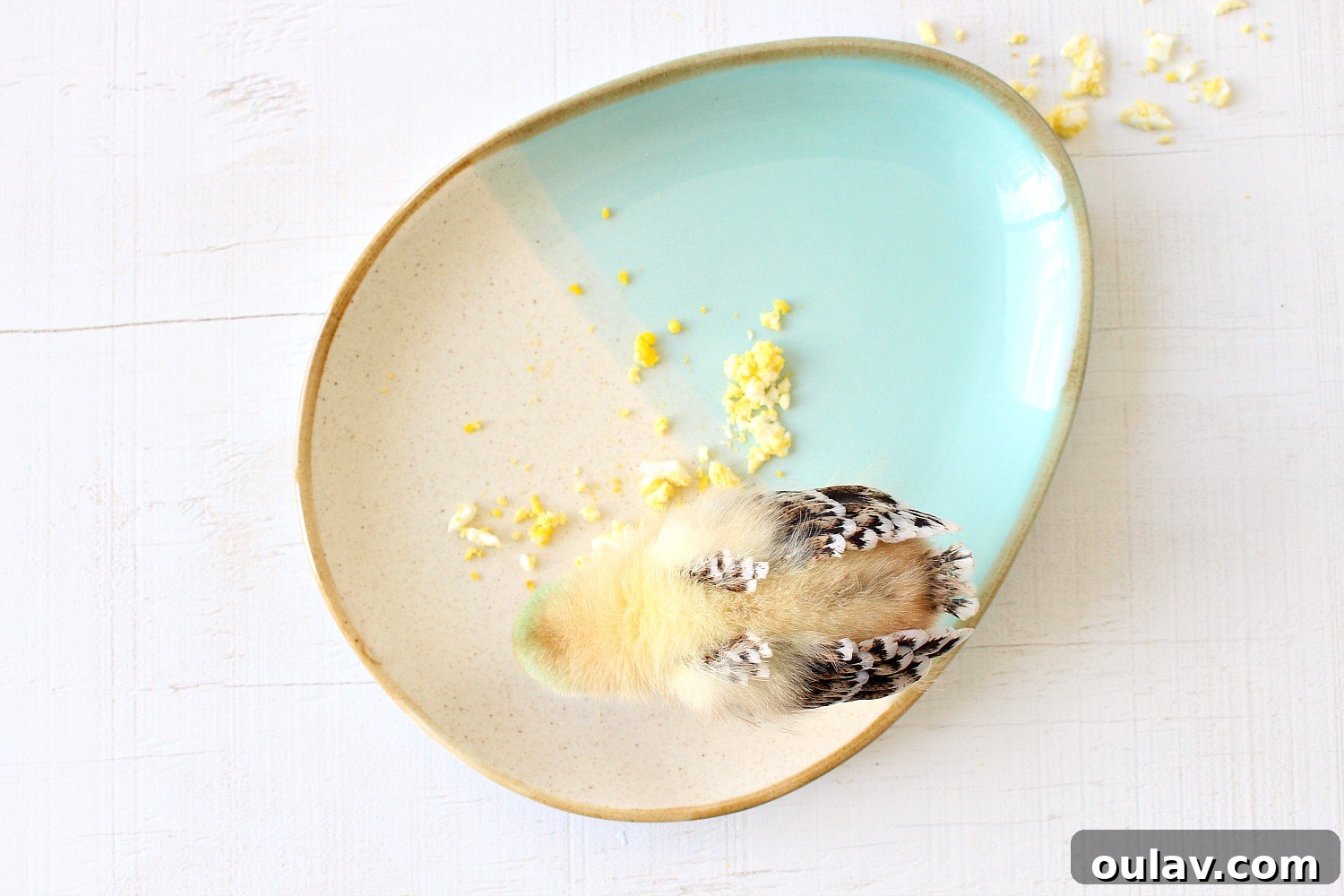
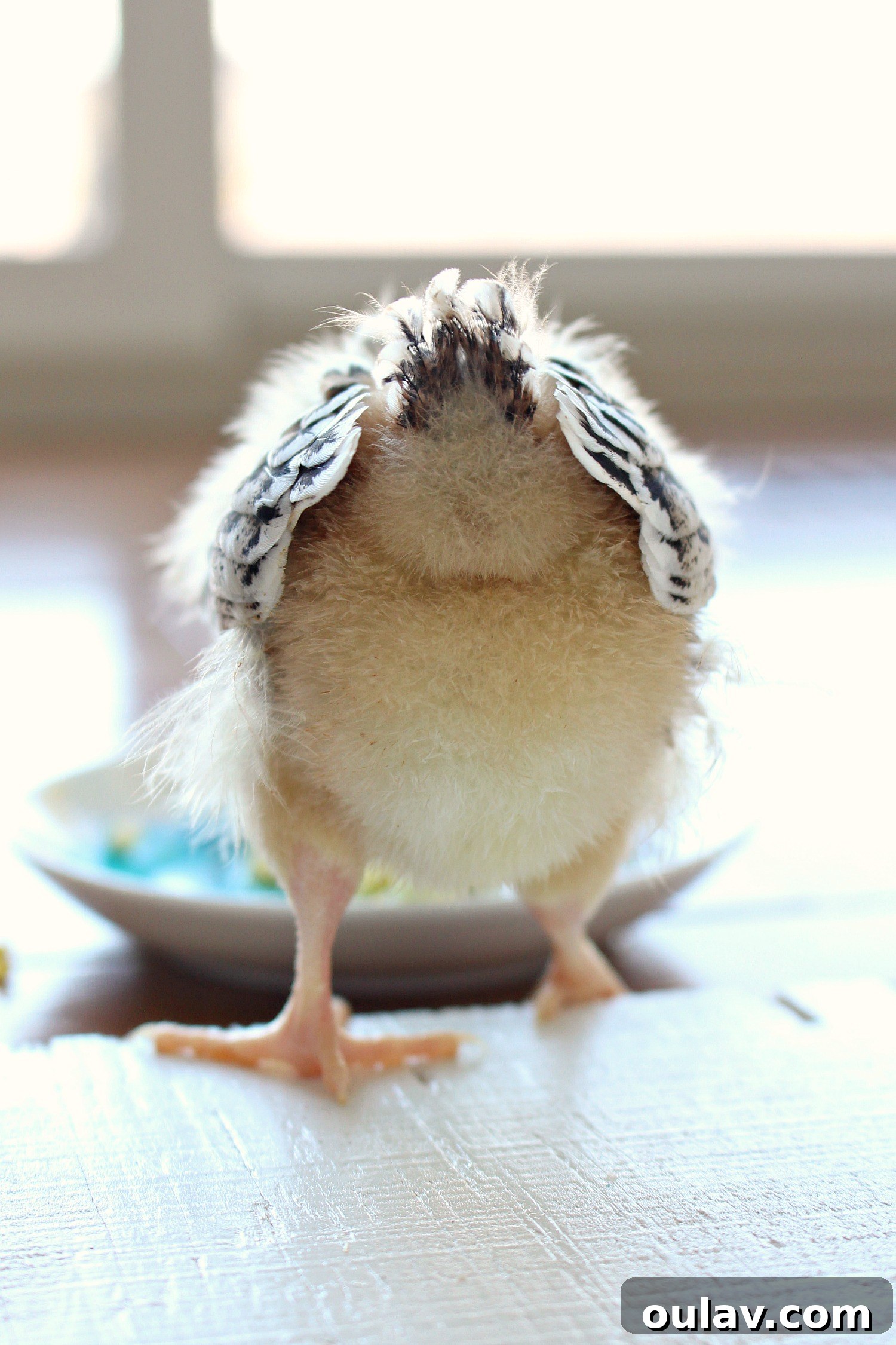
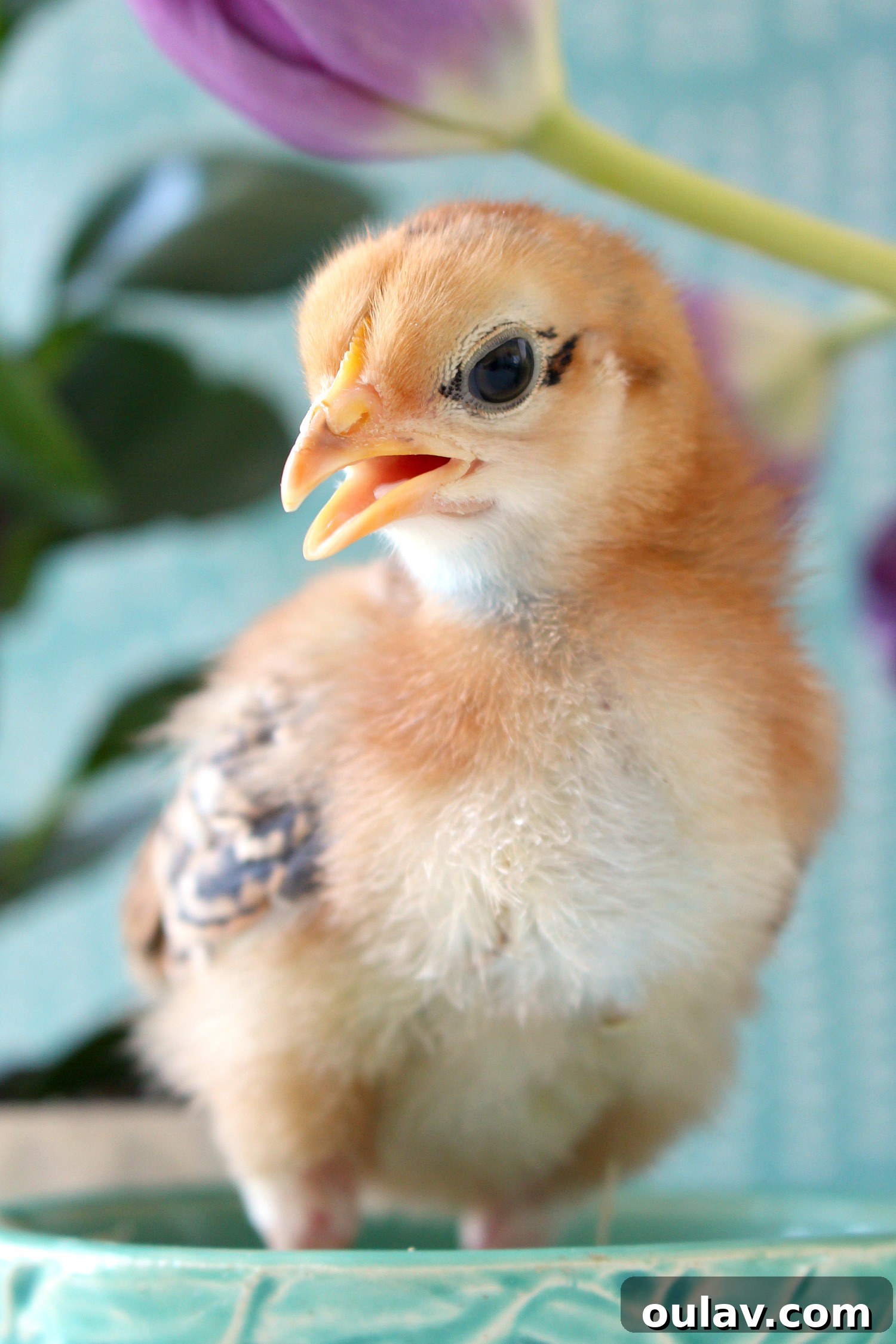
Our little feathered models have a mind of their own! One recently decided to take an unscheduled stroll off set and promptly discovered my secret stash of hard-boiled eggs. They absolutely adore a good mashed hard-boiled egg; some prefer the rich yolk, while others gravitate towards the fluffy whites. It’s always amusing to see their preferences. But let’s be honest, there are frequent “complaints” during our photo shoots! A loud, continuous peep is their clear signal of discontent, a tiny, angry declaration of “I’m not happy about this!” In contrast, those sweet, twittering, bird-like sounds mean they are content and at ease. This, for instance, is undoubtedly a loud, angry peep:
Sometimes, they simply refuse to cooperate and pose cutely. I’m convinced it’s a deliberate tactic to expedite the photoshoot and get straight to the treat portion of the day. They are naturally adorable, so any perceived “bad behavior” is surely an act! When they’ve had enough of posing, they’ll often dart past the camera, either eager to explore their surroundings or, my favorite, climb onto my face for a snuggle. I typically lie on my stomach to capture these close-up shots, and those moments when they come right up for a cuddle are truly special and incredibly rewarding. It’s a wonderful way to bond with them and reinforce their comfort with human interaction, which is key to having a friendly flock later on.
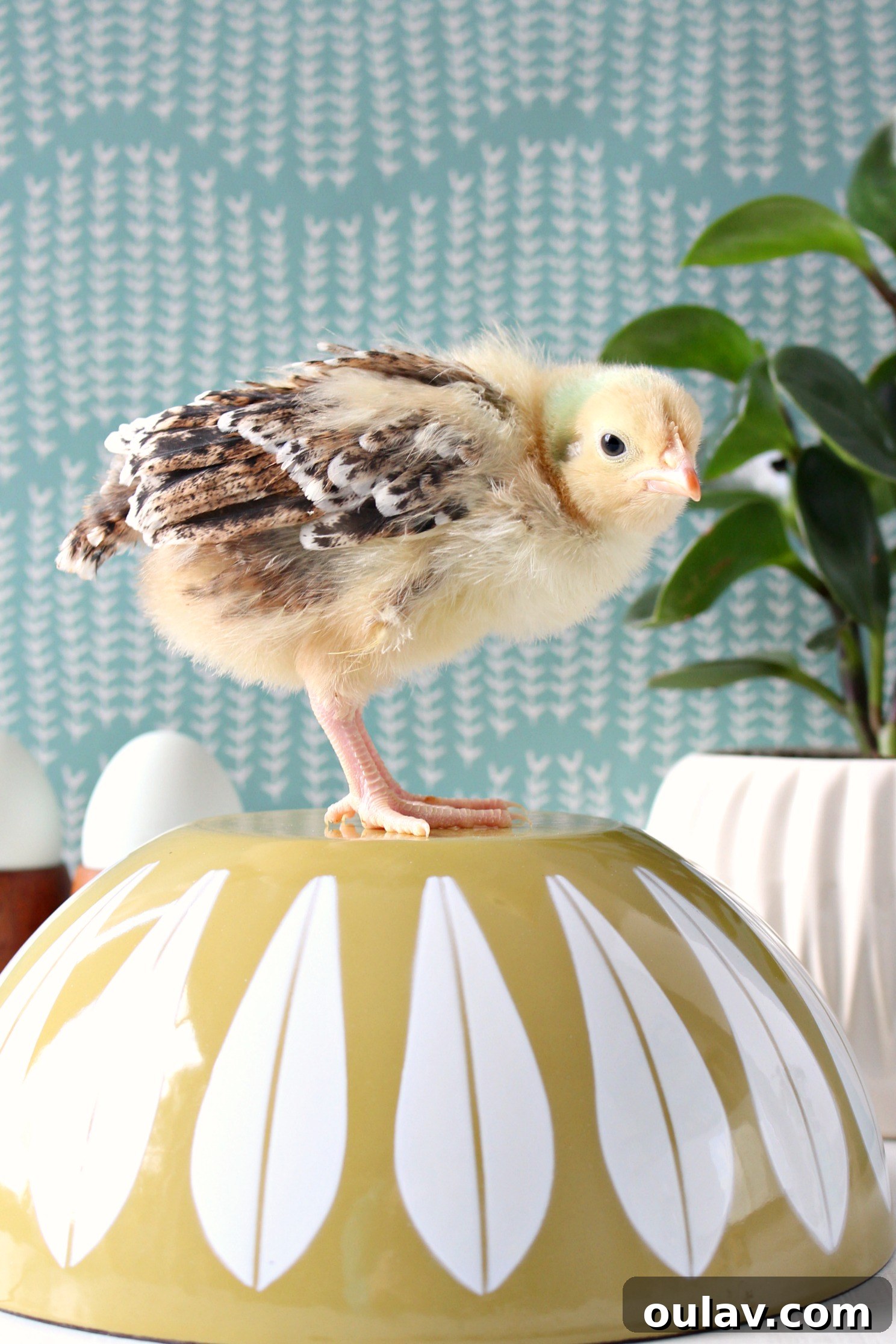
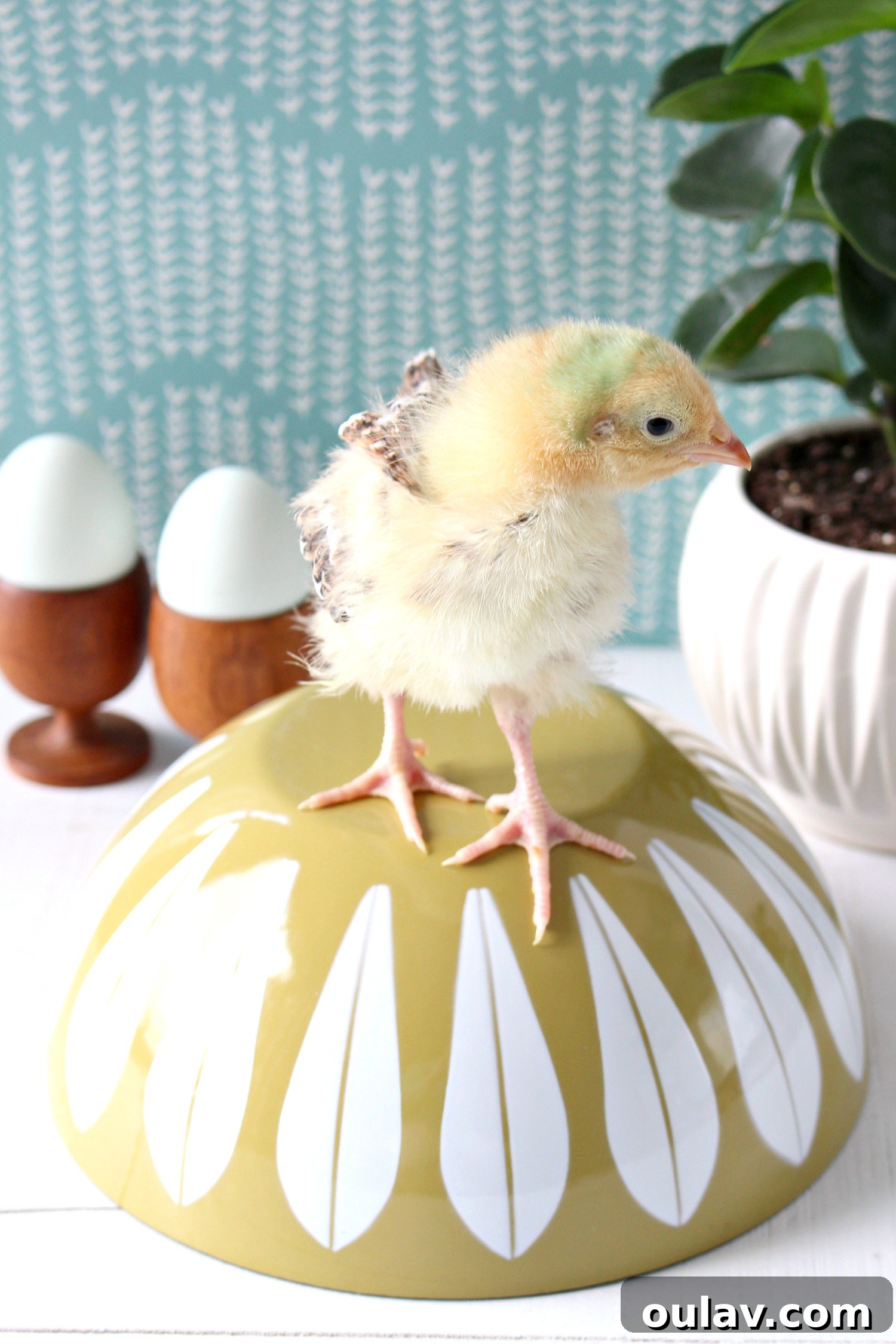
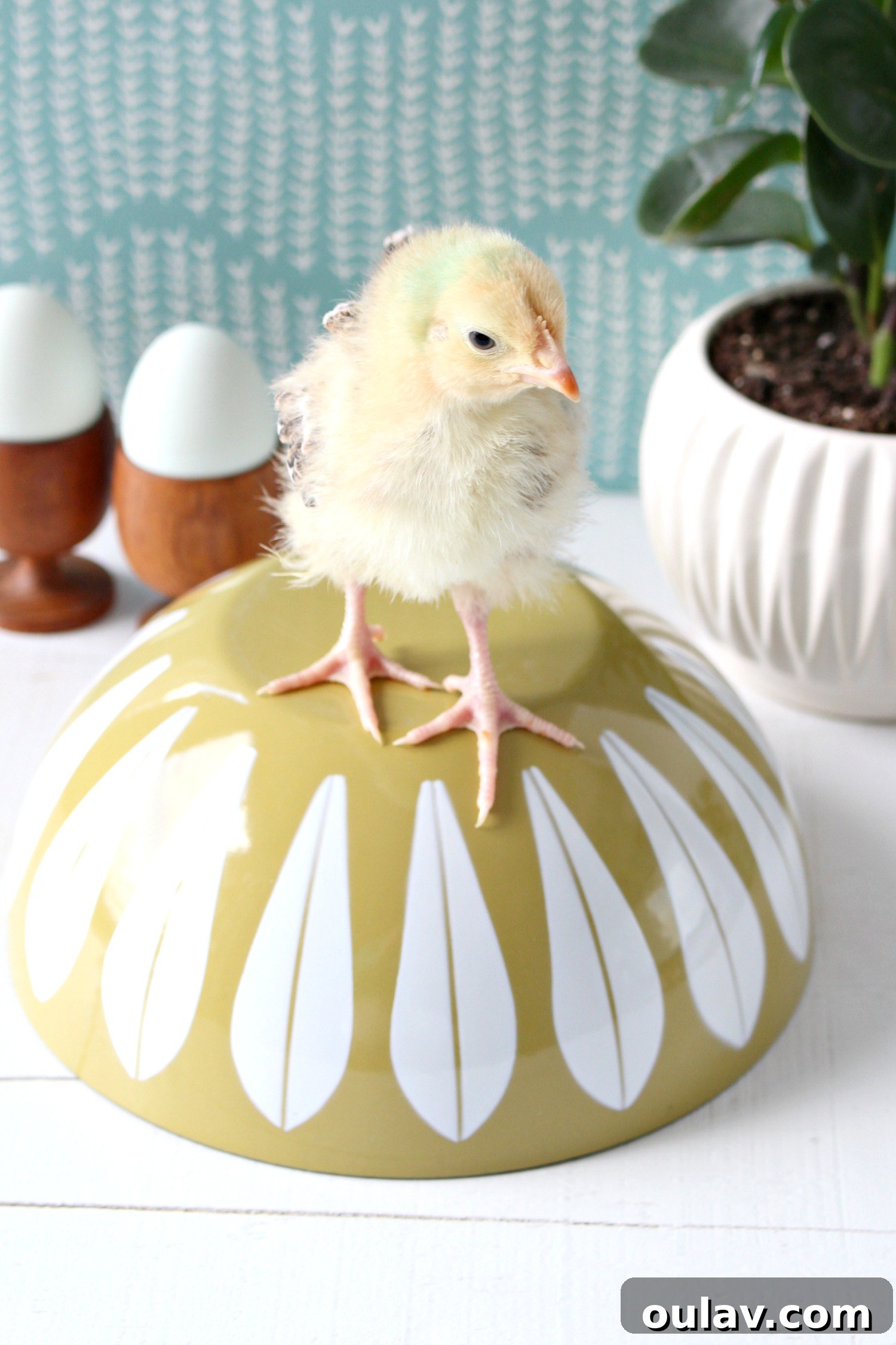
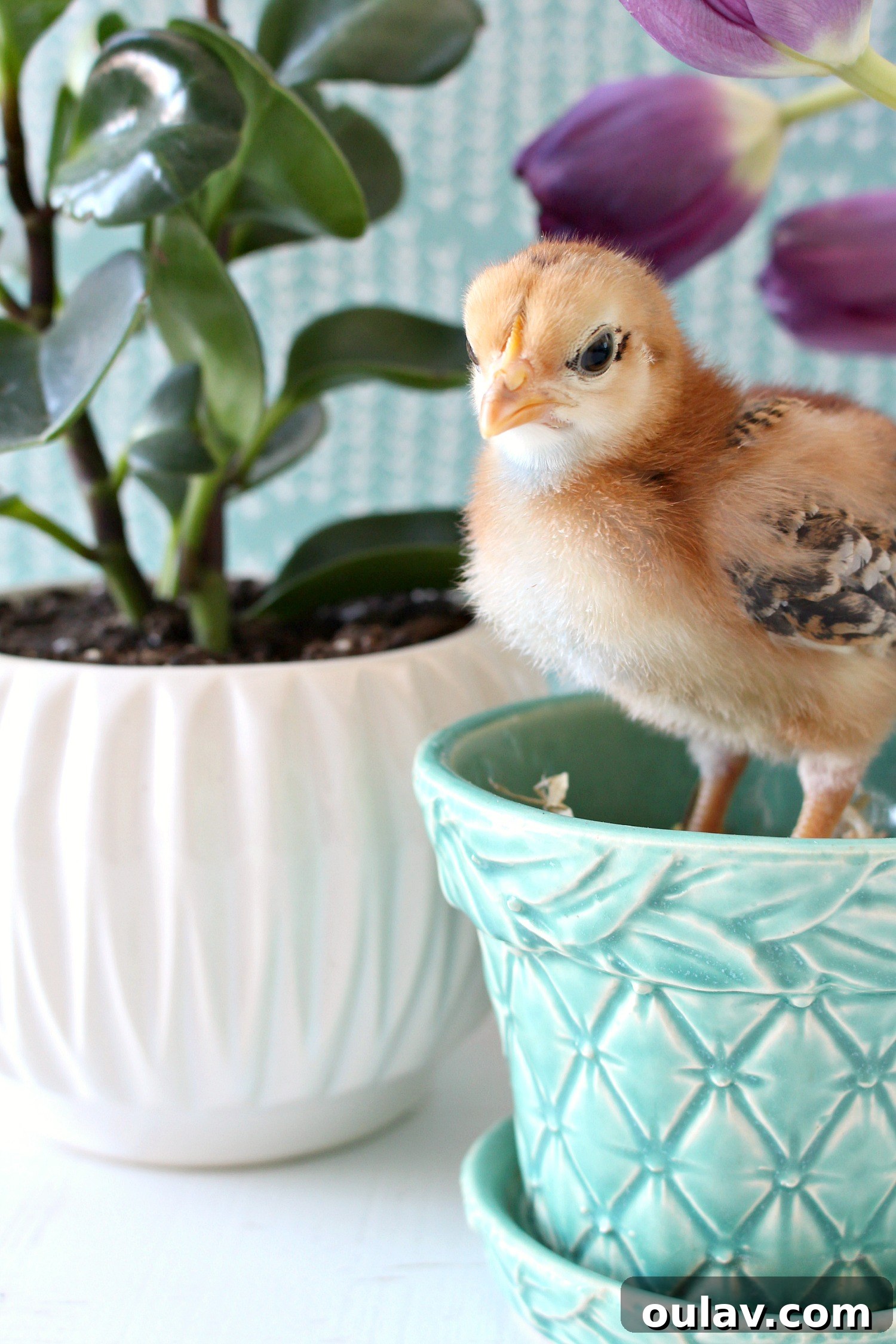
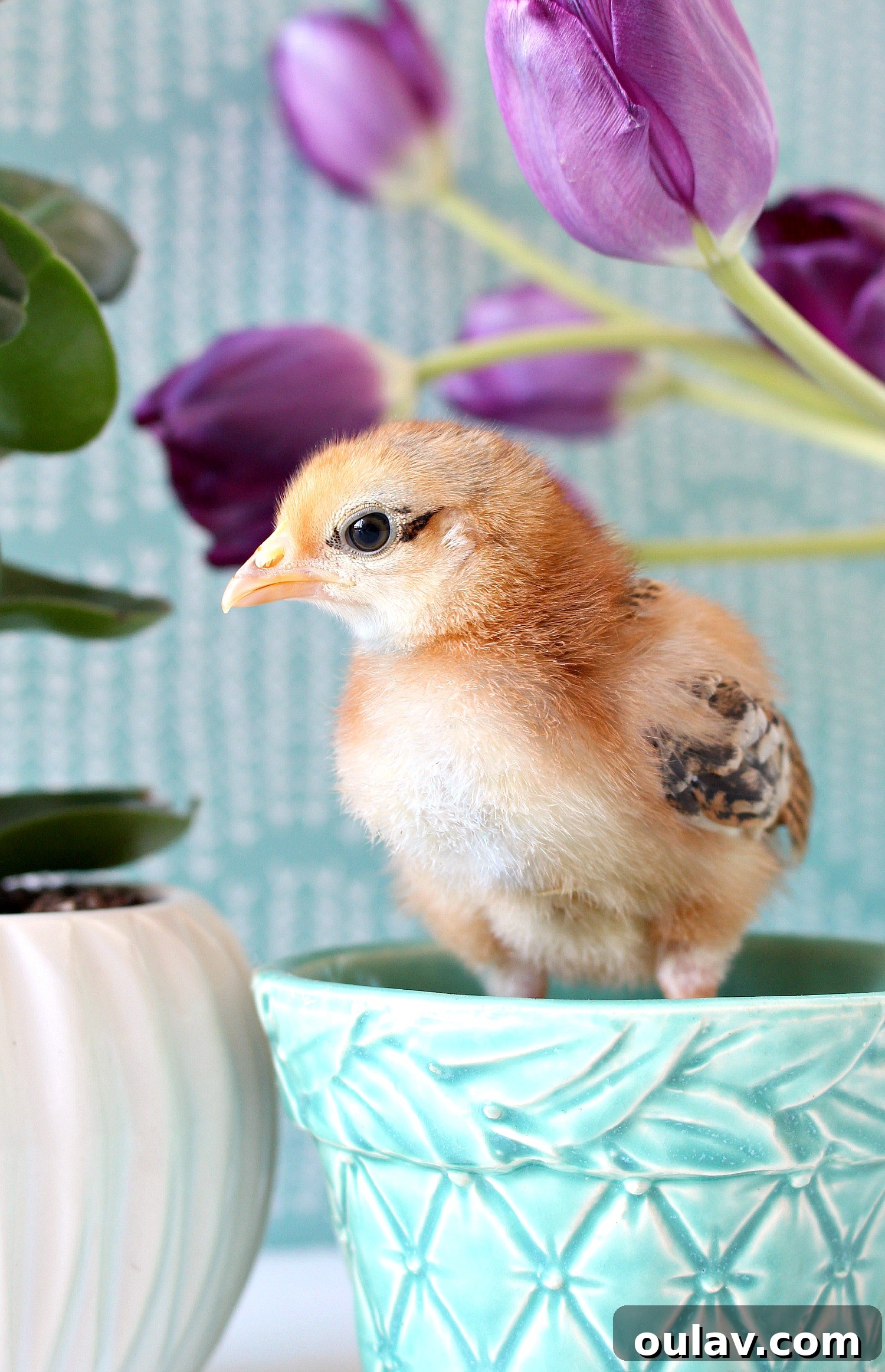
Safety is always paramount during these little sessions. I meticulously set up my “sets” directly on the ground, ensuring that if any chick decides to make a dash for it, they won’t fall or get injured. The dogs are also safely tucked away in the bedroom, just to eliminate any potential distractions or risks. Creating these unique backdrops has been an absolute blast, allowing me to combine my love for photography with my passion for my chickens. Plus, handling the chicks regularly is an excellent way to socialize them, just like I did with my previous batch, which resulted in a wonderfully friendly flock. I’ve found that baby chicks look particularly charming nestled among vintage McCoy pottery planters, adding a touch of rustic elegance to their already irresistible cuteness.
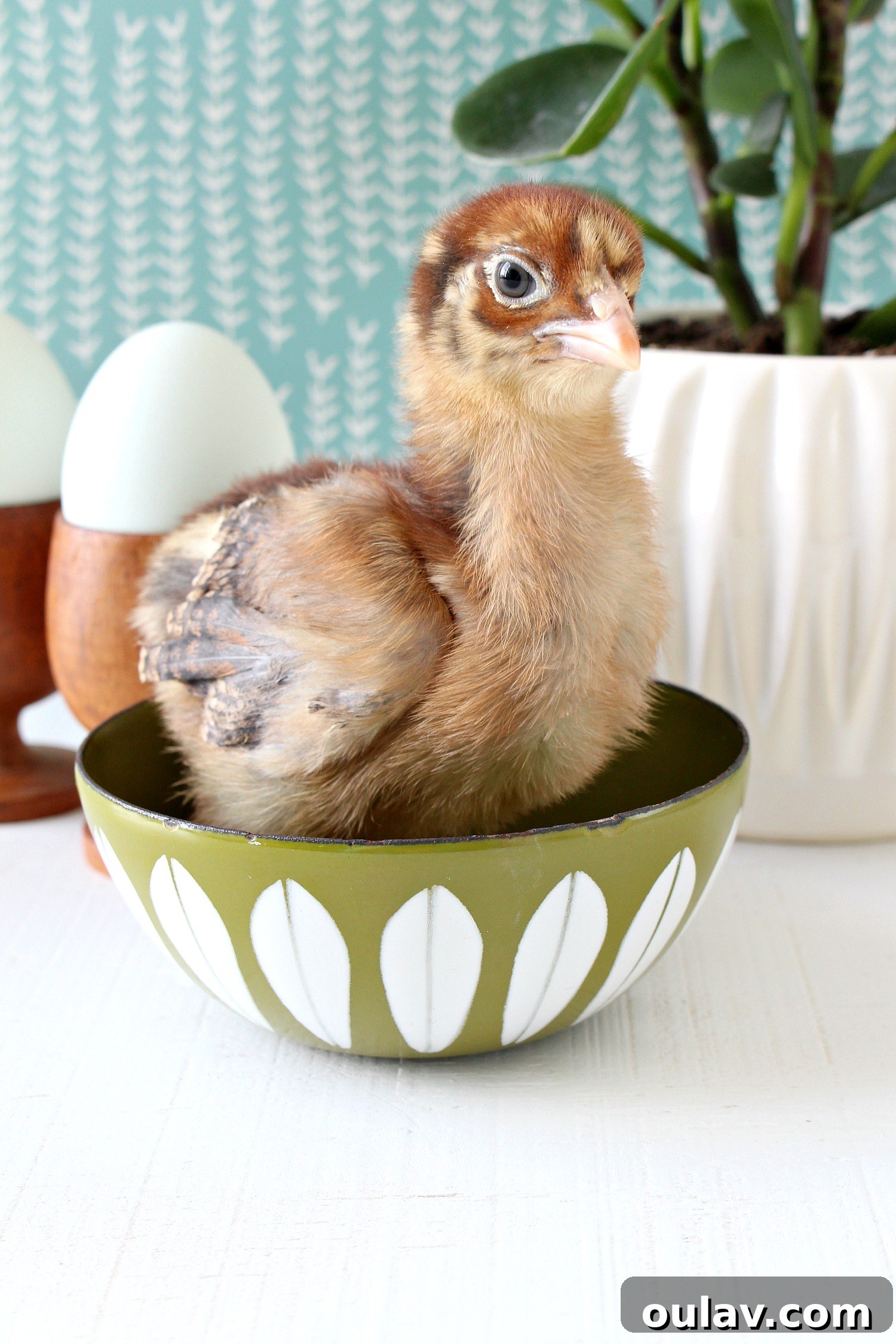
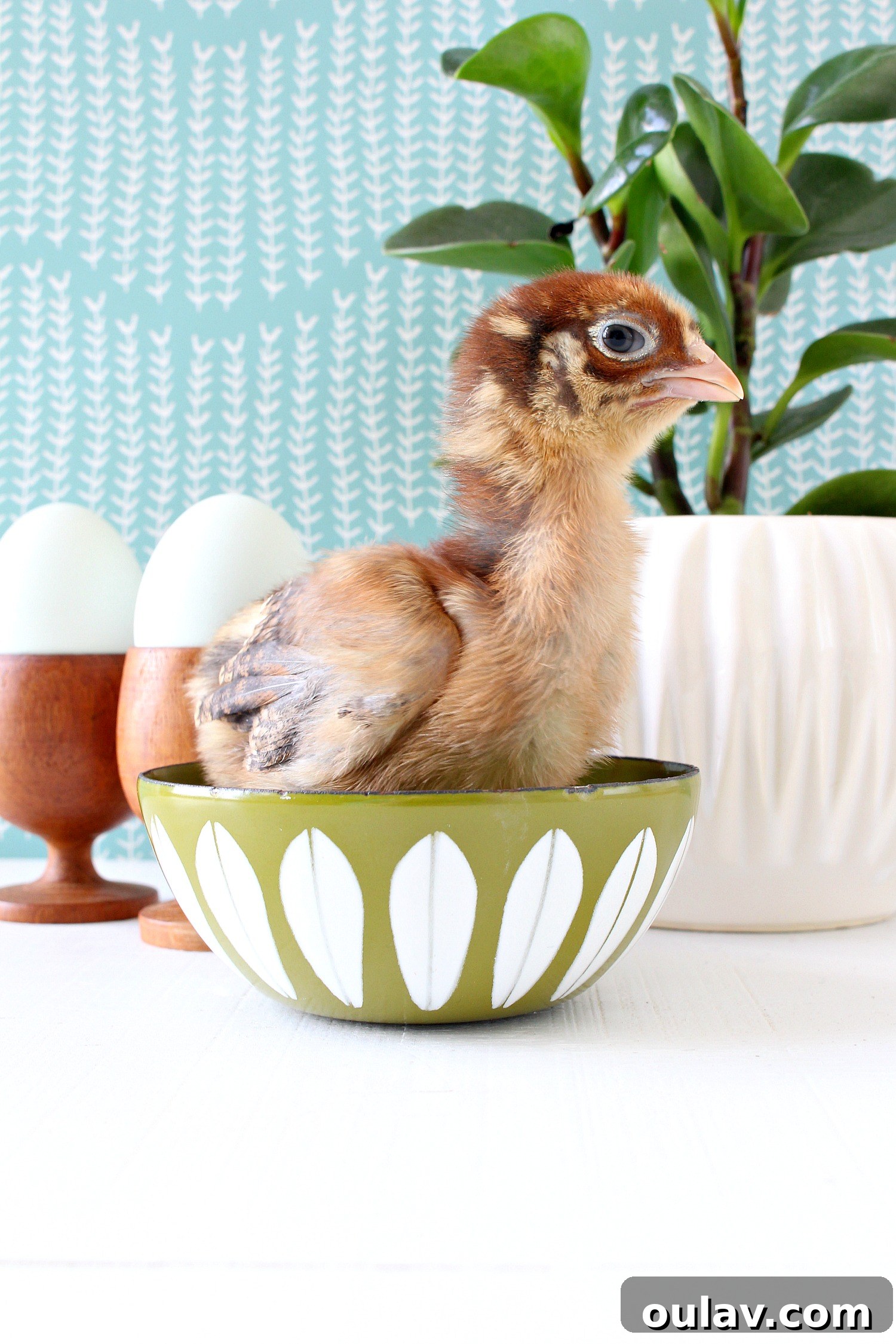
And of course, vintage Cathrineholm pieces are another favorite for adding a touch of classic design to our chick portraits:
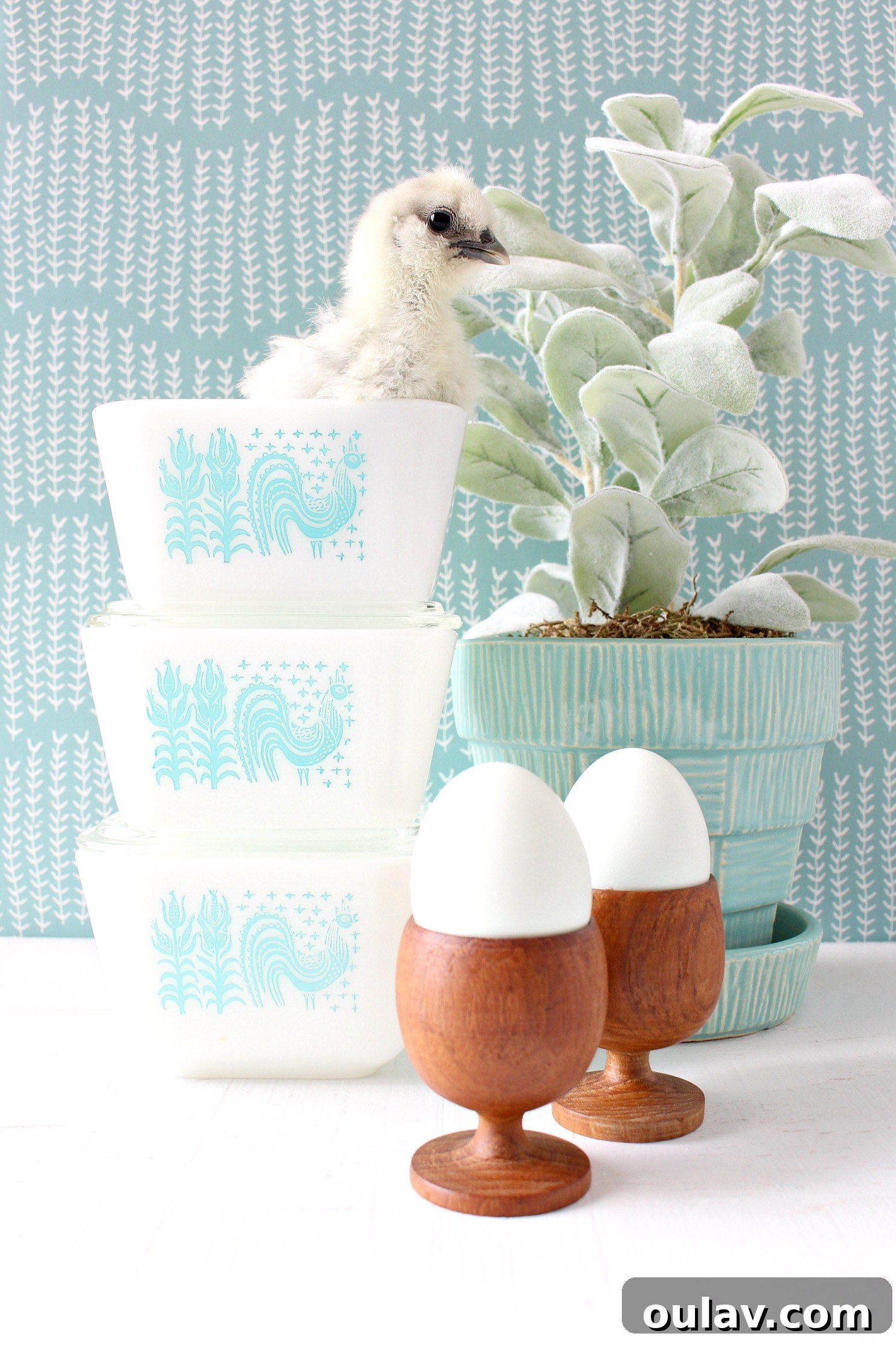
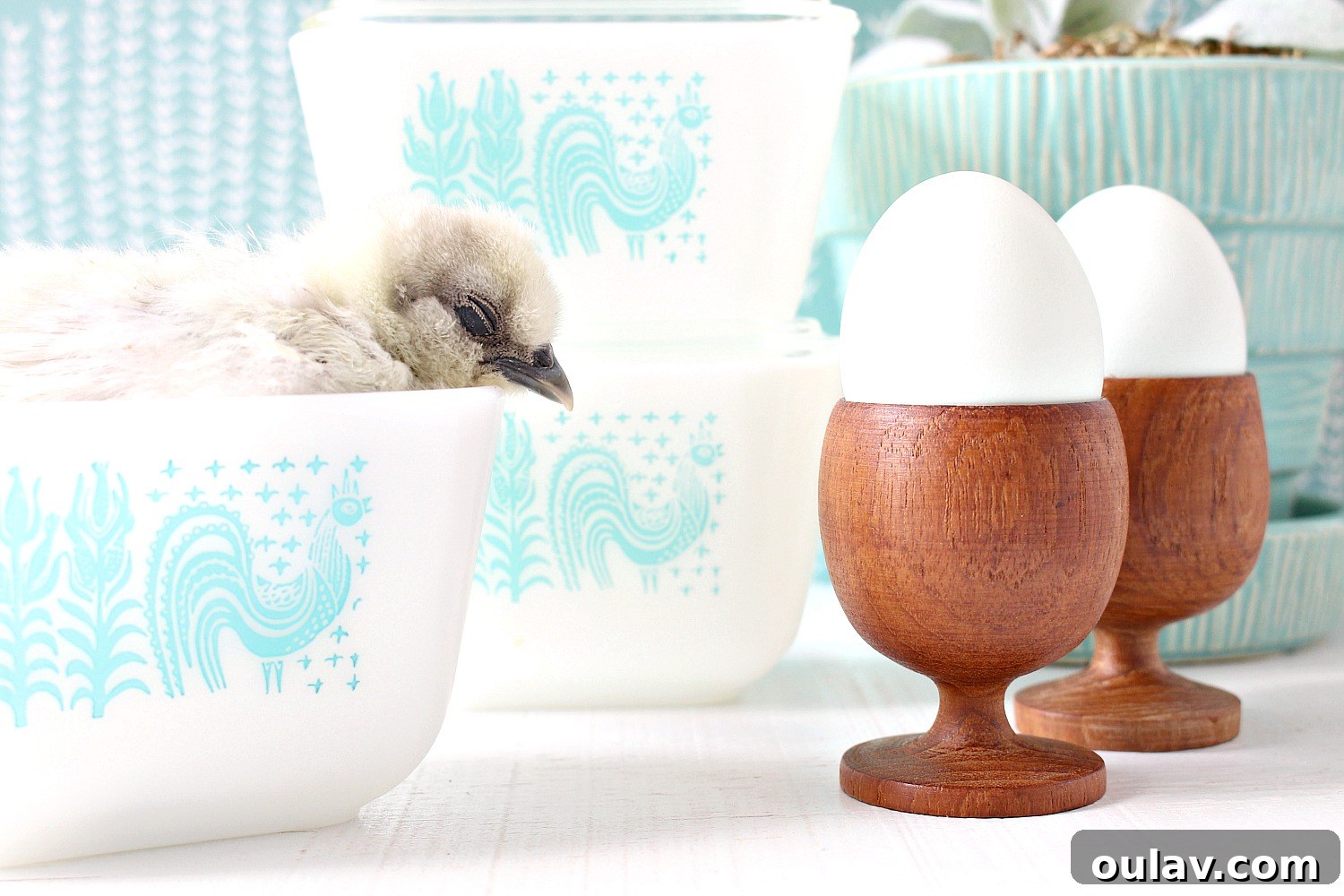
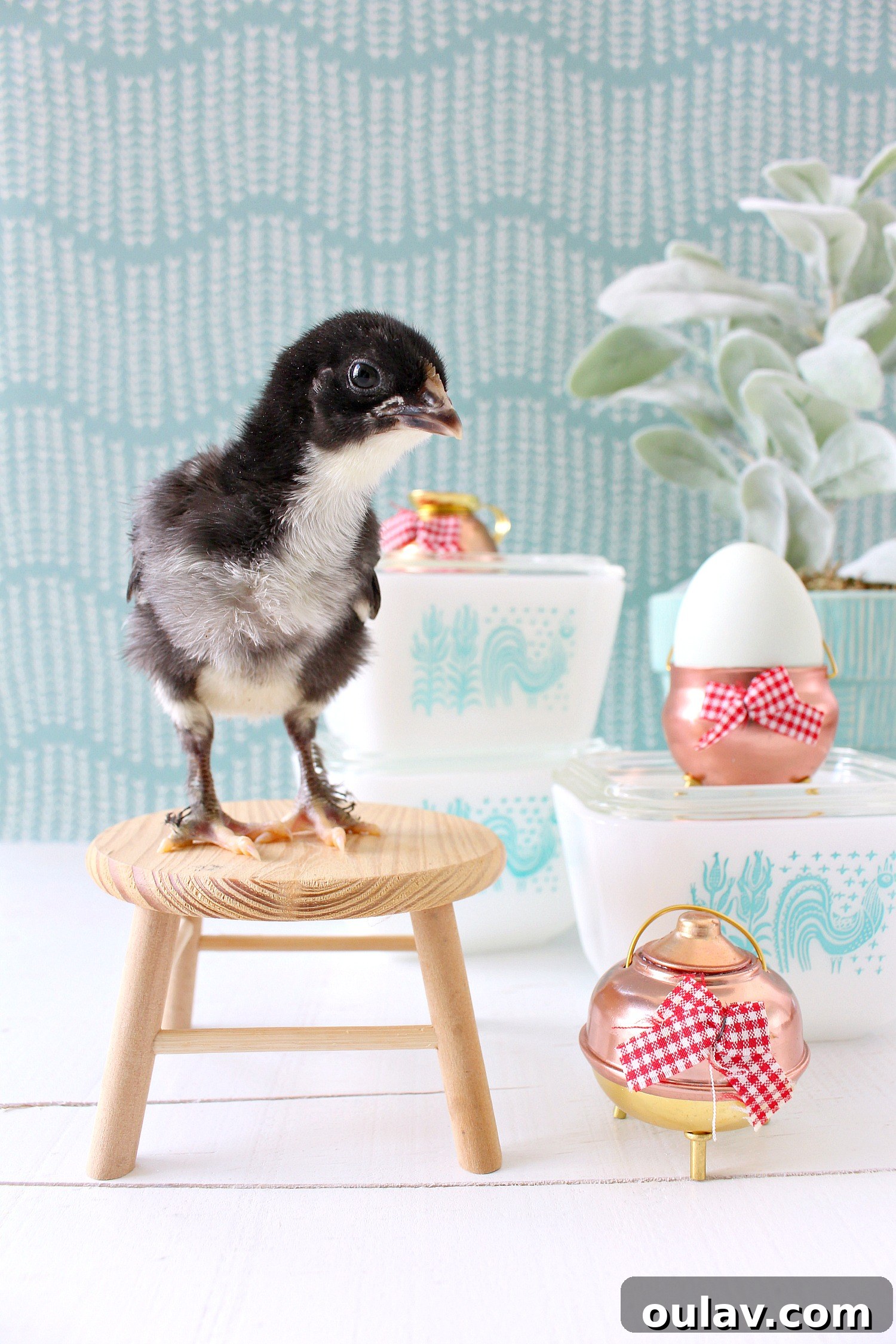
And let’s not forget vintage Pyrex bowls – sensing a theme yet? Mixing these nostalgic home goods with the fresh innocence of baby chicks creates a truly unique and charming aesthetic for our spring photoshoots!
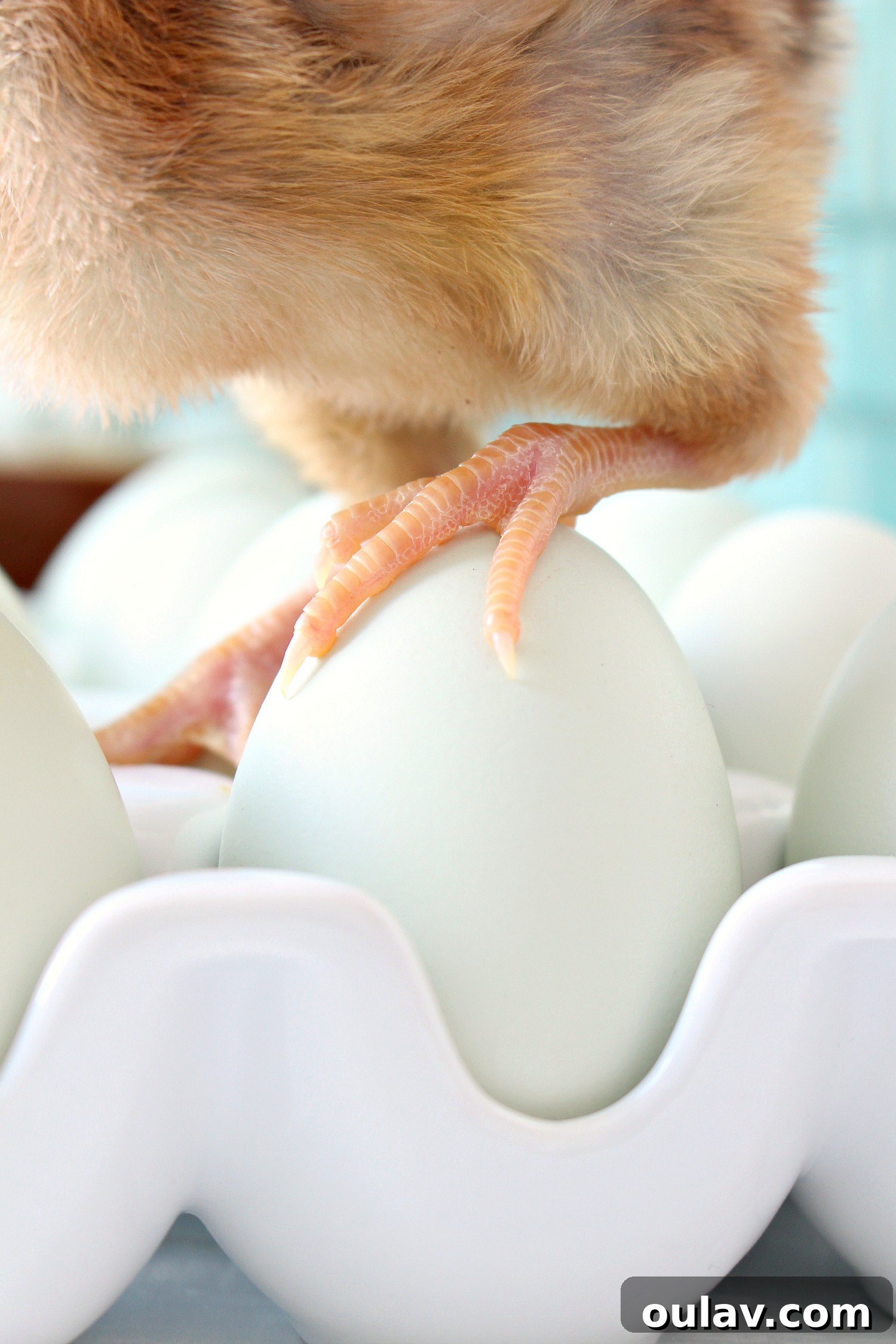
On an entirely unrelated note, just look at this tiny, perfect chick foot! It’s amazing how much detail is packed into such a small creature.
Black Copper Marans: The Promise of Chocolate Eggs and Future Breeds
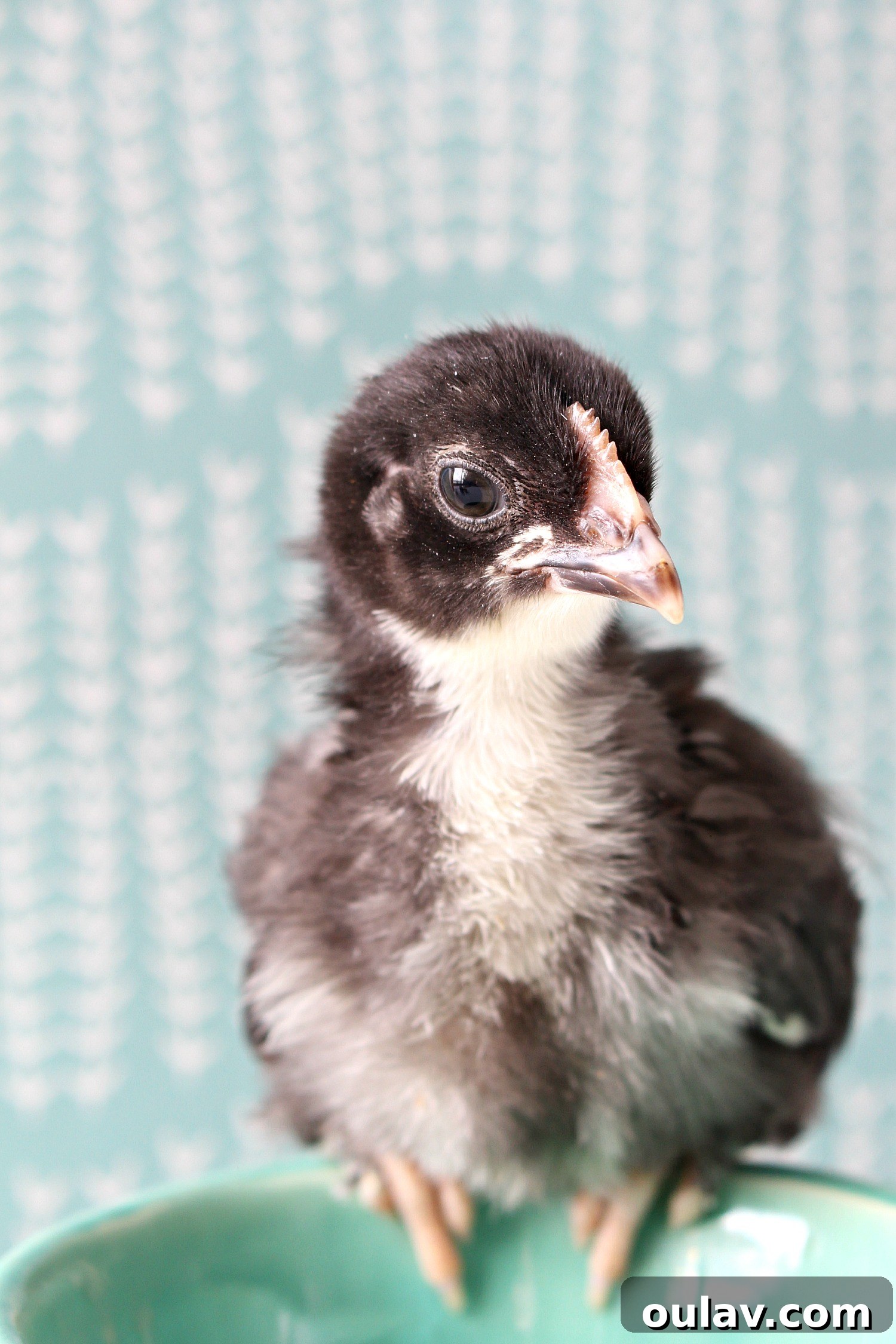
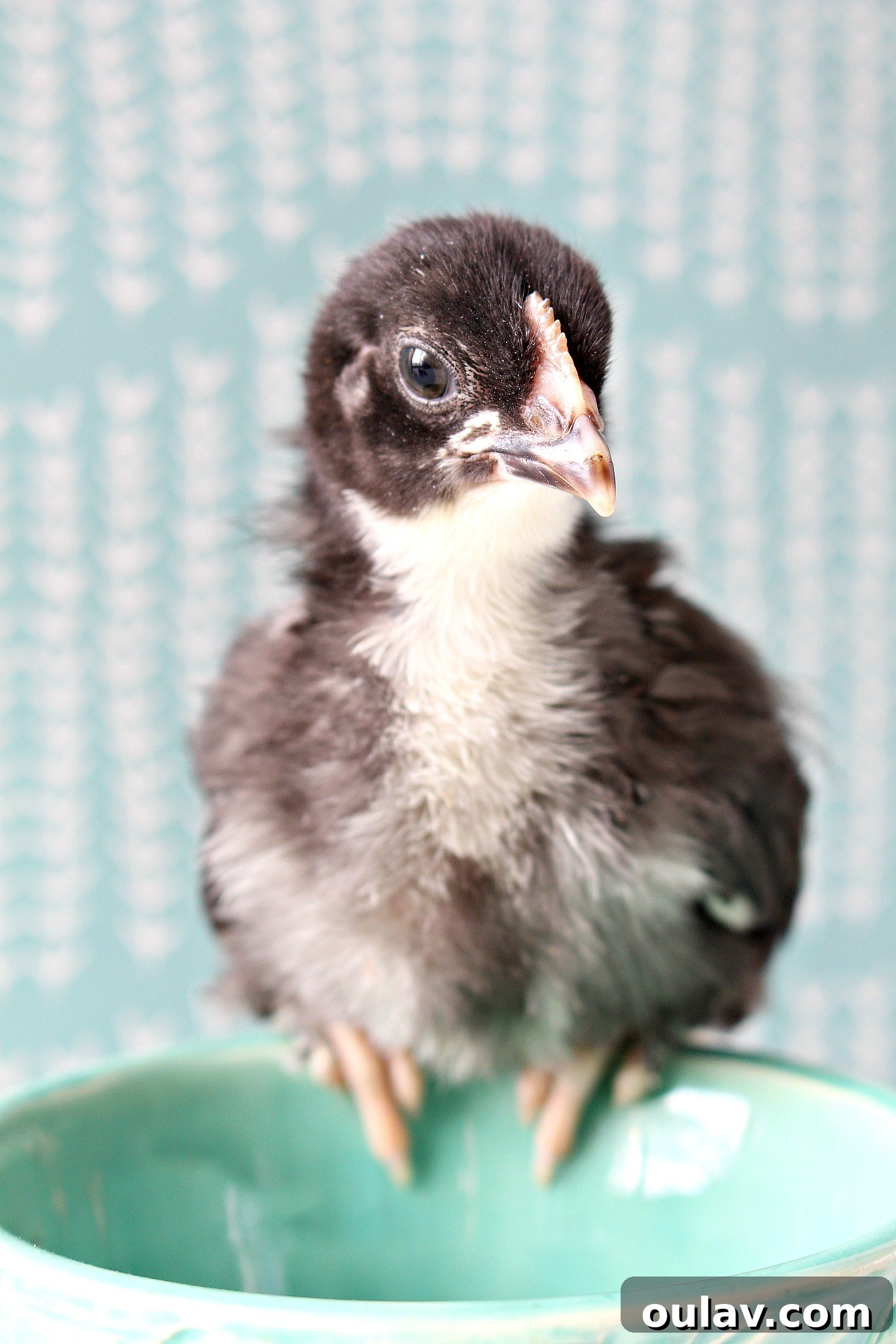
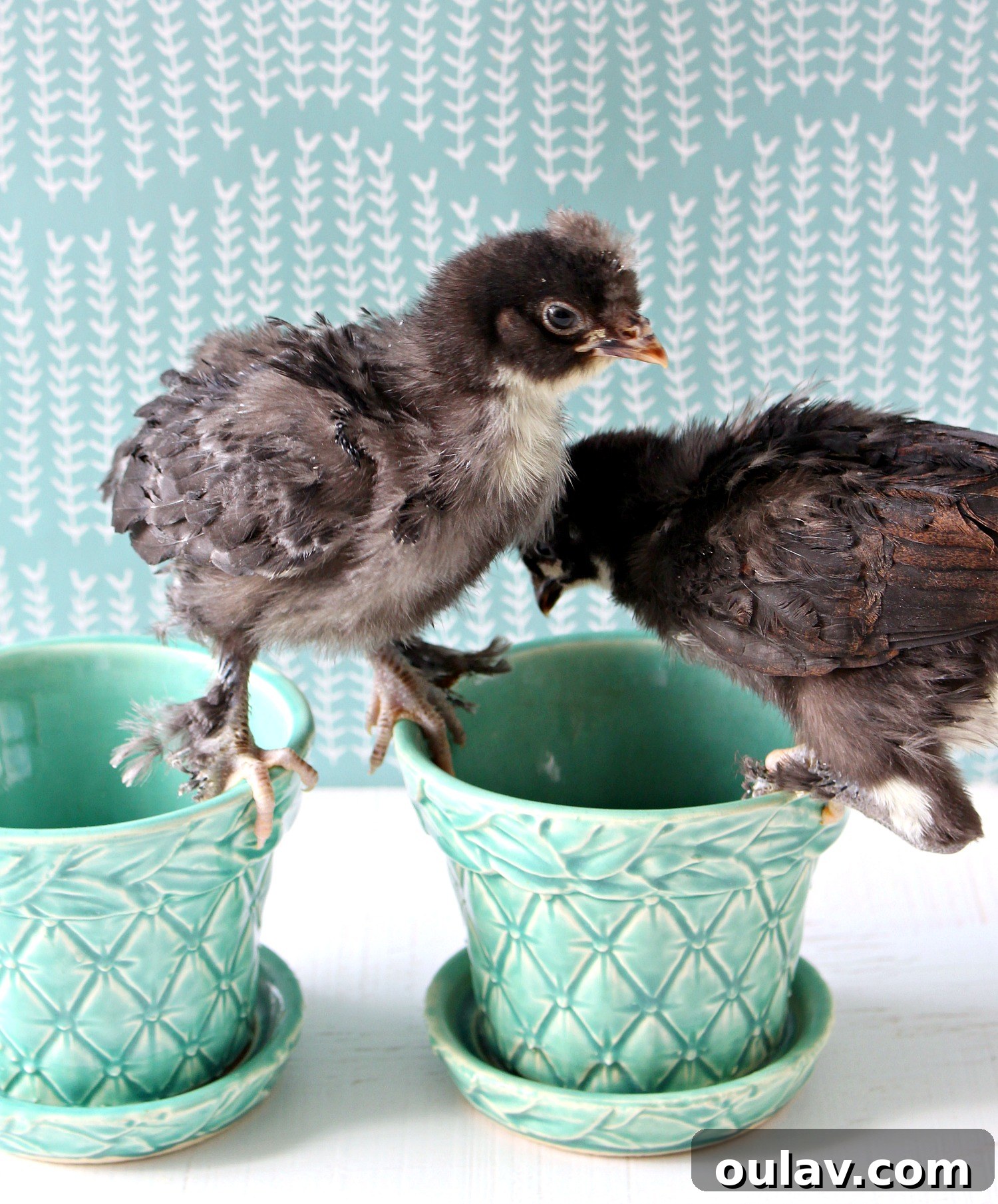
While some of our baby chicks remain a delightful mystery, I can definitively say that we have two magnificent Black Copper Marans among them. This highly sought-after breed is renowned for laying spectacularly dark, chocolate-brown eggs, which will be a stunning addition to our colorful egg basket. The hatchery even helped me confirm their breed when we were investigating a chick that sadly didn’t make the journey, so at least these two are easily identifiable in our diverse flock. I strongly suspect that one of these striking chicks is a rooster, and the other a hen, based on early observations. This particular chick, with its more dominant stance and bolder feathering, is what I *think* is the rooster:
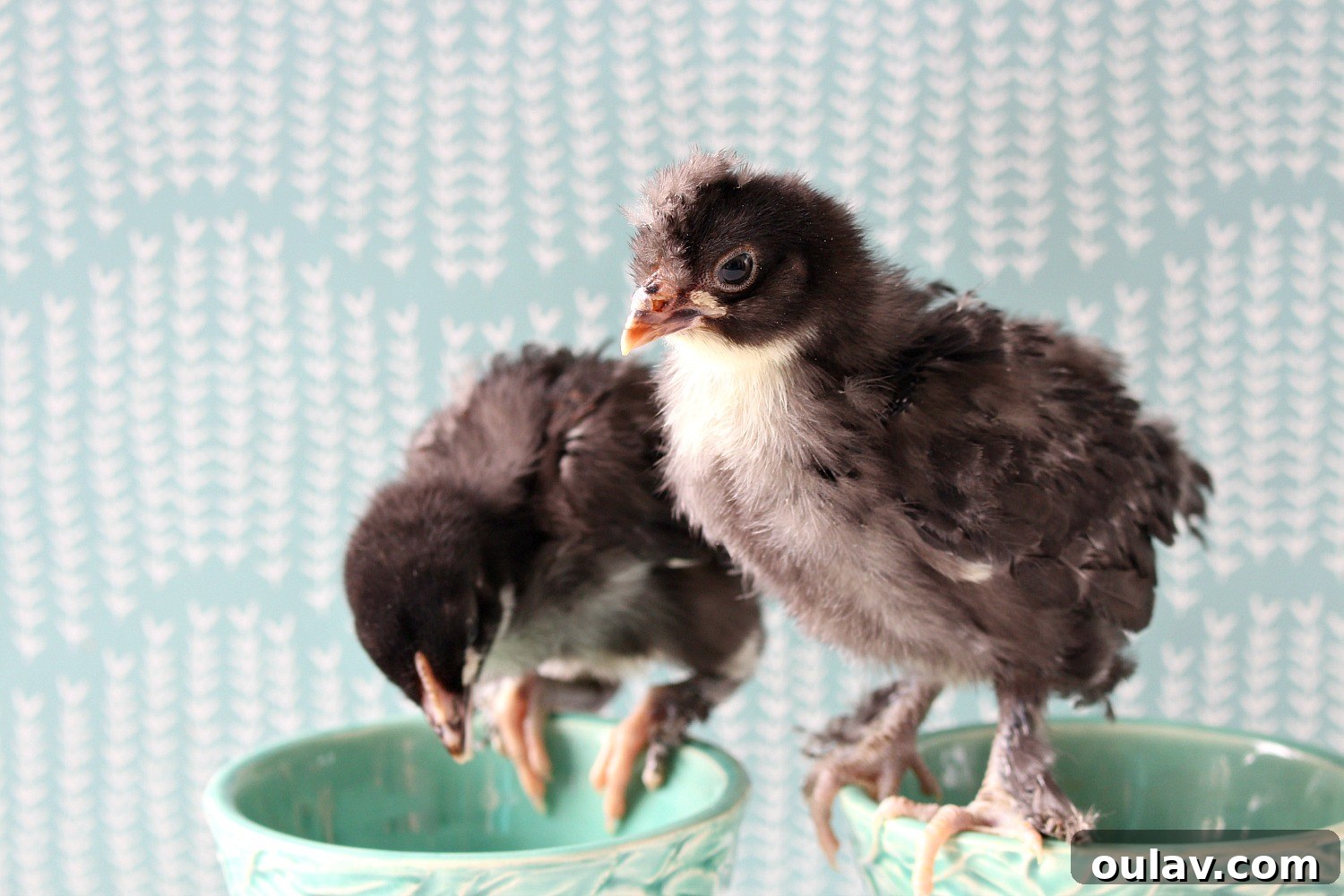
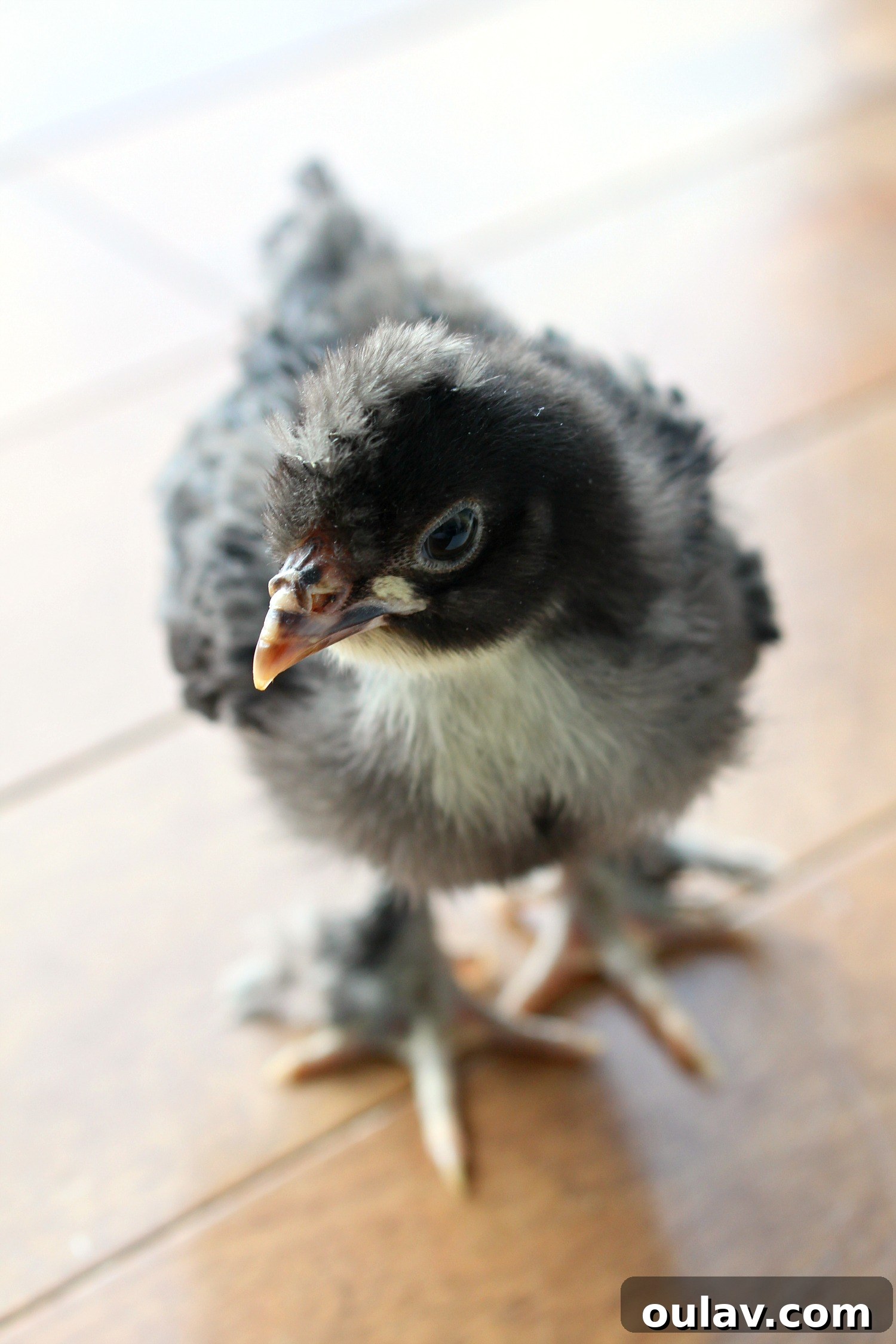
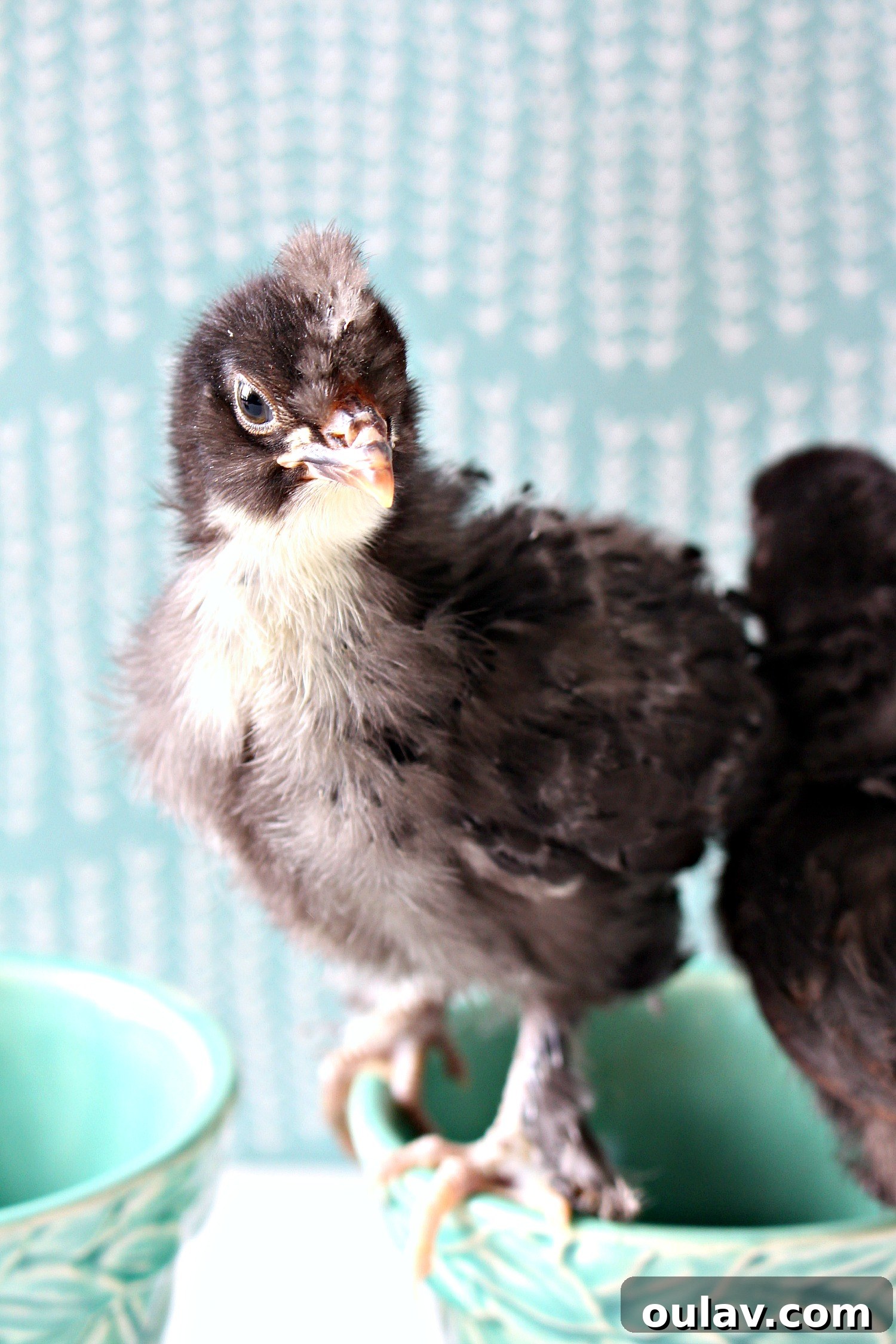
And conversely, I believe this is the hen. This is purely an educated guess at this stage, informed by subtle differences in comb development, personality traits, and the nuanced feather colors that are just beginning to emerge. The rooster-suspect also shows more pronounced copper coloring already, which I’ve read can be an early indicator of gender in Marans, adding to my theory.
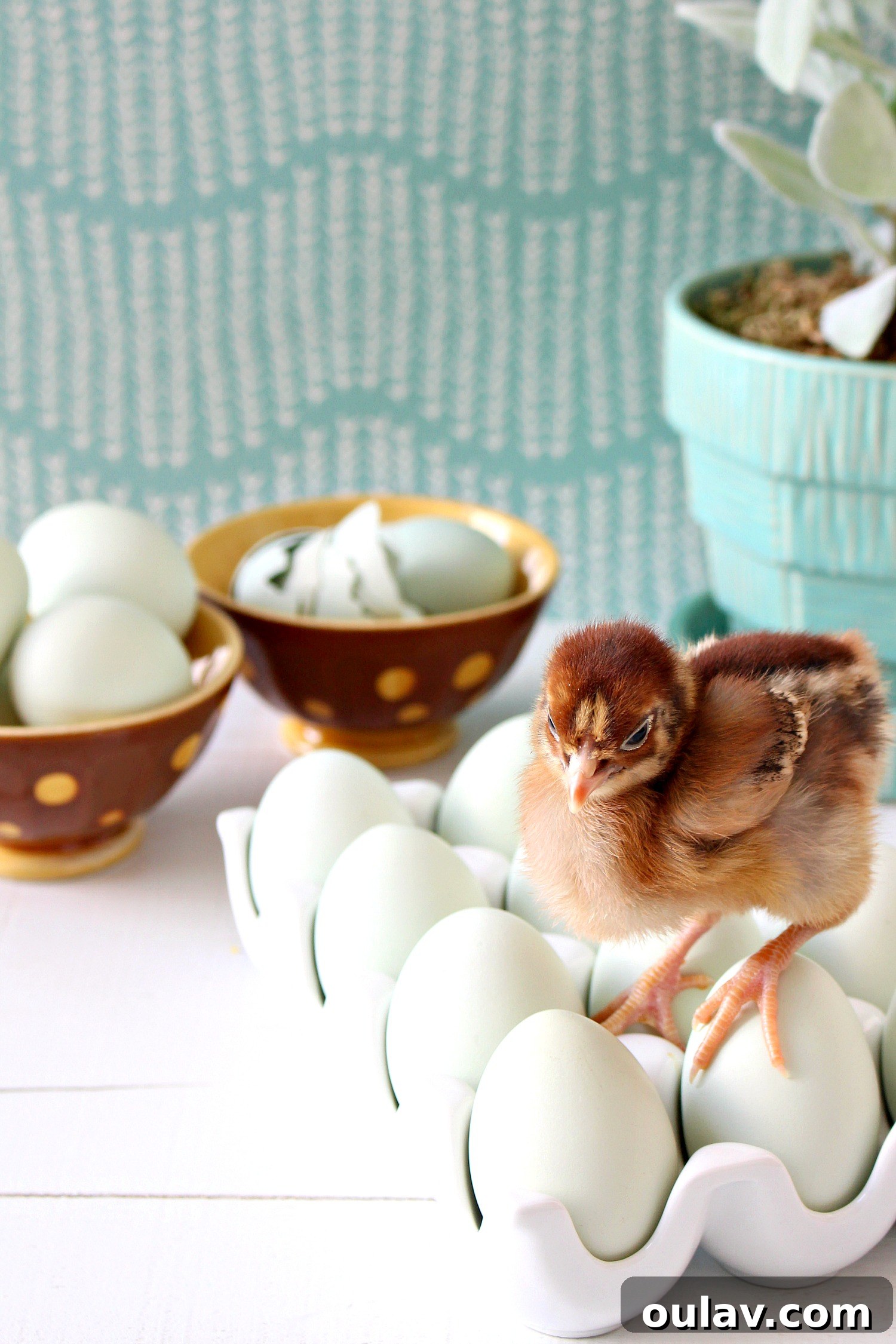
If my instincts are correct and one of these Marans turns out to be a magnificent rooster, I have an exciting plan for him. My aspiration is to breed him with my Ameraucana hens to create beautiful “Olive Egger” babies—chicks that will eventually lay stunning olive-green eggs! From my initial research, this crossbreeding method seems to be the way to achieve those coveted egg colors. I even stumbled upon an irresistible turquoise incubator, which makes the prospect of hatching my own chicks even more appealing! The idea of personally breeding and raising chicks, and contributing to my vibrant egg basket with eggs laid by my own genetically unique flock, fills me with immense excitement. Of course, there’s a wealth of knowledge I still need to acquire, but this journey into breeding is undoubtedly the next step in my ever-growing chicken obsession!
Bringing Joy and Looking Ahead with Our Feathered Friends
I sincerely hope you’ve enjoyed this fresh batch of baby chick photos as much as the first set. Having these tiny, fluffy bundles in the house has unequivocally brightened my days, bringing a consistent source of delight and warmth. My genuine hope is that simply seeing their innocent charm and playful antics has brought a little extra light into your day too. I’m truly eggcited to watch them mature, seamlessly integrate into my existing flock (fingers crossed for a smooth transition!), and eventually begin laying their own beautiful, unique eggs. To catch up on all my previous chicken adventures, from the initial coop construction to collecting our very first eggs, please click here to delve into our comprehensive chicken chronicle.
Which of these charming baby chicks has stolen your heart and become your favorite?